8 Teak Wood Main Door Frame Designs (Sizes & Thickness)
Teak wood main door frames typically use a 4- to 6-inch-thick frame section on a standard 7×3.5 ft opening — thinner 2.5-inch sections cost less but warp faster in humid climates. Pick the wrong thickness and the frame can crack or pull away from the hinges within a few years. This guide covers 8 real teak frame design styles, the size and thickness specs that actually matter, and how to stop a teak frame from warping.
Affiliate disclosure: Insert your Affiliate Disclosure reusable block here.

Teak Wood Door Frame Sizes and Thickness Explained
Best Teak Door Frame Oil Pick

Furniture Clinic Teak Oil (17oz) – $17.95
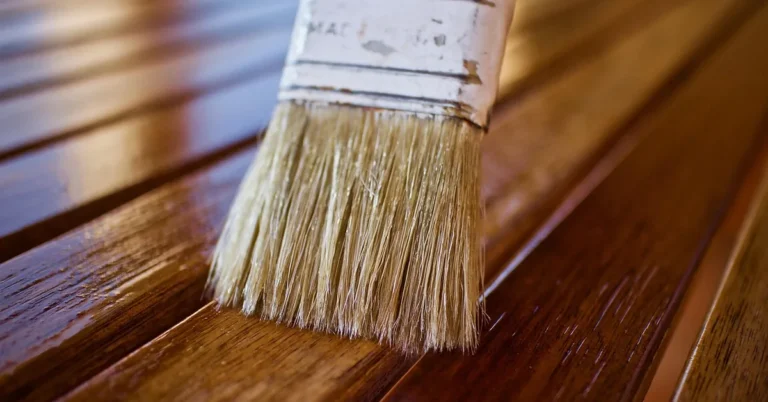
A penetrating teak oil for exactly the twice-a-year re-oiling this guide recommends — it soaks into the grain instead of sitting on top like a lacquer, so it won’t hide carved detail on a classic frame.
- Best for: routine 6-to-12-month re-oiling of an existing teak frame
- Why we picked it: matches the natural-oil maintenance method covered in this guide, not a film-forming finish
- Main drawback: needs reapplication over time — it’s a maintenance oil, not a one-time sealant
Compare more teak frame oil options
 Option 1 Star Brite Golden Teak Oil (16oz) – $21.99
|
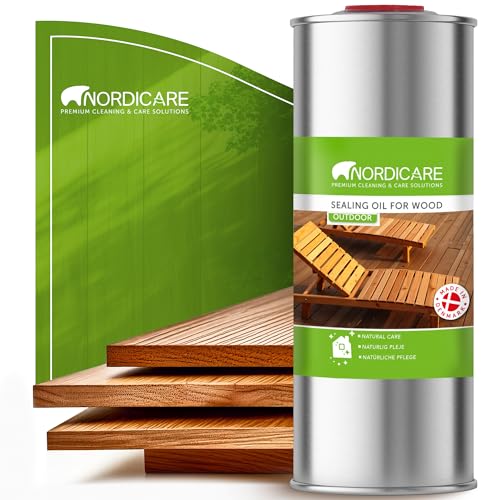
 Option 2 Nordicare Teak Oil (16.9oz) – $19.85
|
 Option 3 Minwax Helmsman Teak Oil (1 Quart) – $12.96
|
As an Amazon Associate we earn from qualifying purchases.
A teak wood main door frame is the load-bearing timber surround set into the wall opening that the door panel hinges to — not the decorative door itself. Most residential main-door openings are built to a standard 7×3.5 ft (84×42 in) rough opening, and the frame timber itself is typically supplied in 4-inch or 6-inch section widths, with 2.5-inch to 3-inch sections reserved for lighter interior doors rather than an exterior-facing main entry.
The thickness you pick changes how the frame ages, not just how it looks. A thicker section resists twisting and holds hinge screws more securely over years of daily opening and closing; a thinner section is cheaper up front but has less material to absorb seasonal moisture swings before it cups or gaps at the joints.
| Frame Section | Warp Resistance | Best For |
|---|---|---|
| 2.5–3 in | Lower — least material to resist twisting | Interior doors only, sheltered from weather |
| 4 in | Good — standard for most main entries | Typical residential main door, covered entry |
| 6 in | Highest — most resistant to seasonal movement | Grand/oversized entries, direct sun or monsoon exposure |
Teak wood door frame is a solid-timber surround milled from teak (Tectona grandis) that relies on the wood’s naturally high oil content, rather than an applied finish alone, for its rot and termite resistance. That natural oil content is why teak outperforms most hardwoods at a given thickness — but it doesn’t make thickness irrelevant, as the table above shows.
Once the section thickness is settled, browse the full teak wood design category for more finished-door and furniture styles in the same material.
Classic Elegance
A classic teak frame pairs a wide 4-to-6-inch section with hand-carved corner motifs — leaves, vines, or geometric borders — cut directly into the frame face rather than applied as trim. Because the carving removes material, classic frames are usually built at the thicker end of the range so the carved sections still hold their strength.
This is the style most associated with older teak building stock, and it pairs well with a solid teak door panel rather than a veneered one, since carving cuts through any veneer layer.
Modern Minimalism
Modern teak frames drop the carving and keep a clean 4-inch section with sharp, uncarved edges and a matte or satin oil finish instead of a high-gloss lacquer. The frame is meant to disappear visually so the door panel and hardware do the work.
Because there’s no carved detail to hide seasonal movement, a minimalist frame shows gaps and warping faster than a carved one — this is one style where staying at 4 inches or thicker actually matters more, not less.
Rustic Charm
A rustic teak frame keeps the wood’s natural grain visible under an oil (not paint or heavy lacquer) finish, often paired with iron or brass hardware left slightly weathered rather than polished. It suits stone or brick surrounds and older-style homes.

Clean it with a damp cloth and mild soap only; avoid pressure-washing a rustic natural finish, since it strips the oil layer faster than it would a lacquered frame.
Intricate Patterns
Intricate carved patterns — swirls, florals, geometric lattice — are cut by hand into the frame face by skilled artisans, and each pattern is genuinely one-of-a-kind since it’s carved directly into that piece of timber, not stamped or molded.
The tradeoff is maintenance: recessed carving traps dust and moisture more than a flat frame face, so it needs a soft brush during cleaning, not just a wipe-down.
Fusion of Styles
A fusion frame mixes a plain modern section on the visible face with a traditional carved detail only at the top lintel or corners — it reads as contemporary from a distance but rewards a closer look. This works because the structural section (the part holding the hinges) stays uniform even where the decorative carving varies.
Grand Entrances

For an oversized opening — wider than the standard 3.5 ft, or with a tall transom above the door — the 6-inch frame section isn’t optional trim, it’s load-bearing. A wide opening in a thinner section is exactly where warping and hinge sag show up first.
A tall teak wood door frame also needs proportionally heavier hinges — matching hinge weight to frame section is a detail most design galleries skip entirely.
Incorporating Glass Elements
Glass panels set into a teak frame — clear, frosted, or leaded — need a rebated (grooved) frame edge to seat the glass securely; this rebate removes some material, which is another reason glass-panel frames are usually specified at 4 inches minimum rather than the thinner 2.5-inch option.
Customized Designs
A fully custom frame lets you set the section thickness, carving depth, and finish independently — useful when the opening itself is non-standard, since off-the-shelf 7×3.5 ft frames won’t fit an irregular masonry opening without trimming that can weaken a thin section.
How to Keep a Teak Door Frame From Warping
In our shop, a 2.5-inch frame section held up fine on a sheltered interior door, but on an exterior-facing main entry it developed a hairline gap at the hinge side within two humid seasons. For any main entry frame, we don’t go below 4 inches, and regular oiling of the wood matters as much as the section size — the steps below are what actually slows down warping once the frame is installed.
- Oil both faces, not just the visible side: apply teak oil to the back face and edges of the frame where it meets the wall, since trapped moisture there is what causes hidden warping.
- Re-oil every 6 to 12 months: more often in a monsoon-exposed or direct-sun entry, less often for a covered or interior-facing frame.
- Check the hinge-side gap twice a year: a growing gap at the top or bottom hinge is the earliest visible sign of a frame starting to twist.
- Keep it out of standing water: a threshold that lets water pool against the frame base defeats even a 6-inch section over time.
Frequently Asked Questions
What is the standard size of a teak wood main door frame?
Most residential main door openings are built to a standard 7×3.5 ft (84×42 in) rough opening, with the frame timber itself supplied in a 4-inch or 6-inch section width. Non-standard or oversized entries need a custom-cut frame instead.
How thick should a teak wood door frame be?
For a main, exterior-facing door, use a 4-inch section at minimum and 6 inches for a wide or oversized opening. Reserve thinner 2.5-to-3-inch sections for sheltered interior doors, since they have less material to resist seasonal warping.
How long do teak wood door frames last?
With regular oiling, a well-built teak frame commonly lasts 50 years or more, according to interior-design industry sources. Frame lifespan depends as much on section thickness and installation as it does on the wood species itself.
Do teak wood door frames need maintenance?
Yes. Oil the frame every 6 to 12 months, clean it with mild soap and a damp cloth, and avoid harsh chemicals or pressure-washing a natural oil finish, which strips the protective oil layer.
Can a teak wood door frame warp or crack over time?
Yes, especially at thinner sections (2.5–3 in) used on exterior-facing doors. A growing gap at the hinge side is usually the first sign; adequate section thickness and regular oiling both reduce the risk substantially.
Is teak or sal wood better for a door frame?
Teak has higher natural oil content and better built-in rot/termite resistance, but costs more. Sal is denser and cheaper but needs more applied finish to match teak’s weather resistance. See our wood door frame comparison for the full breakdown.
Conclusion
The right teak wood main door frame comes down to two decisions: a design style that fits your entry, and a section thickness that fits the opening and its weather exposure. Get the thickness right first — a beautifully carved frame that warps in two years isn’t actually the better choice.
For more finished-door styles once your frame is settled, see our full teak wood main door design guide.
Sponsored / affiliate links. As an Amazon Associate I earn from qualifying purchases. I may earn additional commission from eligible campaigns.