Can a 10-Inch Miter Saw Cut a 4X4? (Real Capacity Specs)
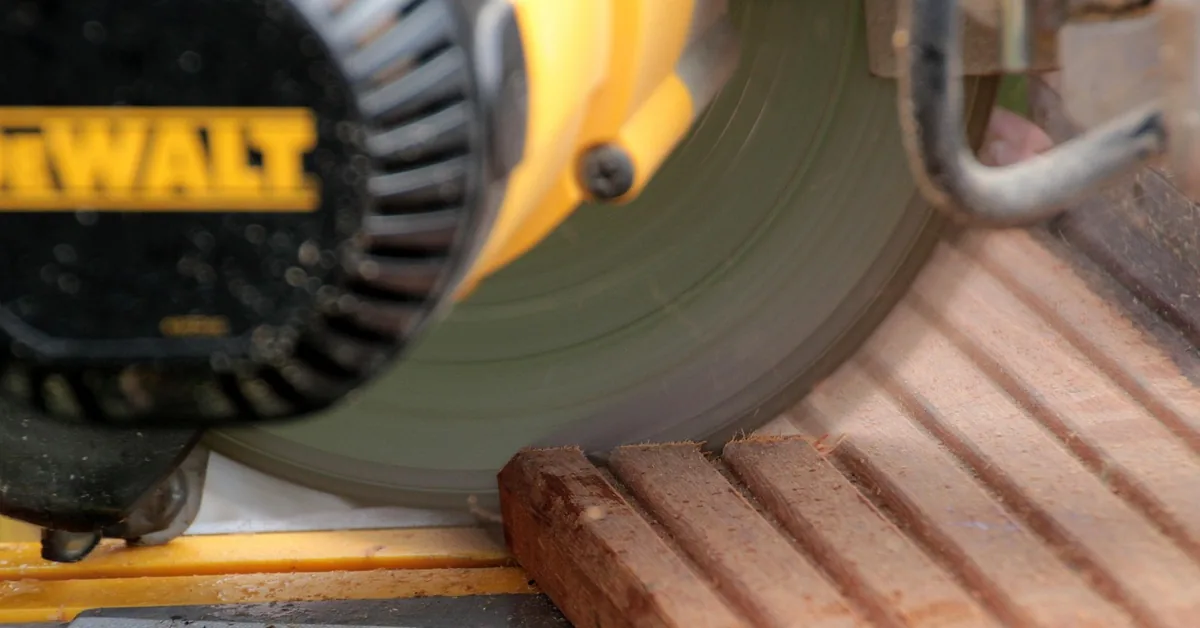
A standard 10-inch miter saw usually can’t crosscut a full 4×4 (actual size 3.5″ x 3.5″) in one clean pass — manufacturer specs show even 10-inch sliding models have only 2.8″ to 3.1″ of vertical clearance, short of the 3.5″ needed. Force it anyway and the blade tears out the last sliver or binds mid-cut. This guide covers real DeWalt, Makita, and Bosch crosscut specs, the flip-cut fix for any 10-inch saw, and when a 12-inch saw is worth buying.
Quick Answer
No, not reliably in one pass. A 4×4 is a full 3.5″ thick, and most 10-inch miter saws — sliding or not — have only 2″ to 3.125″ of vertical clearance at 90°. Mark all four faces, cut halfway, flip the board 180°, and finish from the other side. A 12-inch saw (3.5″+ clearance) clears it in one pass.
Real 10-Inch Miter Saw Crosscut Capacity vs. a 4×4 (Spec Comparison)
Best 12-Inch Pick for One-Pass 4×4 Cuts
DEWALT DWS779 12″ Dual-Bevel Sliding Miter Saw
A 12-inch dual-bevel sliding compound miter saw with enough crosscut capacity to clear a 4×4 post in one pass.
- Best for: Deck and fence builders cutting 4×4 posts regularly
- Why we picked it: the 12-inch blade and sliding rails give more one-pass capacity than a fixed 10-inch saw
- Main drawback: sliding rails need clearance behind the saw; heavier than a basic 10″ saw
Compare more 4×4-capable saw options
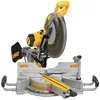 Option 1 DEWALT DWS780 12″ Sliding Compound
|
 Option 2 Bosch CM10GD 10″ Dual-Bevel Glide
|
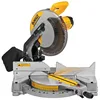 Option 3 DEWALT DWS715 12″ Single-Bevel (Budget)
|
As an Amazon Associate we earn from qualifying purchases.
A 4×4 is actually 3.5″ x 3.5″, not a true 4 inches — but that’s still the number that matters, because a miter saw’s blade has to drop through that full 3.5″ in one motion to finish the cut. Below are the real published crosscut-capacity figures for four common saws, pulled directly from each manufacturer’s technical data sheet, not a blog estimate.
| Saw | Vertical Capacity @ 0°/0° | Clears a 3.5″ 4×4 in One Pass? |
|---|---|---|
| DeWalt DWS713 (10″, non-sliding) | 2″ x 6″ dimensional lumber @ 90° | No — leaves the last corner uncut |
| Makita LS1019L (10″, dual-bevel sliding) | 2-13/16″ x 12″ (2.81″) @ 90° | No — about 0.7″ short even with the slide |
| Bosch CM10GD (10″, dual-bevel glide) | 3-1/8″ x 12″ (3.125″) @ 0°/0° | Close, but no — Bosch’s own sheet says the Adjustable Depth Stop accessory is needed for 4x-nominal stock |
| Bosch GCM12SD (12″, dual-bevel glide) | 3-1/2″ x 13-1/2″ (3.5″) @ 0°/0° | Yes — rated for 4×14 dimensional lumber, zero margin needed |
Source: DeWalt and Bosch official technical data sheets, dewalt.com and boschtools.com, 2026.
Why Even Sliding 10-Inch Saws Fall Short
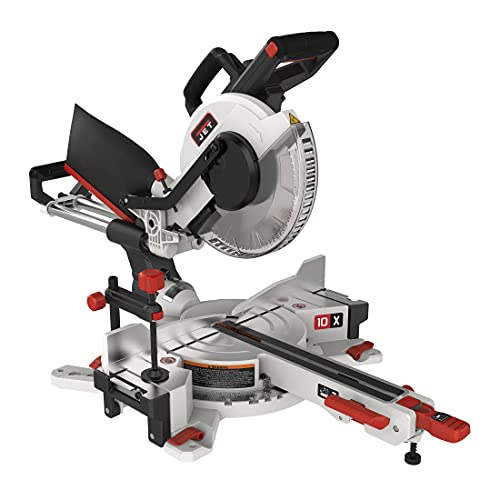
The sliding rail on a 10-inch sliding compound miter saw extends the blade’s travel forward and back, which is what lets it crosscut a wide, flat board. It does almost nothing for vertical clearance — the distance the blade can drop straight down — because that’s fixed by the 10-inch blade’s radius and the arm geometry above the table. That’s why the Makita LS1019L, a genuinely excellent 10-inch slider, still lists only 2.81″ of vertical capacity: barely more than a fixed-head saw, and still 0.7″ short of a 4×4.
A “glide” saw like the Bosch GCM12SD uses articulated arms instead of rails, which is a different mechanism but solves the same problem — the 12-inch blade diameter simply has more room to drop before it runs out of arc. That’s the real reason 12-inch saws close the gap and 10-inch saws don’t, regardless of whether they slide.
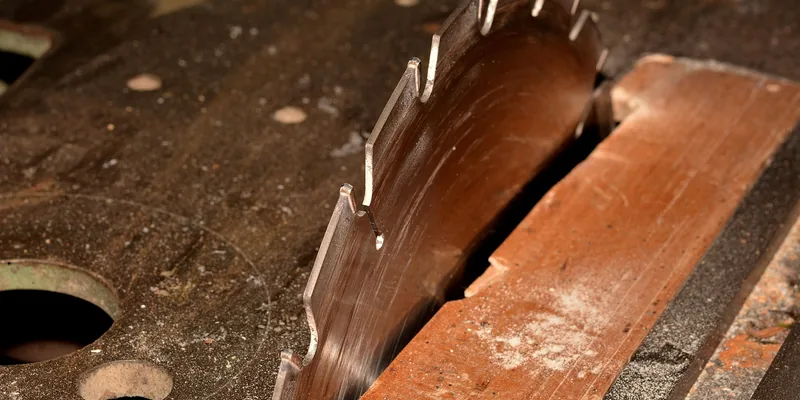
How to Cut a 4×4 With a 10-Inch Miter Saw (The Flip-Cut Method)
Since most 10-inch saws come up short, this is the technique that reliably finishes the cut without a torn corner or a saw upgrade.
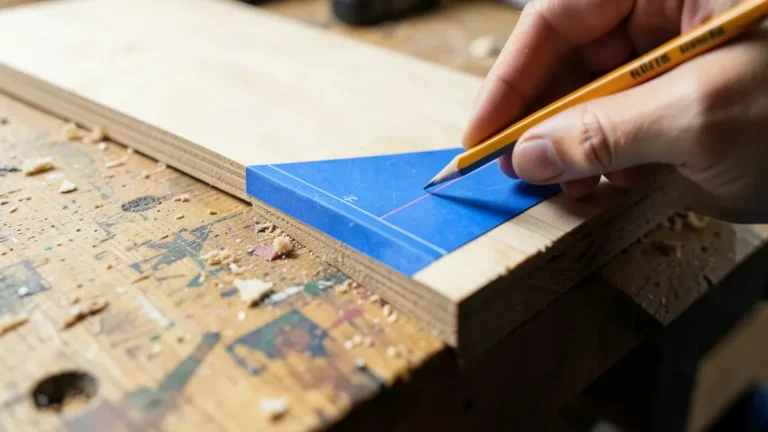
- Mark all four faces: Square a cutline around all four sides of the 4×4 with a speed square so every mark lines up exactly.
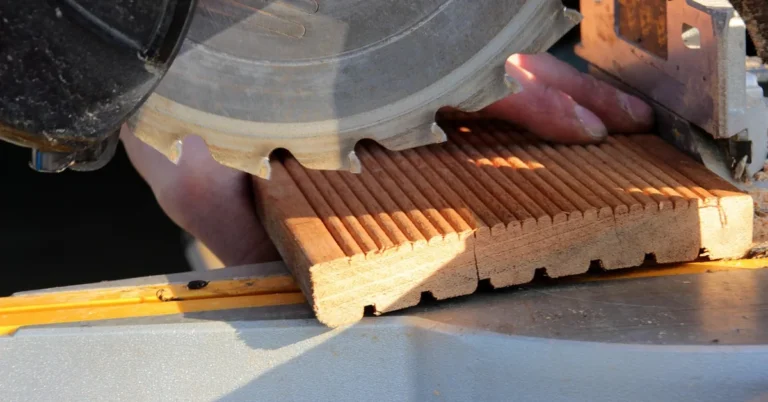
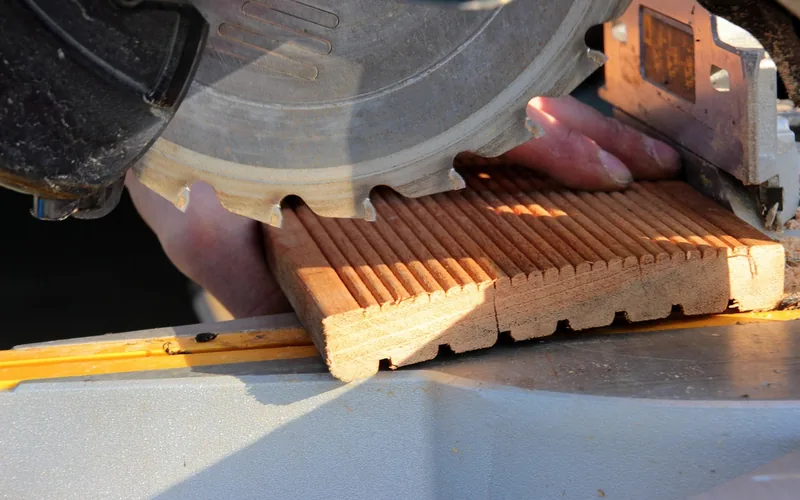
- Make the first pass: Set the 4×4 flat against the fence and table, align the blade with the mark, and cut straight down until the blade bottoms out.
- Flip the board 180°: Rotate the 4×4 along its length so the uncut face is now up, keeping the same end against the fence.
- Align the kerf: Match the new face’s marked line exactly with the existing kerf from the first cut before lowering the blade again.
- Complete the cut: Lower the blade through the remaining material to finish the cut from the opposite side.
- Check the finish: Look for a hairline ridge where the two cuts meet — a few strokes of sandpaper cleans it up if the marks were off by a hair.
“The mistake I see most often is guys skipping the first step — they eyeball the flip instead of squaring all four faces first. If the second mark is even a sixteenth off from the first, you get a visible step in the cut face instead of a clean line.”
When to Upgrade to a 12-Inch Miter Saw
The flip-cut works on any 10-inch saw, so a new saw isn’t required just to cut a 4×4 occasionally. It’s worth the upgrade if you’re cutting posts regularly — deck framing, fence building, pergolas — where a single-pass cut saves real time and gives a cleaner, more consistent face than two aligned cuts. The comparison table above shows why: a 12-inch blade has roughly 3.5″ to 4″ of vertical clearance against a 10-inch blade’s 2″ to 3.1″, and that difference is exactly the margin a 4×4 needs.
📊 Bosch’s own technical data sheet for the GCM12SD lists a 3-1/2 in. x 13-1/2 in. capacity at 0° miter, 0° bevel — explicitly rated for 4×14 dimensional lumber, with no accessory required. — Source: Bosch Professional GCM12SD technical data, boschtools.com, 2026.
Related Miter Saw Sizing Guides
For the full picture on choosing between blade sizes, see our 10-inch vs. 12-inch miter saw comparison and our breakdown of what size miter saw you actually need. If you’re working with wide flat stock instead of square posts, our guide on how wide a 10-inch miter saw can cut covers that separate question. You’ll find more sizing and buying guidance in our miter saw hub.
Frequently Asked Questions
Can a 10-inch miter saw cut through a 4×4 in one pass?
Not reliably. A 4×4 is 3.5″ thick, and published crosscut specs for 10-inch saws — sliding or non-sliding — typically run from 2″ to about 3.1″ of vertical clearance at 90°. Most will leave a small uncut corner unless you use the flip-cut technique.
Does a 10-inch sliding miter saw cut a 4×4 better than a non-sliding one?
Only slightly. The slide rail extends the blade’s travel across a flat board’s width, not its vertical drop. The Makita LS1019L, a well-reviewed 10-inch slider, still lists just 2.81″ of vertical capacity — better than a basic non-sliding saw’s 2″, but still short of the 3.5″ a 4×4 needs.
What size miter saw do I need to cut a 4×4 in one pass?
A 12-inch miter saw. Models like the Bosch GCM12SD are rated by the manufacturer for 3.5″ x 13.5″ capacity at 0°/0° — enough to clear a 4×4 with no margin to spare and no flip required.
How do you cut a 4×4 with a 10-inch miter saw?
Use the flip-cut method: square a cutline around all four faces, cut straight down until the blade bottoms out, then flip the board 180° along its length, align the new face’s mark with the existing kerf, and finish the cut from the other side.
Can a 7 1/4-inch miter saw cut a 4×4?
No, not in one pass and not reliably even with a flip. A 7 1/4-inch blade has a much smaller radius than a 10-inch or 12-inch blade, leaving too little vertical clearance for full 3.5″ stock. A 10-inch or larger saw is the practical minimum for 4×4 posts.
The short version: a 4×4 needs a full 3.5″ of vertical blade clearance, and most 10-inch miter saws — sliding or not — fall just short of that number. The flip-cut technique closes the gap for free on any 10-inch saw; a 12-inch saw like the Bosch GCM12SD closes it permanently if you’re cutting posts often enough to justify the upgrade.
Sponsored / affiliate links. As an Amazon Associate I earn from qualifying purchases. I may earn additional commission from eligible campaigns.