Wiping Stain vs Penetrating Stain: Key Differences
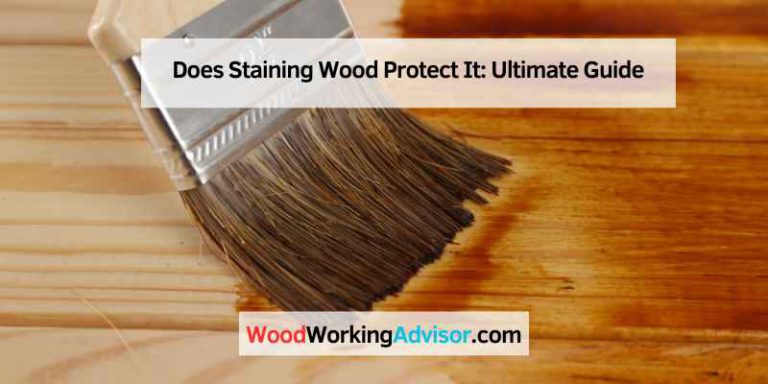
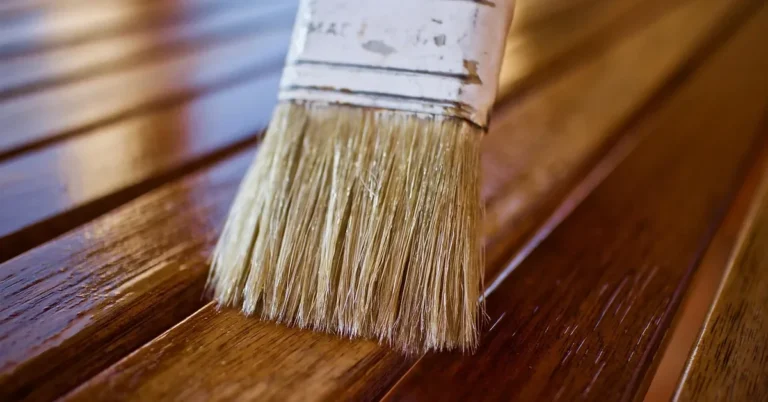
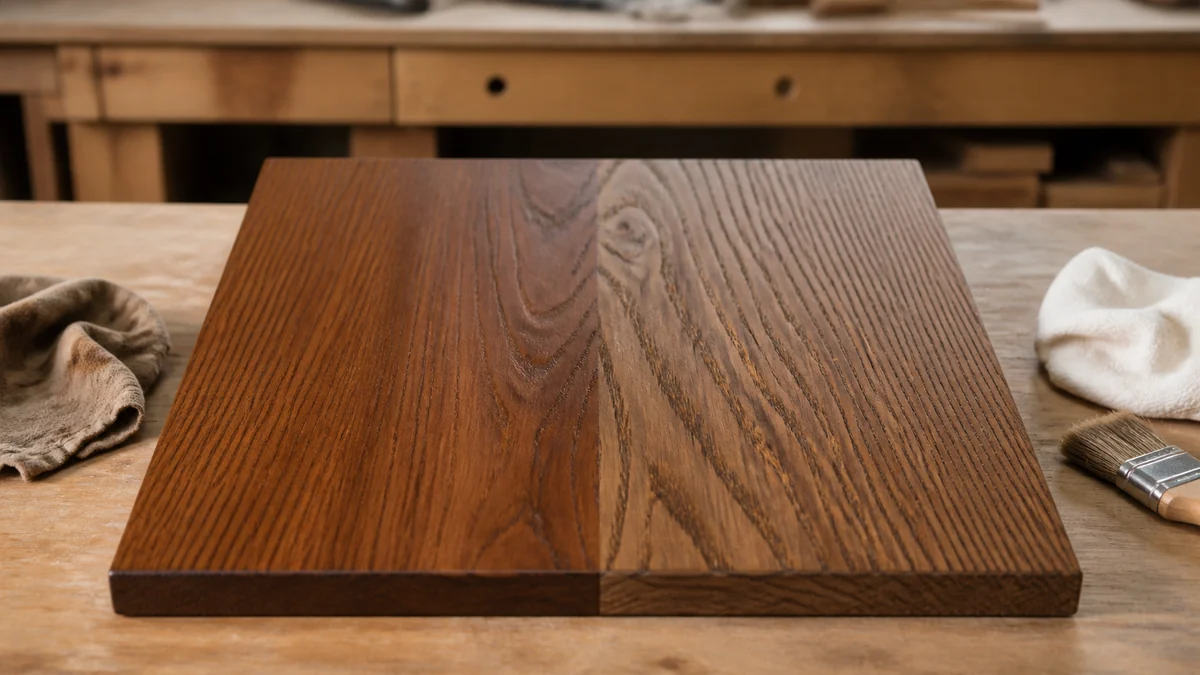
Wiping stain is usually thicker and gives you more control over color at the wood surface, while penetrating stain is usually thinner and designed to soak into clean, bare wood. Wiping stain is often the easier choice for blotch-prone woods, color matching, or an approved glaze application. Penetrating stain is better when you want the natural grain of unfinished, porous wood to remain prominent.
Quick Comparison
The names can be confusing because both products are commonly applied, allowed to dwell, and then wiped to remove excess. “Wiping” does not mean the stain never penetrates, and “penetrating” does not mean you leave a wet coat on the surface. Always follow the exact product label because formula, working time, drying time, and compatible topcoats vary.
| Feature | Wiping stain | Penetrating stain |
|---|---|---|
| Typical consistency | Thicker, richer, and usually higher in body | Thinner and designed to soak into porous wood |
| Color control | More control and easier blending | Color depends more heavily on wood porosity |
| Grain appearance | Can make color more uniform and slightly soften contrast | Usually emphasizes natural grain and pore variation |
| Best starting surface | Bare wood; some products also allow approved glaze or scuff-sanded applications | Clean, unfinished wood or wood stripped back to bare material |
| Useful woods | Often chosen for pine, maple, birch, poplar, cherry, plywood, and veneer | Often suited to porous, open-grained unfinished woods |
| Existing finish | Some labels permit use over a prepared finish | Existing finish normally must be removed |
| Protection | Primarily adds color; usually needs a compatible clear finish | Primarily adds color; usually needs a compatible clear finish |
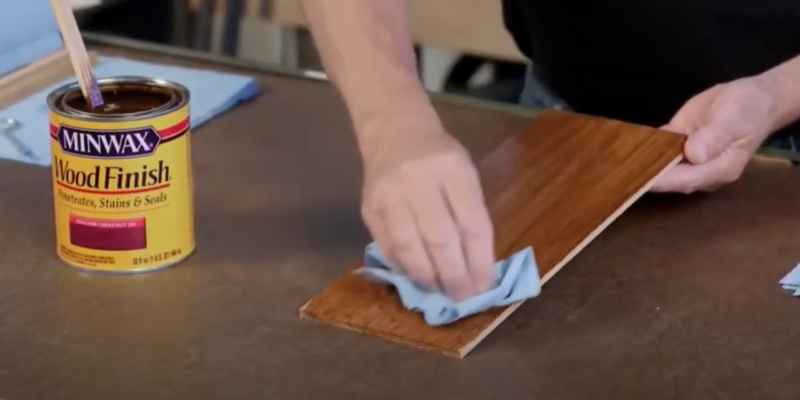
What Is Wiping Stain?
Wiping stain is generally a more bodied, pigment-rich stain made to give the finisher time to distribute and blend color before removing the excess. That control helps when different grain areas absorb color unevenly or when you want a more uniform tone across a cabinet, door, furniture panel, or veneer.
For example, Old Masters describes its Wiping Stain as a thick interior oil-based formula for unfinished wood and several other prepared surfaces. The manufacturer specifically recommends it for difficult-to-stain woods including pine, birch, maple, poplar, and cherry. Those directions are product-specific, but they illustrate why a wiping stain is often selected when uniformity matters more than maximum grain contrast.
Wiping stain is not the same thing as gel stain. Both can provide more surface color than a thin penetrating stain, but gel stain is normally thicker still. For a broader overview of stain systems and safe application, see our interior wood stain guide.
What Is Penetrating Stain?
Penetrating stain is a lower-viscosity coloring product intended to enter the pores and fibers near the surface of unfinished wood. It usually produces more visible variation between earlywood, latewood, open pores, end grain, and dense grain. That variation can look rich and natural on suitable wood, but it can also become patchy on pine, maple, birch, cherry, or poplar.
A penetrating stain needs access to bare, absorbent wood. Old Masters’ technical data sheet instructs users to remove an existing finish completely before applying its Penetrating Stain. It also requires the excess to be wiped away before the stain dries. This is why defining the difference as “one is wiped and the other is not” is inaccurate.
If you are staining pine, test carefully because color can vary sharply between grain zones. Our guide to wood stain colors on pine explains why the sample on the can may not match the finished board.
Which Stain Should You Choose?
| Your situation | Better starting choice | Why |
|---|---|---|
| Raw oak, ash, or another porous hardwood | Penetrating stain | It highlights pore and grain variation. |
| Pine, maple, birch, cherry, or poplar | Wiping stain | It usually provides more control over uneven color. |
| You want the clearest natural grain | Penetrating stain | Less surface body can preserve stronger grain contrast. |
| You want a uniform furniture or cabinet color | Wiping stain | Longer blending and more surface pigment help even the tone. |
| A sound existing finish will remain | Only a wiping/glaze product specifically approved for it | Penetrating stain cannot work through an intact finish. |
| You do not know the wood species or previous coating | Test both on a hidden area | Absorption and compatibility cannot be predicted from color alone. |
Neither choice is automatically more durable. Durability depends on preparation, stain chemistry, drying, the clear topcoat, exposure, and maintenance. A color stain is not a substitute for polyurethane, varnish, lacquer, shellac, or another compatible protective finish when the project needs abrasion or moisture resistance. You can compare the roles of different coatings in our wood finish examples.
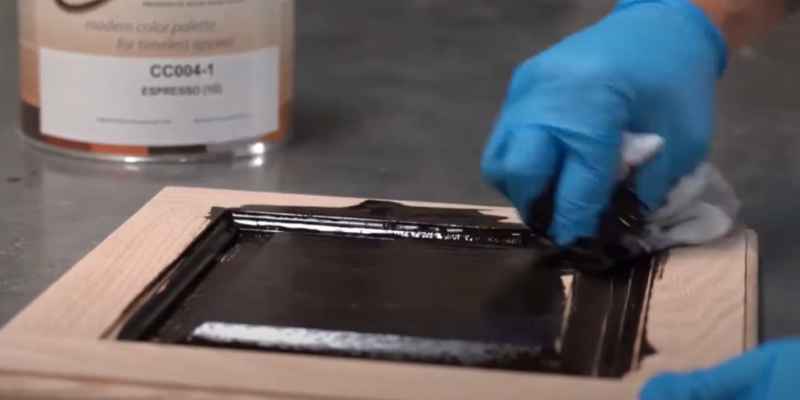
How Application Differs
Preparing for wiping stain
Clean away wax, grease, glue, dust, and silicone contamination. Sand bare wood to the range specified by the stain manufacturer; sanding too finely can reduce absorption, while coarse scratches may turn dark. Stir thoroughly so settled pigment returns to suspension. On a previously finished surface, proceed only if the label allows that use and follow its scuff-sanding or glaze instructions.
Preparing for penetrating stain
Remove paint, clear finish, wax, and other barriers until the wood is uniformly bare. Sand consistently with the grain and remove dust. On blotch-prone wood, test a compatible pre-stain conditioner or washcoat system on scrap first. Conditioner changes color intensity, so do not apply it to the project without testing the complete stain-and-topcoat schedule.
A Reliable Staining Process
- Read the label and technical data sheet. Confirm interior or exterior use, preparation, temperature, working time, drying time, and topcoat compatibility.
- Prepare a representative sample. Use the same wood, sanding sequence, stain, dwell time, and clear finish planned for the project.
- Stir—do not merely shake. Pigment settles, and uneven mixing changes the color from the top to the bottom of the can.
- Apply an even wet coat. Work manageable sections and maintain a wet edge.
- Observe the stated dwell time. Do not invent a universal number. Wiping and penetrating formulas can have different working windows.
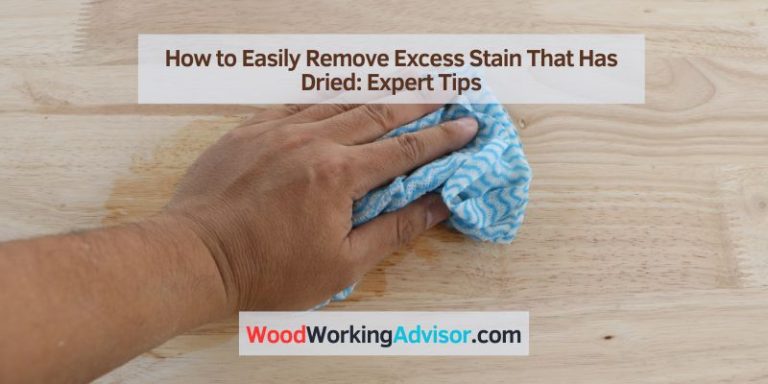
- Remove all excess. Many manufacturers direct wiping first across the grain and then with the grain. Do not leave sticky pools in corners or open pores.
- Let the stain dry completely. Cool temperatures, high humidity, heavy application, and poor ventilation extend drying.
- Apply a compatible protective finish. Follow the stain and topcoat instructions, especially when combining oil- and water-based products.
Can You Mix Wiping and Penetrating Stain?
Do not assume two stains can be mixed simply because both are oil-based or share a color name. Different products may use incompatible binders, solvents, pigments, dryers, and VOC formulations. Mixing can change drying, adhesion, color, and topcoat performance.
Manufacturers sometimes permit colors within the same product line to be intermixed. That does not authorize mixing a wiping stain with a penetrating stain from different lines. Obtain written manufacturer guidance or make a complete test panel and allow it to dry fully before using a custom mixture on the project.
Safety: Ventilation and Oily Rag Disposal
Wear the protective equipment specified on the label or Safety Data Sheet, provide strong ventilation, and keep stain and solvent away from flames, pilot lights, sparks, and smoking materials. Gloves should be compatible with the solvent system rather than selected by appearance alone.
Oil-stain rags, sanding residue, and steel wool can heat up and ignite without an external flame. Old Masters instructs users of its oil-based Wiping Stain to place used waste immediately in a sealed, water-filled metal container and dispose of it under local fire rules. Follow the label and local disposal requirements for the exact product you use; never leave oily rags crumpled in a pile.
Manufacturer references: Old Masters Wiping Stain directions and Old Masters Penetrating Stain technical data sheet.
Frequently Asked Questions
Is wiping stain the same as penetrating stain?
No. Wiping stain is generally thicker and offers more surface color control. Penetrating stain is generally thinner and intended to color clean, porous, bare wood.
Do you wipe off penetrating stain?
Usually, yes. Many penetrating-stain labels require the excess to be wiped off before it dries. Follow the product’s stated dwell time and directions.
Which stain is better for pine?
A wiping stain often provides more even color on pine, but wood conditioner, sanding, and the specific formula matter. Always test the full finish schedule on matching scrap.
Can wiping stain go over an existing finish?
Only when the manufacturer permits that use and the existing finish is clean, sound, and prepared exactly as directed. Penetrating stain normally requires bare wood.
Does wood stain protect against water and scratches?
Stain mainly adds color. Most indoor projects need a compatible clear topcoat when abrasion, moisture, or chemical resistance is required.
Can wiping and penetrating stains be mixed?
Only if the manufacturer confirms compatibility. Permission to intermix colors within one product line does not mean different stain types or brands can be mixed safely.
Bottom Line
Choose wiping stain when consistent color and blending control are the priority. Choose penetrating stain when the wood is bare and porous and you want stronger natural grain variation. Whichever you choose, test the complete finish system, remove excess stain, allow full drying, add a compatible protective coat when needed, and dispose of oily waste safely.
Sponsored / affiliate links. As an Amazon Associate I earn from qualifying purchases. I may earn additional commission from eligible campaigns.