What Color Wood Floor Goes With Gray Walls? (By Undertone)
Cool gray walls (blue-based, like Repose Gray SW 7015) pair best with light woods such as white oak or ash; warm grays (green or beige-based, like Agreeable Gray) need honey oak, hickory, or walnut instead. Mismatching the undertones is the single most common mistake — it makes a room read muddy instead of intentional. This guide covers undertone matching, a paint-to-floor pairing chart, and real design tips for the transition.
Quick Answer
Light to medium woods (white oak, ash, natural maple) work with almost any gray, cool or warm. Dark woods (walnut, espresso, mahogany) look best against warm or medium-toned grays — pairing very dark floors with a cool, light gray can feel stark rather than cozy.
Best Wood Floor Colors For Gray Walls
For gray walls, the best wood floor colors include light oak, warm hickory, or rich walnut. These options complement the cool tones of gray while adding warmth and visual interest to the space. Lighter wood floors create a bright, airy feel, while darker tones provide a striking contrast.
Light Wood Floors
Light wood floors provide a contrasting yet complementary look against gray walls. White oak, ash, or natural maple work well for a contemporary, Scandinavian-leaning feel, bringing a bright and airy ambiance that makes smaller rooms feel larger. Light wood is also the safest, most forgiving choice — it pairs with both cool and warm gray undertones without a strict matching rule.
Medium Wood Floors
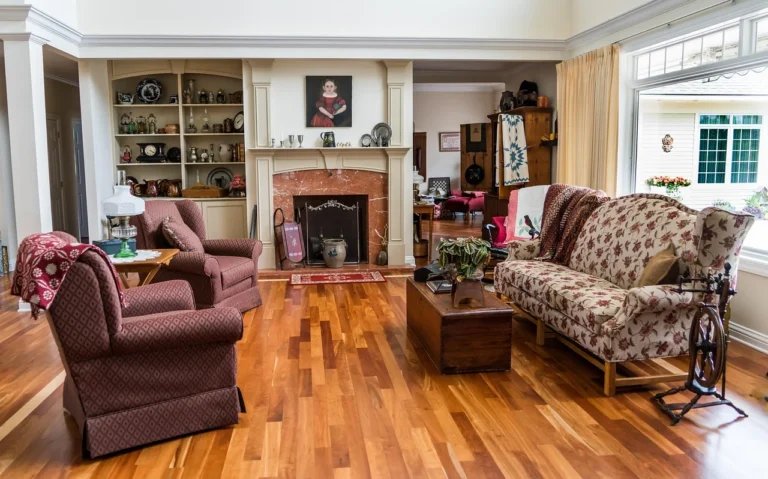
Medium tones like natural oak, hickory, or cherry strike a balance between light and dark. These floors add warmth and character to the space without the commitment of a very dark finish. The reddish undertones of cherry wood create an interesting contrast against a cooler gray, while golden oak leans naturally toward warm grays like greige.
Dark Wood Floors
For a bold, sophisticated look, walnut or mahogany floors work well against gray walls — but pair them with a medium or warm gray rather than a very light, cool one. The deep hues of dark wood floors give the room a grounded, elegant feel and work especially well in larger spaces with good natural light, since dark floors can make a small, dim room feel closed in.
When choosing wood floor colors for gray walls, consider the overall ambiance you want to create in the room. Experiment with different shades to find the perfect balance between warmth and contrast.
Matching Wood Floor Colors To Specific Gray Paint Shades
Generic advice like “light wood goes with gray” only gets you so far — different named gray paint colors lean warm or cool, and the floor color that looks intentional with one can look off with another. Here’s how three of the most popular Sherwin-Williams grays pair with wood floor tones, based on their documented undertones:
| Gray Paint Color | Undertone | Best Wood Floor Match | Avoid |
|---|---|---|---|
| Repose Gray (SW 7015) | Cool, soft gray with slight purple undertone | Both light oak and dark walnut — it’s one of the more flexible cool grays | Very orange-toned oak, which can clash with the purple undertone |
| Agreeable Gray (SW 7029) | Warm greige with a green undertone | Red-toned woods like cherry or red oak, and honey-toned oak | Very cool, ashy gray floors, which fight the warm undertone |
| Dorian Gray (SW 7017) | Warm, medium-depth neutral gray | Mid-tone woods — natural oak, hickory, or light walnut | Very pale, cool-toned floors, which can look washed out next to its depth |
📊 Repose Gray (SW 7015) is one of Sherwin-Williams’ most-used grays for pairing with hardwood in either direction (light or dark) — it’s known to shift cooler in north-facing rooms and warmer in south-facing rooms, so the same paint chip can look different once it’s on your actual walls. Source: Sherwin-Williams color family listings and interior-design color reviews, 2026.
Factors To Consider When Choosing Wood Floor Colors
When deciding on a wood floor color to complement gray walls, a few practical factors matter more than the color chart alone.
Natural Light In The Room
The amount of natural light in the room plays a significant role in determining the suitable wood floor color. Lighter wood tones help brighten up a room with limited sunlight, while darker wood floors add depth and richness to a well-lit space.
Room Size And Layout
Consider the size and layout of the room when choosing wood floor colors. Light wood floors can make a small room feel more open and spacious, while dark tones can add warmth and coziness to larger areas.
Existing Decor And Furniture
Evaluate your existing decor and furniture to ensure the wood floor color complements the overall aesthetic. Choose a hue that enhances the style and color scheme of your furnishings, creating a cohesive and visually appealing environment.
Tips For Achieving The Perfect Wood Floor And Gray Wall Combination
Finding the right wood floor and gray wall combination is easier with a system rather than guesswork. These tips will help you land on a pairing that holds up once the samples are actually in the room.
Using Color Samples
Before making any final decisions, use real paint and wood samples next to each other to see how the tones interact. Place the samples against the actual wall, not just side by side on a table, and view them at different times of day — the same gray can shift noticeably between morning and evening light.
“Test swatches or samples in your own home on numerous walls of the same room. Your own quality of light could be different than photos you have on a mood board, so where a light gray might look crisp and pure in one room, it could also read totally beige or green in another. Observe the shades during different times of day to see how they interact with your sunlight.”
Balancing Warmth And Coolness
When choosing a wood floor color, it’s crucial to balance the warmth and coolness of the space. Opt for a warm-toned wood to offset a cool gray, creating a sense of balance and adding visual warmth to the room. This prevents the space from feeling too cold or sterile.
Playing With Textures
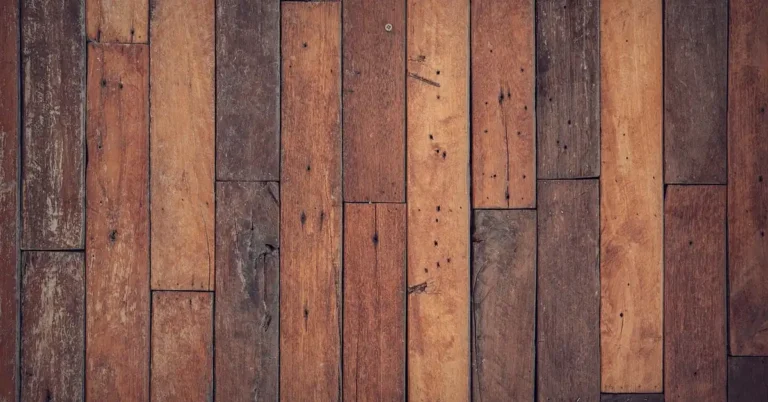
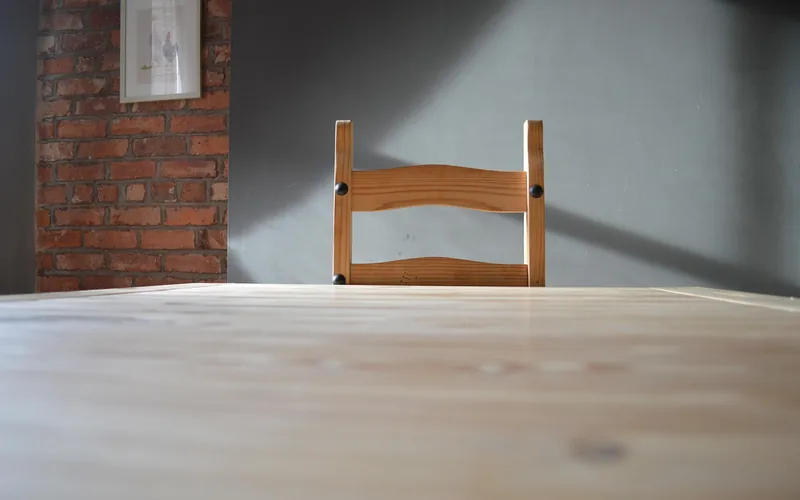
In addition to color, consider the textures of the wood floor and the gray walls. Mixing contrasting textures adds depth and interest — pairing smooth gray walls with wire-brushed or textured wood flooring creates a visually dynamic room that feels both inviting and modern.
Maintenance And Care For Wood Floors With Gray Walls
Proper maintenance and care play a vital role in preserving the beauty and longevity of wood floors. The right cleaning methods and preventative measures help avoid scratches, damage, and unsightly stains that can diminish the appeal of your flooring.
Regular Cleaning
Regular cleaning is key to keeping your wood floors looking their best:
- Sweep or vacuum your floors regularly to remove dirt, dust, and debris that can cause scratches over time.
- Avoid harsh or abrasive cleaners that can strip away the protective finish. Use a gentle pH-neutral cleaner designed for hardwood floors instead.
- Damp mop with a well-wrung mop or microfiber cloth. Don’t oversaturate the wood, and wipe up any excess water immediately.
Preventing Scratches And Damage
- Place doormats or rugs at entry points to trap dirt before it’s tracked onto your floors.
- Use felt or rubber pads on the bottom of furniture legs to prevent scratches from movement.
- Avoid wearing high heels or shoes with sharp objects on your wood floors, as they can easily damage the surface.
Dealing With Spills And Stains
- Blot up spills immediately using a clean cloth or paper towel. Avoid rubbing, which can spread the liquid and worsen the stain.
- If the spill leaves a stain, mix a small amount of vinegar or hydrogen peroxide with water and apply it to the affected area. Gently blot until the stain lifts.
- For stubborn stains or deep scratches, consult a professional flooring specialist.
Enhancing The Aesthetics Of The Space With Wood Floors And Gray Walls
The combination of wood floors and gray walls is a winning, versatile choice. The natural warmth of wood adds elegance while the sophisticated hue of gray walls provides a modern backdrop. A few finishing touches make the pairing feel complete.
Incorporating Area Rugs
Area rugs help define different areas within an open floor plan and add pops of color or texture to the overall design. Consider the size and shape of the room, as well as the color palette — rugs with patterns or bold colors that complement the gray walls create a cohesive and visually interesting look.
Accent Wall Ideas
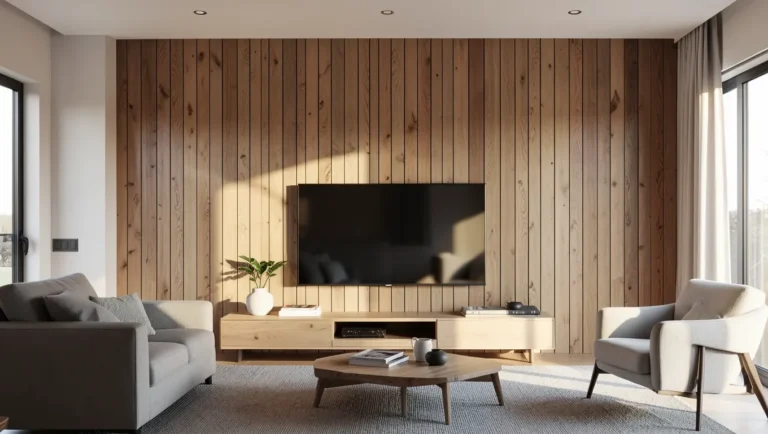
An accent wall adds depth and visual interest to a room with wood floors and gray walls. Consider reclaimed wood panels, stone veneer, or a bold wallpaper design on one wall to create a focal point that draws attention to specific furniture or features.
Choosing Complementary Decor
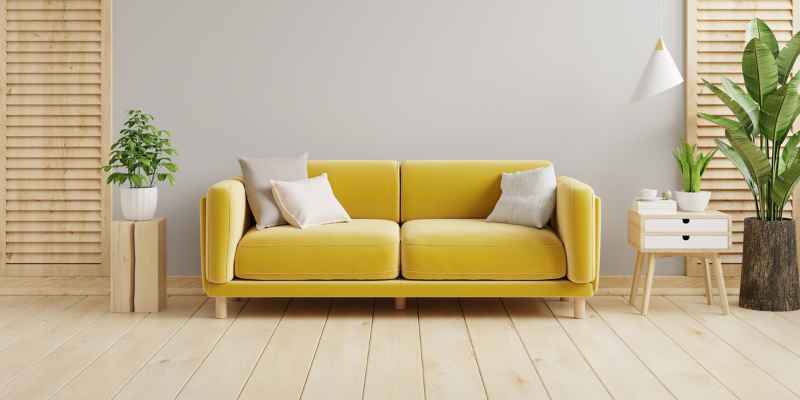
Play with contrasting colors such as teal or mustard yellow to create visual interest against the gray-and-wood base. Incorporate natural elements like plants or woven baskets for texture and warmth, and consider metallic accents such as brass or copper for a touch of polish.
In conclusion, wood floors and gray walls make for a timeless and versatile pairing. By incorporating area rugs, exploring accent wall ideas, and choosing complementary decor, you can enhance the aesthetics of any space. Let the natural warmth of wood and the modern backdrop of gray walls blend seamlessly together.
Frequently Asked Questions
What Color Wood Flooring Goes With Grey Walls?
Lighter shades of wood flooring such as white oak or maple complement most grey walls, cool or warm. The contrast adds warmth and visual interest to the room, and light wood is the most forgiving choice if you haven’t picked a paint undertone yet.
Should Wood Floors Match Or Contrast With Gray Walls?
Contrast, not exact matching. Wood floors and gray walls don’t need to share the same undertone family exactly, but they should stay in the same warm-or-cool family — a cool blue-gray wall next to a very orange-toned floor is the most common mismatch.
What Color Flooring Goes With Agreeable Gray?
Agreeable Gray (SW 7029) leans warm with a green undertone, so it pairs well with dark hardwood as well as greige or warm-toned flooring like honey oak or hickory. Very cool, ashy-gray floors tend to fight its warm undertone rather than complement it.
Does Dark Wood Flooring Work With Light Gray Walls?
It can, but it’s the riskiest combination on this list. Very light, cool gray walls next to very dark, cool-toned floors (like ebony or dark walnut) can feel stark rather than cozy. It works best in larger, well-lit rooms — in a small or dim room, pair dark floors with a warmer or medium-depth gray instead.
Conclusion
Incorporating the right wood floor color with gray walls comes down to matching undertones, not just matching shades. Whether you choose a light, medium, or dark tone, check the gray’s undertone against the wood’s warmth before committing.
By carefully selecting the color of your wood floor and testing real samples against your actual wall, you can create a harmonious and visually appealing interior design. See our flooring guides for more room-specific pairing advice.
Sponsored / affiliate links. As an Amazon Associate I earn from qualifying purchases. I may earn additional commission from eligible campaigns.