Wood Burning Stoves for Corners: A Cozy and Practical Heating Solution for Your Home
Hey there! Let’s talk about something that’s been warming homes and hearts for centuries: wood burning stoves. But not just any stoves—today, I’m diving into the world of wood burning stoves designed specifically for corners. If you’re looking to add warmth, charm, and efficiency to your home, especially in those tricky corner spaces, you’re in the right place. I’ve spent years exploring woodworking, home heating, and cozy design, and I’m excited to share everything I’ve learned about these fantastic stoves. Whether you’re a homeowner in the USA looking to heat a small cabin or a sprawling family home, corner wood burning stoves are a game-changer. Let’s get started and explore why they’re such a great fit for your space!
Why Choose a Wood Burning Stove for a Corner?
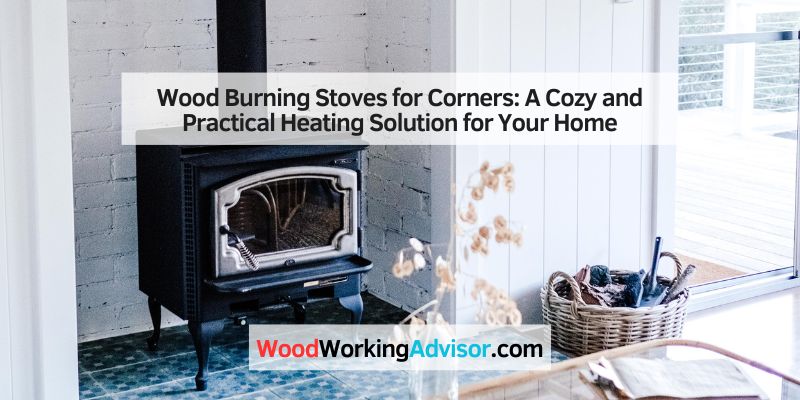
Picture this: a chilly winter evening, snow falling outside, and you’re curled up in your living room with a warm glow coming from the corner. That’s the magic of a corner wood burning stove. These stoves are designed to tuck neatly into the corner of a room, making them perfect for homes where space is at a premium. I’ve seen firsthand how they transform awkward corners into cozy focal points.
Corner stoves save space, which is a big deal if you have a smaller home or cabin. Instead of taking up valuable floor space in the middle of a room, they nestle into a corner, leaving you more room for furniture or decorations. They also radiate heat efficiently, warming up your space without overwhelming it. Plus, they look stunning! The way they fit into a corner gives your room a polished, intentional design. I’ve always loved how they create a natural gathering spot for family and friends.
Another reason I’m a fan is their versatility. Whether your home is modern, rustic, or somewhere in between, there’s a corner stove that matches your style. From sleek steel designs to classic cast iron, these stoves blend function and beauty. And let’s not forget the cost savings—wood is often cheaper than gas or electric heating, especially if you have access to your own firewood.
Types of Wood Burning Stoves for Corners
When I first started researching corner wood burning stoves, I was amazed at the variety available. There are a few main types to consider, each with its own perks. Let me break them down for you.
Catalytic vs. Non-Catalytic Stoves
Catalytic stoves use a special honeycomb-like component to burn off smoke and gases, making them super efficient. They produce less smoke and can burn for hours on a single load of wood. I’ve used a catalytic stove in a friend’s cabin, and it kept the place toasty all night long. The downside? They need a bit more maintenance, like cleaning or replacing the catalytic combustor every few years.
Non-catalytic stoves, on the other hand, are simpler. They rely on clever design features like baffles and air vents to burn wood cleanly and efficiently. I find these easier to use, especially for beginners, because they don’t require as much upkeep. They’re also often more affordable, which is great if you’re on a budget.
Freestanding vs. Insert Stoves
Freestanding corner stoves are standalone units that sit directly on your floor, usually on a non-combustible base like a hearth pad. I love these for their flexibility—you can place them in any corner with proper chimney access. They come in all sorts of styles, from vintage cast iron to modern cylindrical designs.
Insert stoves are designed to fit into an existing fireplace or alcove. If you already have a fireplace in a corner, an insert can upgrade it into a more efficient wood burning system. I helped a neighbor install one, and it completely transformed their drafty old fireplace into a heat powerhouse.
Material Choices: Steel, Cast Iron, and Soapstone
The material of your stove affects both its look and performance. Steel stoves are lightweight and heat up quickly, which is great for smaller spaces. Cast iron stoves, like the ones I’ve seen in cozy mountain cabins, hold heat longer and give off that classic, rustic vibe. Soapstone stoves are a bit pricier, but they’re my personal favorite. They absorb heat slowly and release it evenly over hours, keeping your room warm long after the fire dies down.
| Type | Pros | Cons |
|---|---|---|
| Catalytic | High efficiency, long burn times, low emissions | Requires regular maintenance, higher cost |
| Non-Catalytic | Easy to use, lower cost, less maintenance | Slightly less efficient, shorter burn times |
| Freestanding | Flexible placement, wide style variety, easy to install | Requires more floor space, needs proper chimney setup |
| Insert | Fits existing fireplaces, space-saving, efficient | Limited to fireplace locations, installation can be complex |
| Steel | Lightweight, quick to heat, modern designs | Loses heat faster, less traditional look |
| Cast Iron | Durable, retains heat longer, classic aesthetic | Heavy, takes longer to heat up |
| Soapstone | Even heat distribution, long-lasting warmth, unique look | Expensive, heavier than steel |
Benefits of Installing a Corner Wood Burning Stove
I can’t say enough about why corner wood burning stoves are such a smart choice. Let’s dive into the benefits that make them stand out.
Space-Saving Design
Corners are often underused in homes. I’ve walked into so many living rooms where the corners are just empty or filled with random clutter. A corner stove turns that wasted space into a functional and beautiful feature. It hugs the walls, leaving the rest of your room open for furniture or activities. In my own home, I placed a small corner stove in the living room, and it freed up so much space compared to a central fireplace.
Efficient Heating
These stoves are designed to radiate heat from two walls, spreading warmth evenly across the room. I’ve noticed that even a small corner stove can heat a surprisingly large area—some models can warm up to 1,800 square feet! Plus, modern stoves are built to meet strict EPA standards, so they burn wood more efficiently and produce less smoke. That means you’re getting more heat from less wood, which is great for both your wallet and the environment.
Aesthetic Appeal
There’s something magical about a fire glowing in the corner of a room. It creates a cozy, inviting atmosphere that’s hard to beat. I’ve seen corner stoves in all kinds of homes, from sleek modern lofts to rustic cabins, and they always steal the show. Many models come with large glass windows, so you can enjoy the dancing flames while staying warm. It’s like having a piece of art that also heats your home.
Cost-Effective Heating
If you’re tired of high heating bills, a wood burning stove can be a lifesaver. Wood is often cheaper than gas or electricity, especially if you can source it locally or cut it yourself. I have a friend who lives off-grid and swears by his corner stove—it’s his main heat source, and he spends next to nothing on fuel. Even if you buy firewood, the savings over time can be significant compared to traditional heating systems.
How to Choose the Right Corner Wood Burning Stove
Picking the perfect stove can feel overwhelming with so many options out there. I’ve been through this process myself, so let me share some tips to make it easier.
Consider Your Room Size
The size of your room is a big factor. A stove that’s too small won’t heat your space properly, while one that’s too large can make it feel like a sauna. I learned this the hard way when I first bought a stove that was too big for my small cabin—it was like living in an oven! Most manufacturers list the square footage a stove can heat, so measure your space and check the specs. For example, a stove with 50,000 BTUs can heat around 1,200 to 1,800 square feet.
Match Your Home’s Style
Your stove should complement your home’s vibe. If you have a modern home, go for a sleek steel or cylindrical design. For a rustic or traditional look, cast iron or soapstone stoves are perfect. I helped a friend choose a cast iron stove with ornate details for her farmhouse, and it looks like it was made for the space. Think about colors, too—some brands offer stoves in fun hues like red or green to match your decor.
Check EPA Certification
In the USA, EPA-certified stoves are a must. They’re designed to burn cleaner, producing less smoke and fewer emissions. When I was shopping for my stove, I made sure to look for the EPA label—it’s usually on the back of the stove or in the product details. These stoves are not only better for the environment but also more efficient, so you’ll use less wood.
Budget and Features
Stoves come in a wide price range, from a few hundred dollars to several thousand. Set a budget and decide which features matter most to you. Do you want a stove with a cooking surface? A large viewing window? A built-in blower to circulate heat? I went for a mid-range model with a glass door and a small cooking surface, and it’s been perfect for both heating and the occasional pot of soup.
Installation Tips for Corner Wood Burning Stoves
Installing a corner stove isn’t something you should tackle without planning. I’ve helped with a few installations, and I’ve learned some key things to keep in mind.
Safety First: Clearances and Hearth Pads
Safety is non-negotiable. Corner stoves need specific clearances from combustible materials like walls or furniture—usually at least 18 to 36 inches, depending on the model. I always recommend checking your local building codes and the stove’s manual. You’ll also need a non-combustible hearth pad, like stone or tile, to protect your floor. I used a slate hearth pad for my stove, and it adds a nice rustic touch.
Chimney and Venting
Proper venting is critical. Your stove needs a chimney or stovepipe that meets safety standards. I’ve seen too many people try to cut corners here, and it’s just not worth the risk. Use a UL-listed chimney, and make sure it’s installed correctly to avoid chimney fires. If you’re placing the stove in a corner, you might need a stovepipe that goes through an exterior wall, so plan for that during installation.
Professional Installation vs. DIY
If you’re handy, you might be tempted to install the stove yourself. I’ve done it, but I’ll be honest—it’s not for everyone. There’s a lot to get right, from chimney connections to ensuring proper clearances. Unless you’re confident in your skills, hire a professional. It’s worth the peace of mind knowing your stove is safe and efficient.
Wall Protection
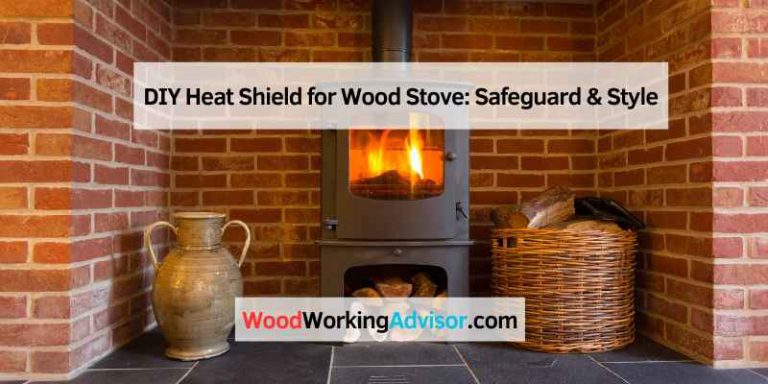
Since corner stoves are close to two walls, you’ll need heat-resistant wall protection. I used a brick backsplash behind my stove, and it looks amazing while keeping things safe. Stone, tile, or metal heat shields are all great options. Just make sure they meet fire safety standards.
Maintaining Your Corner Wood Burning Stove
Once your stove is installed, keeping it in top shape is key. I’ve learned a few tricks over the years to make maintenance easy.
Regular Cleaning
Ash buildup can reduce your stove’s efficiency, so clean it out regularly. I usually remove ashes every few days during heavy use. A thin layer of ash (about an inch) can actually help insulate the firebox, but don’t let it pile up too high. Also, clean the glass door with a damp cloth and some ash—it’s a natural cleaner that works like a charm.
Chimney Sweeping
Creosote buildup in your chimney is a fire hazard, so sweep it at least once a year. I schedule mine every fall before the heating season starts. If you burn a lot of wood, you might need to do it more often. A clean chimney also improves your stove’s draft, making it burn more efficiently.
Check Gaskets and Seals
The gaskets around your stove’s door can wear out over time, letting air leak in and reducing efficiency. I check mine every season and replace them if they’re cracked or loose. It’s a simple fix that makes a big difference.
Use Seasoned Wood
Burning wet or unseasoned wood is a recipe for trouble. It creates more smoke, less heat, and more creosote. I always use wood that’s been seasoned for at least six to twelve months. Hardwoods like oak or maple are my go-to—they burn hot and leave long-lasting coals.
Best Firewood for Corner Wood Burning Stoves
Speaking of wood, let’s talk about the best types for your stove. The right firewood makes all the difference in how well your stove performs.
Hardwoods vs. Softwoods
Hardwoods like oak, maple, and ash are dense and burn hot and slow, giving you long-lasting heat. I love oak for its steady burn and pleasant aroma. Softwoods like pine or cedar ignite quickly, which makes them great for starting a fire, but they burn faster. I usually mix a bit of softwood with hardwood to get the fire going strong.
Seasoning Your Firewood
Seasoned wood is key. Freshly cut wood has too much moisture, which leads to smoky, inefficient fires. I stack my wood in a dry, airy spot, covered on top but open on the sides, and let it season for at least six months. A moisture meter is handy to check that the wood’s moisture content is below 20%.
Stacking and Storing
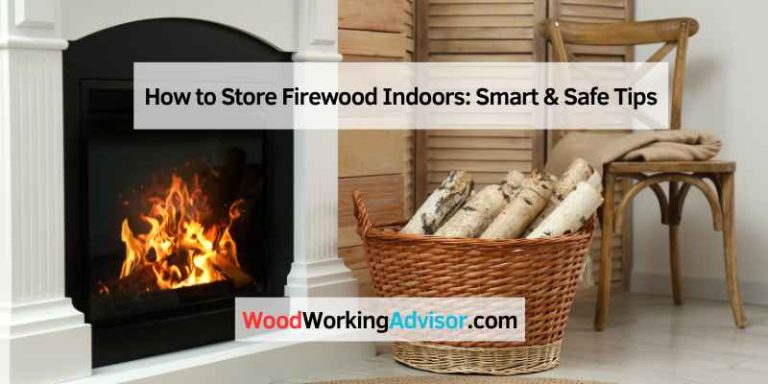
Proper storage keeps your wood dry and ready to burn. I built a simple wood rack outside my house, raised off the ground to prevent moisture buildup. Keep your stack away from your home’s walls to avoid pests, and bring only what you need indoors to keep things tidy.
Enhancing Your Corner Stove’s Look and Functionality
A corner stove is more than just a heater—it’s a design statement. Here are some ways to make it even better.
Decorative Hearth Ideas
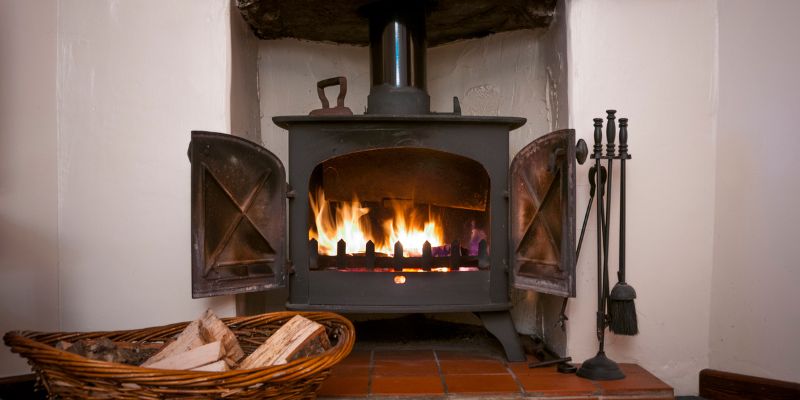
Your hearth can set the tone for the whole room. I’ve seen beautiful hearths made of slate, brick, or even reclaimed wood (with proper heat protection, of course). Add a log storage area nearby for a rustic touch, or decorate with candles and plants for a cozy vibe.
Heat-Powered Fans
Some stoves come with heat-powered fans that sit on top and circulate warm air. I added one to my stove, and it makes a huge difference in spreading heat evenly. They’re powered by the stove’s heat, so no electricity is needed—pretty cool, right?
Colorful Finishes
Modern stoves come in all sorts of colors, from classic black to bold red or green. I saw a bright blue stove in a friend’s home, and it was a total conversation starter. Pick a color that matches your style to make the stove a true focal point.
Conclusion
After diving deep into the world of corner wood burning stoves, I can honestly say they’re one of the best ways to add warmth and charm to your home. They’re practical, space-saving, and oh-so-cozy, turning any corner into a welcoming retreat. Whether you’re drawn to the rustic appeal of cast iron, the sleek look of steel, or the luxurious warmth of soapstone, there’s a stove out there that’s perfect for you. I’ve loved watching my own corner stove transform my living room into a place where my family gathers, laughs, and stays warm all winter long.
By choosing the right stove, installing it safely, and maintaining it properly, you’ll enjoy years of efficient, cost-effective heating. Plus, there’s something so satisfying about stacking wood, tending a fire, and feeling that primal connection to warmth. So, go ahead—find the perfect corner stove for your home and let it bring a little magic to your winters. You won’t regret it!
FAQs
What makes a corner wood burning stove different from a regular stove?
A corner wood burning stove is designed to fit snugly into a corner, with a triangular or angled shape that maximizes space. Regular stoves are often placed centrally or against a single wall, taking up more floor space. Corner stoves are perfect for smaller rooms or homes where you want to keep the layout open.
Are corner wood burning stoves safe for homes?
Yes, they’re safe when installed and maintained properly. Always follow clearance guidelines, use a non-combustible hearth pad, and ensure proper chimney venting. Regular maintenance, like chimney sweeping and checking gaskets, keeps them safe. I always recommend installing smoke and carbon monoxide alarms for extra peace of mind.
How much does a corner wood burning stove cost?
Prices vary widely, from $500 for basic models to $3,000 or more for high-end soapstone or catalytic stoves. Installation costs can add $1,000 to $3,000, depending on chimney setup and labor. I suggest setting a budget and comparing features like heat output and design to find the best value.
Can I install a corner stove in a small room?
Absolutely! Corner stoves are ideal for small rooms because they save space. Just make sure the stove’s heat output matches your room size—check the BTU rating and square footage it can heat. Also, ensure proper clearances and ventilation to keep things safe.
What’s the best wood to burn in a corner stove?
Hardwoods like oak, maple, or ash are best because they burn hot and long. Season the wood for at least six months to reduce moisture. Softwoods like pine can be used to start fires but burn faster. I always check my wood with a moisture meter to ensure it’s below 20% moisture.