Pacific Energy Wood Stoves Review: Models, EPA Ratings & Warranty
Pacific Energy’s current LE and LE2 wood stoves are EPA 2020 certified at 1.6 to 1.9 g/hr and 71 to 75% efficiency, but older Pacific models, including the True North TN19, are not. The “lifetime” warranty also covers parts, not labor. This review compares the current lineup using Pacific Energy’s own spec pages and the EPA certified wood heater database. We have not burned these stoves ourselves, so there are no hands-on claims here.
Why Pacific Energy Stoves Stand Out
Best Stove-Top Thermometer Pick
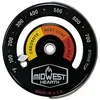 |
Midwest Hearth Magnetic Wood Stove Top Thermometer, $24.95 The color-coded dial shows whether the stove top is in the creosote zone, the best zone or too hot, which is the fastest way to learn how any of the stoves above responds to its air control.
|
As an Amazon Associate we earn from qualifying purchases.
Pacific Energy builds its wood stoves around a few design choices that its technical pages spell out, and they explain most of what the model names mean. These are manufacturer descriptions rather than independent test results, so read them as what the company says each part does.
Floating firebox and baffle
The firebox sits on 304 stainless steel brick-support rails so key parts can expand and contract with heat. Pacific says this reduces metal fatigue and keeps the stove from ticking and pinging as it heats and cools. The removable baffle is a seam-welded 304 stainless steel chamber that preheats secondary combustion air to reburn smoke, with no moving parts.
Extended Burn Technology (EBT) versus ACMS
Most LE models list Extended Burn Technology, which Pacific says regulates secondary airflow using the vacuum the chimney creates. The newer LE2 stoves, such as the Neo 2.5 LE2 and Neo 1.6 LE2, list the Advanced Combustion Management System instead. Pacific describes ACMS as an electronic feedback system that adjusts part of the primary and secondary air automatically, with a low-voltage battery backup. You still set the burn rate with a single-lever air control, but ask a dealer what happens during a power loss on an ACMS model, because that is a different failure mode than a purely mechanical stove.
Cast iron over steel (the Alderlea models)
The Alderlea stoves wrap a steel firebox in cast iron. Pacific says the steel core is free to expand while the cast-iron skin supplies radiant heat, and that this construction is why it can offer a lifetime warranty on a cast stove. The T5 and T6 also list a concealed cooktop that fits a 6 in. by 13 in. pan.
Pacific Energy Stoves: All Models Compared
Pacific Energy publishes firebox size, log length, efficiency and emissions for each stove, but on the spec pages we read it gives a heating area in square feet for only two: the Super LE (“up to 2000 square feet”) and the Vista LE (500 to 1500 square feet). The rest are sorted into small to medium, medium to large and large rooms. The table uses only figures printed on each model’s own Pacific Energy page.
| Model | Room size (Pacific) | Max BTU, cord wood | Firebox (cu ft) | Efficiency (HHV) | Emissions (g/hr) | Weight |
|---|---|---|---|---|---|---|
| Vista LE | Small to medium | 56,000 | 1.6 | 72% | 1.9 | Not listed |
| Alderlea T4 LE | Small to medium | 56,000 | 1.6 | 72% | 1.9 | 405 lb |
| Neo 1.6 LE2 | Small to medium | 54,000 | 1.4 | 75.4% | 1.6 | 350 lb |
| Super LE | Medium to large | 72,000 | 2.1 | 71.3% | 1.8 | Not listed |
| Alderlea T5 LE | Medium to large | 72,000 | 2.1 | 71.3% | 1.8 | 523 lb |
| Neo 2.5 LE2 | Medium to large | 85,000 (peak) | 1.9 | 73% | 1.6 | Not listed |
| Summit LE | Large | 99,000 | 2.5 | 74% | 1.8 | Not listed |
| Alderlea T6 LE | Large | 99,000 | 2.5 | 74% | 1.8 | 585 lb |
Two things stand out. The BTU column is a peak figure on cord wood, and the next sections show how far it sits from the EPA test numbers. And the firebox sizes fall into a handful of groups, so a model name often tells you the finish and styling more than it tells you the heat.
How to choose between them
- Start with the room, not the model. Use a heat-loss estimate rather than the room-size labels alone; our guide on whether a wood burner can heat a whole house walks through real BTU numbers.
- Pick the finish. Traditional (Summit, Super, Vista), cast-iron (Alderlea) and contemporary (Neo and NeoView) are mostly cladding choices. “Classic” models are porcelain-enamel versions of the same firebox.
- Check the generation. LE and LE2 are different certifications with different firebox volumes and emissions, so compare like with like.
- Get the warranty and listing in writing from the dealer, for the exact model and year you are buying.
Same Firebox, Different Name
The EPA database lists Pacific Energy stoves by certification, and one certification often covers several named models. This is the part of the lineup that is easiest to misread, and it also answers a common question about inserts: the insert versions share a certification with their freestanding cousins.
| EPA certification line | Models listed together | Firebox (cu ft) | g/hr | EPA test output (BTU/hr) | Efficiency (HHV) |
|---|---|---|---|---|---|
| Vista LE line | Vista LE, Vista Classic LE, Neo 1.6 LE, Alderlea T4 LE | 1.55 | 1.9 | 13,494-23,186 | 72% |
| Neo 1.6 LE2 line | Vista LE2, Vista Classic LE2, Neo 1.6 LE2, Alderlea T4 LE2, plus inserts | 1.37 | 1.6 | 12,315-30,149 | 75% |
| Super LE line | Super LE, Super Classic LE, Alderlea T5 LE, Super Insert LE | 2.14 | 1.8 | 12,518-38,177 | 71% |
| Neo 2.5 LE2 | Neo 2.5 LE2 and Neo 2.5 Insert LE2 | 1.88 | 1.6 | 13,240-29,536 | 73% |
| Summit LE line | Summit LE, Summit Classic LE, Alderlea T6 LE, Summit Insert LE | 2.50 | 1.8 | 16,102-41,275 | 74% |
In practice, a Summit LE, a Summit Classic LE and an Alderlea T6 LE share one EPA test, so they are the same firebox with different cladding, legs and trim. The same is true of the Super LE and the Alderlea T5 LE. Paying more for a cast-iron or porcelain finish buys appearance, not a different burn.
Marketed BTU Versus EPA Test Output
Pacific’s Summit LE page lists “99,000 BTU Cord Wood” and “41,275 BTU EPA Test Fuel” for the same stove, and the EPA database shows a test output range of 16,102 to 41,275 BTU/hr. Those come from different fuels and burn conditions, so neither is a heating-area rating, and a cord-wood peak from one brand should never be set against another brand’s EPA figure.
Compare within one column. For example, EPA lists the Lopi Liberty NexGen-Hybrid (Travis Industries, a catalytic stove) at 0.9 g/hr, 80% efficiency and a 4.14 cubic foot firebox, against 1.8 g/hr, 74% and 2.5 cubic feet for the Summit LE. The Lopi is cleaner and more efficient on paper but a much larger stove, and efficiency here is a lab figure, not a promise about your living room.
EPA 2020 limit: 2.0 g/hr. New wood heaters made or sold at retail on or after May 15, 2020 must not exceed a weighted average of 2.0 g/hr of particulate (2.5 g/hr under the cord wood alternative). Source: 40 CFR 60.532.
Are Older Pacific Energy Stoves EPA Certified?
An earlier version of this page listed the True North TN19 as EPA 2020 certified. The EPA database says otherwise: it lists the TN19 at 4.1 g/hr with 2020 compliance marked no. Several older Pacific lines read the same way.
| Older Pacific line (EPA listing) | g/hr | EPA test output (BTU/hr) | 2020 compliance |
|---|---|---|---|
| True North TN19 | 4.1 | 10,700-32,900 | No |
| Alderlea T5, Super 27, Spectrum, Fusion (Step D1) | 3.4 | 11,000-34,600 | No |
| Summit, Summit Classic and Alderlea T6 (Series B) | 3.9 | 10,300-37,500 | No |
| Neo 1.6 and Neo 2.5 (pre-LE) | 3.4 and 2.9 | 11,300-33,400 and 11,500-32,600 | No |
| Vista Series C and Alderlea T4 (pre-LE) | 2.9 | 12,400-26,300 | No |
“Super 27” is an old name. The current stoves are the Super LE and the Super 27HD. Not every Pacific stove is catalytic-free either: EPA lists the True North TN25 C as a catalytic stove at 1.1 g/hr and 76% efficiency. If you are buying used, the 2020 limit applies to heaters made or sold new after May 15, 2020, so a pre-2020 stove is a different product. Check local air-quality rules, and see our page on what insurers require for wood stoves.
What the Pacific Energy Warranty Actually Covers
The warranty is the main selling point, so the exact wording matters. The table summarizes the terms published on Pacific Energy’s warranty page for wood products.
| Tier | What it covers | What it leaves out |
|---|---|---|
| Limited lifetime (the page labels it “Limited lifetime (10 years)”) | Parts only: porcelain finish, glass (thermal breakage only), plating, firebox and baffle | Labor charges; firebox rails and heat shields |
| 3-year comprehensive | Parts and labor, including blowers, speed controls and thermal switches | Damage from misuse, abuse, improper installation, accident or lack of maintenance |
| Not warranted at all | Not applicable | Firebrick, gaskets and ceramic fiber blankets |
Coverage goes to the original consumer, and claims run through your dealer with proof of purchase, the purchase date, and the model and serial number. The Super 27HD page also lists an upgraded 5/15 year warranty without giving its terms. Because the lifetime page itself shows a 10-year label, ask the dealer to put the exact term for your model in writing.
Buying and Installing a Pacific Energy Stove
Pacific Energy sells through dealers, and none of the product pages we read list a price. We removed the price ranges that appeared on earlier versions of this page because we could not verify them. Get written quotes that include the stove, the chimney or flue parts, the hearth protection and labor.
Pacific says its stoves are mobile home approved and capable of inside and outside combustion air on the pages we read, but your installation still has to meet local and national codes for the warranty to apply. Rather than repeat clearance numbers here, use our guides to stove pipe installation, fire-resistant wall panels and a DIY heat shield, then check how to vent a wood burner safely. Safety-lab listings are a separate question from emissions; our explainer on Intertek Warnock Hersey certification covers how to read them.
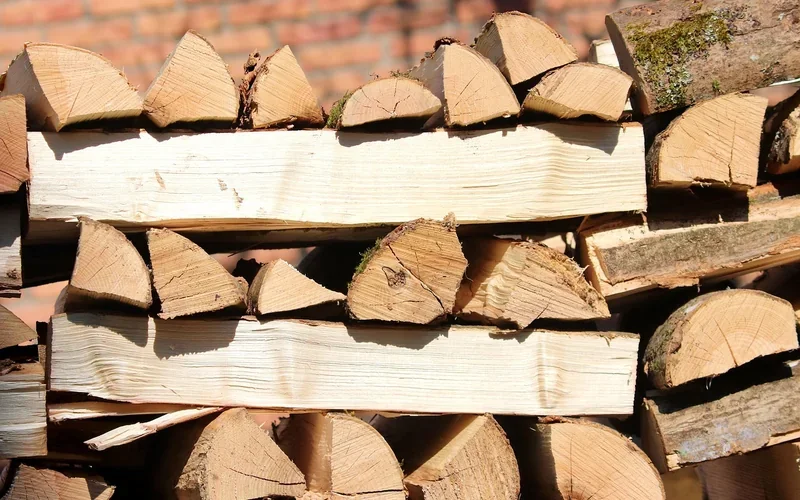
Fuel matters as much as the stove. The federal rule lists unseasoned wood, treated wood and construction debris among prohibited fuels. If you are unsure whether your wood is ready, check its moisture content before the first fire of the season.
Pros and Cons From the Published Data
What the data supports
- Current LE and LE2 stoves are EPA 2020 compliant, with emissions of 1.6 to 1.9 g/hr and lab efficiency of 71 to 75%.
- A three-year parts-and-labor tier sits on top of the lifetime parts tier.
- Pacific publishes firebox volume, log length and emissions for each current model, which makes like-for-like comparison possible.
What to watch for
- The lifetime tier is parts only, and firebrick, gaskets and ceramic fiber blankets are not warranted.
- Burn time is published on only one spec page we read (the NeoView 2.5 LE, at roughly 6 to 10 hours), and heating area on only two.
- Names overlap: LE, LE2, Classic and Insert versions share certifications, and the Neo 2.5 LE and Neo 2.5 LE2 differ in firebox volume.
- LE2 stoves add an electronic combustion system with battery backup, a feature older mechanical designs do not have.
- No retail prices are published, so the real cost depends on your dealer and installation.
Frequently Asked Questions
Are Pacific Energy wood stoves worth the price?
It depends on how you weigh the fine print. The current LE and LE2 stoves are EPA 2020 certified at 71 to 75 percent efficiency, and the warranty adds three years of parts and labor. But the lifetime tier covers parts only, and the product pages we read list no prices, so get written dealer quotes including installation before deciding.
Do Pacific Energy stoves meet EPA standards?
The current LE and LE2 lines do. The EPA database lists them at 1.6 to 1.9 g/hr with 2020 compliance marked yes, under the 2.0 g/hr federal limit. Older Pacific lines, such as the True North TN19 and the pre-LE Super 27 and Summit series, are listed at 3.4 to 4.1 g/hr with 2020 compliance marked no.
Which Pacific Energy stove is best for a small home?
Pacific Energy sorts the Vista LE, Alderlea T4 LE and Neo 1.6 LE2 into its small-to-medium room group, and the Vista LE page says it suits spaces from 500 to 1500 square feet. All three have a firebox of 1.4 to 1.6 cubic feet. Confirm sizing with a dealer heat-loss estimate, because room size alone ignores insulation.
What does the Pacific Energy warranty cover?
Pacific Energy lists a limited lifetime tier for parts only: porcelain finish, glass (thermal breakage only), plating, firebox and baffle. Labor is not covered under that tier. A separate three-year comprehensive tier covers parts and labor, including blowers and electrical components. Firebrick, gaskets and ceramic fiber blankets are not warranted.
Do Pacific Energy wood stoves need electricity?
Not for basic operation on the LE models, which use a manual single-lever air control. The LE2 stoves use the Advanced Combustion Management System, which Pacific Energy describes as an electronic feedback system with low-voltage battery backup. Optional blowers are electrical components under the warranty, so plan for power if you add one.
Can I install a Pacific Energy stove myself?
Pacific Energy warrants only installations done to all local and national codes, and it excludes damage from improper installation. A stove also needs an approved chimney or flue system and a protected floor. Unless you are experienced with clearances and permits, hire a certified installer and ask your building department about inspection.
Sponsored / affiliate links. As an Amazon Associate I earn from qualifying purchases. I may earn additional commission from eligible campaigns.