Wood Eyeglass Frames: Which Woods Work and How They Are Made
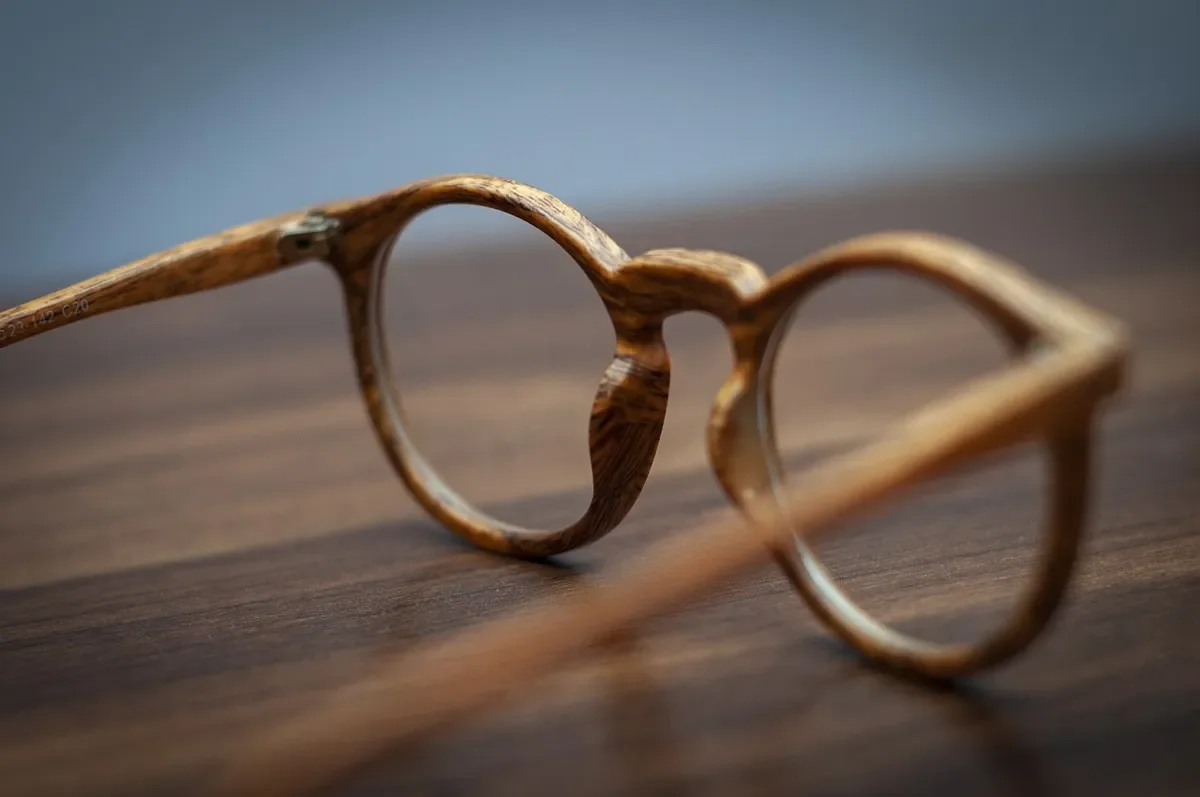
Wood eyeglass frames are real, and they are more hybrid than most product photos suggest. Most pairs are laminated veneer, a wood front with plastic or metal hinges, or a plastic frame with wooden temples. Here is which woods suit the job, how the frames are made, and how to care for them without ruining the finish.
The first thing worth correcting is the claim you see on almost every wood-glasses page, that wood is automatically hypoallergenic. It is not, and the woods most often used for frames are listed as sensitizers. We cover that below, along with a hardness comparison you will not find on the shopping pages.
What Wood Eyeglass Frames Are Actually Made Of
BEST BAMBOO-TEMPLE PICK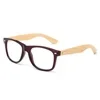 |
Newbee Fashion Real Bamboo Temples Clear Frames Glasses – about $11
|
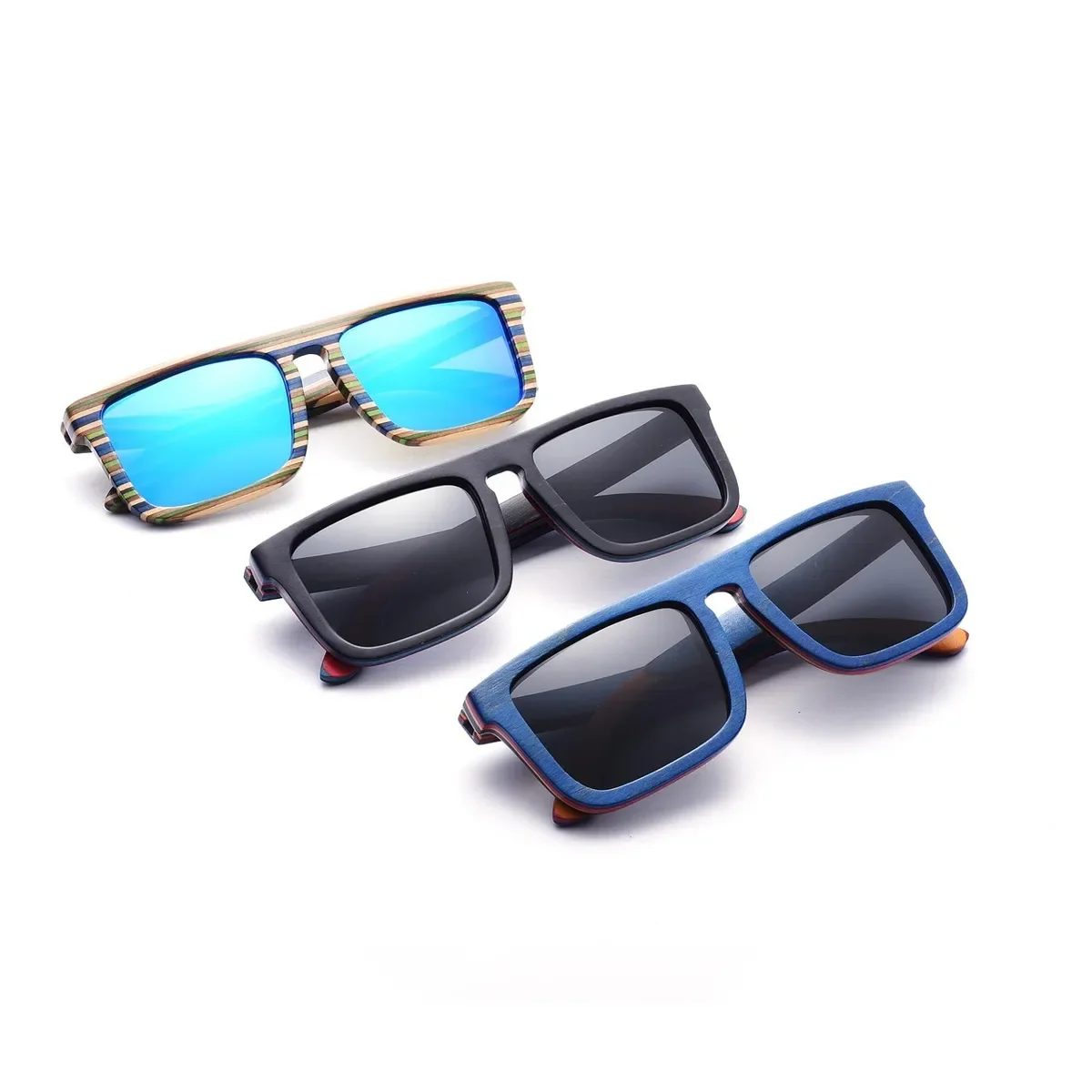
Look closely at a listing and you will usually find one of four constructions. Solid wood is the rarest, because a thin bridge and temple need strength across the grain. Laminated veneer stacks thin sheets with alternating grain, then cuts and sands the shape, which is how the colorful skateboard-style frames are made. Wood-front frames keep a solid or laminated front with metal hinges. Hybrids, like the pick above, use wood only on the temples.
| Construction | How it is made | Trade-off |
|---|---|---|
| Solid wood | Carved or cut from one piece | Best grain display, but the thinnest parts are weakest across the grain |
| Laminated veneer | Thin sheets glued with alternating grain, then shaped | Stronger and more stable, and the layers can be dyed in colors |
| Wood front, metal hinges | Wood front and temples with metal hardware | Hinges take the wear, but metal parts matter if you react to nickel |
| Hybrid | Plastic or metal frame with wooden temples | Cheapest and toughest, but only part of the frame is wood |
Bamboo is popular for temples because it is light and straight-grained, and it is the cheapest way into the category. Walnut is the friendly hardwood for makers, zebrawood is chosen for its stripes, and ebony for its deep color, though ebony has a conservation problem covered below.
Wood Species for Eyeglass Frames Compared
Frames are tiny, thin parts that get flexed every time you put them on, so hardness and machining behavior matter more than they do in furniture. This table uses figures from The Wood Database.
| Wood | Janka hardness | Density | What it means for a frame |
|---|---|---|---|
| Black walnut | 1,010 lbf | 38 lbs/ft3 (610 kg/m3) | Easy to shape and steam bend, glues and finishes well, but the softest of the three, so thin sections dent more easily |
| Zebrawood | 1,830 lbf | 50 lbs/ft3 (805 kg/m3) | Hard enough for small parts and striking stripes, but interlocking grain tears out when planed |
| Gaboon ebony | 3,080 lbf | 60 lbs/ft3 (955 kg/m3) | Extremely hard and polishes well, but dulls cutters and is an IUCN Red List endangered species |
The Janka scale measures the force needed to embed a steel ball into the wood, so it says how well a species resists dents, not how well it resists snapping. Hardness helps a thin part hold its edge, but a very hard, brittle species can still crack at a narrow hinge point. That is why makers often laminate rather than carve solid.
Ebony and the sourcing question
The Wood Database notes that gaboon ebony is on the IUCN Red List as endangered because of a population reduction of over 50 percent across three generations, caused by exploitation, and that Diospyros species from Madagascar are in CITES Appendix II. If sustainability is your reason for buying wood, ask for the species and where it came from rather than trusting the word eco-friendly on the product page.
Are Wood Frames Hypoallergenic?
Not by default. According to The Wood Database, black walnut, zebrawood and the ebony genus are all sensitizers. Severe reactions are uncommon, and the typical complaint is eye and skin irritation, which comes mainly from cutting and sanding the wood and breathing the dust. A sealed, finished frame sits at the low-exposure end of that range, but the finish, the metal hinges and the screws are part of the picture too.
If you know you react to a specific wood, or to nickel in hinges, look for the species and hardware listed on the product page, and buy from a seller with an easy return policy.
How to Choose a Pair
Start with what you want the wood to do. If you only want the look, a hybrid with wooden temples costs far less and survives daily life better. If you want the grain on the front of your face, go for laminated veneer, which resists cracking better than a thin solid section.
Then check the practical points a photo cannot show: whether the seller names the species, whether the frame has a real lens groove if you need prescription lenses, what the hinges are made of, and how the wood is sealed. A vague listing that says only natural wood is a reason to ask questions before you pay.
Finally, be realistic about fit. Wood cannot be bent by an optician the way a warm acetate or metal frame can, so a pair that pinches or slides is harder to adjust. Try before you buy where you can, or buy from a seller that accepts returns.
Making Your Own Frames: What a Woodworker Should Know
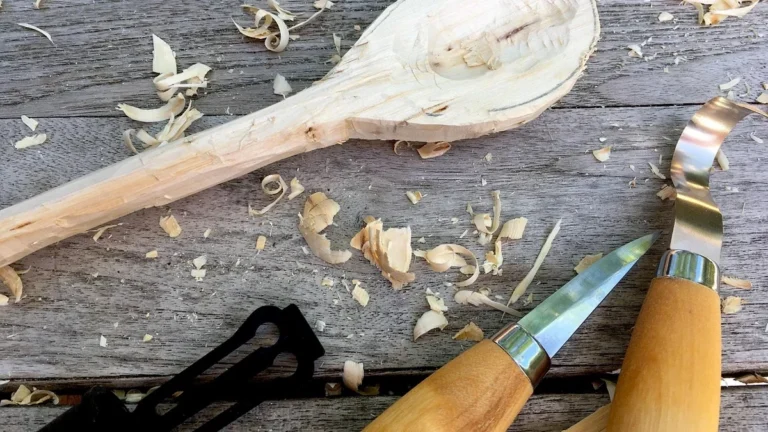
Frames are a serious small-scale project. Zebrawood saws well but tears out when planed because of interlocking grain, walnut works easily with straight grain and takes steam bending, and ebony dulls cutters. Sharp blades and patient sanding matter more than any single tool. Wear a dust mask, because the same sensitizer notes apply to you at the bench.
Finish matters more on eyewear than on almost any other wood item, since the frame sits against skin, sweat and sunscreen. Our guide to the best wood finish for sunglasses covers oil, wax and UV-cured coatings in detail.
If you are curious how the striped species looks in solid form, see our explainer on whether zebrawood is a hardwood.
How to Care for Wood Eyeglass Frames
Cleaning
Wipe with a soft, dry microfiber cloth. For grime, use a barely damp cloth and dry the frame right away. Avoid alcohol wipes, ammonia glass cleaners and soaking, which can strip the finish and let moisture into the grain.
Refreshing the finish
An oil or wax finish wears down with handling. When the surface looks dull or dry, rub in a very thin coat of a food-safe oil or wax and buff off the excess. Factory UV-cured coatings should not be oiled, so check what your maker used first.
Storage
Keep frames in a hard case, out of hot cars and direct sun. Heat and rapid humidity swings cause wood to move, which can loosen hinge screws or crack thin sections.
Frequently Asked Questions About Wood Eyeglass Frames
Are wood eyeglass frames durable?
They can be, but durability depends on construction more than on the species. Solid wood is stiff yet can snap at a thin bridge or hinge if it is dropped or sat on, so many makers laminate thin veneers with the grain running in alternating directions, or pair a plastic or metal core with wood only on the temples or front. Expect to treat them more gently than titanium or acetate.
Are wooden eyeglass frames hypoallergenic?
Not automatically. The Wood Database lists black walnut, zebrawood and the ebony genus as sensitizers, although severe reactions are uncommon and the usual complaint is eye and skin irritation, mostly from working the wood and breathing the dust. A sealed, finished frame is a different exposure, but if you already react to a specific wood, or to the metal hinges and screws, check the species and hardware before buying.
Can wood eyeglass frames get wet?
Brief exposure to rain or a splash is usually fine on a sealed frame, but repeated soaking, sweat and heat can swell the wood and wear down the finish. Wipe them dry, keep them out of a hot car, and refresh an oil or wax finish when the surface looks dry.
Can an optician put prescription lenses in a wood frame?
Often yes, provided the frame has a proper lens groove and enough thickness to hold the lens securely, but not every wood frame is built for it. Ask the optician before you buy, especially for strong prescriptions, and confirm the return policy if the lenses cannot be fitted.
Bottom Line
Wood eyeglass frames are a legitimate, good-looking choice if you accept that most are hybrids and that they need gentler handling than acetate or titanium. Match the wood to the job, ask which species you are getting, and do not assume wood is automatically hypoallergenic or eco-friendly.
Sponsored / affiliate links. As an Amazon Associate I earn from qualifying purchases. I may earn additional commission from eligible campaigns.