Harbor Freight Wood Lathe: Central Machinery 10×18 Review
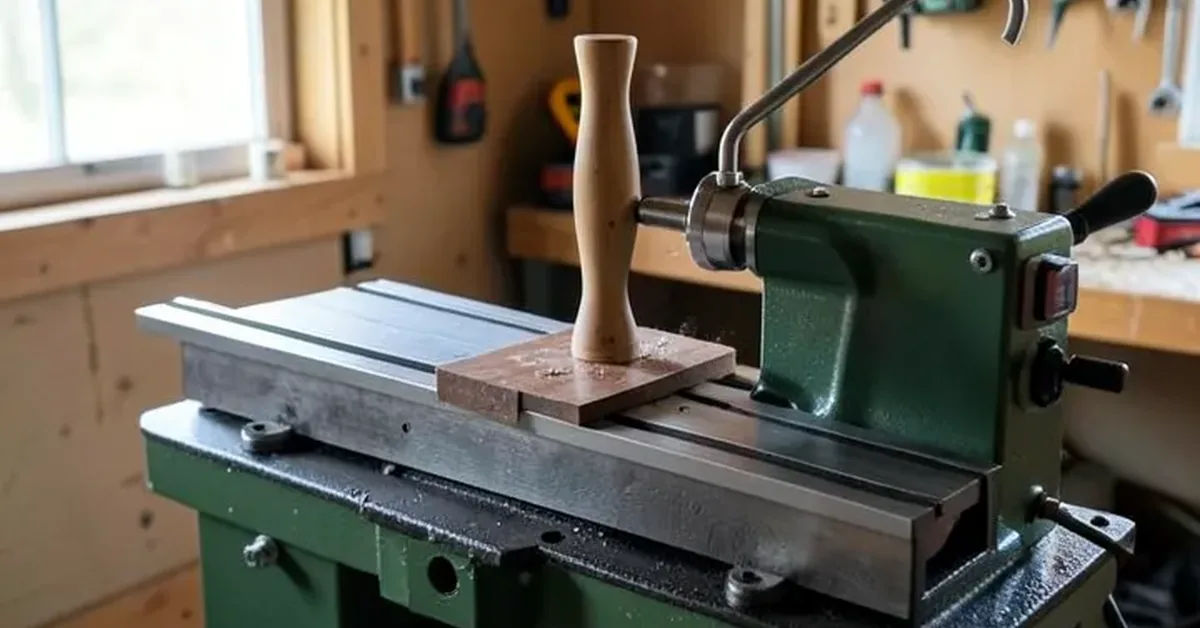
Harbor Freight’s wood lathe is the Central Machinery 10 in. x 18 in. benchtop model (item #58358), priced at $279.99 with a 1/2 HP, 3.3-amp motor and five speeds from 760 to 3,200 RPM. It’s a genuinely capable beginner lathe for spindles, pens, and small bowls under 10 inches in diameter — but it isn’t the machine to buy if you’re planning to turn large bowls or run it daily in a production shop. This guide covers real specs, what it does and doesn’t handle well, setup and safety steps, and what else you’ll need to buy before your first project.
Central Machinery 10″ x 18″ Wood Lathe: Specs and Price
Best Turning Chisel Set to Pair With It
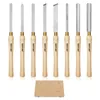 |
HURRICANE 8pc Wood Lathe Chisel Set (M2 HSS) – $79.18 The Central Machinery lathe ships with a faceplate, live center, and spur center, but no turning chisels — you’ll need a separate gouge/skew/parting-tool set before you can actually turn anything.
|
As an Amazon Associate we earn from qualifying purchases.
Harbor Freight sells this lathe under its in-house Central Machinery brand as item #58358. It’s built around a cast-iron bed with nonslip rubber feet, and it ships with the accessories most beginners actually need to get a spindle mounted — but not the cutting tools themselves.
| Spec | Value |
|---|---|
| Price | $279.99 |
| Motor | 1/2 HP, 3.3 amps, 110V single-phase |
| Speeds | 5-speed: 760, 1100, 1600, 2200, 3200 RPM |
| Capacity | 10″ diameter × 18″ length |
| Weight | 71.75 lbs |
| Included accessories | 3″ faceplate, 6″ tool rest, knockout bar, 3 hex wrenches, live center, spur center, accessory holder |
📊 The lathe does not include any turning chisels — only the faceplate, live center, and spur center for mounting a workpiece. Budget for a separate gouge/skew/parting-tool set as part of the actual purchase cost, not an optional add-on.
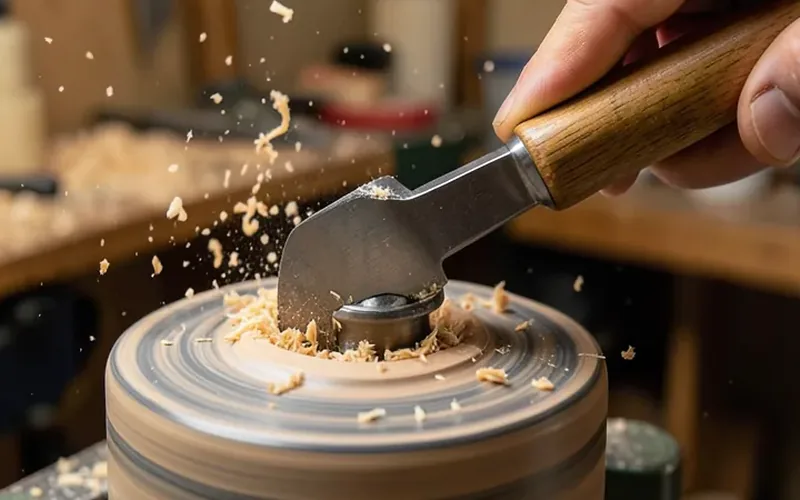
What It Handles Well — and What It Doesn’t
Reviewers consistently describe this lathe the same way: fine for a beginner learning the basics, not a machine you’d hand a professional turner. That’s an honest assessment, not a knock — the 10″ swing and 1/2 HP motor are simply sized for hobby-scale work.
- Good for: pens, bottle stoppers, spindles, table legs, small bowls and platters under 10″ diameter, and learning fundamental turning technique.
- Not designed for: large bowls or platters over 10″, green (wet) hardwood blanks that put heavy load on a 1/2 HP motor, or daily production use where a heavier cast-iron industrial lathe holds up better.
- Common upgrade path: many hobbyists start on this lathe, outgrow the 10″ capacity within a year or two, and move up to a midi or full-size lathe once they know turning is a hobby they’ll stick with — which makes it a reasonable low-risk way to find out.
Setting Up and Using the Lathe Safely
Most first-time issues with a benchtop lathe come from skipping setup steps, not from the machine itself.
- Bolt the lathe to a bench or stand: at 71.75 lbs it’s heavy enough to sit still at low speed, but vibration at higher RPM will walk an unsecured lathe across a bench.
- Mount the blank and check clearance: spin the blank by hand before turning on the motor to confirm it clears the tool rest and bed at every point in its rotation.
- Start at the lowest speed for rough, unbalanced blanks: use 760 RPM for roughing an out-of-round blank down to round, then step up through the five speeds as the piece balances out.
- Wear a full face shield, not just safety glasses: a chunk of wood breaking loose at 3,200 RPM is a real risk that glasses alone don’t fully guard against.
- Keep the tool rest close to the workpiece: re-adjust it as the diameter changes so the chisel is always well-supported instead of reaching across a gap.
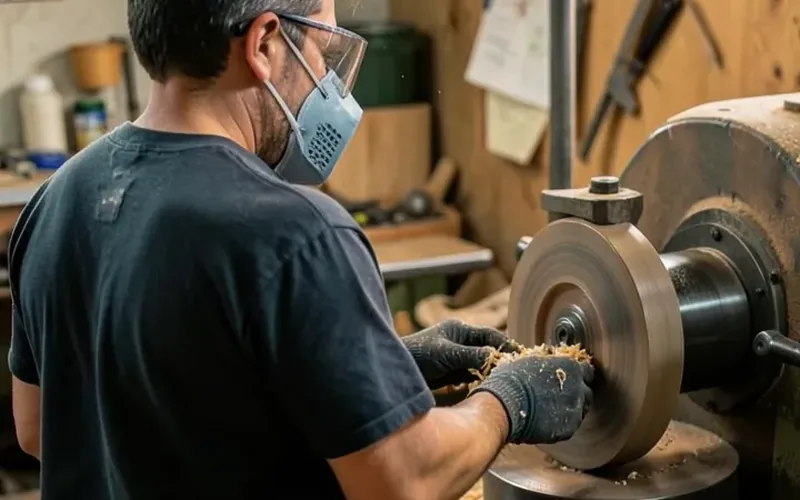
“The single biggest mistake I see beginners make on a benchtop lathe like this one is roughing an unbalanced blank at too high a speed. Start at the lowest speed until the blank is round and balanced, then work up — it’s not a step to skip to save time.”
Frequently Asked Questions
What tool do you use on a wood lathe?
Turning chisels called gouges are used to shape and cut wood while it spins on the lathe. Skew chisels, parting tools, and scrapers handle different cuts — none of these come with the Harbor Freight lathe itself, so plan to buy a set separately.
What are the four basic tools you need when using a wood lathe?
A bowl or spindle gouge, a skew chisel, a parting tool, and a scraper cover most beginner projects. An 8-piece set typically adds a roughing gouge and a second skew size for more control.
Is the Harbor Freight wood lathe good for beginners?
Yes, for learning fundamentals on pens, spindles, and small bowls under 10″ diameter. It isn’t built for large bowls, green hardwood, or daily production use — most hobbyists outgrow it within a year or two if they stick with turning.
What do you need to start with a wood lathe?
You need the lathe itself, a wood blank, a set of turning chisels (not included with the Harbor Freight lathe), safety glasses or a face shield, and a dust mask. The lathe ships with a faceplate, live center, and spur center for mounting the blank.
Conclusion
Harbor Freight’s Central Machinery 10″ x 18″ wood lathe ($279.99, item #58358) is a legitimate way to try woodturning without a big investment — as long as you go in knowing it’s sized for pens, spindles, and small bowls, not large-scale or daily production work, and that you’ll need to buy turning chisels separately before you can make your first cut.
Sponsored / affiliate links. As an Amazon Associate I earn from qualifying purchases. I may earn additional commission from eligible campaigns.