Best Wood for an Outdoor Table (Teak vs Cedar vs Acacia Cost)
Teak resists rot and insects better than any other outdoor-table wood, needing oil only every 2 to 6 months outdoors — but pressure-treated pine costs a third as much and still lasts 10-15 years with an annual sealant coat. Picking wrong means refinishing every season or a table that cups within a year. This guide compares wood types by cost, weather resistance, and how often each actually needs care.
Choosing the Right Wood for Your Outdoor Table
Best Wood Outdoor Table Pick
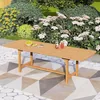
PHI VILLA Teak Outdoor Table, Expandable Wood Table w/Umbrella Hole
Solid acacia-and-teak-finish construction that extends from 63″ to 94.5″ for larger gatherings, with a built-in umbrella hole.
- Best for: households that need a 6-person table most days and 8-person capacity for parties
- Why we picked it: mid-range price for an expandable design, and the oil-finish coating is already applied at the factory
- Main drawback: still needs a furniture cover or seasonal reapplication like any oil-finished wood table
Compare more wood outdoor table options
 Premium Teak Modway Eleni 89″ Outdoor Teak Wood Dining Table
|
 Budget Acacia Expandable Acacia Wood Outdoor Dining Table
|
 Lowest Price YEFU Outdoor Dining Table for 6, Teak Finish
|
As an Amazon Associate we earn from qualifying purchases.
The wood you pick decides how often you’ll be out there with a sealant brush, not just how the table looks on day one. Dense, oil-rich hardwoods shrug off moisture and insects on their own; softer or drier woods need a maintenance schedule to match.
Types of Wood for Outdoor Tables
- Teak — highest natural oil content, most rot- and insect-resistant, can be left unfinished
- Ipe (Brazilian walnut) — denser than teak, rarely needs oiling, very heavy
- Cedar — naturally rot-resistant, lightweight, needs an annual sealant to hold its color
- Redwood — similar resistance to cedar, more prone to fading without a UV-blocking finish
- Acacia — attractive grain and lower cost, but cracks if oil isn’t reapplied twice a year
- Pressure-treated pine — the softwood itself isn’t rot-resistant; the chemical treatment is doing the work, so sealant coverage matters more here than on any other wood on this list
Factors to Consider When Selecting Wood
- Resistance to moisture and rot without a coating
- How often you’re realistically willing to reseal or oil it
- Whether the table sits fully exposed or under a covered patio
- Weight — ipe and teak are dense enough that a large table isn’t easy to move solo
- Budget, both upfront and for replacement finish over the years
Wood Type Cost and Maintenance Comparison
Sticker price only tells part of the story — a cheaper table that needs sealant twice a year can cost more in time and product over a decade than a pricier one that needs almost none. Here’s how the common outdoor-table woods actually compare:
| Wood | Relative Cost | Finish Frequency (Uncovered) | Typical Outdoor Lifespan |
|---|---|---|---|
| Teak | $$$$ | Optional — oil every 2-6 months only if you want to keep the golden color; left bare it just grays | 25+ years |
| Ipe | $$$$ | Optional — rarely needs oil | 25-40 years |
| Cedar | $$ | Sealant/stain once a year | 15-20 years with care, 5-7 without |
| Redwood | $$$ | Sealant every 1-2 years | 15-25 years |
| Acacia | $$ | Oil every 6-12 months — skipping it leads to surface cracking | 8-12 years |
| Pressure-treated pine | $ | Sealant every 1-2 years, non-negotiable | 10-15 years |
If the table sits under a covered patio out of direct rain, every wood on this list stretches its finish interval — teak owners report going a full 12 months between oilings once the table is covered, versus 2-3 months for one left fully exposed through a rainy season.
Designing Your Outdoor Table
Once the wood is settled, style and size decide how the table actually fits your space. Rustic designs lean on distressed finishes and muted tones; modern tables favor clean lines and neutral color; farmhouse styles mix a casual look with heavier joinery. All three hold up equally well outdoors — the wood species matters more for durability than the style does.
Customization Options
Beyond wood species, three choices shape the finished table: a color stain that protects the wood while adjusting its tone, a size and shape chosen to fit the patio rather than the showroom floor, and built-in features like an umbrella hole or a drink rail for regular outdoor dining.
Maintaining Your Wood Outdoor Table
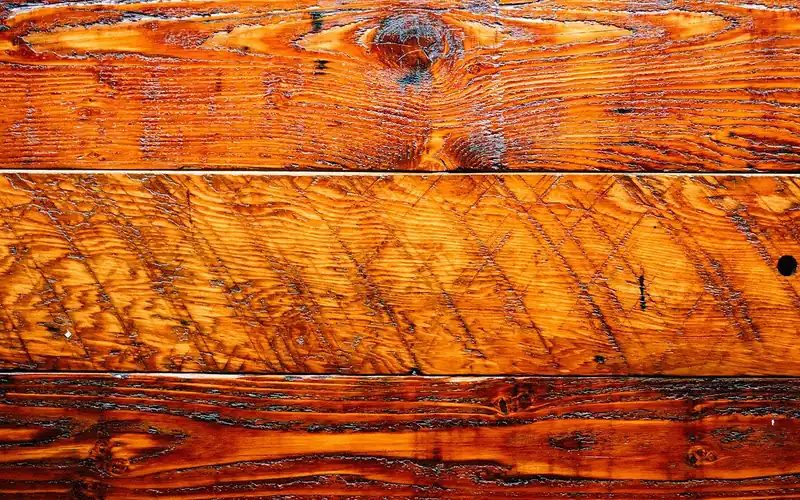
Teak and ipe contain natural oils and dense grain that resist moisture, rot, and insects on their own — teak has been used in shipbuilding for centuries specifically because of this. Cedar and redwood rely on their own natural oils too, but fade and gray faster without a topcoat. Acacia and pressure-treated pine need the most consistent care, since neither is naturally as weather-resistant as the hardwoods above.
Care Routine by Season
- Clean monthly: follow the same outdoor furniture wash routine you’d use on any patio piece — mild soap solution and a soft brush to remove dirt, pollen, and bird droppings before they stain the grain.
- Reapply finish on schedule: use the Finish Frequency column above as a baseline — check twice a year and reapply sooner if the wood starts graying or feels dry to the touch.
- Cover or store for winter: a breathable furniture cover, or moving the table to a garage or covered porch, cuts finish reapplication frequency roughly in half.
- Shade from direct sun: an umbrella or shaded placement slows UV fading regardless of wood species.
Enhancing Your Patio Space
A wood table sets the anchor for the patio, but a few accessories finish the look and add real function — shade, seating comfort, and evening light.
| Accessory | What It Adds |
|---|---|
| Outdoor umbrella | Shade during the day and less UV fading on the tabletop finish |
| Weather-resistant rug | Defines the seating area and adds comfort underfoot |
| Outdoor cushions | Softens bench or chair seating — choose quick-dry foam for rain-prone climates |
| String lights or lanterns | Extends usable time into the evening for dinners and gatherings |
Potted plants around the table — palms, ferns, or flowering perennials — add greenery without competing for tabletop space, but keep watering cans and hoses away from the table’s finish to avoid water spots.
Frequently Asked Questions About Wood Outdoor Tables
What’s the difference between teak and acacia for an outdoor table?
Teak contains more natural oil and resists rot, insects, and moisture without any finish, while acacia has an attractive grain but cracks on the surface if it isn’t oiled roughly twice a year. Teak costs noticeably more upfront; acacia is the budget-friendlier hardwood choice if you’re willing to keep up the oiling schedule.
Does a wood outdoor table need to be covered in winter?
Yes, for anything other than teak or ipe. A breathable furniture cover, or moving the table to a garage or covered porch, prevents standing snow and ice from soaking into open grain and roughly halves how often you’ll need to reapply sealant or oil in spring.
How long does an untreated wood outdoor table last outside?
It depends entirely on the species. Untreated teak or ipe can last 20+ years since their natural oils do the protecting; untreated pressure-treated pine or acacia will gray, crack, and soften within 2-4 years without any sealant, since neither wood is naturally weather-resistant enough to go without one.
What are the benefits of having a wood outdoor table?
A wood outdoor table adds a natural, warm look that most synthetic materials can’t match, and the right species is genuinely durable outdoors for decades. Wood tables are also easy to protect from scratches and, if the finish does get neglected, restore rather than replace.
How do I clean and maintain a wood outdoor table?
Wipe it down with a damp cloth and mild soap, avoiding harsh chemicals or abrasive scrubbers that strip the finish. Reapply the appropriate sealant or oil on the schedule for your specific wood species, and cover the table during harsh weather to extend the interval between treatments.
For a deeper look at how each species handles outdoor exposure long-term, see our wood types guide, or check our notes on caring for acacia outdoor furniture specifically.
Conclusion
Teak and ipe cost the most upfront but need the least ongoing care; cedar, redwood, acacia, and pressure-treated pine cost less but require a real sealant or oiling schedule to hit the lifespans in the table above. Match the wood to how much maintenance you’re actually willing to keep up with, and the table below will outlast the patio furniture trends around it.
Sponsored / affiliate links. As an Amazon Associate I earn from qualifying purchases. I may earn additional commission from eligible campaigns.