My Cozy Wood Stove Journey
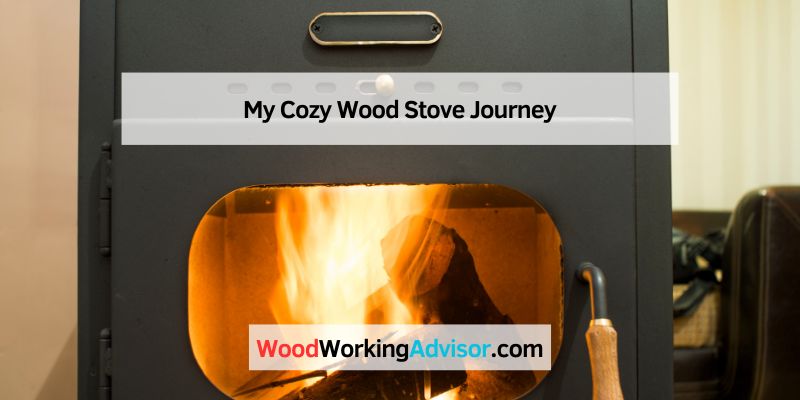
I love my wood stove. It warms my home and feels so cozy. But one day, a spark jumped out and scorched my floor! That’s when I learned about wood stove floor protection ideas. This article shares easy ways to keep your floor safe. I’ll tell you what works, how to do it, and mistakes to avoid. Whether you’re new or experienced, you’ll find simple tips here. Let’s make your wood stove safe and stylish!
What Are Wood Stove Floor Protection Ideas?
Wood stove floor protection ideas are ways to keep your floor safe from heat and sparks. They stop fires and make your home look nice. A hearth pad is a common choice. It’s a flat, fireproof surface under your stove. I learned this after my spark scare. Protecting your floor is super important for safety.
Why You Need Floor Protection
Wood stoves get very hot. Sparks can fly out when you open the door. Without protection, your floor could burn. This is especially true for wood or carpet floors. A good hearth pad stops embers and heat. It also meets safety rules, like those from the NFPA. I didn’t want to risk a fire, so I got one.
Types of Floor Protection
There are two main types of hearth pads. Type 1 stops sparks. Type 2 stops both sparks and heat. Type 2 is better for hot stoves. I chose a Type 2 pad because my stove gets super hot. Each type uses different materials, like tile or stone. Let’s look at some options.
Type 1: Ember Protection
Type 1 pads catch sparks. They’re good for stoves with legs. Materials like slate or metal work well. They’re thin and easy to install. My friend uses a slate pad. It looks great and keeps her floor safe.
Type 2: Heat and Ember Protection
Type 2 pads block heat and sparks. They’re thicker and have an R-value. R-value measures how well they stop heat. My Type 2 pad has an R-value of 1.0. It keeps my wood floor cool and safe.
Materials for Hearth Pads
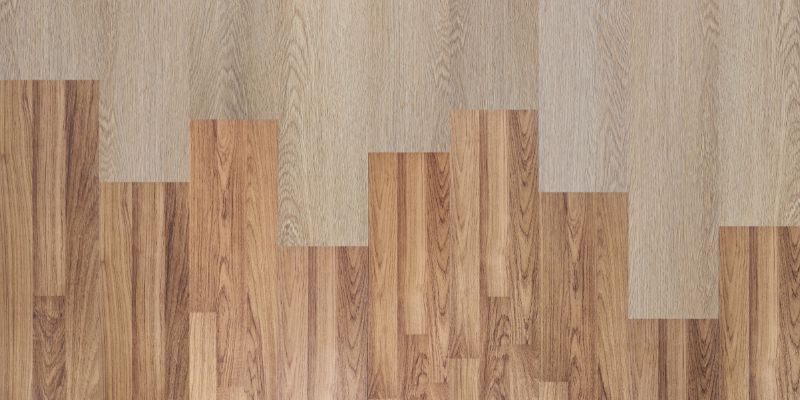
You can pick from many materials. Each has pros and cons. Here’s a table to help you choose.
| Material | Pros | Cons | Cost |
|---|---|---|---|
| Ceramic Tile | Easy to clean, colorful | Can crack if heavy | $50-$200 |
| Slate | Looks natural, durable | Heavy, pricey | $100-$300 |
| Steel | Strong, modern look | Can rust | $75-$150 |
| Brick | Classic, heat-resistant | Hard to install | $80-$250 |
Caption: Compare popular hearth pad materials for your wood stove.
How to Choose the Right Hearth Pad
Pick a pad that fits your stove and room. Check your stove’s manual for size rules. My stove needs a pad 18 inches bigger on all sides. Also, think about your floor type. Wood floors need more protection than concrete. I chose a slate pad for my wood floor. It looks nice and works well.
Step-by-Step Guide to Install a Hearth Pad
Installing a hearth pad is easy. Here’s how I did it.
- Measure your stove and floor area.
- Pick a fireproof material, like tile or slate.
- Buy a pad or make one with cement board.
- Place the pad on the floor.
- Secure it with screws or weight.
- Check it’s flat and stable.
I used a store-bought slate pad. It took me one hour!
DIY Hearth Pad Ideas
You can make your own hearth pad. It saves money and looks custom. I built one with tiles and cement board. Here are three easy ideas.
Tile and Cement Board Pad
Use ceramic tiles on a cement board. It’s fireproof and cheap. I spent $60 on materials. Glue tiles with heat-safe adhesive. Add spacers for air flow. This pad looks colorful and protects well.
Slate and Metal Frame
Slate is heavy but looks great. I framed mine with steel for a modern look. It cost $120 but feels sturdy. Slate is naturally fire-resistant. It’s perfect for a rustic home.
Brick and Mortar Pad
Brick pads are classic. Stack bricks on a cement base. Use heat-safe mortar. My neighbor made one for $100. It’s durable but takes time to build.
| DIY Idea | Materials Needed | Time to Build | Cost |
|---|---|---|---|
| Tile Pad | Tiles, cement board, adhesive | 2 hours | $50-$80 |
| Slate Pad | Slate, metal frame, screws | 3 hours | $100-$150 |
| Brick Pad | Bricks, mortar, cement base | 5 hours | $80-$120 |
Caption: Compare DIY hearth pad ideas for cost and time.
Safety Tips for Wood Stove Floors
Safety is key with wood stoves. Here are my top tips.
- Check R-value: Make sure your pad stops heat. Type 2 pads need an R-value of 1.0 or higher.
- Keep space clear: Don’t put rugs near the stove. Sparks can land on them.
- Follow codes: Check NFPA 211 rules for safe installation. I read them online.
I once forgot to clear space around my stove. A towel caught a spark! Never again.
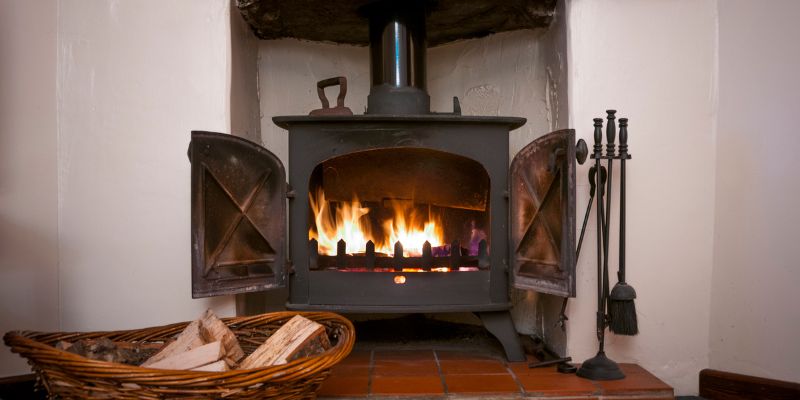
Common Mistakes to Avoid
I made mistakes when I started. Don’t do these.
- Wrong size pad: Too small pads don’t protect enough. Check your stove’s manual.
- Skipping R-value: Low R-value pads can let heat through. My first pad was too thin.
- Ignoring looks: Pick a pad that matches your room. An ugly pad stands out.
Visual Ideas for Better Understanding
I suggest these visuals to help.
- A diagram showing pad sizes around a stove.
- A photo of a tiled hearth pad in a cozy room.
- A chart comparing Type 1 and Type 2 pads.
These would make ideas clearer, but I can’t include them here.
Benefits of Good Floor Protection
A good hearth pad keeps your home safe. It stops fires and heat damage. It also looks nice and adds value. My slate pad makes my living room cozy. Plus, it meets safety codes, so I worry less.
Drawbacks to Consider
Some pads are heavy or costly. Slate and brick need strong floors. DIY pads take time. I spent a weekend building mine. Store-bought pads can be pricey, too. Weigh costs before you choose.
My Personal Tips
Here’s what I learned.
- Shop sales: I found my slate pad on sale for $90.
- Ask experts: My local stove shop gave free advice.
- Test fit first: Place your pad before fixing it. I moved mine twice!
These tips saved me time and money.
| Tip | Why It Helps | Example |
|---|---|---|
| Shop sales | Saves money | Got slate for $90 |
| Ask experts | Gets clear advice | Shop explained R-value |
| Test fit | Avoids mistakes | Moved pad twice |
Caption: My top tips for choosing and installing hearth pads.
Other Options to Explore
You can try other ideas. A raised metal pad adds air space for heat protection. A floating pad uses fewer screws to save your floor. I saw a cool glass pad online, but it’s pricey. Check what fits your budget and style.
Frequently Asked Questions
What is a hearth pad?
A hearth pad is a fireproof surface under your wood stove. It catches sparks and stops heat from burning your floor. Materials like tile or slate work best. Check your stove’s manual for size and type. I use a slate pad for my stove.
Do I need a Type 2 hearth pad?
Type 2 pads stop both heat and sparks. You need one if your stove gets very hot. Check the R-value in the manual. My Type 2 pad keeps my wood floor safe.
Can I use a rug under my stove?
No, rugs can catch fire from sparks. Use a fireproof hearth pad instead. I learned this after a spark hit my towel. Always keep the area clear.
How big should my hearth pad be?
Your pad should be 18 inches larger than your stove on all sides. Check your stove’s manual for exact sizes. My pad is 4×6 feet for my big stove.
Can I make my own hearth pad?
Yes, you can build one with tiles or slate. Use a cement board base and heat-safe glue. My DIY tile pad cost $60 and looks great. Follow safety codes.
What’s the cheapest floor protection?
A simple tile pad is cheapest, around $50-$80. Check sales or use leftover tiles. I saved money by buying tiles on clearance. It’s safe and affordable.
How do I clean my hearth pad?
Wipe it with a damp cloth. Use mild soap for tough spots. My slate pad cleans easily with water. Avoid harsh chemicals to keep it looking nice.
Conclusion
Wood stove floor protection ideas keep your home safe and cozy. From slate to DIY tile pads, there are many options. Pick one that fits your style and budget. Follow safety rules to avoid mistakes. I love my slate pad—it’s safe and stylish. Try building or buying one today. Share your ideas or ask