2 1/4-Inch Unfinished Hardwood Flooring: Grades, Sizing & Cost
2 1/4-inch unfinished hardwood flooring is the classic American strip width — 3/4 inch thick, solid wood, sold with no factory stain — available in four grades from Select & Better down to #3 Common. Buying the wrong grade, or installing it below grade where solid strip flooring is not rated to go, wastes money on returns and rework. This guide covers the four grades, bundle-coverage math, Janka hardness by species, and unfinished-vs-prefinished cost tradeoffs.
Quick Answer
2 1/4-inch unfinished hardwood flooring is 3/4-inch-thick solid strip flooring sold in four grades — Select & Better down to #3 Common — most commonly in red oak or white oak. A bundle covers roughly 15.75 to 19.5 sq ft depending on the mill, and it must be installed on or above grade — never in a basement without engineered flooring instead.
What Is 2 1/4-Inch Unfinished Hardwood Flooring?
Best Flooring Nailer Pick

Bostitch Pneumatic Flooring Nailer/Stapler
Interchangeable base plates handle 1/2-inch to 3/4-inch flooring, so it works on 2 1/4-inch strip flooring at any grade.
- Best for: Nail-down installs of 3/4-inch solid strip flooring
- Why we picked it: Base plates fit the exact thickness this article covers, from a brand with wide parts availability
- Main drawback: Requires an air compressor; not a cordless tool
Compare more flooring nailer options
 Option 1 3PLUS 4-in-1 Flooring Stapler/Nailer
|
 Option 2 NuMax Dual-Handle Flooring Nailer/Stapler
|
 Option 3 DEWALT 2-in-1 Flooring Stapler
|
As an Amazon Associate we earn from qualifying purchases.
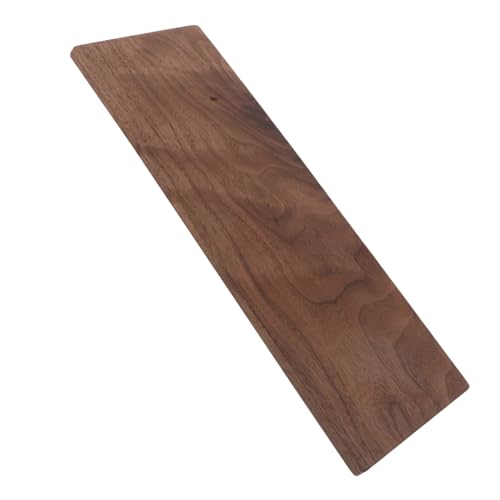
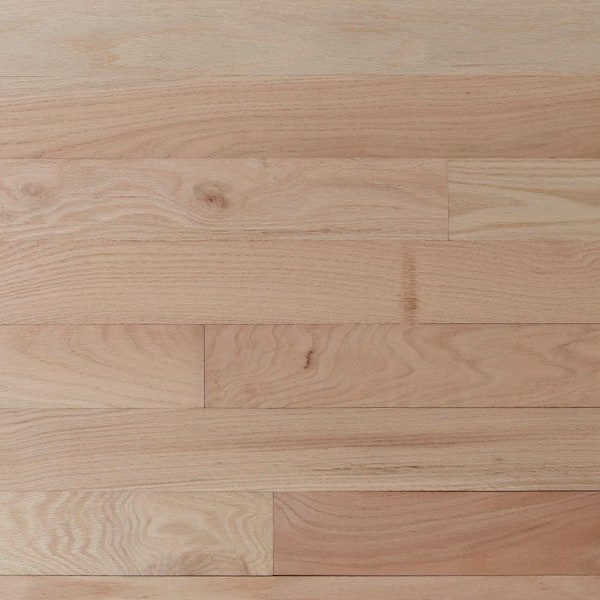
2 1/4-inch unfinished hardwood flooring is solid strip flooring milled to a standard 2 1/4-inch face width and 3/4-inch thickness, sold with no factory stain or topcoat. It ships tongue-and-groove for nail-down or staple-down installation and is sanded and finished on site after the floor is laid. This width has been the U.S. residential default since the mid-20th century, which is why mills, big-box retailers, and specialty flooring suppliers still carry it in more species and grades than any other strip width.
Grades of 2 1/4-Inch Unfinished Hardwood Flooring
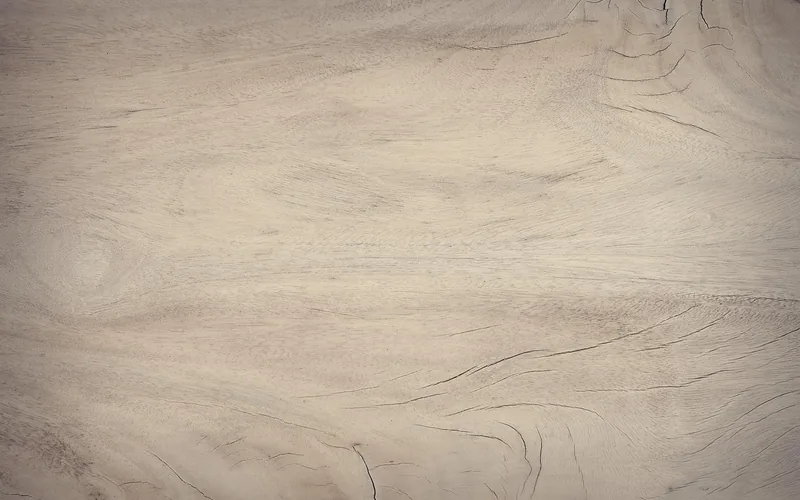
Grade describes appearance, not strength — a #2 Common board is exactly as structurally sound as Select & Better, it just shows more knots, mineral streaks, and color variation. Mixing grades on the same order is one of the most common install mistakes; confirm the grade code on every bundle before nailing.
| Grade | Appearance | Best For |
|---|---|---|
| Select & Better | Minimal knots, consistent color, longer average board length | Formal rooms, whole-house resale value |
| #1 Common | Light color variation, occasional small knots | Everyday living spaces with a natural look |
| #2 Common | Noticeable knots, mineral streaks, more color variation | Rustic or farmhouse rooms, high-traffic areas |
| #3 Common | Heaviest character, shorter boards, most knots and streaks | Budget projects, cabins, workshops |
Wood Species Available at 2 1/4-Inch Width
The 2 1/4-inch width is milled in more species than any other strip size. Hardness is measured with the Janka test — the pounds of force needed to embed a steel ball halfway into the wood — and it’s the single best predictor of how well a floor resists dents from furniture and dropped tools.
| Species | Janka Hardness | Notes |
|---|---|---|
| Red Oak | 1,290 lbf | Most common and least expensive; open grain takes stain evenly |
| White Oak | 1,360 lbf | Costs more than red oak; tighter grain resists moisture and staining better |
| Hard Maple | 1,450 lbf | Very hard but light, uniform color shows scratches more visibly |
| Hickory | 1,820 lbf | Most dent-resistant; strong grain contrast, harder to sand evenly |
White oak is the better choice for kitchens and entries where moisture exposure is a concern, while red oak remains the budget default for whole-house installs. Either species can be finished with a wide range of stains — see our guide on applying a weathered stain to red oak floors for one popular unfinished-flooring finish option.
How Many Bundles of 2 1/4-Inch Flooring Do You Need?
Bundle coverage for 2 1/4-inch strip flooring isn’t standardized — it depends on the mill and packaging, not the width itself. Big-box retailers commonly sell cartons covering around 19.5 sq ft, while several regional specialty suppliers price 2 1/4-inch red oak by the bundle at roughly 15.75 sq ft. That’s a real difference: on a 300-sq-ft room, ordering from a 15.75-sq-ft-bundle supplier instead of a 19.5-sq-ft-bundle retailer changes your order by roughly four full bundles. Always confirm the exact sq ft per bundle or carton on the specific product listing before calculating your order, then add 5-10% overage for cutting waste. Our wood flooring calculator can run the math for your room dimensions once you have that per-bundle number.
📊 Solid strip flooring under 3 inches wide (including 2 1/4-inch) should not exceed a 4% moisture-content difference from the subfloor, after a minimum 3-day acclimation in a room held at 60-80°F and 30-50% humidity. — Source: National Wood Flooring Association installation guidelines
Unfinished vs. Prefinished 2 1/4-Inch Hardwood Flooring
| Factor | Unfinished | Prefinished |
|---|---|---|
| Material cost | Lower per sq ft, plus on-site finishing labor | Higher per sq ft, no finishing labor needed |
| Finish control | Full choice of stain color and sheen | Limited to the manufacturer’s stock finishes |
| Seams | Sanded flat and sealed as one continuous film | Micro-bevel edges leave visible seam lines |
| Timeline | Days added for sanding, staining, and dry time between coats | Walkable the same day as installation |
| Best for | Custom color matching, whole-house continuity with existing floors | Fast turnarounds, rentals, DIY installers |
Installation Basics for 2 1/4-Inch Strip Flooring
2 1/4-inch solid strip flooring is nailed or stapled through the tongue every 6-8 inches, always on or above grade over a wood subfloor. Solid strip flooring is not rated for installation over a concrete slab or in a below-grade room like a basement — use engineered flooring there instead, since its plywood core handles the moisture swings solid wood can’t. Acclimate the bundles in the install room for at least 3 days (longer in humid regions) before nailing, per the NWFA moisture-content guidance above.
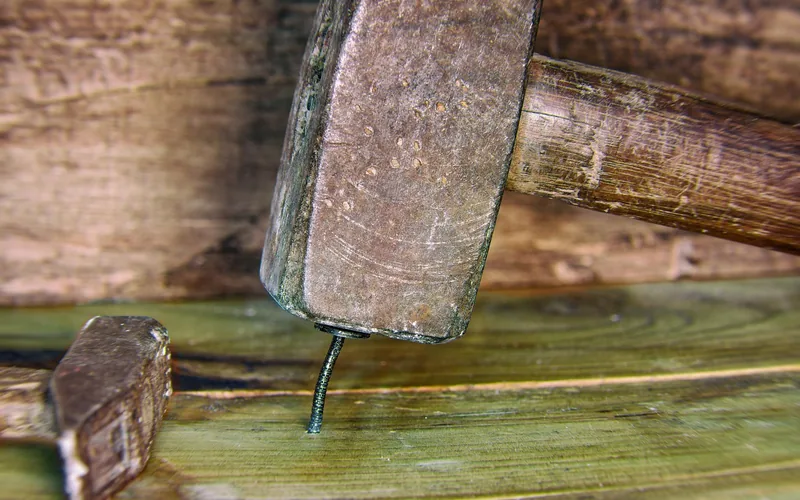
For the full room-prep, subfloor-check, and step-by-step nailing sequence, see our complete unfinished hardwood floor installation guide.
Where to Buy 2 1/4-Inch Unfinished Hardwood Flooring
Local flooring specialists and lumberyards typically stock 2 1/4-inch strip flooring in more grades than big-box stores, and staff can usually confirm species, grade, and lot-matching in person. Big-box retailers like Home Depot and Menards carry it too, usually limited to red oak or white oak in one or two grades. Online specialty mills offer the widest grade selection and often ship direct from the same lot, which matters for color consistency across a large room. Whichever source you use, always order 5-10% extra from the same lot number — lot-to-lot color variation is the most common reason DIYers end up with a visibly patched-looking floor.
Common Mistakes to Avoid
- Mixing grades mid-order: a reorder that arrives as a different grade than your original bundles will show as a visible patch once finished.
- Skipping acclimation: nailing straight from the truck without letting boards adjust to room humidity causes gapping or cupping within the first season.
- Installing solid strip flooring below grade: basements and slab-on-grade rooms need engineered flooring, not solid 2 1/4-inch strip.
- Assuming bundle coverage is universal: always check the actual sq ft per bundle for the specific product you’re ordering, not a generic average.
Is it cheaper to buy unfinished hardwood floors than prefinished?
Yes, in most cases. Unfinished 2 1/4-inch strip flooring costs less per square foot as raw material, but you have to add the cost of on-site sanding, staining, and finishing labor — factor both numbers in before comparing.
Is it OK to leave hardwood floors permanently unfinished?
No. Unfinished wood has no protective topcoat, so it stains, scratches, and absorbs moisture far more easily than finished flooring. “Unfinished” describes how the flooring ships, not a permanent condition — it should always be sanded and sealed after installation.
How many square feet are in a bundle of 2 1/4-inch hardwood flooring?
It varies by mill — commonly around 15.75 sq ft per bundle from specialty suppliers, or roughly 19.5 sq ft per carton from big-box retailers. Always confirm the exact figure on the specific product listing before calculating your order.
Can 2 1/4-inch solid hardwood flooring be installed in a basement?
No. Solid strip flooring is only rated for on-grade or above-grade installation over a wood subfloor. Basements and other below-grade rooms need engineered hardwood flooring, which has a plywood core that tolerates moisture swings solid wood can’t.
What’s the difference between 2 1/4-inch and 3 1/4-inch hardwood flooring?
Width only — both are milled 3/4-inch thick and installed the same way. The narrower 2 1/4-inch strip shows more seams per square foot and reads as more traditional; 3 1/4-inch planks show fewer seams and read as more contemporary.
Which grade of 2 1/4-inch unfinished hardwood should I buy for a rustic look?
#2 Common or #3 Common. Both grades carry more knots, mineral streaks, and color variation than Select & Better, which reads as intentional rustic character once stained rather than a flaw.
Conclusion
2 1/4-inch unfinished hardwood flooring remains the most widely available strip width because mills carry it in more grades and species than any other size. Match the grade to your room’s traffic and look, confirm the actual bundle coverage before ordering, and never skip acclimation — get those three right and unfinished strip flooring outlasts most prefinished alternatives at a lower total cost.
Sponsored / affiliate links. As an Amazon Associate I earn from qualifying purchases. I may earn additional commission from eligible campaigns.