Are Cherry Blossoms Flowers Botanical Facts
Have you ever marveled at the ethereal beauty of cherry blossoms gracing a park or garden, their delicate petals creating a breathtaking spectacle? Many people associate these stunning displays with spring’s arrival, but a common question arises: are cherry blossoms flowers? This post will clarify their botanical classification and explore the fascinating scientific facts behind these beloved blooms.
By the end, you’ll have a clear grasp of their identity and appreciate their floral nature even more, enriching your knowledge and making future observations more insightful.
Are Cherry Blossoms Flowers? Unpacking the Botanical Identity
When we talk about cherry blossoms, we’re referring to the flowers produced by cherry trees, primarily from the genus Prunus. These trees are famous for their spectacular, often fragrant, floral displays in spring. So, to directly answer the question: yes, cherry blossoms are indeed flowers. They are the reproductive structures of the cherry tree, designed to attract pollinators and, ultimately, produce fruit – cherries. Their ephemeral beauty, often lasting only a week or two, is a signature characteristic that many find incredibly captivating.
The Science Behind the Bloom
To truly appreciate whether cherry blossoms are flowers, it’s helpful to understand a bit about plant biology. Flowers, in botanical terms, are the structures responsible for sexual reproduction in flowering plants, also known as angiosperms. They typically contain petals, sepals, stamens (male reproductive parts), and pistils (female reproductive parts).
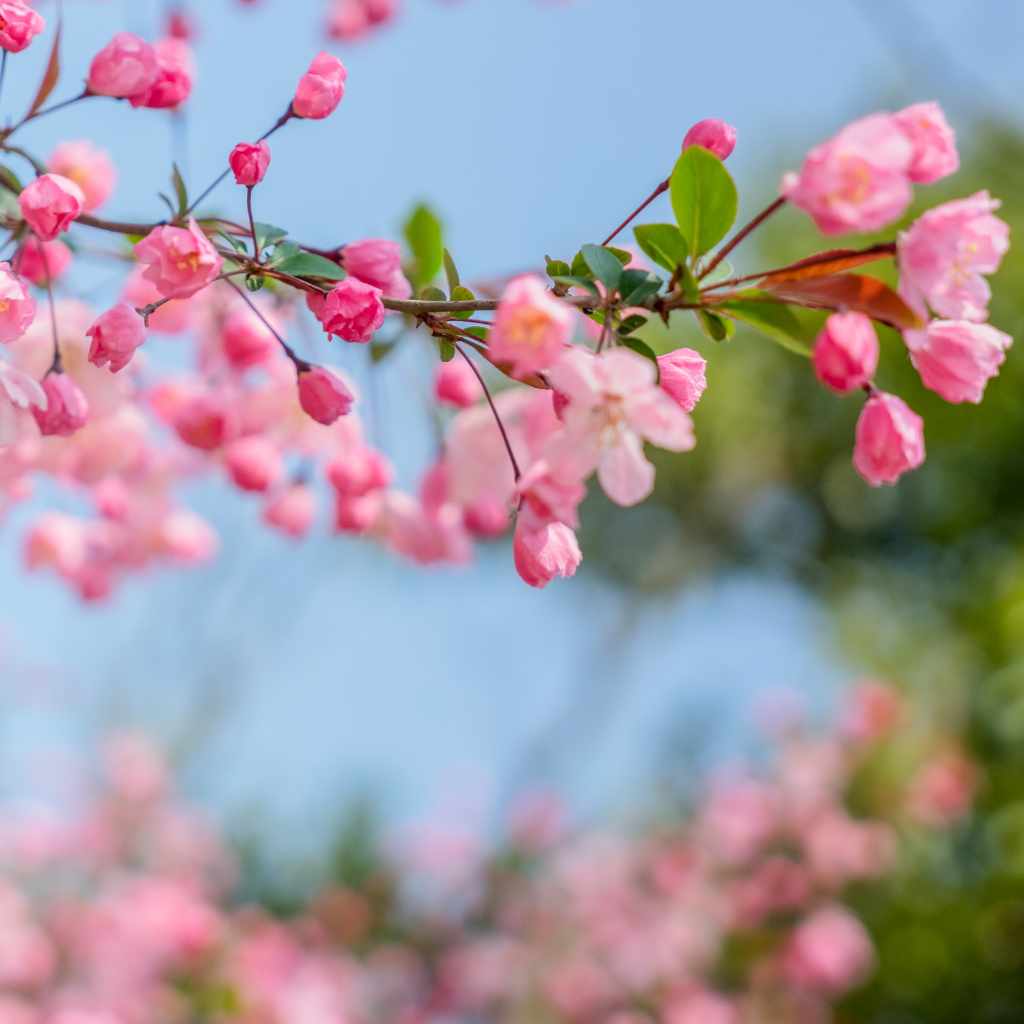
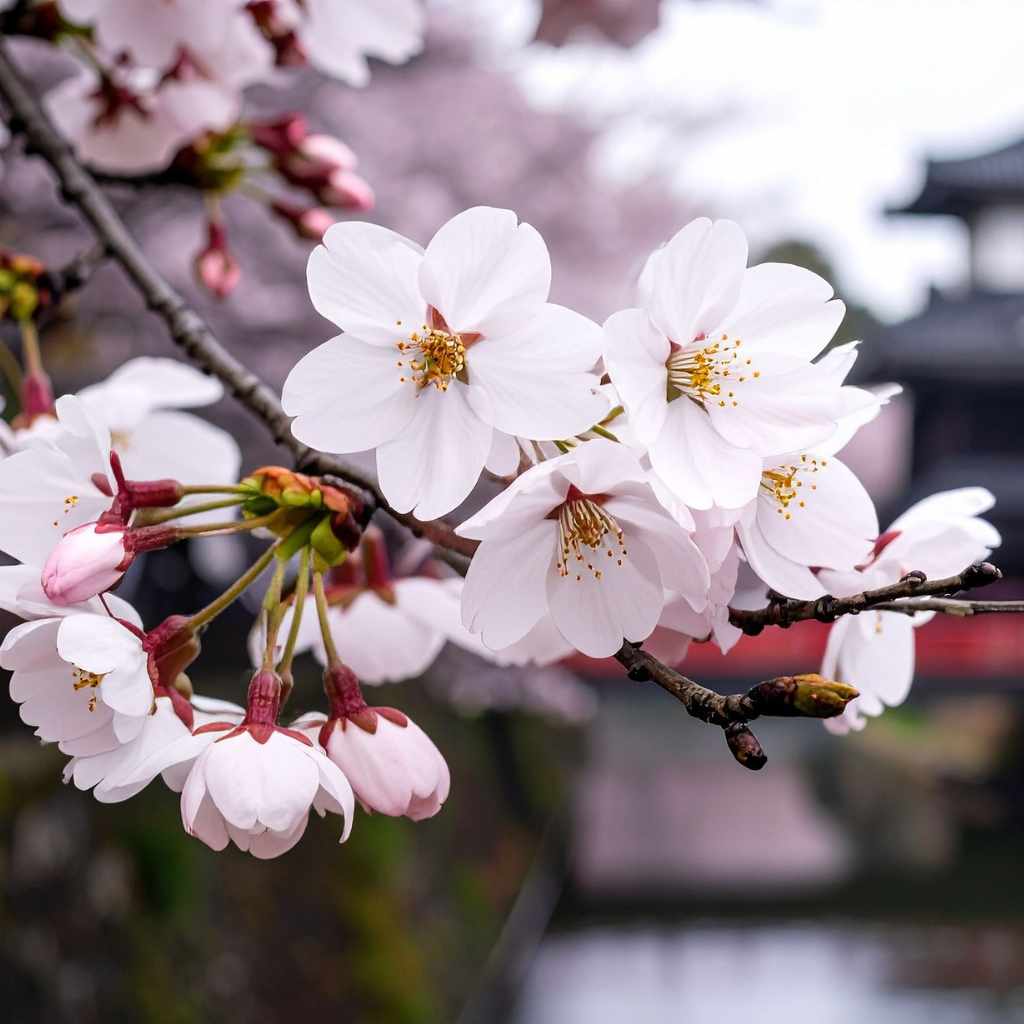
Cherry blossoms fit this definition perfectly. They possess all the essential parts of a flower. The vibrant, often pink or white, petals are highly visible, serving to attract insects like bees and butterflies. Beneath the petals are the sepals, which usually enclose the bud before it opens. Inside, you’ll find the stamens, with their anthers producing pollen, and the pistil, which contains the ovary where seeds will develop if pollination is successful.
Classifying Cherry Trees
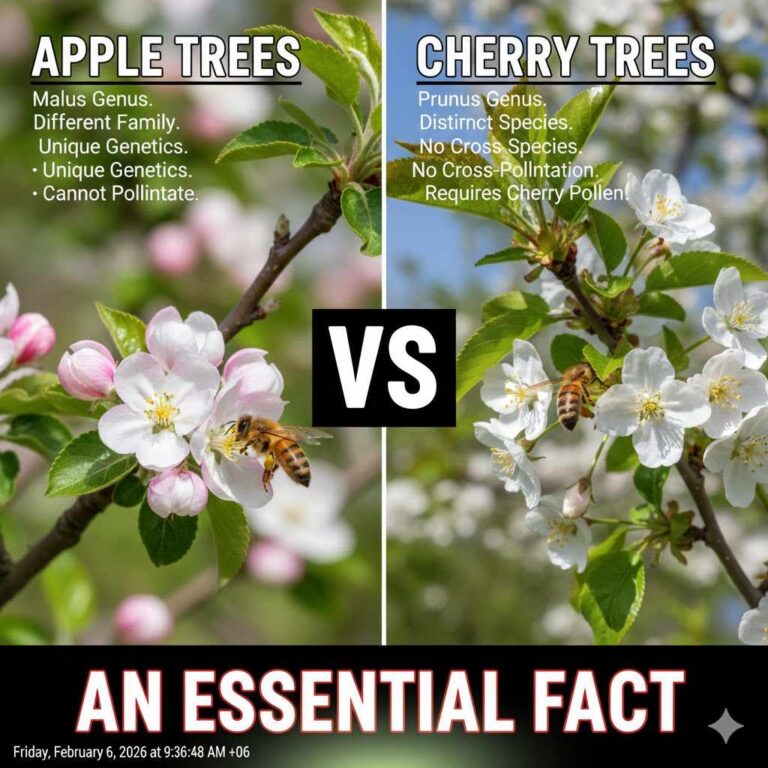
Cherry trees belong to the Rosaceae family, a large and diverse group of flowering plants that also includes roses, apples, pears, and peaches. This family is known for its ornamental flowers and edible fruits. Within the Rosaceae family, cherry trees are specifically classified under the genus Prunus. This genus is renowned worldwide for its beautiful spring blossoms and, of course, its delicious cherries.
The Purpose of Cherry Blossoms
Like all flowers, cherry blossoms have a primary biological purpose: reproduction. Their stunning appearance is not merely for aesthetic pleasure; it’s a evolutionary strategy to ensure the continuation of the species. The bright colors and, in some varieties, sweet scents attract pollinators.
When pollinators, such as bees, visit the blossoms to collect nectar or pollen, they inadvertently transfer pollen from one flower to another. This cross-pollination is vital for fertilization. After successful pollination and fertilization, the cherry blossom will develop into a cherry fruit, containing the seeds for future cherry trees.
Varieties and Their Blooms
There are numerous species and cultivars of cherry trees, and their blossoms can vary in color, size, and the number of petals. Some common types include:
* Someiko Yoshino: Known for its abundant, single white flowers that cover branches before leaves emerge.
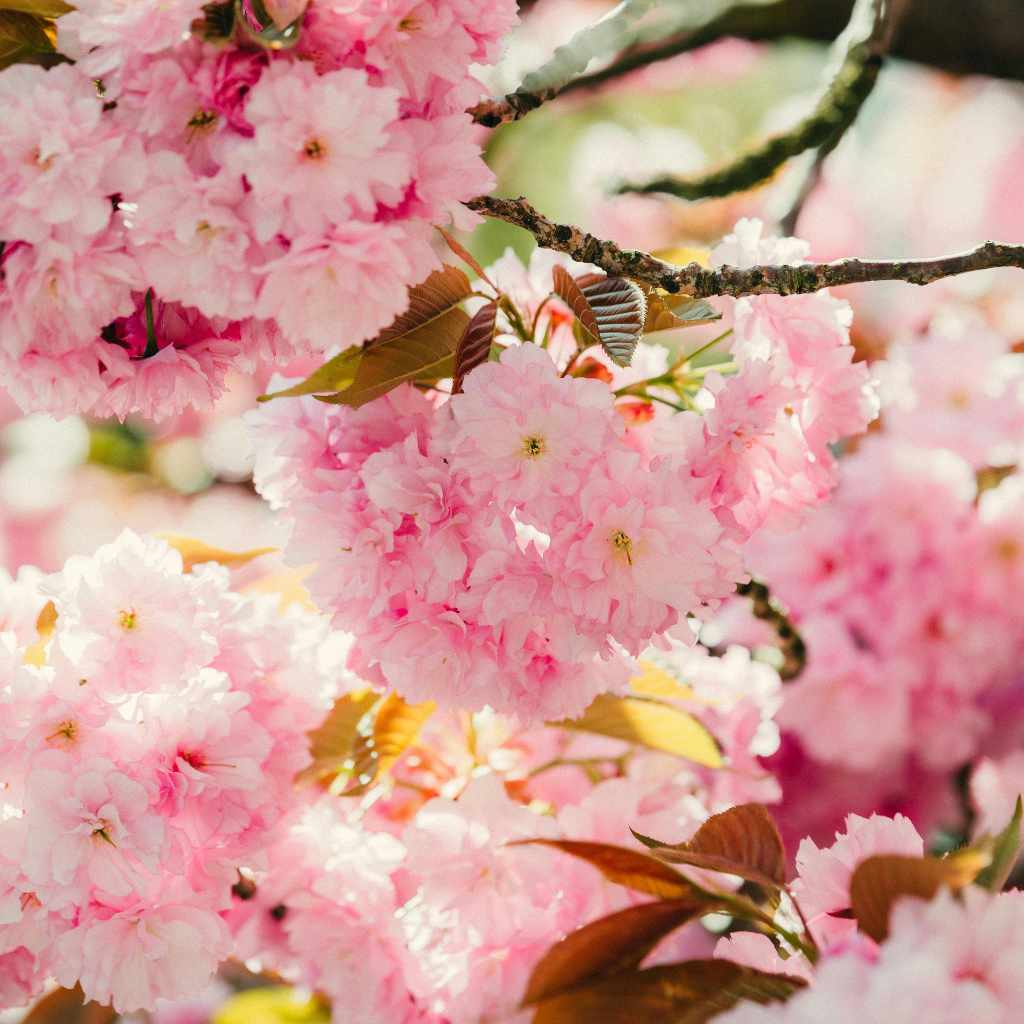
* Kanzan (Kwanzan): Features showy, double pink flowers with a ruffled appearance.
* Weeping Cherry: Offers cascading branches adorned with pale pink or white single flowers.
Regardless of the specific variety, the fundamental nature of their blooms remains the same – they are reproductive floral structures.
Beyond the Petals: What Makes a Flower?
The definition of a flower is quite specific in botany. It’s a specialized shoot of the plant that bears reproductive organs. Key components include:
* Perianth: This is the collective term for the protective, often colorful, outer whorls of a flower, comprising the petals and sepals.
* Androecium: This is the male reproductive part, consisting of stamens, each typically made up of a filament and an anther that produces pollen.
* Gynoecium: This is the female reproductive part, typically consisting of one or more pistils. Each pistil usually includes an ovary (containing ovules), a style, and a stigma (the receptive tip for pollen).
Cherry blossoms clearly exhibit all these components. The showy parts we admire are the petals, and within them are the stamens and pistils, working together to create new life.
The Fruit Connection
The fact that cherry trees produce fruit is further evidence that their blossoms are flowers. The transformation of a blossom into a fruit is a direct result of the flower’s successful fertilization. The ovary within the pistil swells and ripens to form the cherry fruit, enclosing the seed or seeds.
Ornamental vs. Fruit-Bearing Cherries
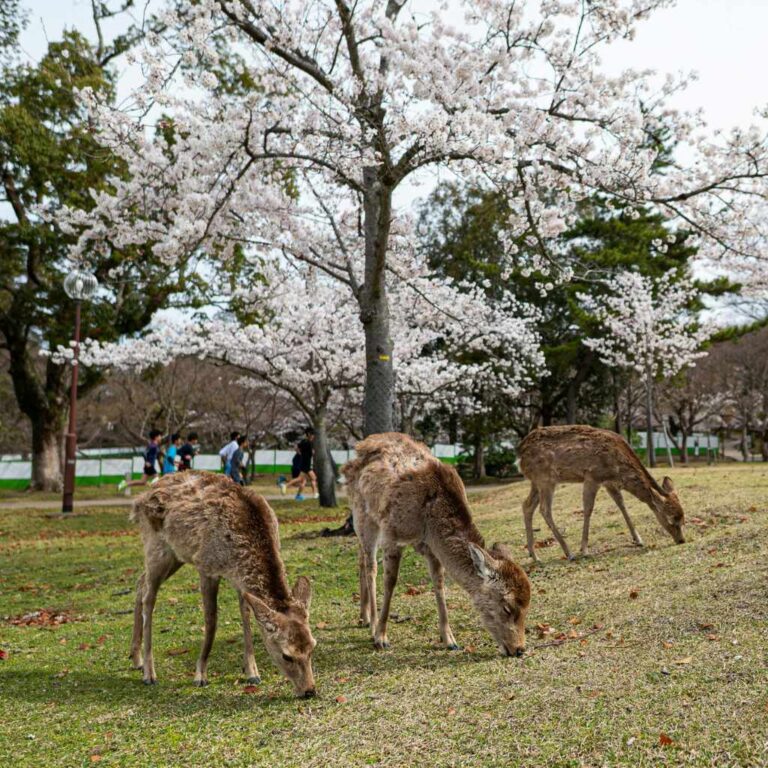
It’s worth noting that not all cherry trees are grown for their fruit. Many ornamental cherry trees, like those celebrated in Japan for their “sakura” displays, have been selectively bred for their stunning floral characteristics. While they may produce small, often inedible, cherries, their primary purpose in cultivation is their beautiful bloom. Botanically, however, both ornamental and fruit-bearing cherry blossoms are flowers.
A Deeper Look at Cherry Blossom Anatomy
Let’s break down the anatomy of a typical cherry blossom to solidify their floral identity:
* Petals: These are the most visually striking part, usually white or pink, and are modified leaves that surround the reproductive parts. Their function is to attract pollinators.
* Sepals: Located below the petals, sepals are typically green and leaf-like, enclosing and protecting the flower bud before it opens.
* Stamens: These are the male reproductive organs, consisting of a filament (a stalk) and an anther, which contains pollen.
* Pistil (or Carpel): This is the female reproductive organ, usually found in the center of the flower. It typically comprises the stigma (where pollen lands), the style (a stalk connecting stigma to ovary), and the ovary (containing ovules that develop into seeds).
When you look at a cherry blossom, you are seeing these intricate structures working in concert. The pollen from the anthers needs to reach the stigma of another compatible cherry blossom for fertilization to occur, leading to the development of a cherry fruit.
The Role of Pollination
Pollination is a critical step in the life cycle of cherry trees, just as it is for most flowering plants. The visual spectacle of cherry blossoms is directly linked to this reproductive process. Without effective pollination, there would be no fruit, and consequently, no new cherry trees from seeds.
Bees are particularly important pollinators for cherry trees. Their fuzzy bodies are adept at picking up and carrying pollen grains from one blossom to another. Some cherry varieties are self-pollinating, meaning pollen from the same flower or tree can fertilize it. Others require cross-pollination, where pollen must be transferred from a different tree of a compatible variety.
Common Misconceptions
Sometimes, the question “Are cherry blossoms flowers?” might arise from a misunderstanding of terms or a focus on the tree itself rather than its reproductive parts. People might think of the entire tree or the fruit, leading to confusion. However, by focusing on the botanical definition of a flower, the identity of cherry blossoms becomes clear. They are the flowering part of the cherry tree.
It’s also important to distinguish between the flower and the fruit. While they are intimately connected, they are distinct stages in the plant’s life cycle. The blossom is the precursor to the cherry fruit.
Comparing Cherry Blossoms to Other Flowers
To further illustrate, consider other well-known flowers. Roses, tulips, and daisies are undeniably flowers. Cherry blossoms share the same fundamental biological purpose and structure as these. They are all angiosperms, meaning they produce flowers and bear seeds enclosed within a fruit. The beauty of cherry blossoms, their scent, and their role in the ecosystem align perfectly with what we define as a flower.
The Cultural Significance of Cherry Blossoms
While this post focuses on botanical facts, it’s impossible to discuss cherry blossoms without acknowledging their profound cultural significance, particularly in Japan. The transient beauty of “sakura” symbolizes life’s fleeting nature, renewal, and hope. This cultural appreciation often leads people to connect with them on an emotional level, sometimes overshadowing their scientific classification. However, their botanical identity as flowers is the foundation upon which this cultural appreciation is built.
The Life Cycle of a Cherry Blossom
The life cycle of a cherry blossom is a microcosm of plant reproduction:
1. Bud Formation: During the dormant season, buds form on the cherry tree.
2. Blooming: As temperatures rise in spring, these buds open into blossoms.
3. Pollination: Pollinators visit the flowers, facilitating pollen transfer.
4. Fertilization: If pollination is successful, the ovules within the ovary begin to develop.
5. Withering and Fruit Development: The petals fall, and the ovary starts to mature into a fruit (a cherry).
6. Seed Dispersal: The cherry fruit ripens and is eventually consumed or falls, allowing the seed to potentially grow into a new tree.
This entire process begins with the flower.
Frequently Asked Questions
Question: Are cherry blossoms edible?
Answer: Some cherry blossoms are edible and are used in Japanese cuisine, often pickled or preserved. However, not all varieties are safe or palatable for consumption, and it’s important to be certain of the species before attempting to eat them.
Question: Why do cherry blossoms fall so quickly?
Answer: Cherry blossoms are designed for reproduction, not longevity. Their short lifespan is part of their reproductive strategy, encouraging pollinators and signaling the transition to fruit development. The petals are delicate and easily detached by wind or rain.
Question: Do all cherry trees produce flowers?
Answer: Yes, all cherry trees, regardless of whether they are ornamental or fruit-bearing, produce flowers as part of their natural life cycle. The appearance and abundance of these flowers can vary significantly between different types of cherry trees.
Question: What is the difference between a cherry blossom and a cherry fruit?
Answer: A cherry blossom is the flower of the cherry tree, responsible for reproduction. A cherry fruit is the mature ovary of the flower that develops after successful pollination and fertilization, containing the seed.
Question: Are cherry blossoms considered ornamental flowers?
Answer: Yes, many cherry blossoms are highly prized as ornamental flowers. While they are botanically flowers, their aesthetic beauty makes them a significant feature in landscaping and cultural celebrations.
Final Thoughts
The visual spectacle of cherry blossoms is an annual highlight for many, a vibrant signal that spring has truly arrived. Understanding their nature goes beyond just admiring their beauty. By examining their botanical structure, we see they possess all the defining characteristics of flowers, serving the critical role of reproduction for the cherry tree. From the delicate petals that attract pollinators to the hidden stamens and pistils responsible for fertilization, these blooms are quintessential flowers, a vital part of the plant’s life cycle leading to the production of cherries. Whether cultivated for their ornamental splendor or their delicious fruit, their identity as flowers is fundamental. So, the next time you witness the breathtaking display of cherry blossoms, you can appreciate them not just as symbols of spring, but as intricate floral wonders with a clear and essential purpose in the natural world. Embrace this knowledge as you enjoy the transient beauty of these remarkable blooms.