Walnut vs Cherry Wood Color: Cherry Darkens, Walnut Lightens
Walnut and cherry move in opposite directions. Freshly cut cherry is a light pinkish brown that deepens to a medium reddish brown with light, while black walnut starts dark chocolate and slowly lightens. A pair that looks very different on the showroom floor will not look the same in three years. This guide compares fresh and aged color, sapwood and steaming, stain behavior, and the practical details that decide which one to buy.
Walnut vs Cherry Wood Color: The Short Answer
Best Cherry-Tone Stain Pick | |
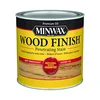 |
Minwax Wood Finish Cherry Stain, Half Pint: $8.65 Cherry settles into a medium reddish brown after a year or so. This stain lets you test that finished tone on a scrap board today, or give a paler wood a cherry look, instead of waiting for light to do the work.
|
As an Amazon Associate we earn from qualifying purchases. | |
Black walnut heartwood runs from pale brown to dark chocolate brown, often with darker streaks and sometimes grey, purple or reddish undertones. Black cherry heartwood starts as a light pinkish brown and darkens to a medium reddish brown. If you want a dark, cool-to-neutral brown from day one, walnut delivers it. If you are happy to wait for a warm red-brown that develops with light, cherry is the one.
The table below pulls the key numbers from the Wood Database and Wood Database species profiles, so you can compare color and the practical properties side by side.
| Trait | Black walnut | Black cherry |
|---|---|---|
| Fresh heartwood | Pale brown to dark chocolate, darker streaks | Light pinkish brown |
| Sapwood | Pale yellow-gray to nearly white | Pale yellowish |
| Color with light | Lightens slowly, can go greyer | Darkens to medium reddish brown |
| Janka hardness | 1,010 lbf | 950 lbf |
| Density (12% moisture) | 38 lb/ft3 | 35 lb/ft3 |
| Shrinkage (tangential / volumetric) | 7.8% / 12.8% | 7.1% / 11.5% |
| Staining | Rarely stained | Can blotch: seal first or use gel stain |
| Price band | High for a domestic species | Mid to upper range |
How Walnut and Cherry Colors Change Over Time
Most comparison pages describe each wood once, as if it looked the same forever. The more useful view is a timeline, because the two woods are heading toward each other from opposite ends.
| When | Black walnut | Black cherry |
|---|---|---|
| Day one | Dark chocolate heartwood, with pale sapwood unless the boards were steamed | Light pinkish brown, with pale yellowish sapwood |
| First 6 to 12 months | Little visible change indoors | About 80% of cherry’s total darkening happens here |
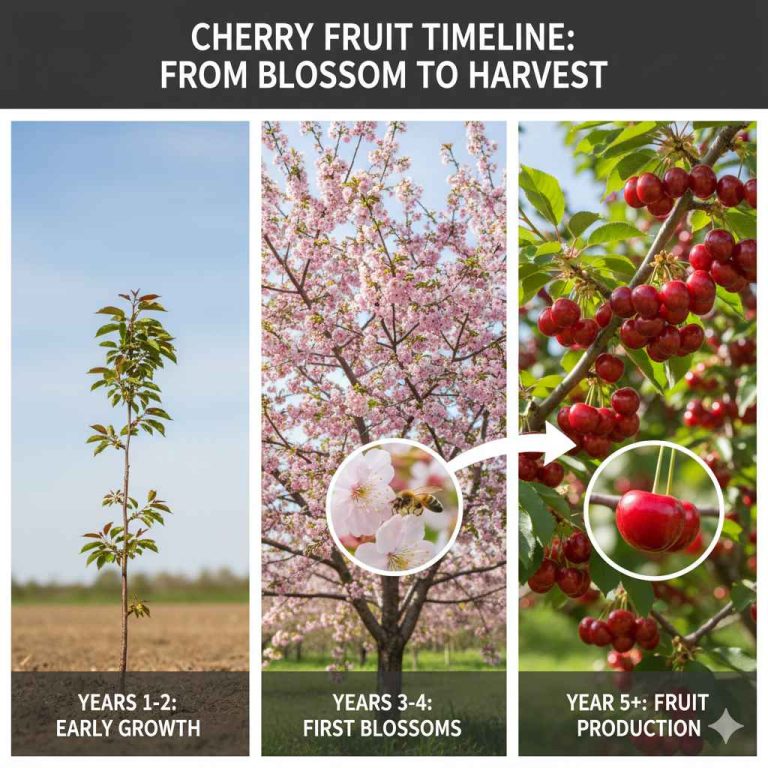
| Years 3 to 4 | Slow, slight lightening in lit areas | Full patina develops; change continues for decades |
The cherry timeline comes from furniture maker Thos. Moser. Walnut’s change is slower and less dramatic, so it is easy to miss until you move a lamp or a rug and see the difference underneath. That has a practical consequence for matching: a cherry table bought today and a cherry sideboard bought next year will not match for a while, but they will close the gap. A walnut table and a walnut bench bought years apart are likely to stay closer to each other, since walnut changes more slowly.
Does Walnut Wood Change Color With Age?
Yes, but in the opposite direction from cherry. A common belief is that walnut is simply stable. Suppliers and woodworkers describe something different: walnut lightens slightly over time, unlike cherry, maple and oak, which darken. One walnut supplier notes that sun exposure darkens light woods and lightens dark ones, and that walnut’s change is less dramatic than other species.
A long-running FineWoodworking forum thread adds useful detail from people who work the wood. They describe walnut lightening under UV light, and they stress it is not a matter of days or weeks. It takes a long time indoors unless the wood sits in direct outdoor sun. Several posters also say the lightened layer is very thin. Treat those as shop reports, not lab measurements, but they match the standard advice to keep walnut out of strong sun.
Color is also a poor guide to species. Several different woods are sold as walnut, and our guide to walnut vs black walnut sorts out which is which. For a darker-brown comparison with a different wood, see walnut vs dark brown.
How Fast Does Cherry Wood Darken?
Cherry is best known for its color change. The Wood Database describes the heartwood as light pinkish brown when freshly cut, darkening to a medium reddish brown with time and exposure to light. Thos. Moser reports that about 80% of the darkening happens in the first 6 to 12 months, with the full patina taking 3 to 4 years and changes continuing for decades. Direct sunlight speeds it up compared with indirect light.
Roughly 80% of cherry’s total darkening happens within 6 to 12 months. Source: Thos. Moser, “The Aging Process of Cherry”
Why Cherry Gets Tan Lines
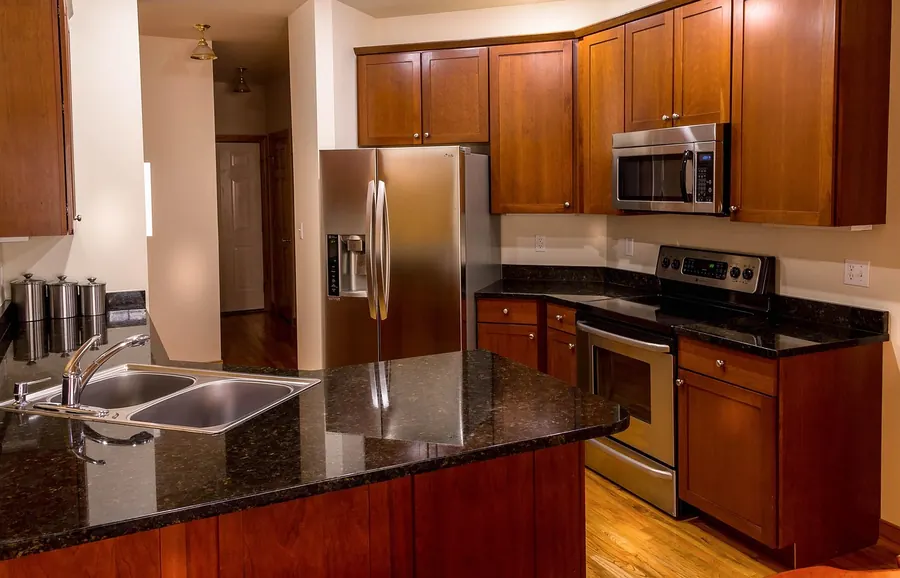
Because light drives the change, anything that shades a cherry surface leaves a lighter patch. Books, lamps, coasters, a placemat or a stored table leaf all do it. Moser’s advice is to keep surfaces clear or rotate objects weekly during the first year, keep a dining table fully extended if it has removable leaves, and take stored leaves out of their bags so they age alongside the main top. The same source says lighter areas gradually blend in over time, so a tan line is annoying rather than permanent.
Sapwood and Steaming: Why Boards in One Stack Don’t Match
Both woods have pale sapwood next to the darker heartwood, and it is a big reason new boards look uneven. The Wood Database lists walnut sapwood as pale yellow-gray to nearly white and cherry sapwood as pale yellowish, and it notes that cherry sapwood is common, which adds to waste when you build.
Walnut has an extra wrinkle: steaming. Lumber is sometimes steamed to even out the color between heartwood and sapwood. A supplier notes steaming often brings out more grey tones, and some craftsmen avoid it to keep the natural look. A woodworker in the FineWoodworking thread says commercial kiln steam tends to color sapwood brown while bleaching some of the darker heartwood, which gives a more uniform but less rich board. If you care about deep color, ask your lumber dealer whether the walnut was steamed and look at an unfinished board in good light before you buy.
Can You Make Walnut Look Like Cherry, or Cherry Like Walnut?
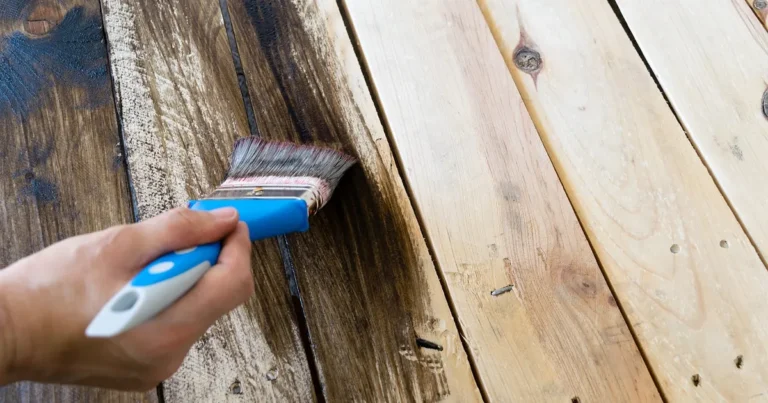
You can shift color with stain or dye, but the wood still matters. The Wood Database says walnut glues, stains and finishes well but is rarely stained. For cherry it warns that staining can give blotchy results and recommends a sanding sealer first, or a gel stain. Our comparison of gel stain vs oil stain and the guide to dye vs stain explain the trade-offs.
A clear finish changes the picture too. Oil and film finishes deepen the color the moment they go on, and polyurethane can add its own darkening. One walnut supplier says clear coats can minimize walnut’s color change if maintained, oil finishes give richer hues with regular applications, and stain keeps a darker tone indefinitely. For cherry, the sources I read recommend managing light exposure (placement, blinds, UV-filtering window film) rather than relying on a finish to stop the darkening.
If you are matching the look on a cheaper wood, test first. Our guide to stain colors on pine shows why the can color rarely matches the result. For a wider look at finishing steps, start with the wood finishing guide.
Resetting a Faded Walnut Top or a Shadowed Cherry Surface
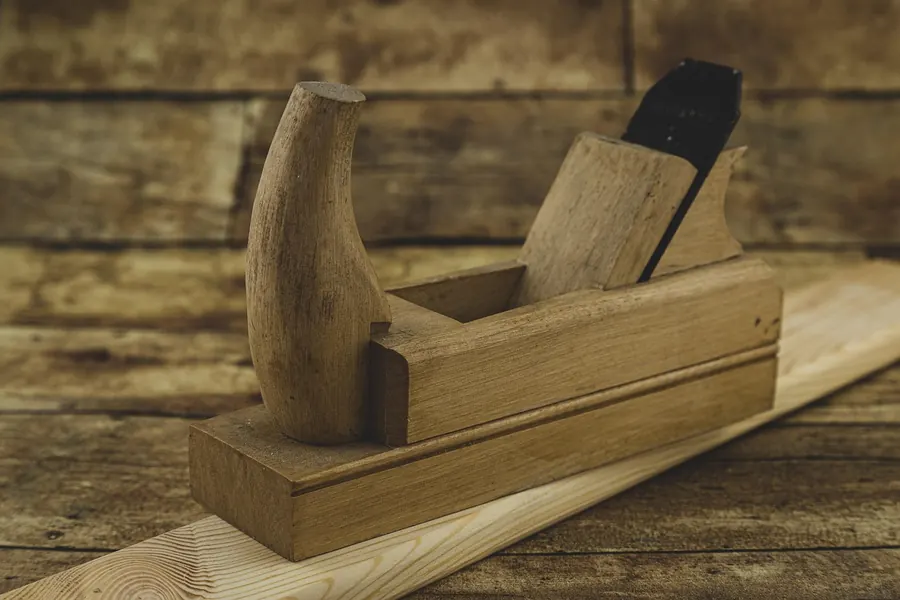
Because light-driven color change lives at the surface, solid wood can often be reset. On the FineWoodworking thread, one poster says a single pass with a plane or scraper brings walnut back to its dark color, and another says the bleached layer on aged pieces was thinner than a plane shaving. That is a shop report, not a tested guarantee, so try it on a hidden edge first.
Two cautions. Veneer is very thin, so never plane or sand a veneered walnut or cherry top. And if the piece has a finish, strip it properly rather than planing through it. For cherry, you rarely need to do anything, since the shadowed areas darken and blend in on their own.
Hardness, Shrinkage and Cost Compared
Walnut is slightly harder than cherry at 1,010 lbf against 950 lbf on the Janka scale, and a little denser at 38 against 35 pounds per cubic foot. Both are workable domestic hardwoods for furniture. Walnut is rated moderately hard and easy to work when the grain is straight, though irregular grain can tear out under a planer. Cherry machines excellently with straight grain.
Shrinkage is similar, with walnut at 7.8% tangential and 12.8% volumetric and cherry at 7.1% and 11.5%. The Wood Database rates cherry’s shrinkage as high overall, so allow for seasonal movement in wide panels in both woods. On price, walnut sits in the high range for a domestic species and cherry in the mid to upper range.
Which Should You Choose?
- Pick walnut if you want a dark, moody brown from the start and expect to keep the piece out of strong sun.
- Pick cherry if you like a color that develops and you are fine with a lighter, pinker piece for the first months.
- Buying several pieces over time? Buy cherry together, or plan for a visible age difference between old and new.
- Matching existing furniture? See how the woods mix in our guide to mixing oak and walnut furniture.
- Still deciding? Compare maple vs cherry or mahogany vs walnut color.
If a darker look than walnut is the goal, see how to ebonize wood, and for pulling more contrast out of either species read how to make wood grain stand out. Planning cherry cabinetry? Our cherry wood corner cabinet guide covers styles and sizes.
Frequently Asked Questions
Does walnut or cherry get darker with age?
Cherry does. Freshly cut cherry is a light pinkish brown and deepens to a medium reddish brown with time and light exposure, with roughly 80% of the change in the first 6 to 12 months. Walnut goes the other way: it lightens slowly, and the change is usually modest indoors.
Why does my new cherry piece look pink or orange?
Freshly cut cherry heartwood is a light pinkish brown, and it has not yet had the light exposure that drives the darkening. Keep it out of strong direct sun if you want an even tone, and expect the pink to fade into a reddish brown over the first year.
Does walnut turn grey over time?
It can lean grey or lighter where light hits it for a long time. Walnut heartwood can carry grey undertones from the start, steaming tends to bring out more grey, and walnut lightens rather than darkens in light. Woodworkers report the lightened layer is very thin.
Can you stain cherry to look like walnut?
You can darken cherry with a stain or dye, but cherry can blotch, so the Wood Database suggests a sanding sealer first or a gel stain. Walnut is rarely stained at all, so a stained cherry piece is a color match to walnut, not the same wood.
Which is more expensive, walnut or cherry?
Walnut. The Wood Database puts black walnut in the high range for a domestic species and black cherry at mid to upper range. Prices vary by region, grade and board width, so compare quotes for your own project.
Conclusion
Walnut starts dark and slowly drifts lighter; cherry starts light and deepens to a warm red-brown, mostly within the first year. Decide whether you want the color locked in at the start or developing over time, keep either wood out of strong direct sun, and test your finish on a scrap before committing.
Sponsored / affiliate links. As an Amazon Associate I earn from qualifying purchases. I may earn additional commission from eligible campaigns.