Are Cherry Pits Compostable Safe Composting Tips
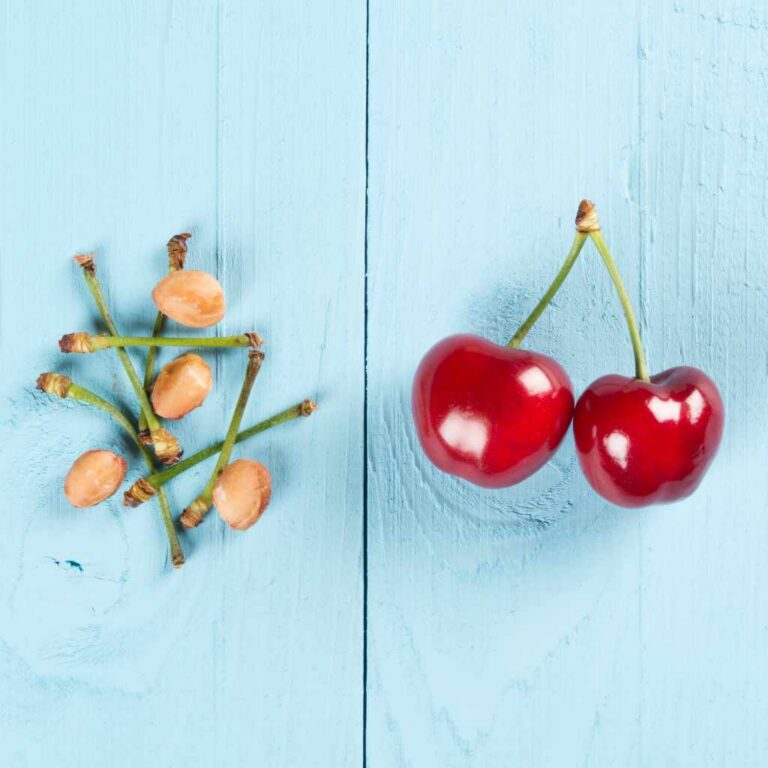
Peeling and enjoying fresh cherries is a summer delight. But what about those pits left behind? Many home gardeners wonder if they can toss them into their compost bins. The good news is that with a little know-how, you can. This guide will show you are cherry pits compostable safe composting tips for your garden’s ecosystem. You’ll learn how to add them correctly, what to watch out for, and how to make your compost even better.
Composting Cherry Pits What You Need To Know
Many people enjoy fresh cherries during the summer months. As you savor the sweet, juicy fruit, you’re often left with a pile of pits. This leads to a common question for eco-conscious gardeners: can these pits go into the compost bin? The answer is yes, but with some important considerations to ensure your composting process remains efficient and effective. Understanding how to compost cherry pits properly helps reduce waste and enriches your garden soil.
Are Cherry Pits Compostable
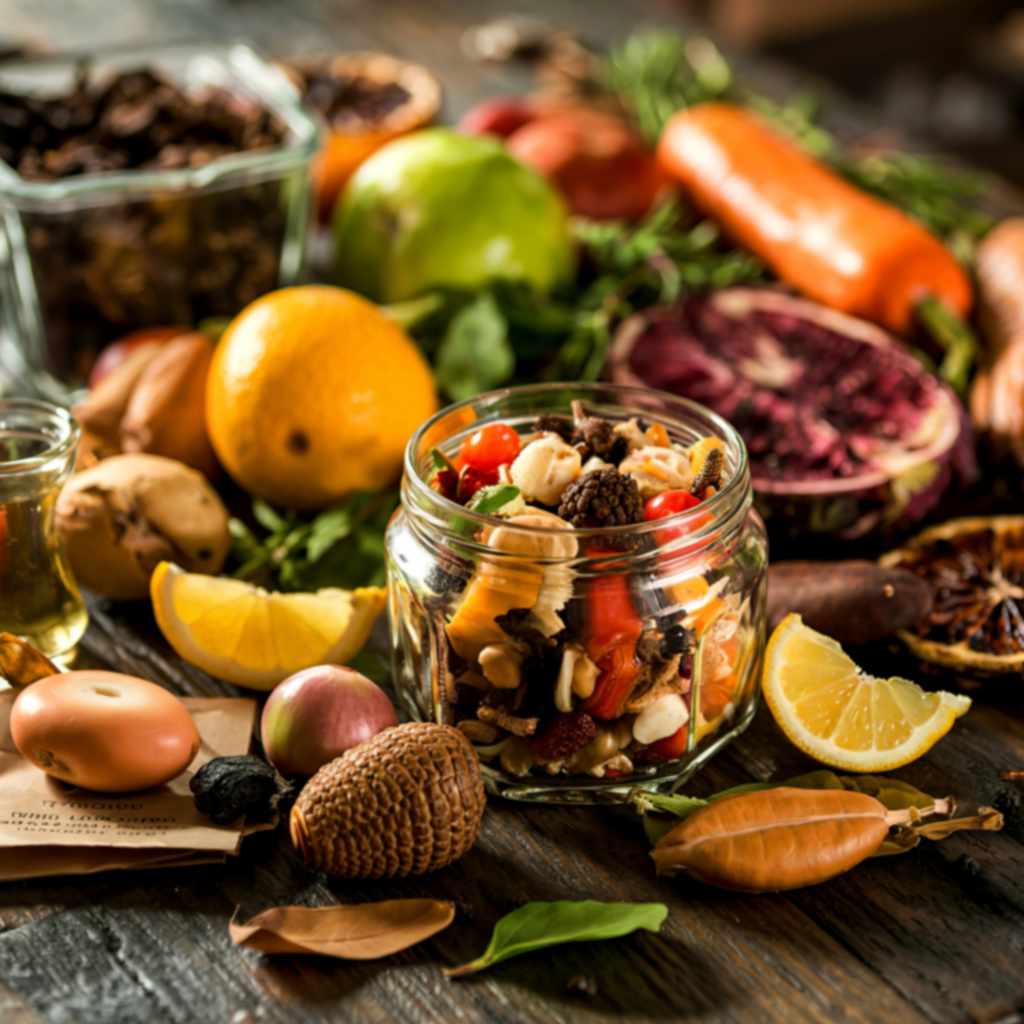
Yes, cherry pits are compostable. They are organic materials that will break down over time, contributing to the nutrient content of your compost. However, their hard outer shell can make them take longer to decompose than softer fruit scraps. This is why some composting guides suggest avoiding them or treating them specially. But with the right approach, they are a perfectly acceptable addition to your compost pile.
The Breakdown Process
Cherry pits are made of lignocellulose, the same materials that make up wood and other tough plant matter. This means they have a strong structure that resists rapid decomposition. In a typical compost pile, they might take several months, or even up to a year, to break down fully. This slow breakdown is not inherently bad for your compost; it just means they won’t disappear as quickly as, say, a banana peel. The key is to ensure they don’t create “dead zones” or impede aeration in your pile.
Why Composting Pits Is Beneficial
Composting cherry pits contributes to a circular economy for your kitchen and garden waste. Instead of sending them to a landfill, where they take up space and produce methane, you’re turning them into a valuable soil amendment. This reduces your household’s environmental footprint and provides your garden with nutrient-rich compost that can improve soil structure and fertility.
Safe Composting Tips For Cherry Pits
To ensure your cherry pits compost effectively and safely, follow these practical tips. These steps help speed up their decomposition and prevent any potential issues in your compost bin.
Preparation Is Key
While you can throw whole cherry pits into the compost, preparing them can significantly speed up the breakdown process.
Crushing or Grinding: The most effective way to compost cherry pits is to break them open. You can do this by:
Using a hammer or mallet to gently crack them. Be careful not to pulverize them into fine dust, which can make them harder to manage.
Running them through a food processor or grinder. Again, aim for cracked pits rather than dust.
If you have a large volume of pits, consider using a heavy-duty blender or even a mortar and pestle.
Washing (Optional but Recommended): Rinsing the pits can remove any residual sugars or fruit pulp that might attract unwanted pests to your compost bin, though this is less of a concern with pits than with whole fruits.
Balance Your Compost Pile
A balanced compost pile is crucial for efficient decomposition. Cherry pits, being high in carbon and tough, fall into the “brown” material category.
Brown Materials: These are dry, carbon-rich items like dried leaves, shredded cardboard, straw, and wood chips. They provide the energy source for the microbes that break down your compost.
Green Materials: These are moist, nitrogen-rich items like fruit and vegetable scraps, grass clippings, and coffee grounds. They provide the protein and moisture for the microbes.
The Ideal Ratio: A good rule of thumb is to aim for a ratio of roughly 2 parts brown to 1 part green. When adding cherry pits, ensure you’re balancing them with enough green materials. For every handful of cracked cherry pits you add, try to add a similar amount or slightly more of fresh kitchen scraps or grass clippings.
Location Matters
Where you place your compost bin or pile can influence its temperature and moisture levels, both of which are vital for decomposition.
Sunlight and Shade: A location that gets partial sun is often ideal. Full sun can dry out the pile too quickly, while deep shade might keep it too cool and damp.
Drainage: Ensure the area has good drainage so your compost pile doesn’t become waterlogged.
Moisture Levels
Compost needs to be moist, like a wrung-out sponge. Too dry, and the microbes can’t thrive; too wet, and the pile can become anaerobic and smelly.
Checking Moisture: Stick your hand into the pile. If it feels dry, add water. If it’s soggy, add more brown materials like dried leaves or shredded paper.
Adding Pits: If you’re adding a large batch of cracked pits, consider them as browns and ensure there’s sufficient moisture and green material to balance them out.
Aeration
Microbes need oxygen to break down organic matter. Turning your compost pile regularly is essential.
Turning Frequency: Aim to turn your compost pile every 1-2 weeks, or at least once a month. This mixes the materials, introduces oxygen, and helps distribute moisture evenly.Impact of Pits: If pits are left whole and uncrushed, they can create dense pockets that are harder for air to penetrate. This is another reason to crack them.
What To Avoid
While cherry pits are compostable, there are some things to be mindful of to keep your compost healthy and free from issues.
Uncracked Pits in Large Quantities: As mentioned, whole pits take a very long time to break down. If you add a lot of them without cracking, they can accumulate at the bottom of your bin and may not fully decompose by the time you want to use the compost.
Pesticide-Treated Pits: If the cherries were treated with pesticides, the pits might carry those chemicals. While home composting generally breaks down many pesticides, it’s best to use pits from organically grown cherries if possible
.Mixing with Diseased Plants: While not directly related to the pits themselves, always ensure that any plant material you add to your compost is free from diseases or pests. This prevents them from spreading to your garden.
Troubleshooting Common Composting Issues
Even with the best intentions, composting can sometimes present challenges. Here’s how to handle them, especially when dealing with tougher items like cherry pits.
Slow Decomposition
If your compost pile seems to be breaking down very slowly, especially with the cherry pits still visible, consider these factors:
Insufficient Green Materials: Your pile might be too heavy on browns. Add more nitrogen-rich materials like grass clippings, coffee grounds, or vegetable scraps.
Lack of Moisture: The microbes need water to work. Check the moisture level and add water if necessary.
Poor Aeration: Turn the pile more frequently to introduce oxygen.
Temperature Too Low: Compost piles decompose best when warm. If your pile is too cold, it will break down slowly. Adding fresh green materials can help generate heat.
Unpleasant Odors
A well-functioning compost pile should smell earthy, not foul. Strong, ammonia-like, or rotten egg smells usually indicate an imbalance.
Ammonia Smell: This means there’s too much nitrogen (too many greens). Add more brown materials like dried leaves, straw, or shredded cardboard to balance it out.
Rotten Egg Smell: This indicates an anaerobic condition, meaning there’s not enough oxygen. Turn the pile thoroughly to aerate it. Ensure the pile is not too wet.
Adding Pits: If you notice strong odors after adding cherry pits, it’s likely due to an imbalance in the overall pile, not the pits themselves. Focus on restoring the brown/green ratio and aeration.
Attracting Pests
While a healthy compost pile can deter pests, certain additions might attract them.
Fruits and Vegetables: While you can compost most fruits and vegetables, adding large amounts of whole, uncracked cherries or other sugary items might attract fruit flies or rodents.
Dealing with Pits: By cracking the pits, you make them less attractive to pests and speed up their decomposition, reducing the time they might otherwise sit in the pile. If you are concerned about attracting pests, burying pits and other food scraps deeper within the compost pile can help.
Compostable Materials Comparison Table
To help you visualize what works well in a compost pile, here’s a comparison of common kitchen and garden items.
| Material | Compostable | Breakdown Speed | Tips |
|---|---|---|---|
| Cherry Pits | Yes | Slow to Moderate (when cracked) | Crack or grind for faster breakdown. Balance with greens. |
| Fruit Scraps (most) | Yes | Fast | Can be added in moderation. Avoid oily or sugary items in excess. |
| Vegetable Scraps | Yes | Fast | Excellent source of nitrogen. |
| Coffee Grounds | Yes | Fast | Good source of nitrogen. |
| Tea Bags (paper) | Yes | Fast | Remove any plastic staples. |
| Eggshells | Yes | Slow | Crush them to speed up decomposition. Add calcium to compost. |
| Paper Towels & Napkins (unsoiled) | Yes | Moderate | Shred for faster breakdown. |
| Grass Clippings | Yes | Fast | Add in thin layers to prevent matting. Good nitrogen source. |
| Leaves (dried) | Yes | Slow to Moderate | Excellent carbon source. Shred for faster breakdown. |
| Meat & Dairy | No (generally) | N/A | Can attract pests and create odors. Some advanced composting methods allow them, but not recommended for beginners. |
| Oils & Fats | No (generally) | N/A | Can slow down decomposition and attract pests. |
Frequently Asked Questions
Question: How long do cherry pits take to compost?
Answer: Whole cherry pits can take anywhere from six months to over a year to fully break down. Cracking or grinding them significantly speeds up this process, potentially reducing the time to a few months.
Question: Should I wash cherry pits before composting?
Answer: Washing cherry pits is optional but can help remove residual sugars and pulp, which might attract unwanted pests to your compost bin. It’s not strictly necessary if you are cracking them and maintaining a balanced compost pile.
Question: Can I compost cherry pits if my cherries were sprayed with pesticides?
Answer: While home composting breaks down many chemicals, it’s best practice to use pits from organically grown cherries. If you are concerned about pesticides, consider avoiding pits from conventionally grown fruit.
Question: What happens if I add too many cherry pits to my compost?
Answer: Adding too many cherry pits without sufficient balancing green materials can make your compost pile too carbon-heavy, slowing down the overall decomposition process. Ensure you maintain a good balance of brown and green materials.
Question: Do cherry pits contain anything that harms my compost or garden?
Answer: Cherry pits themselves are organic and do not contain harmful substances for a compost pile or garden. The primary concern with pits is their hardiness, which leads to slow decomposition if not prepared properly.
Final Thoughts
Understanding are cherry pits compostable safe composting tips allows you to maximize your composting efforts. You’ve learned that these tough little seeds can indeed break down and contribute to your compost’s richness, provided you give them a helping hand. The key is preparation—cracking or grinding them to expose their inner material to the microbes. Balancing these carbon-rich pits with nitrogen-rich green materials like fruit and vegetable scraps is vital for a healthy, active compost pile. Regular turning to ensure good aeration and managing moisture levels are also essential steps for efficient decomposition.
By following these simple yet effective strategies, you can confidently add cherry pits to your compost bin, reducing waste and creating valuable, nutrient-dense compost for your garden. This practice not only benefits your plants but also contributes to a more sustainable lifestyle. Start incorporating these tips into your composting routine and enjoy the rewards of a thriving garden ecosystem fueled by your efforts.