Are Brazilian Cherry Floors Still in Style? (2026 Trends)
Yes – Brazilian cherry (Jatoba) floors are back in style for 2026, as design trends move away from cool gray-washed floors toward rich browns and reds again, though the deep red tone still needs the right pairing to avoid feeling dated. At 2,350 on the Janka hardness scale, it also outlasts white oak (1,360) and maple (1,450) in high-traffic rooms. This guide covers current pairing trends, finish choices, and when Brazilian cherry isn’t the right fit.
Brazilian Cherry Floors in Modern Design
Best Cleaner Pick for Finished Hardwood
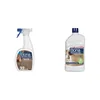
Bona Hardwood Floor Cleaner + Polish, 32 fl oz – $24.27
A residue-free, pH-neutral spray safe for polyurethane-finished exotic hardwoods like Jatoba – exactly the gentle, non-abrasive cleaning this guide recommends.
- Best for: routine cleaning of finished (polyurethane, unwaxed) Brazilian cherry and other hardwood floors
- Why we picked it: pH-neutral and residue-free, so it won’t dull or discolor a dark exotic finish over repeated use
- Main drawback: not safe for waxed or oiled floors – check your floor’s finish type first
As an Amazon Associate we earn from qualifying purchases.
Brazilian cherry, also known as Jatoba, is a striking hardwood known for its deep red hues and dramatic color variations. When it first gained popularity in the 1990s and 2000s, its rich tones were a significant design statement, then fell out of favor during the gray-and-white-oak-everything era of the 2010s. The answer to whether it can hold its own today is yes, but with a few considerations – style is fluid, and what makes a floor “in style” often depends on how it’s paired and contextualized.
📊 2026 flooring trend reports show a genuine swing back toward rich browns and reds, with deep chocolate, espresso, and reddish-brown tones layered for contrast in otherwise light, minimalist rooms. – Source: Forbes, 2026 Home Flooring Trends
Brazilian cherry floors offer a warmth and exotic flair that this trend is actively embracing. Instead of being outdated, these floors can provide a sophisticated and grounding base for a variety of contemporary looks – the key lies in balancing their bold character with current design sensibilities rather than fighting it.
Maintenance and Care
Keeping Brazilian cherry floors in excellent condition is key to their stylish appeal, since scuffed, dull finish undercuts even the best color pairing. Sweep or vacuum with a soft-bristle or hardwood attachment, damp-mop with a wood-specific pH-neutral cleaner, avoid excessive water, and use furniture pads plus area rugs in high-traffic zones to prevent scratches.
The Enduring Appeal of Brazilian Cherry
Color and Variation
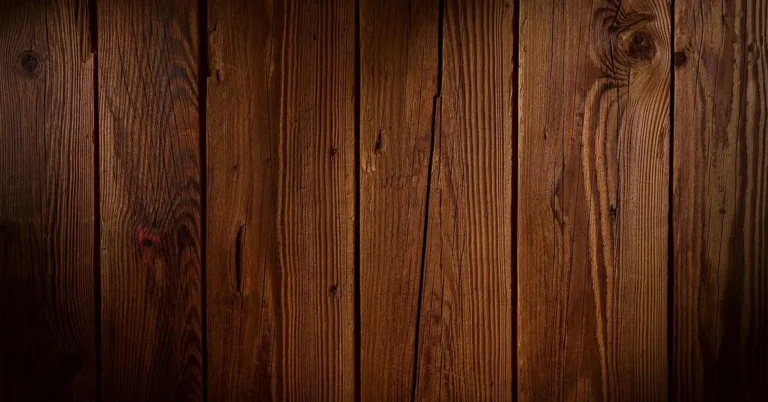
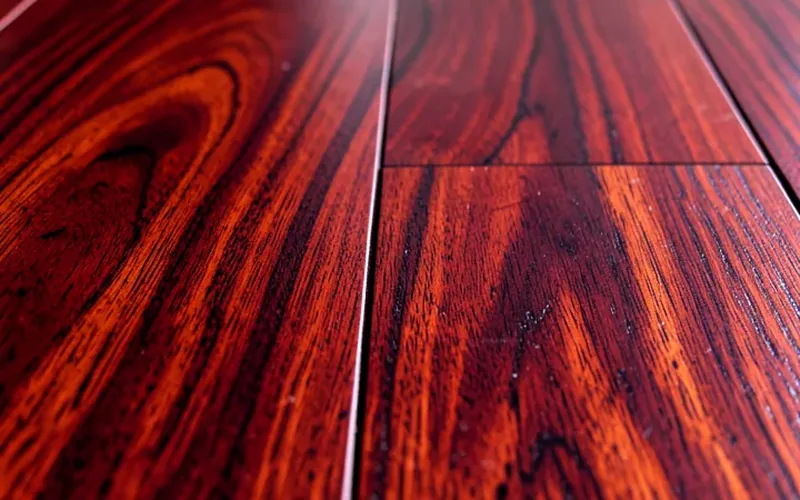
One of the most distinctive features of Brazilian cherry is its color. It starts as a light reddish-brown and darkens significantly with age and UV exposure, developing into a rich, deep red or reddish-brown over months. This natural aging process means the floor evolves over time, and the color variation within a single plank and across the floor adds character rather than appearing monotonous.
Durability and Hardness
Brazilian cherry rates 2,350 lbf on the Janka hardness scale – well above domestic cherry wood and most common hardwood flooring species, including white oak (1,360) and maple (1,450). This makes it exceptionally resistant to dents, scratches, and general wear, which matters for busy households with kids or pets, or any high-traffic hallway or entry.
Exotic Origin and Uniqueness
Sourced from Central and South America, Brazilian cherry offers an exotic touch that sets it apart from more common domestic hardwoods, bringing a sense of the tropical and rich natural heritage into a home.
Investment Value
Beyond aesthetics, the longevity and durability of Brazilian cherry contribute to its value as an investment. A well-maintained hardwood floor this resilient can last for decades, adding significant value to a property – a practical consideration that plays a real role in its sustained popularity even during years it fell out of trend.
Are Brazilian Cherry Floors in Style? Design Trends
The direct answer is yes, but integration into a contemporary home requires thoughtful design choices – it isn’t a one-size-fits-all solution, but it’s incredibly impactful when styled correctly.
Embracing Rich Tones in Contemporary Spaces
Modern design is moving away from stark minimalism and cool gray palettes and embracing warmer, more complex color again. This shift is exactly where Brazilian cherry shines – its deep reds and browns can anchor a room, providing a sophisticated backdrop for a variety of decor styles.
- Warm minimalism: Pair with creamy whites, soft grays, and natural wood accents so the floor is the star without overwhelming the space.
- Transitional design: Blends traditional and contemporary elements; Brazilian cherry bridges the gap as a classic foundation for modern furniture.
- Maximalism and eclectic styles: Its intensity complements vibrant colors, patterned textiles, and an array of decorative objects.
Pairing with Complementary Colors and Materials
The success of Brazilian cherry floors in a modern home often hinges on the surrounding elements – careful selection of wall colors, furniture, and accent pieces can either highlight or detract from the floor’s beauty.
Wall colors: soft whites, warm off-whites, and muted grays provide balanced contrast; muted blues and greens create a sophisticated, grounded feel against the warm reds; deep greens, blues, or charcoal work as bolder accent walls.
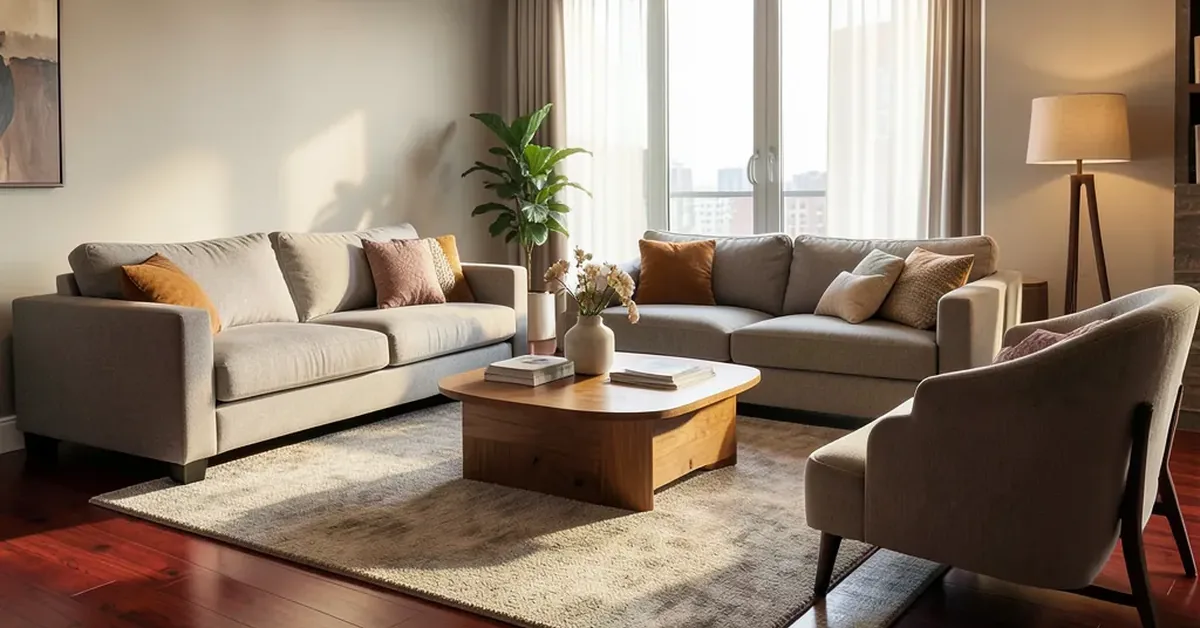
Furniture: wood tones like walnut or oak create a harmonious, layered look; cream, beige, charcoal, or light gray upholstery offers a soft landing for the eye; rich brown or black leather complements the warmth; brushed brass, antique bronze, or matte black hardware adds modern polish.
Textiles and rugs: contemporary geometric patterns in neutral tones add interest without clashing; jute, sisal, or chunky knit rugs introduce texture; subtle florals or abstracts work if they incorporate tones found in the wood.
Brazilian Cherry in Different Room Styles
Living rooms: creates an inviting, luxurious atmosphere; pair with a large neutral-toned rug and clean-lined furniture with metallic accents.
Dining rooms: adds a sense of occasion; pair with a darker or sleek modern table and upholstered chairs in a rich fabric.
Bedrooms: evokes a cozy, serene retreat; balance the floor’s intensity with softer bedding in lighter shades and natural materials like linen or cotton.
Kitchens and hallways: darker cabinets create warm contrast, lighter cabinets get a grounding element; the wood’s hardness is a genuine advantage in high-traffic hallways.
Considerations for Modernizing Brazilian Cherry
Matte or satin finishes generally read as more contemporary than high-gloss, which can look dated. Wider planks (5 inches or more) are perceived as more modern and luxurious, though standard-width planks can still look current when installed with minimal gaps and a consistent pattern.
When Brazilian Cherry Might Not Be the Best Fit
In very dark, almost-black interiors with minimal contrast, the strong red tones can compete rather than complement. In extremely stark, monochromatic, ultra-minimalist spaces with no room for warmth, Brazilian cherry can feel out of place. Very dark, cool-toned cabinetry can also clash with Jatoba’s warm red undertones rather than harmonize.
Brazilian Cherry vs. Other Popular Hardwoods
| Feature | Brazilian Cherry (Jatoba) | White Oak | Maple | Walnut |
|---|---|---|---|---|
| Color | Deep red to reddish-brown, significant variation | Light brown to grayish-brown | Creamy white to light brown | Rich brown, dark grain |
| Janka hardness | 2,350 lbf | 1,360 lbf | 1,450 lbf | 1,010 lbf |
| Style appeal | Warm, exotic, statement piece | Versatile, classic, natural | Light, airy, contemporary | Sophisticated, deep, traditional-to-modern |
| Best paired with | Warm neutrals, transitional, eclectic decor | Almost any style | Modern, minimalist decor | Traditional, modern, art deco |
White oak and maple are known for versatility and lighter tones suited to minimalist trends, but Brazilian cherry offers a distinct warmth and dramatic character. Walnut is a rich, dark alternative that’s also trending, but Jatoba’s red undertones give it a genuinely different look from any of the three.
Frequently Asked Questions
Is Brazilian cherry flooring too dark for a small room?
Not necessarily. In a small room, Brazilian cherry can create a sense of coziness and sophistication rather than making it feel smaller, especially paired with lighter wall colors and adequate lighting. Balance is the key factor, not room size alone.
Can I refinish Brazilian cherry floors?
Yes. Because of its hardness (2,350 Janka), refinishing requires professional-grade equipment and expertise. You can retain the natural rich color or opt for a stain, though stains may not take as evenly on this dense wood as they would on a softer species.
How do I prevent my Brazilian cherry floors from fading unevenly?
Brazilian cherry naturally darkens with UV exposure, which is normal aging rather than damage. To avoid uneven darkening, use curtains or blinds to filter direct sunlight during peak hours, and move rugs periodically so one area doesn’t darken faster than the rest.
Are there environmental concerns with Brazilian cherry?
Like many exotic hardwoods, sourcing matters. Look for wood certified by organizations that verify sustainable forestry practices to help ensure it wasn’t harvested through deforestation.
What is the best way to clean Brazilian cherry floors?
Regularly sweep or vacuum with a soft brush attachment to remove dirt and debris, then damp-mop (not wet-mop) with a pH-neutral wood floor cleaner for a deeper clean. Avoid excessive water and harsh or acidic chemicals, which can dull the finish.
Final Thoughts
Brazilian cherry floors possess a unique beauty that remains genuinely in style today, and 2026’s shift back toward rich browns and reds only strengthens that case. Their warm color and 2,350-Janka durability offer a timeless appeal that grounds contemporary interiors when paired with the right neutrals, a matte or satin finish, and wider planks. They aren’t the right fit for every hyper-minimalist or ultra-dark design scheme, but for most homes, styled with intention, they’re a compelling long-term investment rather than a dated relic.
Sponsored / affiliate links. As an Amazon Associate I earn from qualifying purchases. I may earn additional commission from eligible campaigns.