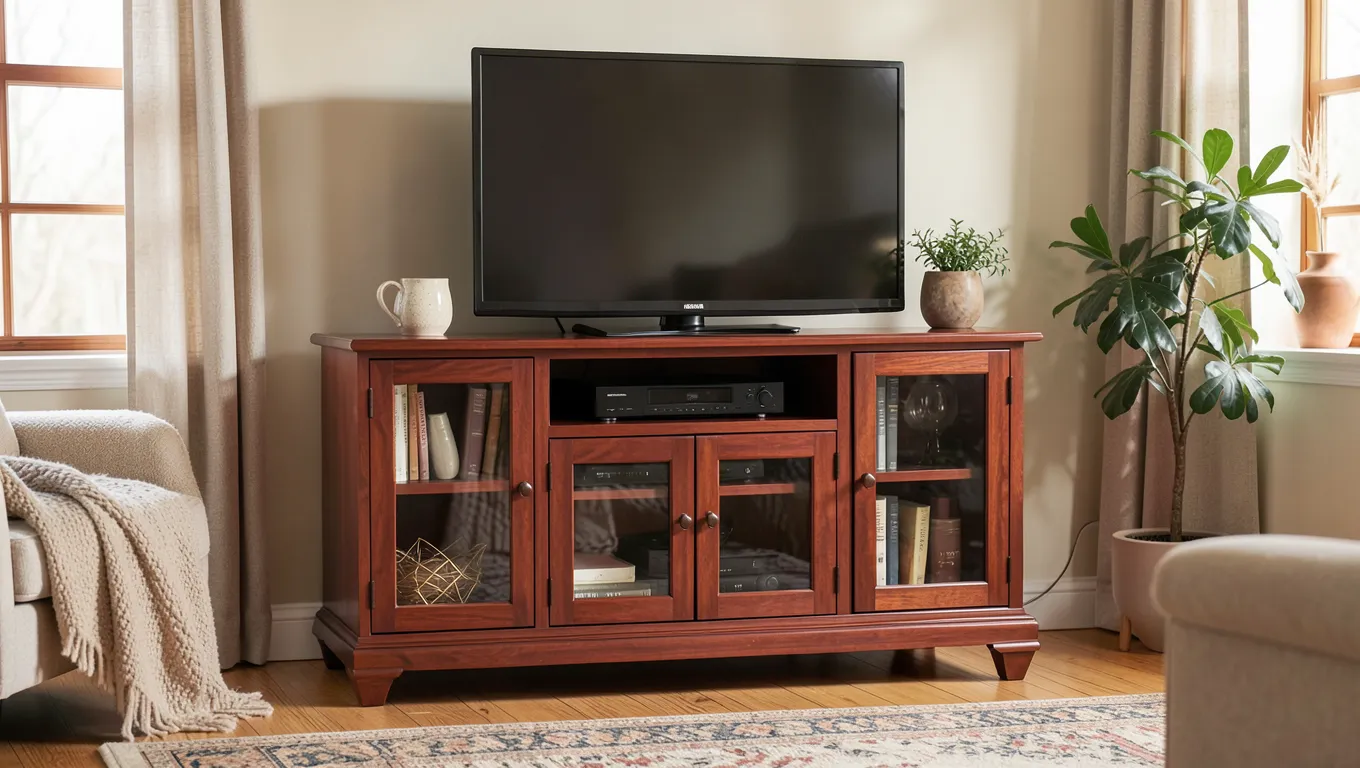
Cherry Wood Entertainment Stand: What to Look For Before You Buy
Cherry wood entertainment stands are popular for their warm reddish-brown tone, but that color isn’t fixed – cherry darkens noticeably with light exposure over its first one to two years, so a stand that looks light honey-brown in the showroom will look different in your living room a year later. That’s the single most important thing to know before buying one, and it’s rarely mentioned in product listings.
Here’s what actually separates a good cherry stand from a mediocre one, and how to keep it looking right once you own it.
Solid Cherry vs. Cherry-Finish Veneer or Laminate
Solid Cherry-Finish Pick
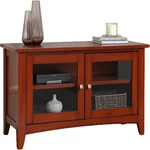 |
Alaterre Shaker Cottage Cherry TV Stand (36″) – $223 This is a real example of the style discussed below – a compact cottage-style stand with a glass door cabinet, sized for TVs up to 40 inches.
|
“Cherry wood entertainment stand” gets used loosely in furniture listings, and it’s worth checking which of these you’re actually buying:
- Solid cherry: real cherry lumber throughout. Heavier, more expensive, and it will show the natural color-darkening process most dramatically since the whole piece is genuine wood.
- Cherry veneer over plywood or MDF core: a thin layer of real cherry over a manufactured core. Looks identical to solid cherry on the surface, costs less, and is actually more dimensionally stable (less prone to seasonal warping) since the core doesn’t move with humidity the way solid wood does.
- Cherry-finish laminate: no real cherry at all – a printed or stained finish over particleboard or MDF designed to look like cherry. This is the budget tier, and it won’t develop the color-deepening or grain character of real wood over time since there’s no real cherry grain underneath.
None of these is automatically “wrong” to buy – a laminate stand is a reasonable choice for a media room that gets heavy use, while solid or veneer cherry makes more sense as a furniture piece you want to look genuinely nice for a decade or more. The problem is only when a listing implies solid wood but delivers laminate; check the material description, not just the product photo.
What to Check Before You Buy
- Weight capacity of the top surface – match it against your actual TV’s weight, not just screen size, since older and larger TVs can weigh considerably more than a slim modern flat panel of the same diagonal size.
- Cable management – a rear cutout or routing holes matter more once you’ve got a cable box, streaming device, soundbar, and game console all plugged in behind it.
- Ventilation for enclosed cabinets – if the stand has closed doors over a shelf meant for a receiver or game console, check for vent holes; electronics running inside a sealed wood cabinet can overheat.
- Actual dimensions against your TV’s base – a stand rated for “up to 65 inches” is describing the screen size it can visually support, not necessarily that every 65-inch TV’s specific stand/leg spread will fit the surface without overhang.
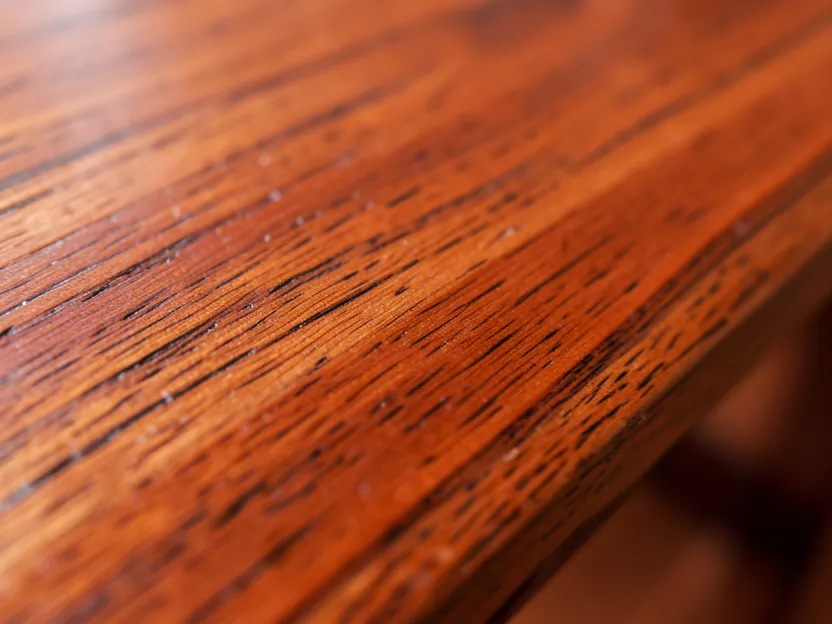
Caring for Cherry Long-Term
- Expect color change. This isn’t damage or a defect – cherry oxidizes and darkens with UV/light exposure, most dramatically in the first year. A stand kept out of direct sunlight will darken more evenly; one with a rug or object left on top for months will show a visible lighter patch underneath once you move it.
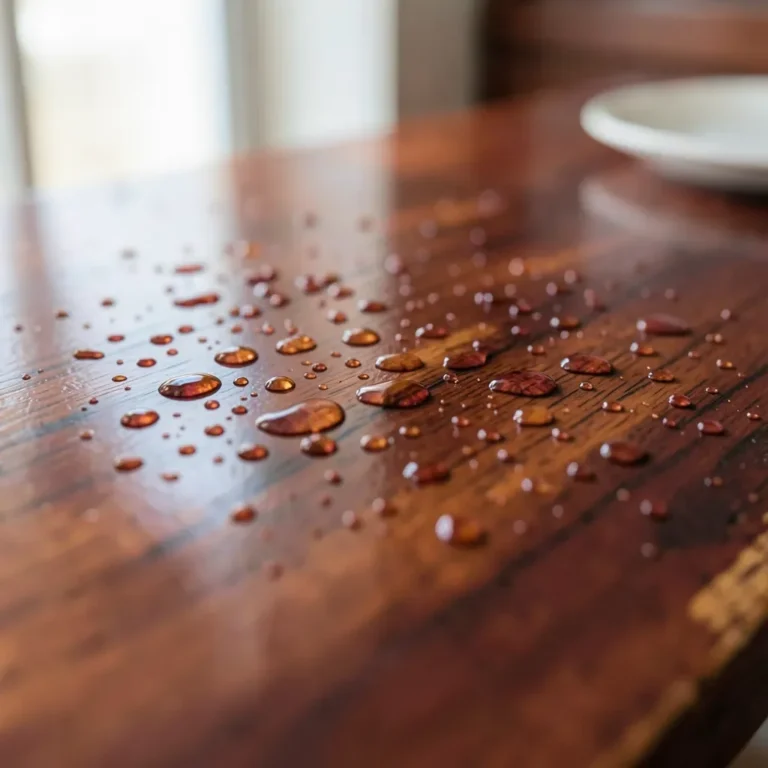
- Wipe spills immediately. Cherry is a moderately soft hardwood (softer than oak, harder than pine) and its finish can show water rings if liquid sits on it for an extended period, particularly on stands with a lower-grade lacquer finish rather than a catalyzed or polyurethane topcoat.
- Dust with a dry or slightly damp microfiber cloth rather than furniture polish with silicone, which can build up a hazy film over repeated use and is difficult to fully remove later.
- Use coasters or pads under anything with rubber feet (some AV equipment, older cable boxes) – certain rubber compounds can react with wood finishes over months of direct contact and leave a discolored mark.
Styling Notes
Cherry’s warm reddish-brown tone pairs naturally with warm neutrals, cream, and deep greens, and tends to clash with very cool-toned grays or stark white minimalist rooms unless you’re deliberately going for contrast. If you’re mixing furniture pieces, cherry can look mismatched next to a completely different wood tone (like a gray-washed oak coffee table) in the same sightline – most designers either match wood tones within a room or commit to an intentional, obvious contrast rather than landing in between.
Frequently Asked Questions
What is cherry wood?
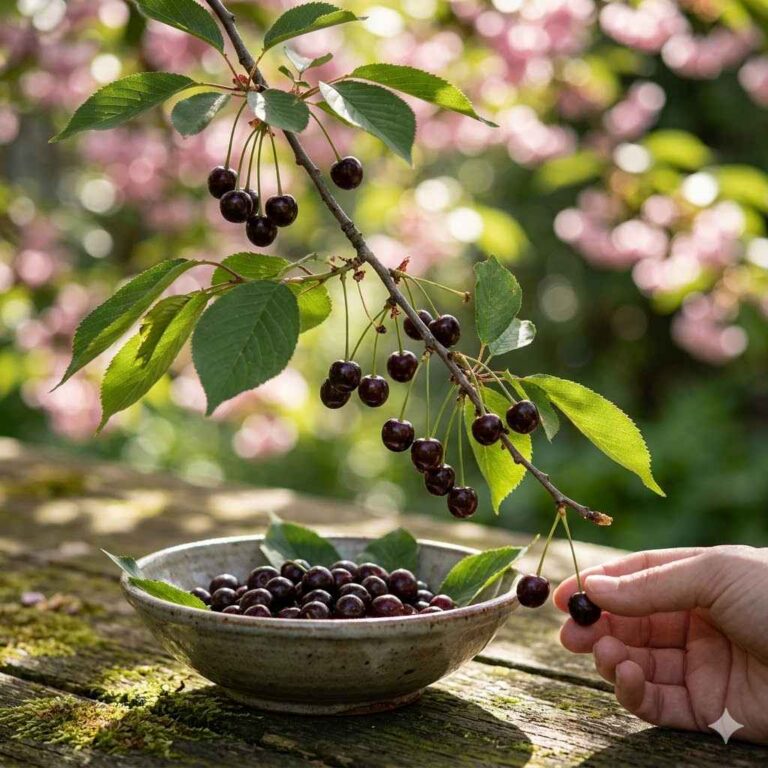
Cherry is a moderately hard, fine-grained hardwood from the black cherry tree, valued in furniture for its smooth grain and warm reddish-brown color, which deepens with age and light exposure rather than staying a fixed shade.
How do I clean a cherry wood entertainment stand?
Dust with a dry or slightly damp microfiber cloth, wipe up spills immediately to avoid water rings, and avoid silicone-based furniture polishes, which can build a hazy film on the finish over repeated use.
Is cherry wood better than other woods for a TV stand?
Not objectively better – it’s softer than oak or maple, so it’s somewhat more prone to dents and scratches, but its color and fine grain are widely considered more visually warm than lighter woods. The right choice depends on your room’s style and how much wear the stand will realistically take.
Can I refinish a cherry wood stand?
Solid cherry and cherry veneer can both be lightly refinished (sanding and recoating) if the piece is real wood, though veneer needs a much lighter touch since sanding through a thin veneer layer exposes the core material beneath it. Cherry-finish laminate cannot be meaningfully refinished, since there’s no real wood grain under the printed surface.
Conclusion
Know what you’re actually buying – solid cherry, veneer, or laminate – since that determines both the price and how the piece ages. Expect the color to deepen over the first year or two regardless of which one you choose, wipe up spills promptly, and match the stand’s weight capacity to your actual TV rather than just its screen size, and a cherry stand holds up well as a long-term furniture piece rather than a short-term media shelf.
Sponsored / affiliate links. As an Amazon Associate I earn from qualifying purchases. I may earn additional commission from eligible campaigns.