Black Cherry vs Chokecherry: Leaf, Bark & Toxicity Differences
Black cherry (Prunus serotina) grows into a 50-80 foot tree with glossy leaves and sweet, dark fruit, while chokecherry (Prunus virginiana) stays under 25 feet with bitter, astringent fruit – yet both share cyanide-toxic pits, bark, and wilted leaves. The risk is highest for livestock: as little as 1.2 to 4.8 pounds of wilted black cherry leaves can kill a 1,200-pound cow. This guide covers leaf and bark differences, ripening times, toxicity risks, and which wood works for furniture.

Identifying Black Cherry Trees
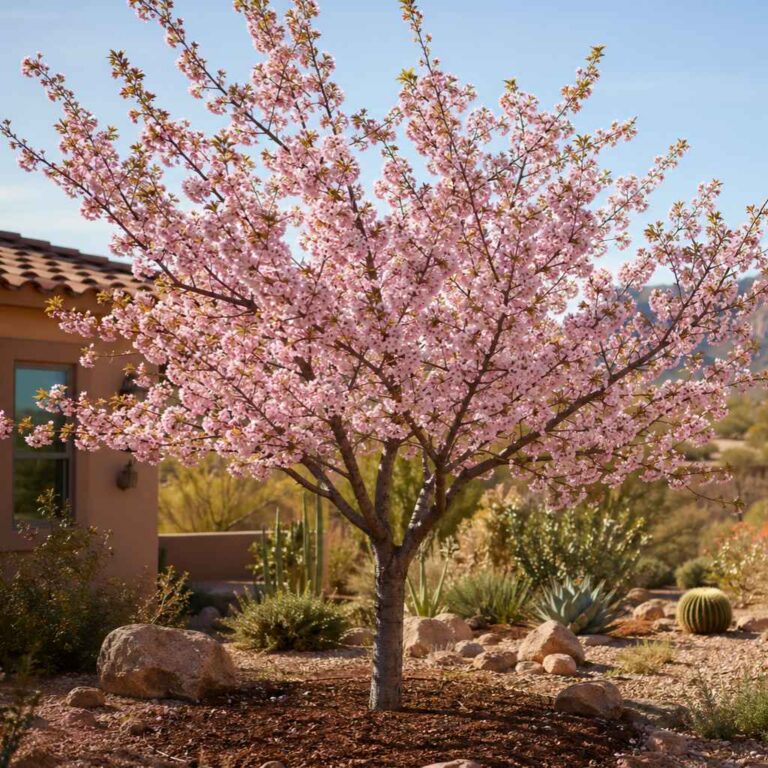
The black cherry tree, scientifically known as Prunus serotina, is a native North American species that can grow quite large, often reaching heights of 50 to 80 feet, sometimes even more. Its bark is smooth and dark grey or black on younger trees, developing a distinctive scaly, almost charred appearance with age, often marked by prominent horizontal lenticels (small pores).
The leaves of the black cherry are lance-shaped, with finely toothed edges that curve inward toward the leaf tip and a glossy dark green surface. They typically measure 2 to 5 inches long. A close look at the underside of the midrib reveals fine hairs, blond when the leaf is young and turning rust-colored with age – a detail worth checking when the bark alone isn’t conclusive. In the spring, the tree produces fragrant white flowers that hang in drooping clusters called racemes.
These flowers are a welcome sight, attracting pollinators.
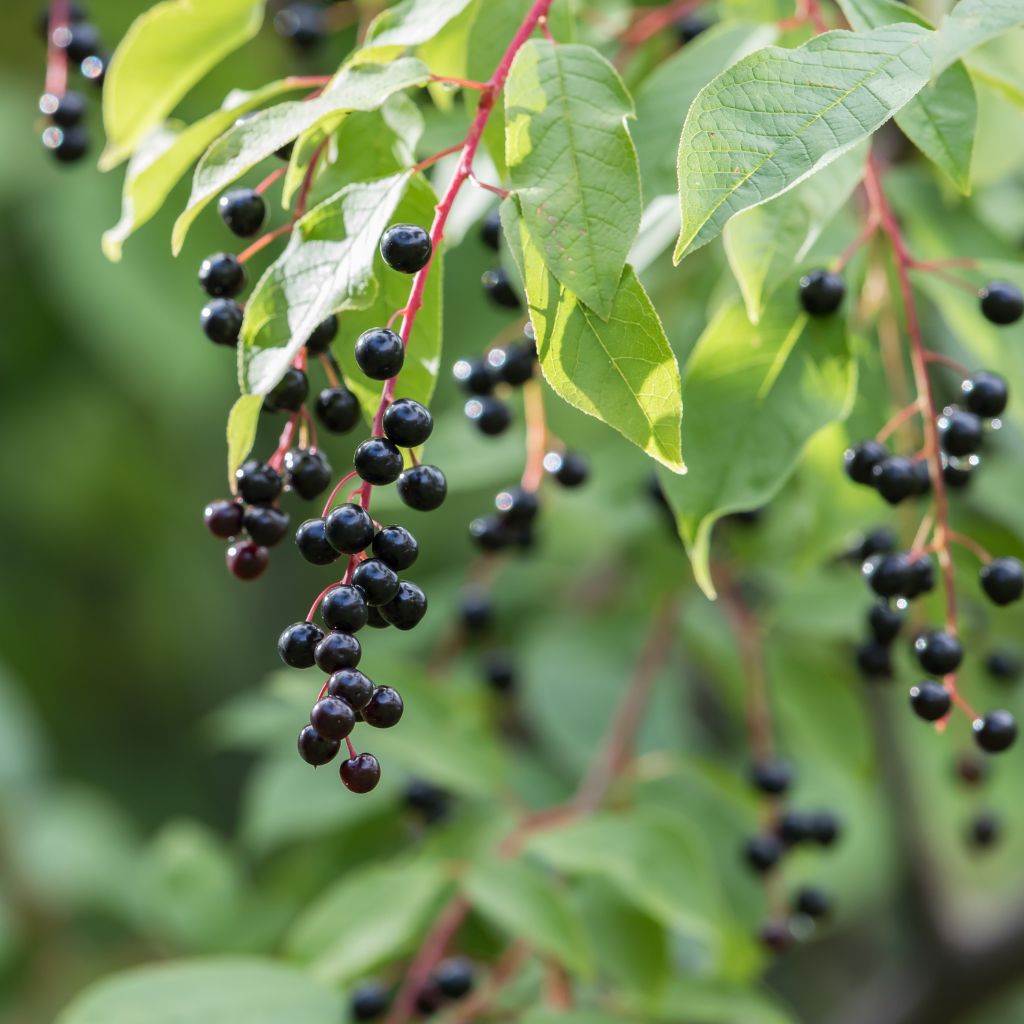
The fruit is where much of the interest lies. Black cherry fruits are small, round drupes, about the size of a pea, that ripen from red to a deep purplish-black in late summer into fall. They grow in elongated clusters.
The flesh of the ripe fruit is sweet and palatable, though the pit inside is toxic. These cherries are a favorite food for many birds and small mammals.
Black Cherry Fruit Characteristics
- Appearance: Small, round, ripening from red to deep purplish-black.
- Taste: Sweet and slightly tart when fully ripe.
- Texture: Juicy flesh.
- Size: Typically 1/4 to 1/2 inch in diameter.
- Growth Habit: Hangs in drooping, elongated clusters.
Black Cherry Uses
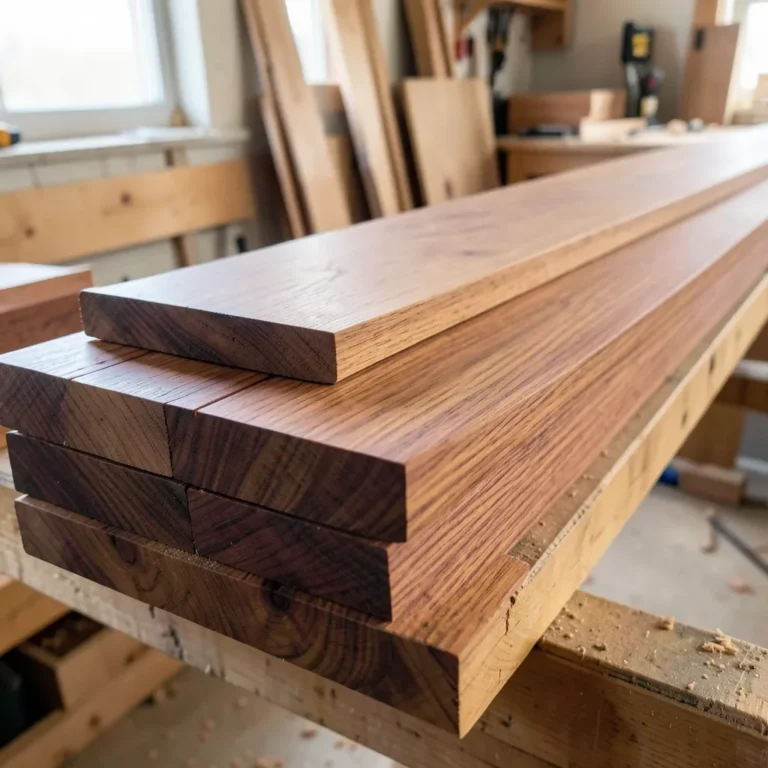
The wood of the black cherry tree is highly valued in furniture making and for creating decorative veneers due to its rich color and attractive grain. For culinary purposes, the ripe fruits are used to make jams, jellies, pies, syrups, and even wine. It’s important to remember to remove the pits before consumption, as they contain cyanogenic glycosides, which can be harmful.
One thing to plan for if you’re bringing black cherry lumber into the shop: the wood is notorious for blotching when stained directly, because it absorbs stain unevenly across its grain. A pre-stain wood conditioner applied first evens out that absorption so the color comes out consistent rather than patchy – see the pick below.
Best Cherry Wood Pre-Stain Pick
 |
Minwax Pre-Stain Wood Conditioner (1/2 Pint) – $6.56 Cherry wood’s tight, uneven grain is exactly the kind of porous surface this conditioner is made for – apply it before staining any black cherry furniture project to avoid the blotching mentioned above.
|
Identifying Chokecherry Trees
The chokecherry tree, or Prunus virginiana, is another native species, but it typically remains much smaller than the black cherry, usually growing as a large shrub or a small tree, rarely exceeding 25 feet in height. Its bark is generally smooth and grey, often with small white dots, and it lacks the distinctive scaly appearance of mature black cherry trees. Chokecherry also has the wider range of the two, reaching from Newfoundland to British Columbia and south into the Southwest, while black cherry is concentrated mainly in the eastern half of the country.
Chokecherry leaves are oval to oblong, with finely serrated (straight, not incurved) edges and a duller green color compared to black cherry’s glossy leaves. They are generally shorter, measuring 1 to 4 inches long. Like the black cherry, chokecherry trees produce white flowers in drooping racemes in the spring.
The fruit of the chokecherry is perhaps its most defining feature. The cherries are small, similar in size to black cherries, and also ripen from red to a dark purplish-black, typically a few weeks earlier in the season than black cherry. However, they tend to grow in denser, shorter clusters.
The name “chokecherry” comes from the astringent, bitter taste of the raw fruit, which can leave a puckering sensation in the mouth.
Chokecherry Fruit Characteristics
- Appearance: Small, round, ripening from red to dark purplish-black.
- Taste: Very astringent and bitter when raw, can be somewhat sweet after frost.
- Texture: Tart, often described as puckering.
- Size: Similar to black cherries, about 1/4 to 1/2 inch in diameter.
- Growth Habit: Hangs in dense, shorter clusters.
Chokecherry Uses
While the raw fruit is generally too bitter for most people to enjoy, chokecherries have traditional uses. After being exposed to frost, their flavor can become milder and sweeter, making them more palatable. They are often processed into jellies, jams, sauces, and wines, where the added sugar helps to balance the tartness.
Like black cherries, the pits contain toxins and should be discarded. The plant itself can also have medicinal uses in some traditional practices.
When Do They Ripen? Timing Helps Tell Them Apart
Ripening time is a simple field check that most identification guides skip. Chokecherries typically ripen first, in mid-to-late summer while black cherries are still green and developing on the tree. Black cherries ripen later, often not turning fully purplish-black until early fall. If you’re looking at a tree with fully ripe dark fruit in July, it’s more likely chokecherry; the same tree still holding dark fruit into September points to black cherry.
Key Differences at a Glance
To help solidify the differences between black cherry and chokecherry, here’s a side-by-side summary:
| Feature | Black Cherry (Prunus serotina) | Chokecherry (Prunus virginiana) |
|---|---|---|
| Mature Tree Size | Large tree, 50-80+ feet tall | Shrub or small tree, up to 25 feet tall |
| Bark Texture | Smooth and dark on young trees; scaly and black on mature trees | Smooth and grey, with white dots; not scaly |
| Leaf Shape, Teeth & Finish | Lance-shaped, finely toothed edges curve inward, glossy dark green | Oval to oblong, straight serrated edges, duller green |
| Fruit Cluster Appearance | Drooping, elongated racemes | Denser, shorter clusters |
| Typical Ripening Time | Early fall | Mid-to-late summer, weeks earlier |
| Native Range | Mainly eastern North America | Newfoundland to British Columbia, south to the Southwest |
| Raw Fruit Taste | Sweet and palatable when ripe | Very astringent, bitter, puckering |
Toxicity and Safety Considerations
Both black cherry and chokecherry plants contain cyanogenic glycosides, particularly in the pits, bark, and leaves. While ripe cherry flesh is generally considered safe to eat in moderate amounts, the pits are toxic and should never be consumed. Even small amounts of cyanide can cause health problems.
The greatest real-world danger isn’t from people eating the fruit – it’s from livestock browsing on wilted leaves. Cyanide concentrates as cherry-tree foliage wilts after a storm breaks branches or an early frost hits, which is exactly when grazing animals are most likely to encounter it in a pasture.
📊 As little as 1.2 to 4.8 pounds of wilted black cherry leaves can be a lethal dose for a 1,200-pound dairy cow; for a 180-pound sheep, the lethal amount is only 0.18 to 0.72 pounds. — Source: Penn State Extension, Cyanide Poisoning of Livestock from Cherry Tree Leaves
Penn State Extension’s livestock guidance is blunt about the timing: wilted, bruised, or frost-damaged cherry foliage is more dangerous than fresh leaves, because cyanide release increases as the plant tissue breaks down – not less, as many pasture owners assume.
If you are foraging for cherries, be absolutely certain of your identification and remove all pits before preparation. Symptoms of cyanide poisoning can include headache, dizziness, nausea, vomiting, and in severe cases, respiratory distress and even death. If you keep livestock, remove any cherry saplings from pasture and fence lines, and watch closely after storms for broken branches that fall within reach of grazing animals.
Ecological Importance
Both black cherry and chokecherry trees play vital roles in their respective ecosystems. They provide valuable food sources for a wide array of wildlife, including birds, deer, bears, and many small mammals. The flowers offer nectar and pollen for insects, contributing to pollination.
Their presence also provides habitat and shelter. Recognizing these trees helps us appreciate their contribution to biodiversity.
Frequently Asked Questions
Can I eat chokecherries raw?
While technically edible, raw chokecherries are very astringent and bitter, often causing a puckering sensation. It’s generally recommended to process them into jellies or jams, where added sugar can balance the tartness.
Are all parts of the black cherry tree poisonous?
No. The flesh of ripe black cherries is edible, but the pits, bark, and leaves contain cyanogenic glycosides and should not be consumed.
How can I tell if a cherry is ripe for eating?
For black cherries, ripeness is indicated by a deep purplish-black color and a sweet taste, usually in early fall. For chokecherries, while they also turn dark weeks earlier in summer, the raw taste remains very tart until after a frost softens them.
Which ripens first, chokecherry or black cherry?
Chokecherry ripens first, typically in mid-to-late summer. Black cherry ripens later, often not reaching full color until early fall, which is a useful field clue when the leaves and bark look ambiguous.
Is chokecherry poisonous to dogs?
Yes. Chokecherry pits, stems, and leaves contain cyanide-producing compounds that are toxic to dogs, according to the Pet Poison Helpline. The ripe flesh in small amounts is less of a concern, but pets should be kept from chewing on stems, pits, or wilted foliage.
Can the wood of these trees be used for anything?
Yes, black cherry wood is highly valued for its attractive grain and rich color, often used in fine furniture and cabinetry – see the current value of black cherry lumber if you’re considering harvesting it. Chokecherry wood is less commonly used due to its smaller size, but can be utilized for smaller craft projects.
What should I do if I suspect I’ve eaten too many cherry pits?
If you experience symptoms of cyanide poisoning such as dizziness, nausea, or difficulty breathing after consuming parts of cherry trees, seek immediate medical attention.
Final Thoughts
Distinguishing between black cherry and chokecherry trees is a valuable skill for anyone who enjoys the outdoors, keeps livestock, or is interested in wild edibles. By paying attention to tree size, bark texture, leaf tooth shape, ripening time, and how the fruit tastes, you can confidently identify these two common species – and learn more about related trees like wild cherry trees generally or whether cherry trees are poisonous in more detail. Remember that while the ripe flesh of black cherries is a delicious treat for jams and pies, chokecherries require processing to overcome their intense bitterness.
Always exercise caution when foraging, ensure positive identification, never consume the pits, and keep grazing animals away from wilted cherry foliage. Appreciating these differences allows for safer and more informed interaction with the natural landscape, enhancing your experiences with the bounty nature offers.
Sponsored / affiliate links. As an Amazon Associate I earn from qualifying purchases. I may earn additional commission from eligible campaigns.