
Are Cherry Pits Toxic What You Need to Know
You’re enjoying a bowl of fresh cherries, sweet and juicy. You pop one into your mouth, savor the flavor, and then… what do you do with the pit? Some people spit them out, others swallow them without a second thought.
This common habit often leads to a pressing question: Are cherry pits toxic? If you’ve ever wondered about the safety of accidentally ingesting a cherry pit, this guide will provide clear answers. We’ll explore what makes them potentially harmful, what happens if you swallow one, and how to enjoy cherries safely, so you can feel confident about your fruit choices.
Are Cherry Pits Toxic What You Need to Know
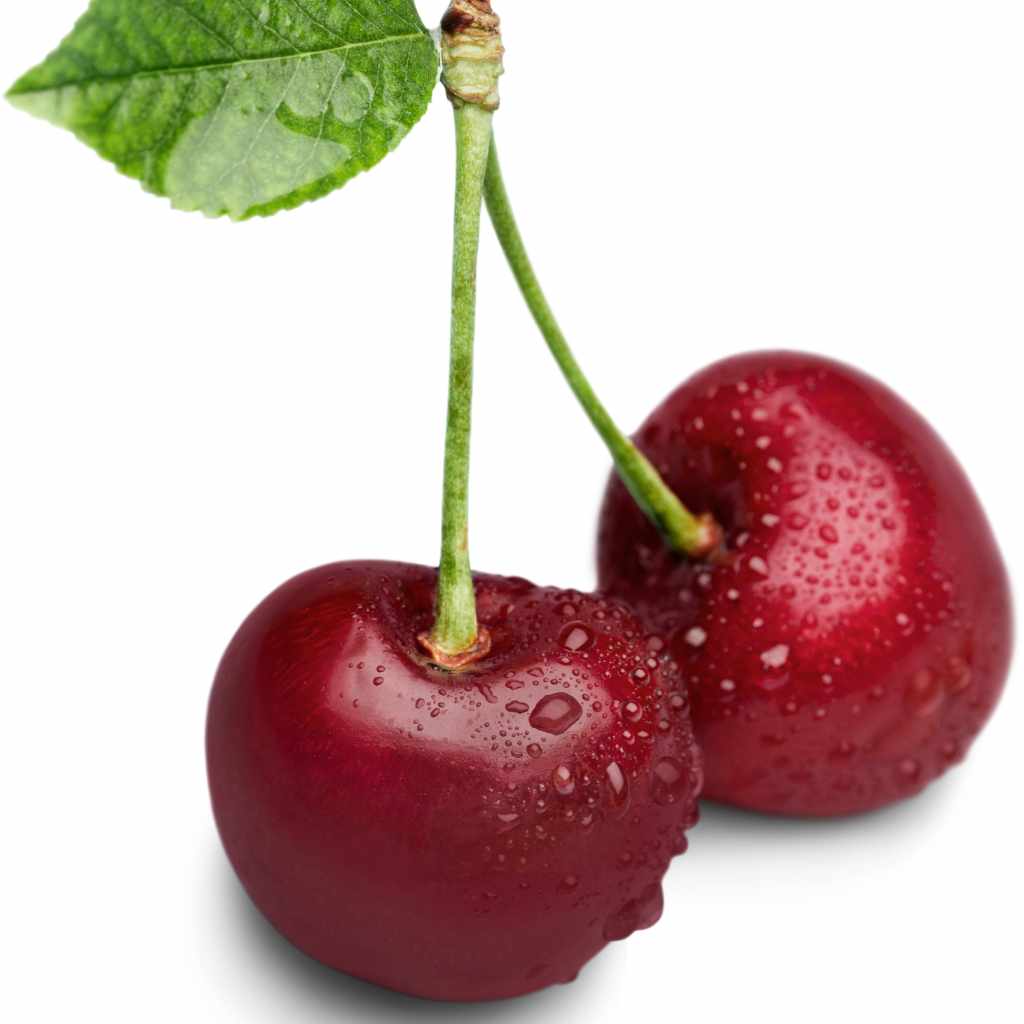
Cherries are a delightful summer fruit, loved for their sweet or tart flavors and vibrant color. Many of us enjoy them fresh off the tree or baked into pies and desserts. When eating cherries, the pit is usually discarded.
However, it’s not uncommon for a pit to be accidentally swallowed, especially when eating cherries quickly or when they are pitted for recipes. This naturally brings up concerns about their safety. So, are cherry pits toxic? The short answer is yes, but with important caveats regarding the form and quantity consumed.
Understanding the Cyanide Connection
The concern surrounding cherry pits, along with pits from other fruits like peaches, plums, apricots, and almonds, stems from their natural chemical composition. These pits contain compounds called cyanogenic glycosides. When the seeds or pits of these fruits are crushed, chewed, or damaged, these glycosides can break down and release hydrogen cyanide.
Cyanide is a potent toxin that can interfere with the body’s ability to use oxygen. In very high doses, cyanide poisoning can be extremely dangerous and even fatal. This is the primary reason why cherry pits are considered potentially toxic.
The chemical compound responsible is amygdalin, which is a type of cyanogenic glycoside found in the kernel of the pit.
How Much Is Too Much
It’s crucial to emphasize that not all exposure to these compounds is harmful. The amount of amygdalin present in a single cherry pit is very small. For a person to experience significant poisoning from cherry pits, they would need to consume a very large number of them, and importantly, the pits would need to be thoroughly chewed or crushed.
The human body has a natural ability to process small amounts of cyanide. When you accidentally swallow a whole cherry pit, it’s likely to pass through your digestive system intact. Your body won’t be able to break down the pit sufficiently to release a dangerous amount of cyanide.
Therefore, swallowing one or two whole cherry pits is generally not a cause for alarm.
The real risk arises when pits are deliberately processed or consumed in large quantities, or if they are chewed extensively.
The Difference Between Raw Pits and Processed Seeds
The key factor in whether cherry pits pose a threat lies in their physical state and the quantity consumed. Raw cherry pits, when swallowed whole, are designed to pass through the digestive system without being broken down. Their hard outer shell protects the amygdalin within.
However, if the pits are crushed, ground, or chewed, the amygdalin is exposed and can be converted into hydrogen cyanide. This is why consuming large quantities of chewed cherry pits or using them in food preparation without proper knowledge can be dangerous.
For instance, apricot kernels, which are closely related, have been marketed as health supplements. However, health authorities worldwide have warned against their consumption due to the high risk of cyanide poisoning. Cherry pits carry a similar, albeit generally lower, risk profile.
Symptoms of Cyanide Poisoning
If someone were to consume a significant amount of chewed cherry pits or other cyanogenic glycoside-rich seeds, symptoms of cyanide poisoning might appear. These symptoms can vary depending on the dose and individual sensitivity but can include:
- Nausea and vomiting
- Abdominal pain
- Headache
- Dizziness
- Confusion
- Rapid breathing and heart rate
- Weakness
- In severe cases, seizures, coma, and respiratory failure
It’s important to reiterate that these symptoms are associated with consuming large quantities of the released cyanide, not with accidentally swallowing a whole pit.
Safety Tips for Enjoying Cherries
Given the potential for toxicity, particularly when pits are damaged, here are some practical tips for enjoying cherries safely:
- Always Pit Them for Children: Children are more vulnerable due to their smaller body size. Always remove pits from cherries before giving them to young children to eat.
- Chew Carefully: When eating cherries, be mindful of the pits. If you do bite into a pit, it’s best to spit it out.
- Avoid Intentional Consumption: Do not deliberately chew or swallow large quantities of cherry pits.
- Proper Food Preparation: If you are using cherries in recipes where pits might be processed (like some traditional preserves or homemade liqueurs), ensure you follow established, safe methods that account for the pits, or remove them entirely.
- Store Safely: Keep cherries out of reach of very young children who might not understand the danger of pits.
Comparing Cherry Pits to Other Fruit Seeds
It’s useful to place cherry pits in context with other fruit seeds that contain similar compounds. While all share the potential for releasing cyanide, the concentration and the amount of seed material needed to cause harm can differ:
| Fruit Type | Seed Compound | Primary Concern | Risk Level (General) |
|---|---|---|---|
| Cherries | Amygdalin | Ingestion of many chewed pits | Low to moderate |
| Apricots | Amygdalin | Ingestion of many chewed kernels | Moderate to high |
| Peaches | Amygdalin | Ingestion of many chewed kernels | Moderate |
| Plums | Amygdalin | Ingestion of many chewed kernels | Moderate |
| Apples | Amygdalin (in seeds) | Ingestion of a large quantity of apple seeds | Low (requires many seeds) |
As the table shows, while the concern is similar, the quantity and processing method are key. Cherry pits are generally considered to have a lower risk profile than apricot or peach kernels when consumed in similar quantities and states.
Frequently Asked Questions
Question: Is it dangerous to swallow one cherry pit
Answer: Swallowing a single, whole cherry pit is generally not considered dangerous. The hard outer shell prevents your digestive system from releasing a harmful amount of cyanide. Your body is equipped to pass intact pits without issue.
Question: What if I chewed a cherry pit by accident
Answer: If you accidentally chewed one cherry pit, the risk is still very low for most adults. However, it’s a good idea to be aware of any unusual symptoms and to avoid deliberately chewing or swallowing more pits. If you experience symptoms like nausea or dizziness, consult a doctor.
Question: How many cherry pits can cause cyanide poisoning
Answer: It takes a very large number of chewed or crushed cherry pits to release a dose of cyanide that would cause serious poisoning in an adult. The exact number varies, but estimates suggest it would be in the dozens, and importantly, they would need to be significantly damaged to release the cyanide.
Question: Can cherry pits be used in recipes safely
Answer: Traditional recipes sometimes use cherry pits, particularly for flavoring liqueurs. However, this is done with caution, and specific processing methods are required to manage potential risks. For most home cooks, it is safest to remove all pits from cherries before using them in recipes.
Question: What should I do if my child swallows several cherry pits
Answer: If a child swallows several cherry pits, especially if they might have chewed them, it’s prudent to contact your pediatrician or a poison control center. While serious poisoning is unlikely, they can provide specific advice based on the child’s age and the number of pits ingested.
Final Thoughts
When you’re enjoying a bowl of fresh cherries, the question of are cherry pits toxic? often crosses your mind, especially if you’ve heard warnings about fruit seeds. The key takeaway is that while cherry pits do contain amygdalin, a compound that can release cyanide, the risk is generally low for accidental ingestion of whole pits. Your body is designed to pass them without extracting significant amounts of the toxic substance.
The danger increases dramatically if pits are chewed or crushed, allowing for the release of cyanide. Therefore, it’s always best to remove pits before eating cherries, particularly for children. Being mindful of this natural composition allows you to continue enjoying this delicious fruit with peace of mind, knowing how to handle them safely.
Focus on pitting them for ease and safety, especially when sharing with younger family members, and avoid intentionally consuming or chewing the pits.