Are There Poisonous Cherry Trees: What You Should Know?
Remember the sweet cherries you picked from your grandparent’s tree as a child? They were a delicious treat, a symbol of summer. But what if that beautiful cherry tree in your backyard held a hidden danger? Many people enjoy cherry trees for their blossoms and fruit, but few stop to consider if there are poisonous cherry trees and what parts of them might be harmful. This post will clear up any confusion about cherry tree toxicity, helping you enjoy your garden safely. You’ll learn about the specific parts of cherry trees that are toxic, why they are dangerous, and what steps you can take to ensure the safety of your family and pets.
Cherry trees are a beloved sight in many gardens and landscapes, often celebrated for their delicate spring blossoms and the sweet, juicy fruit they produce. However, a common question that arises for gardeners and homeowners is whether cherry trees pose a risk of poisoning. The short answer is yes, parts of cherry trees can indeed be toxic.
This isn’t to say you need to rip out your cherry tree immediately, but it is important to be aware of the potential dangers. Understanding which parts are harmful and why will allow you to appreciate your cherry tree while maintaining a safe environment.
Understanding Cherry Tree Toxicity
The concern about poisonous cherry trees stems from compounds found naturally within the plant. These compounds are called cyanogenic glycosides. When the plant material is damaged – for example, by chewing, bruising, or wilting – these glycosides can break down and release hydrogen cyanide.
Hydrogen cyanide is a potent poison that can interfere with cellular respiration, essentially preventing the body’s cells from using oxygen. This can lead to a range of symptoms depending on the amount ingested and the size of the individual (human or animal).
Which Parts of a Cherry Tree Are Toxic
It’s crucial to know that not all parts of the cherry tree contain these toxic compounds in significant amounts. The highest concentrations of cyanogenic glycosides are typically found in:
- Leaves
- Stems
- Roots
- Seeds (the hard pit inside the cherry fruit)
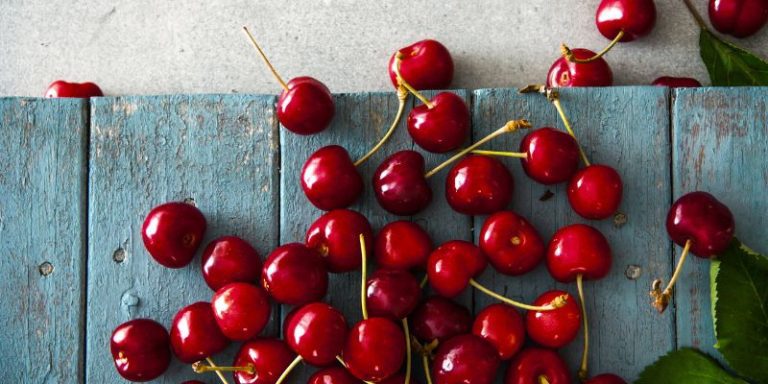
The fruit itself, the ripe cherry you enjoy eating, is generally considered safe. The flesh of the cherry contains very low levels of these compounds. However, the pit within the cherry is a different story.
These pits contain a higher concentration of cyanogenic glycosides, and if a person or pet chews and swallows a large number of them, it could lead to poisoning. This is why it’s a common piece of advice to avoid eating cherry pits.
Why Are These Parts Toxic
The presence of cyanogenic glycosides is a defense mechanism for the cherry tree. It helps protect the plant from being eaten by herbivores. When an animal chews on the leaves, stems, or bark, the plant releases these compounds, which can make the animal sick and deter them from further consumption.
For humans, accidental ingestion of large quantities of these toxic parts can have serious consequences.
Symptoms of Cherry Tree Poisoning
The symptoms of poisoning from ingesting toxic parts of a cherry tree can vary greatly. They often depend on how much of the plant material was eaten, the specific species of cherry tree, and the individual’s body weight and health. For humans, symptoms can include:
- Nausea and vomiting
- Abdominal pain
- Dizziness
- Headache
- Increased heart rate
- Difficulty breathing
- In severe cases, convulsions or coma
For pets, especially dogs and cats, symptoms might include:
- Vomiting
- Diarrhea
- Lethargy
- Dilated pupils
- Difficulty breathing
- Tremors
- Seizures
It’s important to note that small amounts of chewed leaves or accidentally swallowed pits might not cause significant harm, but larger quantities are a serious concern. If you suspect that you, a child, or a pet has ingested a significant amount of toxic cherry tree material, it’s vital to seek immediate veterinary or medical attention.
Common Cherry Tree Species and Their Toxicity
Most ornamental and fruit-bearing cherry trees belong to the Prunus genus. This genus includes a wide variety of species, such as:
- Black Cherry (Prunus serotina)
- Chokecherry (Prunus virginiana)
- Yoshino Cherry (Prunus yedoensis)
- Kwanzan Cherry (Prunus serrulata ‘Kwanzan’)
- Sweet Cherry (Prunus avium)
- Sour Cherry (Prunus cerasus)
The level of toxicity can vary slightly between these species, but generally, the parts containing cyanogenic glycosides (leaves, stems, roots, seeds) are considered potentially harmful across the board. For example, the Black Cherry and Chokecherry are known for having particularly high concentrations of these toxins in their foliage, especially when the leaves are wilting or damaged.
Ornamental Cherry Trees
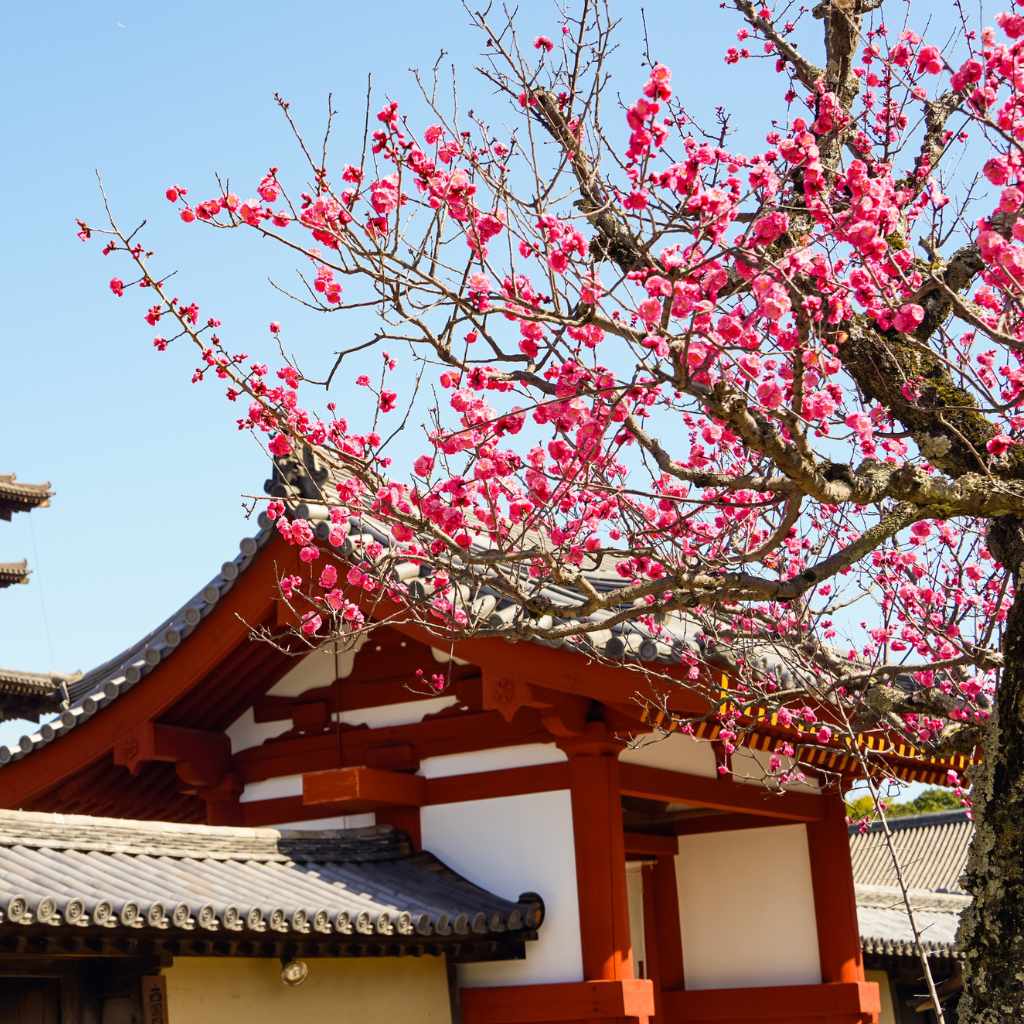
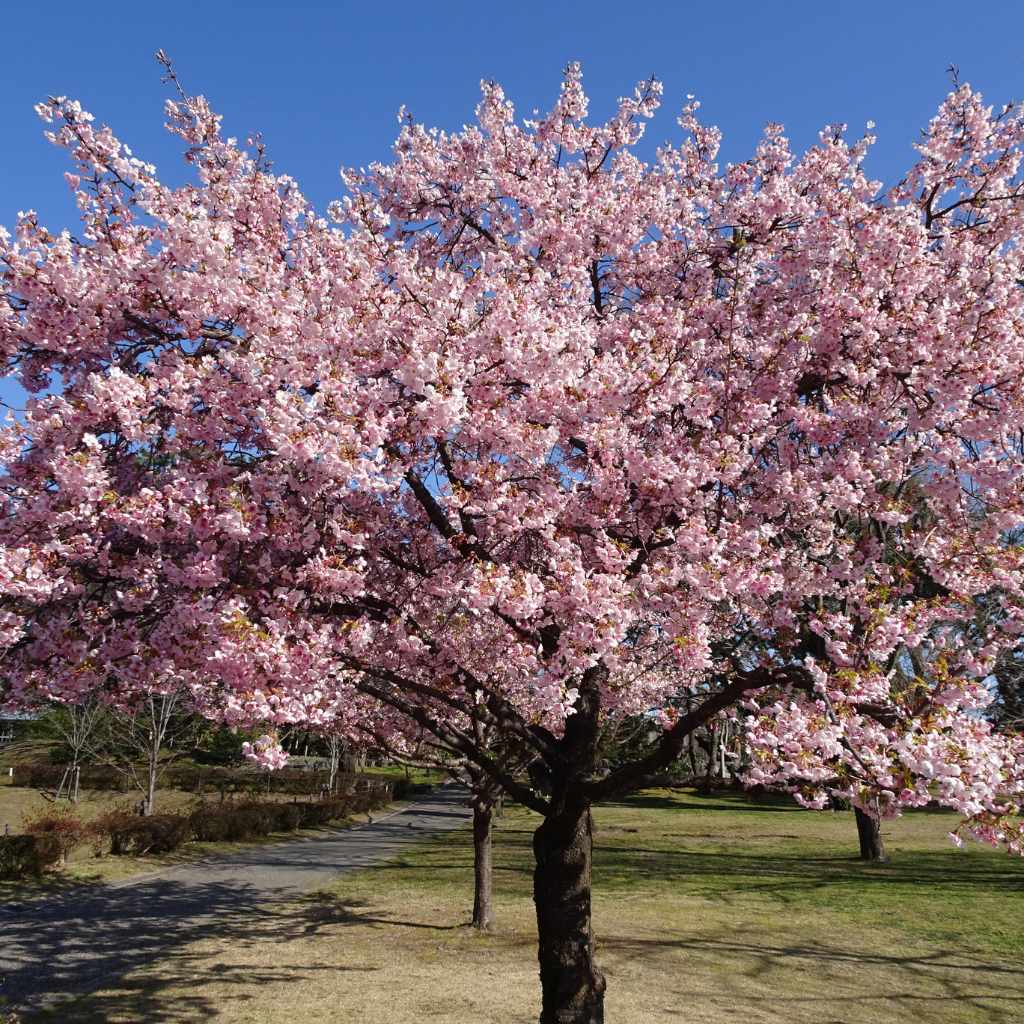
Ornamental cherry trees are often planted for their stunning floral displays. While they may not produce the same edible fruit as their cultivated cousins, their leaves, stems, and bark still contain the same toxic compounds. This means that even if you don’t have a fruit-bearing tree, an ornamental variety can still pose a risk if ingested.
Fruit-Bearing Cherry Trees
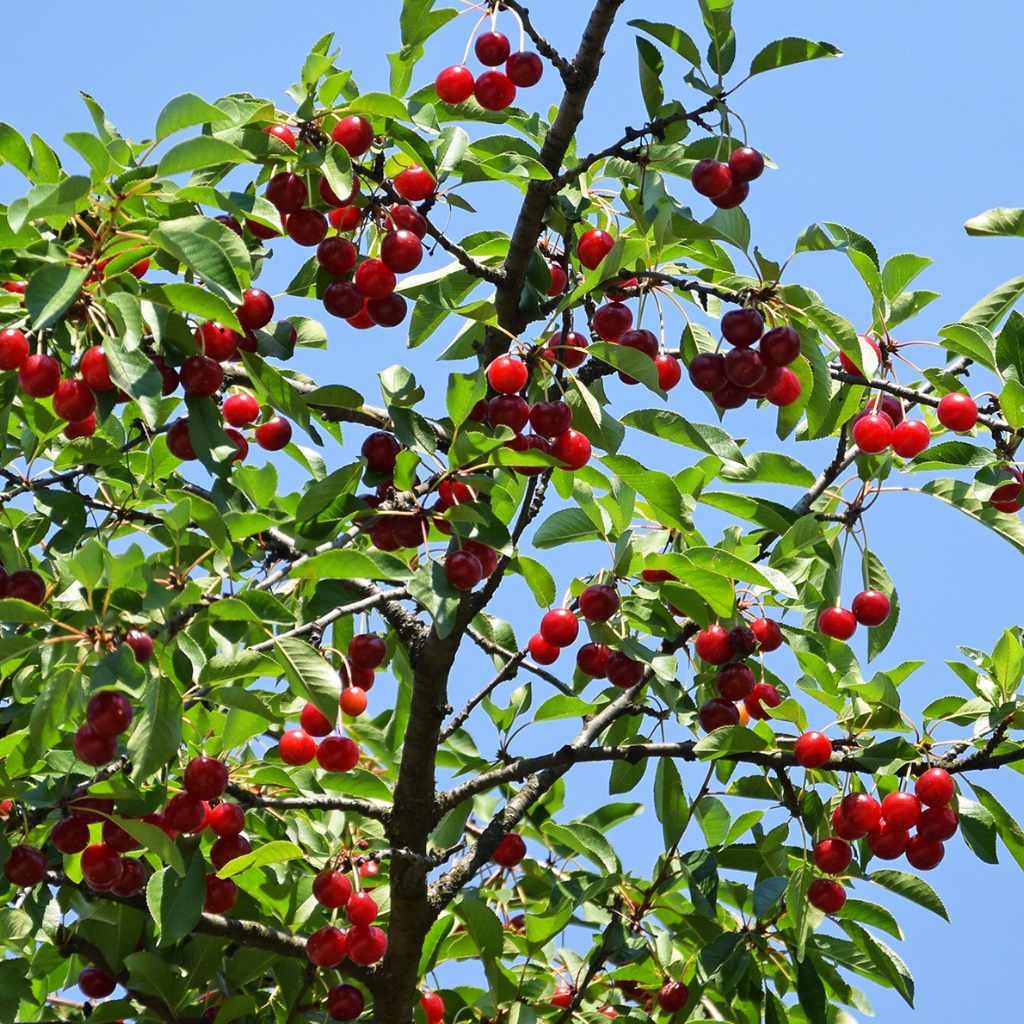
Fruit-bearing cherry trees are what most people think of when they picture a cherry tree. Varieties like Bing, Rainier, or Morello cherries are grown for their delicious fruit. As mentioned, the ripe fruit flesh is safe, but the pits are not.
Care should be taken during harvesting and preparation of cherries to avoid accidental ingestion of pits, especially by young children who might not understand the danger.
Safety Precautions and Prevention
Given that certain parts of cherry trees can be poisonous, taking preventative measures is key to ensuring a safe environment. The good news is that with awareness and simple precautions, the risks can be significantly minimized.
For Gardeners and Homeowners
If you have cherry trees on your property, consider the following:
- Awareness is Key: Educate yourself and your family about which parts of the cherry tree are toxic.
- Supervise Children and Pets: Keep a close eye on young children and pets when they are playing in areas with cherry trees. Discourage them from chewing on leaves, twigs, or pits.
- Proper Disposal: When pruning your cherry tree or cleaning up fallen leaves and branches, dispose of them properly. Avoid leaving large piles of wilting leaves accessible to pets or livestock.
- Fencing: If you have particularly toxic varieties or are very concerned, consider fencing off areas around the base of the tree where young children or pets might play.
- Planting Considerations: If you are planting a new tree and have concerns, consider its placement. Avoid planting directly in high-traffic play areas for children or pets.
For Pet Owners
Pets are often drawn to chewing on plants. Here’s what to do:
- Monitor Play Areas: Ensure your pet does not have unsupervised access to potentially toxic cherry tree parts.
- Recognize Symptoms: Be aware of the symptoms of cherry tree poisoning in your specific pet species.
- Contact Veterinarian: If you suspect your pet has ingested toxic cherry tree material, contact your veterinarian immediately. It’s helpful to know what part of the plant they may have eaten and approximately how much.
For Fruit Enthusiasts
When enjoying cherries:
- Discard Pits: Always discard cherry pits. Do not let children play with them or swallow them.
- Wash Fruit: Wash all cherries thoroughly before consumption.
What to Do in Case of Suspected Poisoning
If you or someone you know, or a pet, has ingested parts of a cherry tree that are known to be toxic, it is important to act quickly.
For Humans:
- Call Poison Control or Emergency Services: Immediately contact your local poison control center or emergency medical services. Have information ready about what was ingested, how much, and when.
- Do Not Induce Vomiting Unless Advised: Follow the instructions of the medical professionals.
For Pets:
- Contact Your Veterinarian Immediately: Call your vet or an emergency animal hospital. Describe the situation clearly.
- Do Not Attempt Home Remedies: Unless specifically instructed by a veterinarian, do not try to treat your pet at home.
Myths and Misconceptions About Cherry Trees
There are often many myths and misconceptions surrounding plant toxicity. With cherry trees, some common misunderstandings include:
- All Parts Are Deadly: This is not true. The ripe fruit flesh is generally safe. The toxicity is concentrated in specific parts and requires ingestion of a significant amount to cause harm.
- Ornamental Trees Are Safe: While they may not produce fruit, ornamental cherry trees still contain the same toxic compounds in their leaves, stems, and roots.
- Only Large Animals Are Affected: Small pets and children are at higher risk due to their smaller body size.
It’s important to rely on accurate information rather than anecdotal evidence or common myths. Understanding the science behind the toxicity helps to address the risks appropriately without causing unnecessary panic.
Comparing Cherry Tree Toxicity to Other Plants
While cherry trees can be toxic, their danger level is often comparable to many other common garden plants. For instance, plants like oleander, foxglove, and rhododendrons are also highly toxic and pose significant risks. Understanding that many plants have natural defense mechanisms, including toxicity, is part of responsible gardening and pet ownership.
It’s beneficial to be aware of the toxicity of various plants in your environment. Resources from horticultural societies, veterinary associations, and poison control centers can provide comprehensive lists of toxic plants.
| Plant | Toxic Parts | Potential Risk |
|---|---|---|
| Cherry Tree | Leaves, stems, roots, pits | Cyanide poisoning if ingested in quantity |
| Oleander | All parts | Cardiac glycosides, severe toxicity |
| Lily of the Valley | All parts | Cardiac glycosides, can be fatal |
| Azaleas/Rhododendrons | All parts | Grayanotoxins, can cause vomiting, diarrhea, heart problems |
Frequently Asked Questions
Question: Are cherry blossoms poisonous
Answer: Cherry blossoms themselves are generally not considered poisonous. The main concern with cherry trees lies in the leaves, stems, roots, and the pits of the fruit, which contain cyanogenic glycosides. While the blossoms are beautiful and safe to admire, it’s best to avoid ingesting any part of the plant without certainty.
Question: Can eating a few cherry pits be harmful
Answer: Eating a very small number of cherry pits might not cause noticeable harm, especially in adults, due to the body’s ability to process small amounts of cyanide. However, chewing and swallowing a significant quantity of pits can release enough cyanide to be dangerous. It’s always recommended to avoid eating cherry pits altogether.
Question: What happens if a dog eats cherry leaves
Answer: If a dog eats cherry leaves, especially in large quantities or if the leaves are wilted and have begun to decompose, they could experience symptoms of cyanide poisoning. These symptoms can include vomiting, diarrhea, lethargy, difficulty breathing, and in severe cases, seizures. It’s crucial to contact a veterinarian immediately if you suspect your dog has ingested cherry leaves.
Question: Are all cherry varieties equally poisonous
Answer: While all cherry trees within the Prunus genus contain cyanogenic glycosides in their leaves, stems, roots, and pits, the concentration can vary slightly between species and even between individual trees. However, it’s safest to assume that all parts, except for the ripe fruit flesh, are potentially toxic across all varieties.
Question: Can you get poisoned by touching cherry tree parts
Answer: Poisoning from cherry trees typically occurs through ingestion, not by touching the plant parts. The cyanogenic glycosides need to be broken down in the digestive system to release cyanide. Direct contact with the leaves, bark, or fruit generally does not cause poisoning, although some individuals might experience minor skin irritation.
Final Thoughts
The presence of toxic compounds in certain parts of cherry trees is a natural aspect of these beautiful plants. While the ripe cherry fruit is a delightful and generally safe treat, it is essential to be aware that the leaves, stems, roots, and particularly the pits contain cyanogenic glycosides that can be harmful if ingested in significant amounts. Understanding which parts of the cherry tree pose a risk helps in taking sensible precautions.
This knowledge empowers you to enjoy the aesthetic and fruitful benefits of cherry trees while maintaining a secure environment for children and pets. By educating yourself and implementing simple preventative measures, such as supervising young ones and animals, and disposing of plant debris properly, you can significantly reduce potential dangers. If you ever suspect an accidental ingestion, seeking professional medical or veterinary advice promptly is the most critical step.
Appreciating the natural world responsibly involves being informed and prepared, allowing for a harmonious coexistence with plants like the cherry tree.