Are Cherry Laurels Deer Resistant? What Gardeners Actually See
Cherry laurels are moderately deer resistant, not deer-proof. Their leathery, waxy leaves and mildly toxic compounds make them a low-preference browse for deer under normal conditions, but a hungry deer in a hard winter will still strip a young cherry laurel down to bare stems. If you have already lost a cherry laurel to deer, or you are deciding whether to plant one in a deer-heavy yard, the short answer below explains why the resistance holds most of the time and exactly when it fails.
Several gardening sites flatly call Prunus laurocerasus “deer-proof.” That overstates it. University extension offices and working landscapers describe it as moderately resistant instead, and the difference matters if you are betting a new hedge on it.
Understanding Deer Resistance in Cherry Laurels
Best Granular Deer Repellent
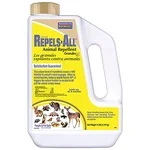 |
Bonide Repels-All Animal Repellent Granules, 3 lbs – $14.68 A granular repellent to layer on top of cherry laurel’s natural resistance during the vulnerable first few years, especially over winter.
|
Deer resistance is a spectrum, not a switch. It depends on local deer density, how much other food is around, and even which individual deer are involved — a herd that has never touched cherry laurel in one neighborhood may browse it heavily two miles away where food is scarcer.
Plants deer tend to leave alone usually share a few traits:
- Tough, leathery leaves that are harder to chew and digest.
- Strong scent from essential oils that deer find off-putting.
- Fuzzy or spiny texture that discourages browsing.
- Mild toxicity that causes digestive upset rather than a fatal reaction.
Cherry laurel checks the first and last boxes, which is why it lands in the “moderate” tier rather than the “deer favorite” tier occupied by hostas and roses.
Cherry Laurel: A Closer Look
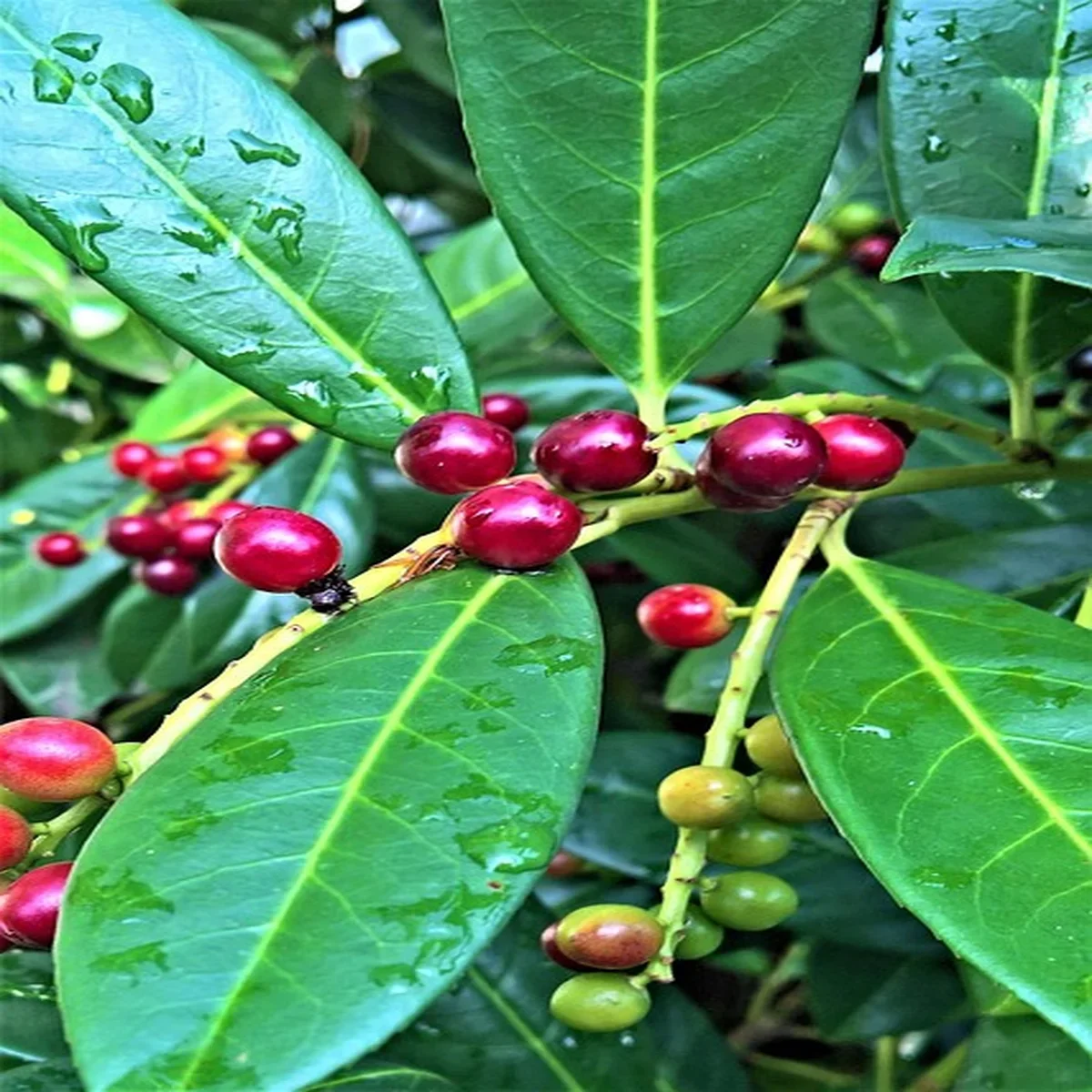
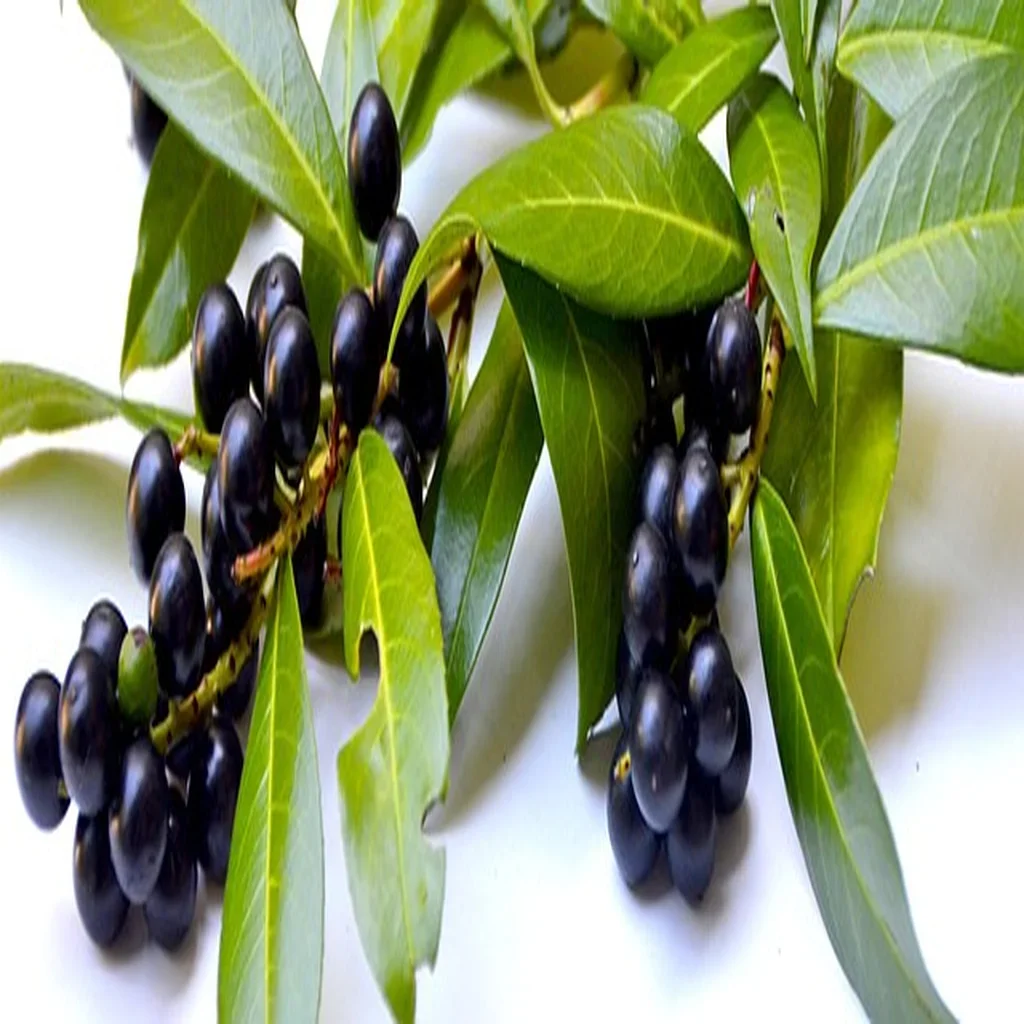
Prunus laurocerasus is an evergreen shrub in the rose family, grown for its dark green, glossy, oval leaves that run 3 to 6 inches long. It produces upright white flower spikes in spring, followed by small cherry-like fruits that ripen from red to nearly black. Birds eat the fruit; people and pets should not.
It grows fast, tolerates partial shade to full sun, and adapts to most well-drained soils, which is why it shows up so often as a privacy hedge, screen, or foundation planting. That same density is also what makes deer damage so visible when it happens — a single browsed section stands out against an otherwise solid green wall.
Why Cherry Laurels Are Only Moderately Deer Resistant
Two mechanisms do the actual work. First, the leaves are leathery and waxy, which takes more effort to chew than the soft new growth deer prefer. Second, cherry laurel leaves and seeds contain cyanogenic glycosides — compounds that release cyanide when metabolized. In the small amounts a browsing deer takes in a single pass, this causes digestive discomfort rather than poisoning, but it is enough to teach a deer to move on to something else.
Neither mechanism is absolute. In winters when snow covers everything else, or in yards that are effectively the only green space left for a local herd, deer have been documented stripping new growth and branch tips off cherry laurel anyway. Younger, softer-leaved plants take the worst of it; a mature, well-established shrub with tougher foliage usually comes through with minor cosmetic damage at most.
What Actually Changes the Odds
- Local deer density. More deer competing for less natural forage means more plants get tested, cherry laurel included.
- Other food nearby. Hostas, daylilies, and tulips will get eaten first — cherry laurel is rarely anyone’s first choice.
- Season. Winter browsing pressure is far higher than during the growing season, when softer forage is everywhere.
- Plant age. Young, tender cherry laurels with soft new growth are far more vulnerable than established shrubs with woody stems.
Cherry Laurel Cultivars: Does the Variety Matter?
Popular cultivars — ‘Schipkaensis’ (Schip laurel), ‘Otto Luyken’, and ‘Zabeliana’ — are all treated the same way by deer in practice, and there is no published cultivar-by-cultivar research showing meaningful differences. The one exception gardeners report anecdotally: dwarf, compact cultivars like ‘Otto Luyken’ produce a higher ratio of soft new growth to mature leaf area, so young plantings of it can look more chewed after a bad winter than a full-size English laurel of the same age. Once established, the difference disappears.
Protecting Cherry Laurels From Deer
Moderate resistance is not a guarantee, so it is worth stacking a second layer of defense, especially for the first two or three years while the shrub is establishing.
Physical Barriers
A fence at least 8 feet tall is the only barrier deer genuinely cannot clear. For individual young shrubs, a cage of chicken wire stapled to wood stakes does the job at a fraction of the cost and comes down once the plant has enough woody structure to shrug off browsing.
Repellents
Scent- and taste-based repellents work by mimicking a predator’s presence or making the foliage taste bad. Granular repellents last longer between applications than sprays, though both wash off in heavy rain and need reapplying. Rotating between two different repellents keeps deer from getting used to either one.
Companion Planting and Placement
Planting cherry laurel behind a front row of highly deer-resistant plants — lavender, rosemary, boxwood — gives deer less reason to push through to it. Location matters too: cherry laurel planted close to the house or in a well-lit, visible area gets browsed less than the same shrub tucked along a wooded property line where deer feel safe lingering.
A Note for Woodworkers: Is Cherry Laurel Wood Useful?
Since this is a woodworking site, it is worth answering the question a few readers will have: cherry laurel is not a commercial lumber species. Its multi-stemmed, shrubby growth habit rarely produces a trunk straight or thick enough to mill into boards. That said, hobbyist woodturners occasionally salvage larger branches for small turned pieces — pen blanks, handles, and similar projects — because the heartwood has an attractive reddish-brown tone. Anyone doing that should sand and cut it outdoors or with strong dust extraction, since the same cyanogenic compounds that deter deer are present in the wood and its dust.
Cherry Laurel vs. Other Landscape Shrubs
Here is how cherry laurel’s deer resistance stacks up against other common hedge and shrub choices:
| Shrub | Deer Resistance | Why |
|---|---|---|
| Cherry Laurel | Moderate | Leathery leaves and mild toxicity deter but do not prevent browsing when food is scarce. |
| Boxwood | High | Tough, small, bitter-tasting leaves deer generally avoid. |
| Rhododendron / Azalea | High | Contains grayanotoxins, making foliage toxic and unpalatable. |
| Hydrangea | Moderate to High | Varies by variety; new growth can still be targeted. |
| Spirea | High | Texture and scent deer typically avoid. |
| Viburnum | Variable | Some species are resistant, others are deer favorites. |
| Hosta | Low | Soft, succulent leaves are a top deer preference. |
| Rose | Low | Blooms and tender new growth are heavily targeted. |
Cherry laurel sits solidly in the middle: better protection than a hosta bed offers, but not the near-total deterrence of boxwood or rhododendron.
Best Practices for Planting Cherry Laurel in Deer Country
- Watch before you plant. Spend a few weeks noting what deer are already eating in your neighborhood.
- Start small and protect it. Cage or fence new plantings for the first two to three years while stems are still soft.
- Layer your planting. Put your most deer-resistant plants on the perimeter and cherry laurel further in.
- Expect some browsing. Light nibbling in a hard winter is normal and a healthy, established shrub recovers on its own.
- Keep it healthy. Regular watering and pruning produce tougher growth that recovers faster from any damage.
Frequently Asked Questions
Are cherry laurels deer resistant?
Yes, moderately. Their leathery leaves and mild toxicity make them a low-preference food source, but deer will still browse cherry laurel when other plants are scarce or deer populations are high.
Can deer kill a cherry laurel?
Rarely on an established plant. Heavy browsing can seriously set back a young or weak shrub, but a healthy, mature cherry laurel typically recovers from even significant damage within a season.
What is the best way to protect cherry laurels from deer?
An 8-foot fence is the most reliable option. For individual shrubs, a chicken-wire cage on wood stakes plus a rotating repellent schedule covers most situations without fencing the whole yard.
Are cherry laurels toxic to pets or livestock?
Yes. The leaves and seeds contain cyanogenic glycosides, which are toxic in sufficient quantity. Most pets are deterred by the taste before eating enough to matter, but it is worth planting them out of easy reach.
When is the best time to plant cherry laurel in a deer-prone yard?
Fall or early spring, when cooler temperatures and steadier moisture let the roots establish before summer heat or winter browsing pressure sets in.
Bottom Line
Cherry laurel earns its “deer resistant” label honestly — it is one of the better hedge choices for a yard with deer pressure — but that label is relative, not absolute. Treat the first few years as the vulnerable window, protect young plants with a cage or repellent, and a mature cherry laurel hedge will hold up with only occasional, cosmetic browsing even in a bad winter.
Sponsored / affiliate links. As an Amazon Associate I earn from qualifying purchases. I may earn additional commission from eligible campaigns.