Ash Baseball Bats Vs Maple: Essential Guide
Ash baseball bats vs maple: Ash offers a larger sweet spot and more fracture resistance, making it forgiving for beginners. Maple bats are denser, providing a more solid feel and are favored by power hitters, but require a bit more precision due to their smaller sweet spot and tendency to splinter. Choose based on your play style and preference!
Choosing the right baseball bat can feel overwhelming, especially when you’re just starting out. You’ve probably heard about different wood types like ash and maple, and you might be wondering what makes them different and which one is right for you. Don’t worry, it’s a common question! This guide will clear things up, explaining everything you need to know about ash baseball bats versus maple bats. We’ll break down their unique qualities, helping you make a smart choice for your game. Get ready to step up to the plate with confidence!
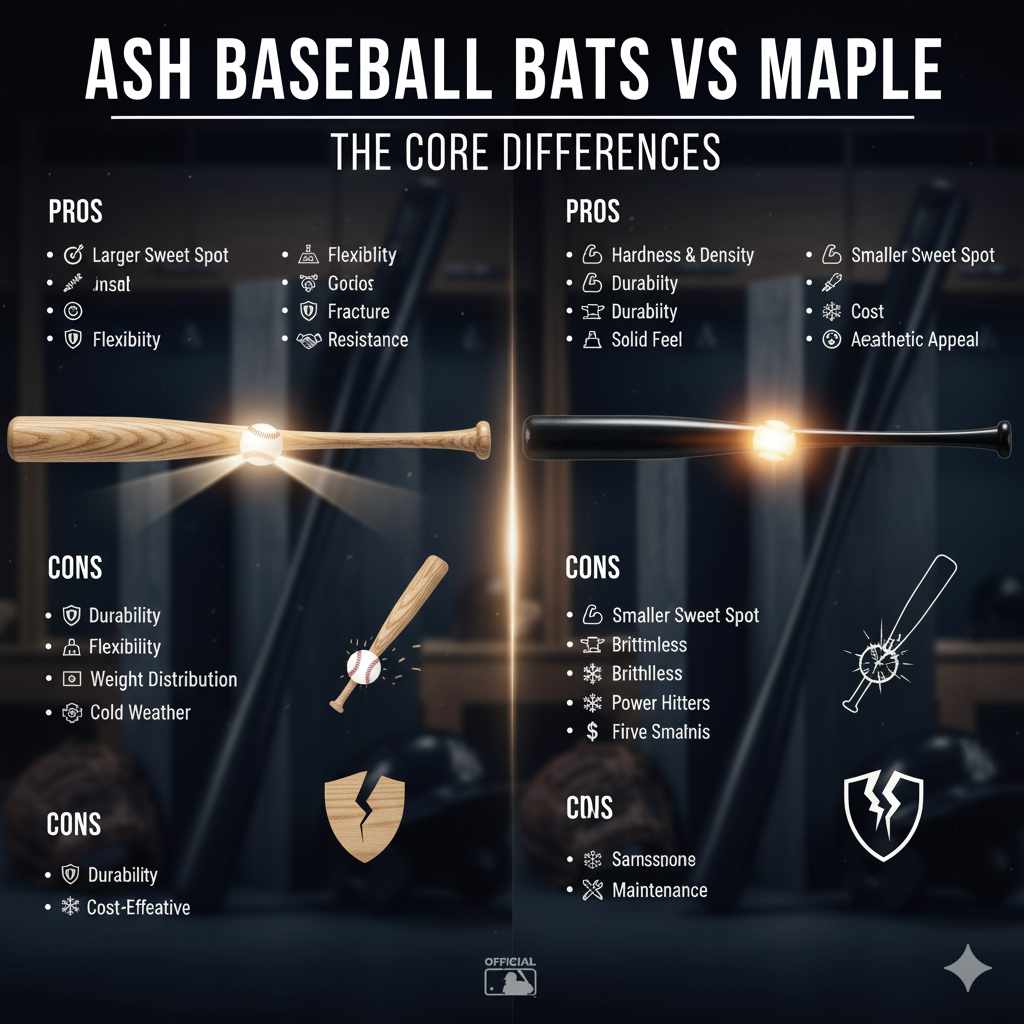
Ash Baseball Bats Vs Maple: The Core Differences
When it comes to baseball bats, the type of wood used is a huge factor in how the bat performs. For decades, ash was the go-to choice for professional players. Then, maple bats entered the scene and quickly gained popularity. While both are excellent hardwoods, they have distinct characteristics that affect their feel, durability, and performance. Understanding these differences is key to picking a bat that suits your swing and playing style.
Ash Baseball Bats: The Traditional Champion
Ash wood has been a staple in baseball for a long time. It’s known for its flexibility and strength, which gives players a good balance of control and power. When you swing an ash bat, you’ll often notice a wider ‘sweet spot’ – that’s the area on the barrel that connects with the ball most effectively. This larger sweet spot means that even if your swing isn’t perfectly on point, you’re more likely to get a good hit.
One of the great things about ash is its tendency to flake. While this might sound bad, it’s actually a sign of its flexibility. When an ash bat starts to break down, it often does so by flaking off layers of wood, rather than shattering catastrophically. This can give a player a bit of a warning before the bat is completely unusable. It also means ash bats can be quite forgiving and can handle a lot of use before they need replacing, especially for newer players who are still developing their swing consistency.
Pros of Ash Bats:
- Larger Sweet Spot: More forgiving on off-center hits.
- Flexibility: Offers a good balance of power and control.
- Fracture Resistance: Tends to flake rather than shatter, offering a bit more warning before failure.
- Traditional Feel: Many players are accustomed to its consistent performance.
- Cost-Effective: Often more affordable than high-grade maple.
Cons of Ash Bats:
- Durability: Can be less durable than maple under extreme force.
- Weight Distribution: May feel slightly heavier for some players compared to a similarly sized maple bat.
- Performance in Cold Weather: Can become more brittle in very cold temperatures.
Maple Baseball Bats: The Modern Powerhouse
Maple bats have become incredibly popular in recent years, especially among power hitters. They are known for their hardness and density. This density gives maple bats a very solid feel when you make contact with the ball. Many players find that this solid feel translates to more energy transfer to the ball, resulting in harder-hit balls and longer distances.
Compared to ash, maple bats typically have a smaller sweet spot. This means you need to be more precise with your swing. If you consistently hit the ball on the sweet spot, a maple bat can be extremely rewarding. However, if you tend to hit the ball slightly off-center, you might feel the difference more significantly than with an ash bat.
Maple’s density also means it’s less forgiving when it breaks. Unlike ash, which flakes, maple can sometimes shatter or break cleanly without much warning. This is a key safety consideration for players and leagues. However, when used correctly and with proper technique, maple bats offer incredible performance and a satisfying ‘ping’ sound on impact.
Pros of Maple Bats:
- Hardness and Density: Offers excellent energy transfer for powerful hits.
- Durability (under proper use): Less prone to denting or breaking from repeated powerful impacts.
- Solid Feel: Provides a distinct, firm sensation on contact.
- Popular with Power Hitters: Their characteristics are favored by those looking to generate maximum force.
- Aesthetic Appeal: Often have a smooth, polished finish.
Cons of Maple Bats:
- Smaller Sweet Spot: Requires more precise hitting.
- Brittleness: Can shatter or break cleanly without warning.
- Performance in Cold: More prone to breaking in extreme cold.
- Cost: Can be more expensive, especially high-grade options.
- Maintenance: Requires more careful handling to avoid breakage.
Key Differences at a Glance: Ash vs. Maple
To make the comparison even clearer, let’s look at the primary differences between ash and maple bats side-by-side. This table highlights the most important factors a beginner should consider when making their choice.
| Feature | Ash Baseball Bats | Maple Baseball Bats |
|---|---|---|
| Wood Properties | More flexible, less dense | Harder, more dense |
| Sweet Spot Size | Larger, more forgiving | Smaller, requires precision |
| Feel on Contact | Slightly more ‘whip,’ forgiving feel | Very solid, firm feel |
| Breakage Style | Tends to flake, often gives warning | Can shatter or break cleanly, less warning |
| Durability | Good, but can compress over time | Very durable if hit on sweet spot; susceptible to shattering if misused |
| Price Point | Generally more affordable | Can be more expensive |
| Recommended For | Beginners, contact hitters, those seeking forgiveness | Power hitters, those with consistent swings, players seeking maximum exit velocity |
Choosing the Right Wood for Your Game
So, which wood is right for you? The answer really depends on your personal playing style and experience level. For beginners, the forgiving nature of ash is often a great starting point. It allows you to focus on developing your swing mechanics without being penalized too harshly for slightly off-center hits.
If you’re a developing player who wants to build confidence and get comfortable at the plate, an ash bat can be your best friend. It provides a reliable performance that helps you focus on the fundamentals of hitting. You can learn to feel the bat connect with the ball, and the larger sweet spot gives you more opportunities to find that satisfying solid contact.
On the other hand, if you’re a more experienced player with a consistent swing and a focus on raw power, maple might be the better choice. Maple bats reward good hitting technique with impressive results. When you connect squarely with a maple bat, the ball just explodes off it. Many college and professional players swear by maple bats for their ability to generate maximum power and their consistently solid feel.
Consider Your Swing Style:
- Contact Hitter: If you focus on making solid contact and getting on base, ash’s larger sweet spot will be beneficial.
- Power Hitter: If your goal is to hit for power and drive the ball, maple’s density might give you an edge.
- Developing Player: Ash is generally recommended for beginners due to its forgiveness.
- Experienced Player: Maple can be an excellent choice if you have a refined swing and understand bat-ball physics.
Beyond Wood Type: Other Factors to Consider
While the wood type (ash vs. maple) is crucial, it’s not the only thing that matters when choosing a baseball bat. Several other factors also play a significant role in how a bat performs and feels in your hands. Think of these as the supporting cast that makes your bat choice complete.
Bat Length and Weight
Every bat has a length and a weight. The combination of these two determines the bat’s ‘drop weight’, which is the difference between the bat’s length in inches and its weight in ounces (e.g., a 30-inch bat that weighs 27 ounces has a drop of -3). For younger or smaller players, a lighter bat with a larger drop weight is easier to swing quickly and control. As players grow and gain strength, they might transition to bats with a smaller drop weight, closer to -1 or even a balanced feel (-3 is common for adult leagues).
When you’re starting out, it’s vital to use a bat that you can swing comfortably and with good speed. A bat that is too heavy will slow down your swing and decrease your bat speed, which is counterproductive. A good rule of thumb is to find a bat where you can swing it 10 times with good form without feeling significantly strained. Your local sporting goods store or a coach can help you find the correct length-to-weight ratio for your age and size.
You can learn more about bat sizing from resources like NCAA Baseball Bat Regulations, which also touches on bat performance factors.
Barrel Diameter
Most wood bats, whether ash or maple, have a barrel diameter of around 2.5 inches, although some may vary slightly. Larger barrel diameters generally contribute to a larger sweet spot, which can be beneficial, especially for ash bats. However, a larger barrel can also affect the bat’s swing weight, making it feel more ‘end-loaded’.
Handle and Knob Design
The handle is where you grip the bat, and its thickness and shape can significantly impact comfort and control. Some bats have thicker handles for a more solid feel, while others are thinner for players who prefer a more agile grip. The knob at the end of the handle also comes in different shapes – flared, traditional, or extended – and can affect how you position your hands and prevent the bat from slipping.
Bat Finish and Treatment
Wood bats often come with different finishes, such as a natural wood look, painted barrels, or specific coatings. The finish can sometimes provide a slight protective layer, but it doesn’t fundamentally change the wood properties. Some bats go through additional drying or curing processes to enhance their hardness and durability, this is often referred to as kiln-drying or bone-rubbing. These treatments often make the wood denser and more resistant to chipping or denting.
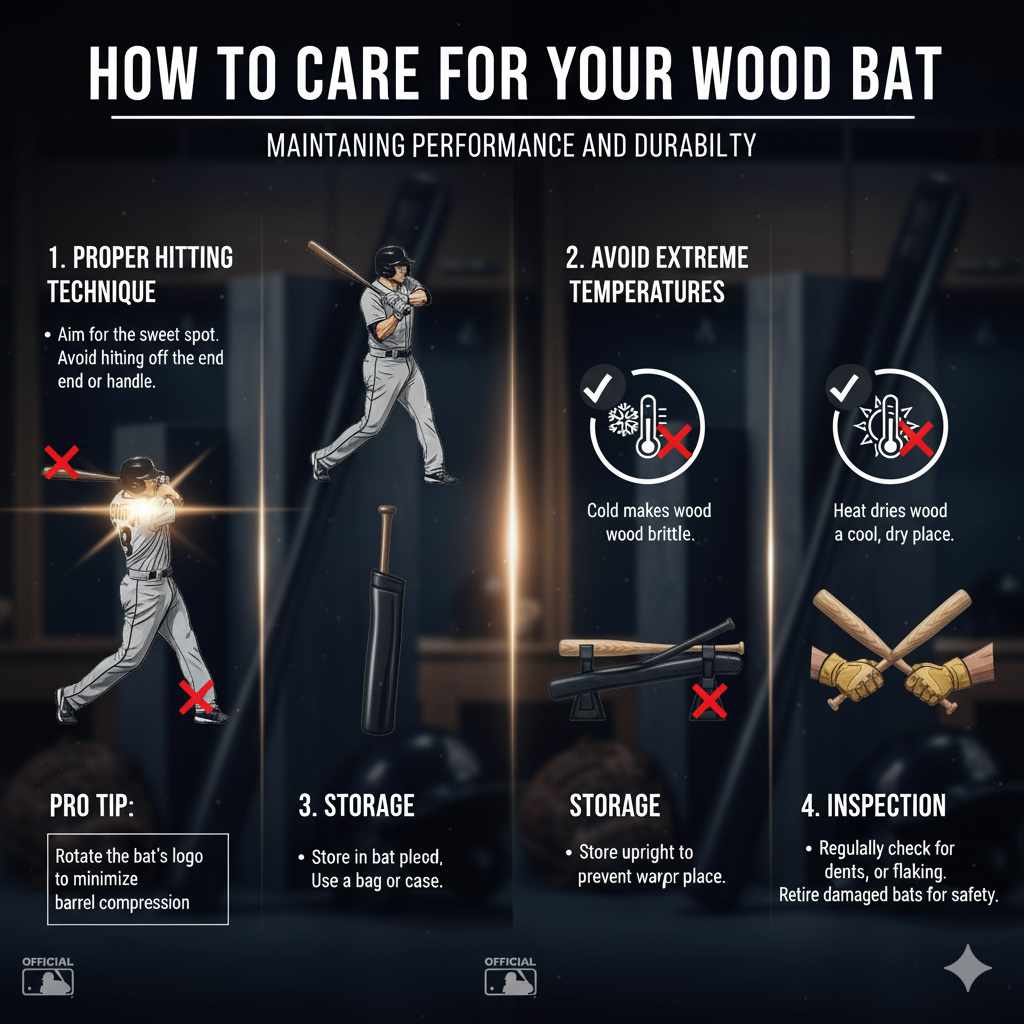
How to Care for Your Wood Bat
Whether you choose ash or maple, proper care will extend the life of your bat and help maintain its performance. Wood bats are natural products and require a bit of attention to prevent damage.
Proper Hitting Technique
This is paramount. Always aim to hit the ball on the sweet spot of the barrel. Avoid hitting foul balls that hit the end of the bat or the barrel edge repeatedly. Also, avoid hitting the ground with your bat during your swing, as this can cause significant damage.
Avoid Extreme Temperatures
Both ash and maple bats can become brittle in extreme cold. Avoid leaving your bat in a freezing car or playing with it in freezing temperatures. Similarly, excessive heat can dry out the wood, making it more prone to breaking. Store your bat in a cool, dry place.
Storage
The best way to store your wood bat is upright or in a bat bag. Avoid storing it horizontally for extended periods, especially if it’s leaning against something, as this can cause it to warp over time. A bat sleeve or a dedicated bat case can also offer extra protection.
Inspection
Regularly inspect your bat for any signs of damage, such as cracks, large dents, or excessive flaking. If you notice significant damage, it might be time to retire the bat for safety reasons and to prevent further damage.
For more on bat maintenance and safety standards, you can refer to the Official Rules of Major League Baseball, which indirectly govern the quality and use of equipment.
Frequently Asked Questions (FAQ)
Q1: Is ash or maple better for a beginner baseball player?
For beginners, ash is generally recommended. It has a larger sweet spot, making it more forgiving on off-center hits, and it tends to flake rather than shatter, giving you more warning before it breaks.
Q2: Can maple bats break easily?
Maple bats can break, especially if they are hit repeatedly on the edges or end of the barrel, or if they encounter the ground. They are also more prone to breaking in very cold weather and can shatter without much warning due to their density.
Q3: What is the ‘sweet spot’ of a baseball bat?
The sweet spot is the area on the barrel of the bat where the ball will produce the most power and the least vibration when hit. Ash bats typically have a larger sweet spot than maple bats.
Q4: Does the feel of an ash bat differ from a maple bat?
Yes, ash bats often have a bit more flex and a slightly softer feel on contact, while maple bats feel much more solid and firm due to their density.
Q5: Which wood is more durable, ash or maple?
When hit correctly on the sweet spot, maple is generally considered more durable against dents and repeated powerful impacts. However, ash is more forgiving in its failure mode (flaking vs. shattering) and can withstand more general wear and tear for some players.
Q6: What about the sound of hitting with ash vs. maple?
Maple bats are known for their distinct, sharp “ping” sound when making solid contact. Ash bats tend to produce a lower, more muted “thwack” sound.
Q7: Can I use my wood bat in cold weather?
It’s best to avoid using either ash or maple bats in very cold temperatures (below freezing). The wood can become more brittle and prone to breaking. If you must use them, do so with extra care and avoid making hard contact.
Conclusion: Your Perfect Bat Awaits!
Deciding between an ash baseball bat and a maple baseball bat is a personal choice that boils down to your playing style, experience, and what feels best in your hands. Ash offers forgiveness and a larger sweet spot, making it an excellent companion for beginners and contact hitters looking to build their game. Its flexibility and flaking breakage style are reassuring for those still mastering their swing.
Maple bats, with their superior hardness and density, are favored by power hitters who demand maximum energy transfer and a solid feel on contact. They reward precision and consistent technique with impressive results, though they require a bit more care due to their tendency to shatter. Remember to also consider bat length, weight, and your grip comfort – these details are just as important as the wood type.
By understanding the core differences—the sweet spot size, feel, and breakage characteristics—you can confidently select the bat that will help you perform your best. Whichever you choose, proper care and technique will ensure your bat serves you well season after season. Now, go out there, swing with confidence, and enjoy the game!