Does Ash Wood Need to Be Seasoned? (Yes — Here’s How Long)
Ash wood does need to be seasoned — green ash starts around 30–35% moisture, too wet to burn clean or build furniture with. Skip seasoning and firewood smokes and smolders, while furniture cracks or warps at the joints months later. This guide covers how long ash takes to season by end use, the moisture targets that matter, and how ash compares to oak and pine.
Quick Answer
Yes, ash wood needs to be seasoned before use. Firewood needs 6 to 12 months to reach 20–25% moisture content, while furniture-grade ash needs 1 to 2 years to reach 8–12% moisture. Green ash starts lower than oak, which is part of why it dries faster.
Does Ash Wood Actually Need to Be Seasoned?
Best Moisture Meter Pick
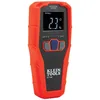
Klein Tools ET140 Pinless Moisture Meter
Non-destructive pinless sensor reads moisture up to 3/4-inch deep, calibrated for both hardwood and softwood.
- Best for: Confirming moisture on firewood, framing lumber, and drywall around the shop
- Why we picked it: Pinless sensor doesn’t mark the wood and works on both hardwood and softwood settings
- Main drawback: No dedicated per-species calibration, so readings are relative rather than lab-precise
Compare more wood moisture meters
 Option 1 General Tools MMD7NP
|
 Option 2 Dr.meter 2-in-1 Pin & Pinless
|
 Option 3 AEGTEST AWT-380 Rechargeable
|
As an Amazon Associate we earn from qualifying purchases.
Yes. Freshly cut (green) ash wood holds enough water that it will not burn cleanly, glue reliably, or hold a joint. Seasoning removes that excess moisture so the wood is lighter, stronger, and dimensionally stable before you use it.
Ash is a strong, elastic hardwood — the same shock-resistance that makes it a classic choice for tool handles and baseball bats also makes it forgiving to work with once it’s dry. But that strength only shows up after seasoning. Green ash is heavy, prone to warping as it dries unevenly, and burns hot but smoky because the trapped water has to boil off before the wood itself can combust.
Left unseasoned, ash used for furniture or cabinetry will keep shrinking after the piece is built, which loosens joints and can crack panels months later. Left unseasoned as firewood, it wastes most of its heat output boiling off moisture instead of warming the room, and it deposits more creosote in the flue.
How Long Does Ash Wood Take to Season?
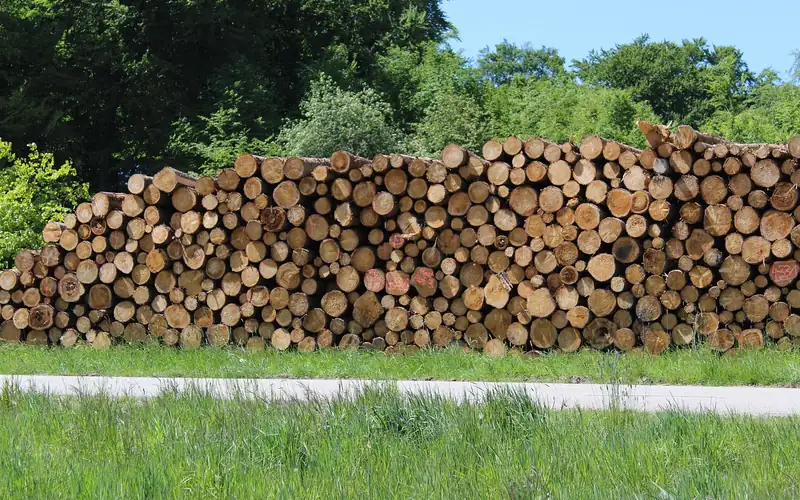
Most ash reaches usable dryness in 6 to 12 months for firewood, and 1 to 2 years for furniture-grade lumber. The general rule of thumb foresters and kiln operators use is about one year of air-drying per inch of thickness, though ash consistently seasons faster than that rule suggests because it starts with less water in it than most hardwoods.
For the full month-by-month breakdown, stacking methods, and what changes if you’re drying rounds versus split logs, see our complete guide: How Long Does Ash Wood Take to Season.
Target Moisture Content by End Use
“Seasoned” doesn’t mean the same moisture percentage for every project. Firewood only needs to dry enough to burn efficiently; furniture needs to dry enough that it won’t keep shrinking after you’ve built with it.
| End Use | Target Moisture Content | Typical Seasoning Time |
|---|---|---|
| Firewood | 20–25% | 6–12 months |
| Furniture & cabinetry | 8–12% | 1–2 years |
| Tool handles & sports equipment | 10–12% | 12–18 months |
📊 Wood stays dimensionally stable above roughly 30% moisture content (the fiber saturation point) — shrinkage only starts below that line, which is why furniture-grade lumber has to be dried well under it. Source: U.S. Forest Products Laboratory, Wood Handbook (FPL-GTR-282), Chapter 4.
The only reliable way to confirm you’ve actually hit these targets — rather than guessing from weight or color — is a wood moisture meter. Here’s what we’d point a shop toward:
Ash vs. Oak vs. Pine: How Seasoning Speed Compares
Ash seasons faster than oak but slower than pine. Green ash simply starts with less water in it than a lot of hardwoods, which is why it’s a common recommendation for anyone who needs usable firewood without a two-year wait.
| Wood Species | Typical Firewood Seasoning Time | Best For |
|---|---|---|
| Ash | 6–12 months | Reliable everyday firewood, workable turnaround |
| Oak | 12–24 months | Long, low-maintenance burns once fully dry |
| Pine (softwood) | 6–8 months | Fast kindling; more creosote risk for overnight burns |
If you’re stacking both species from the same felling, expect the ash to be ready to burn well before the oak is. For the full oak timeline and what changes its drying speed, see How Long Does Oak Take to Season.
Air Drying vs. Kiln Drying Ash Wood
Air drying is free and works fine for firewood and most shop projects — it just takes months. Kiln drying trades cost for speed: a commercial kiln can take ash down to usable moisture in 2 to 4 weeks instead of a year, and the heat also kills any insects living in the wood. Kiln drying is mostly worth it for lumber you’re buying in volume or furniture-grade stock; for firewood, air drying is the standard approach.
How to Air-Dry Ash Wood Correctly
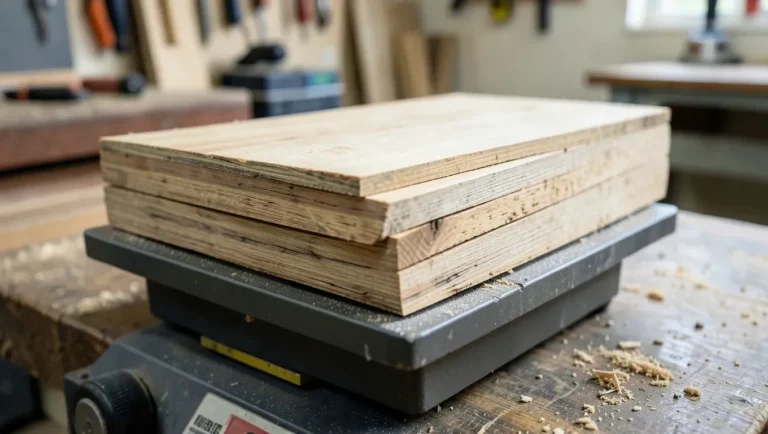
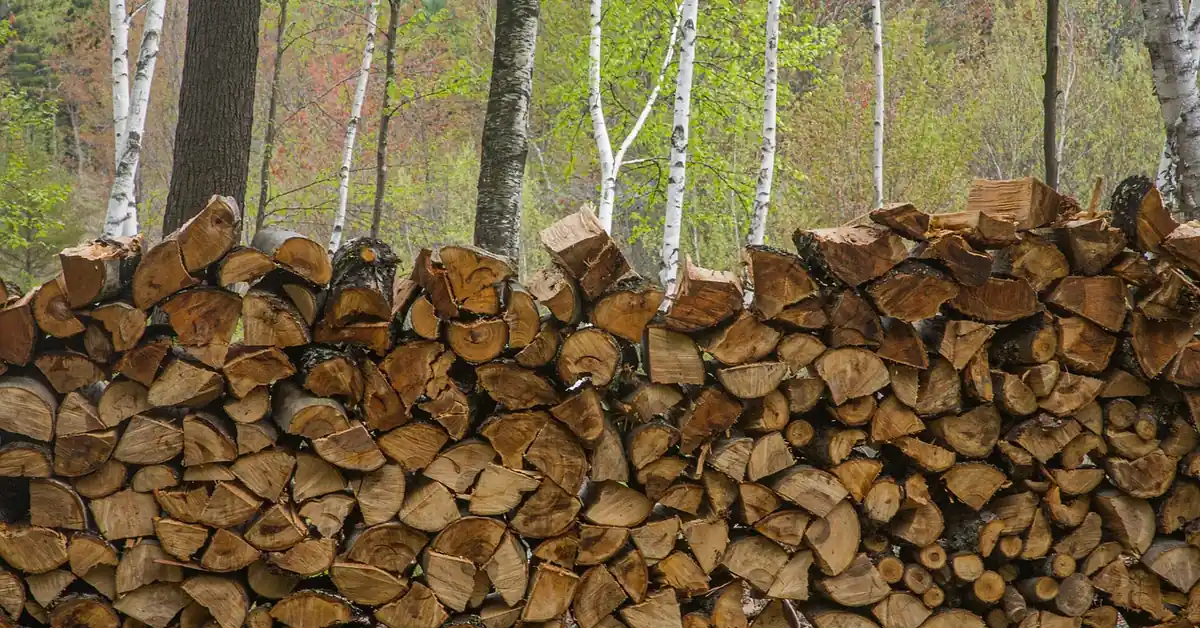
- Stack off the ground: Set the stack on pallets, rails, or a rack — ground contact traps moisture and invites rot and insects.
- Space with stickers: Lay thin spacer strips between rows so air can move through the whole stack, not just around the outside.
- Cover the top only: Shield the stack from rain and snow with a tarp or roof, but leave the sides open — fully wrapping the stack traps humidity and slows drying.
- Check moisture periodically: Test a few boards or splits with a moisture meter every month or two rather than guessing from weight alone.
How to Tell If Your Ash Wood Is Properly Seasoned
Seasoned ash is noticeably lighter than green ash of the same size — most of that weight difference is water. Look for a paler, duller color than fresh-cut wood, a hollow or dull knocking sound when two pieces are struck together, and cracks or splits radiating from the cut ends, which show the outer wood has dried and shrunk faster than the core.
None of those signs are precise, though — they tell you the wood is probably in range, not the actual percentage. A moisture meter reading is the only way to confirm you’ve hit 20–25% for firewood or 8–12% for furniture stock rather than stopping short.
Common Mistakes When Seasoning Ash Wood
The most common mistake is wrapping the stack completely in a tarp. That traps humidity against the wood and slows drying instead of speeding it up — cover the top only and leave the sides open to airflow.
The second is rushing the process with excess heat, which can dry the outer surface faster than the core, leading to surface checking and brittleness. And the third is storing “finished” wood directly on the ground or in a low, poorly ventilated spot after it’s dried — seasoned wood can reabsorb moisture from wet soil or standing water just as easily as it lost it.
Best Uses for Seasoned Ash Wood
Seasoned ash is a workhorse hardwood. Its strength-to-weight ratio and shock resistance make it a standard choice for tool handles, hockey sticks, and baseball bats — the same elasticity that lets it flex without snapping under load. In furniture, it takes stain and finish evenly and holds a crisp edge on joinery once it’s fully dry.
As firewood, properly seasoned ash burns hot and clean with relatively little smoke, and it splits easily compared to knottier species. Many people burn it green in an emergency, but you’ll get noticeably less heat and more creosote buildup than waiting the 6 to 12 months for it to season properly.
Frequently Asked Questions
How Long Does Ash Wood Need to Season?
Firewood-grade ash typically needs 6 to 12 months to reach 20–25% moisture content. Furniture-grade ash needs 1 to 2 years to reach the lower 8–12% range required to prevent warping and joint failure. Airflow, splitting the wood down, and local humidity all affect where in that range a given batch lands.
What Are the Disadvantages of Ash Wood?
Ash is vulnerable to insect damage, especially from the emerald ash borer, and can develop fungal decay if stored wet. It’s also heavier and can be pricier than comparable hardwoods, with availability varying by region because of borer-related tree losses in parts of North America.
How Can You Tell If Ash Wood Is Seasoned?
Seasoned ash is noticeably lighter than green wood of the same size, has a paler and duller color, and produces a hollow, dull sound when two pieces are knocked together. Cracks radiating from the cut ends are another sign. For a precise reading rather than a guess, check with a moisture meter — aim for 20–25% for firewood or 8–12% for furniture stock.
Can Ash Be Burned Without Seasoning?
Yes, but it burns inefficiently. Green ash produces more smoke, less usable heat, and more creosote buildup in a chimney or flue because energy goes into boiling off trapped water instead of combustion. It’s usable in an emergency, but seasoned ash performs noticeably better.
Does Ash Wood Season Faster Than Oak?
Yes. Ash starts with less moisture in the green wood than oak does, so it typically reaches usable firewood dryness in 6 to 12 months versus 12 to 24 months for oak of the same size. Pine, a softwood, dries faster than both, usually in 6 to 8 months.
What Moisture Content Should Ash Wood Be Before Burning?
Aim for 20–25% moisture content for firewood, ideally closer to 20%. Above that, wood wastes heat boiling off water and produces more smoke and creosote. A pinless or pin-type moisture meter is the most reliable way to check a split before burning it.
Conclusion
Ash wood needs seasoning, and how long depends entirely on what you’re using it for. Give firewood 6 to 12 months to reach 20–25% moisture, and give furniture-grade stock 1 to 2 years to reach 8–12%. Stack it off the ground with airflow on the sides, cover only the top, and check it with a moisture meter instead of guessing — ash rewards patience with a hotter, cleaner burn and furniture joints that stay tight for years.
Sponsored / affiliate links. As an Amazon Associate I earn from qualifying purchases. I may earn additional commission from eligible campaigns.