Ash Tree Bark Vs Oak: Essential Guide
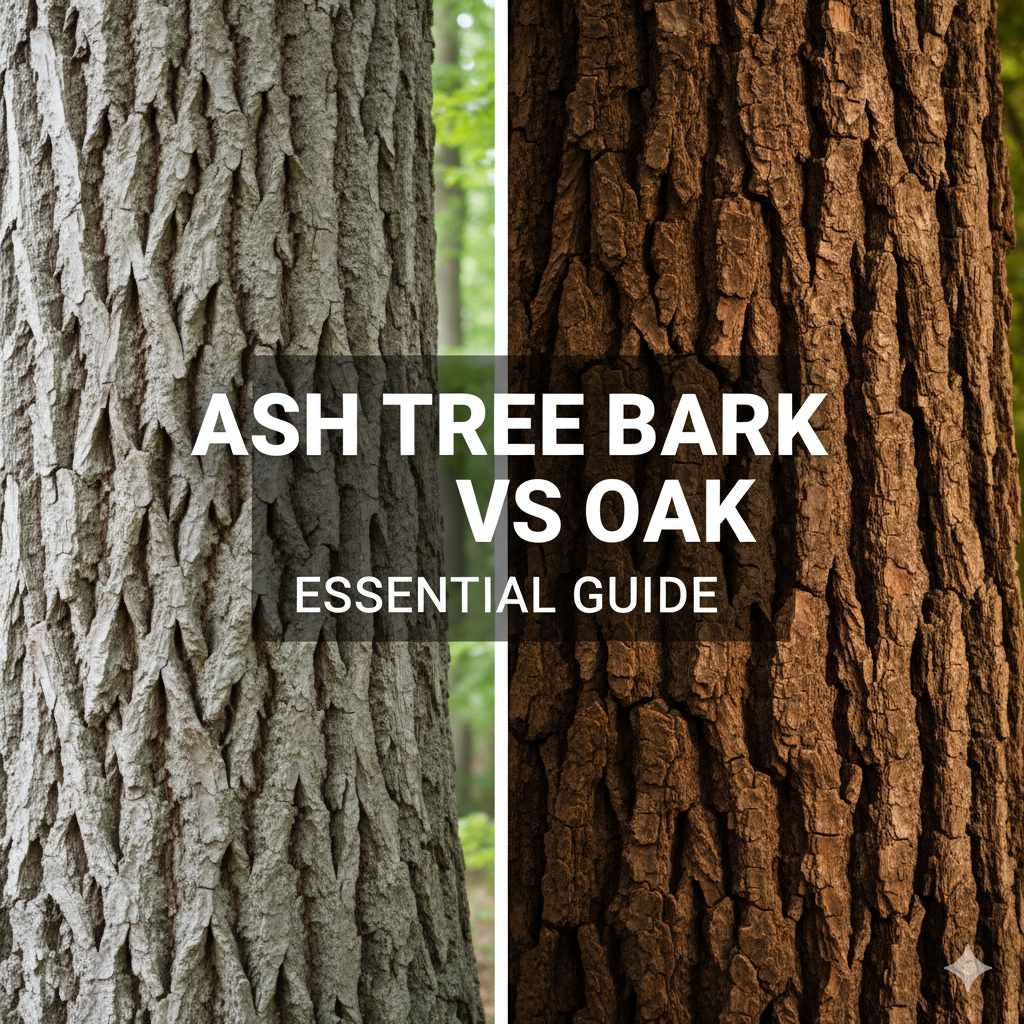
Ash tree bark vs oak requires understanding their distinct appearances, textures, and uses. Ash bark is typically smoother with interlacing ridges, while oak bark is rougher and deeply furrowed, often with moss. Both are valuable, but their visual and structural differences guide their suitability for specific woodworking projects and applications.
Hey there, fellow woodworkers and DIY adventurers! Ever stood in front of a pile of wood, or even a magnificent tree, and wondered, “Is this ash or oak?” It’s a common puzzle, especially when you’re just starting out. Picking the right wood can feel a bit daunting, but don’t worry! I’m here to guide you through the differences between ash tree bark and oak bark, making identification easy and helping you choose the best wood for your projects. We’ll get you feeling confident in no time, just like a seasoned pro.
What’s the Big Deal About Ash Tree Bark Vs. Oak Bark?
Navigating the world of wood can seem like a secret handshake sometimes, but it doesn’t have to be! When you’re picking out lumber for your next creation, or even just admiring a tree in your backyard, knowing a bit about its bark can be a superpower. Ash and oak are two of the most popular hardwoods out there, and for good reason. They’re strong, versatile, and beautiful. But their barks look quite different, and understanding these differences isn’t just for tree-huggers; it’s super handy for woodworkers.
Why does bark matter? Well, besides helping us identify a tree (which can be useful if you’re sourcing your own lumber!), the bark itself has historically had uses, and its texture and pattern can sometimes hint at the wood’s grain and strength. Plus, wouldn’t it be cool to walk through a park or a lumberyard and instantly know “that’s an ash!” or “that’s definitely oak!”? We’ll break down the visual cues, common confusion points, and what each type of wood brings to your workshop.
Identifying Ash Tree Bark
When you’re trying to spot an ash tree by its bark, imagine a tree that has a bit of a neatness about it. Ash bark is often described as looking like it’s been woven or crisscrossed with patterns. It’s not usually super rough or deeply grooved like some other trees.
Here’s what to look for:
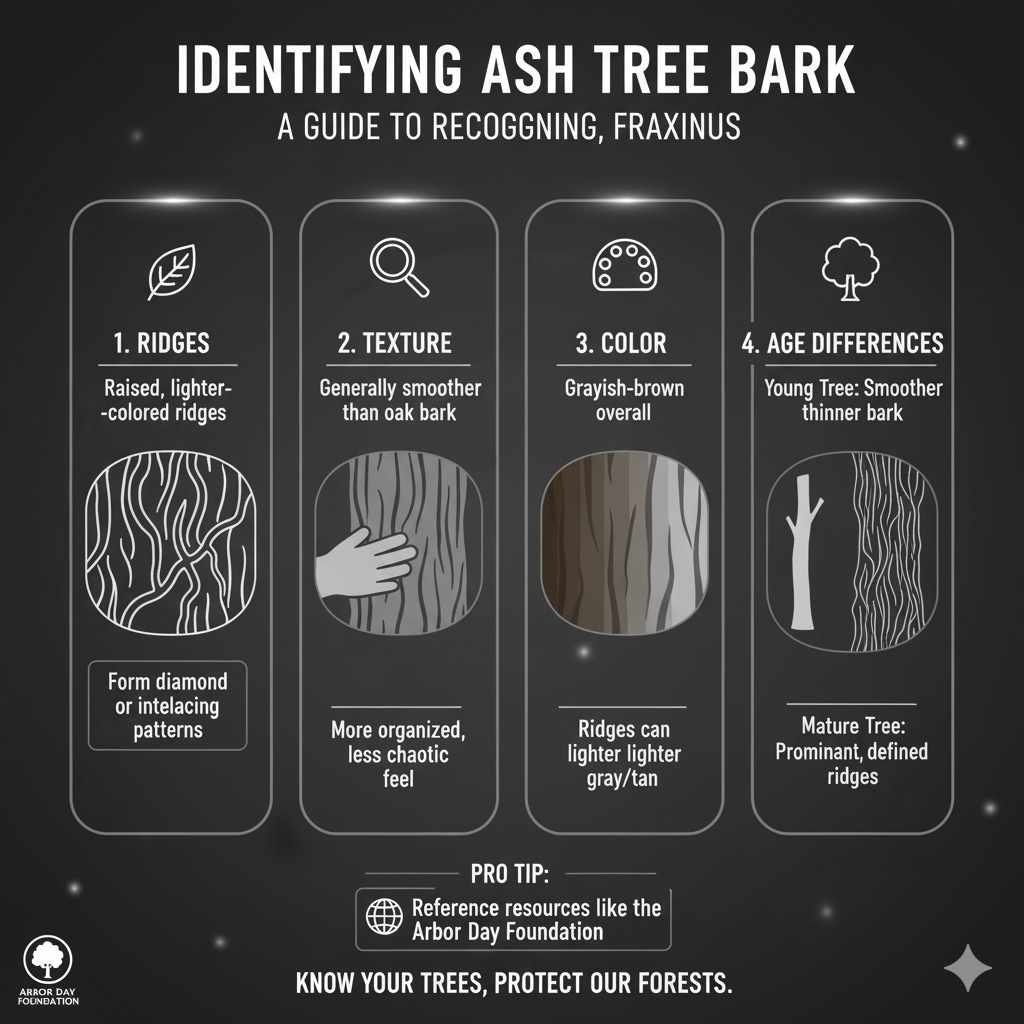
- Ridges: Ash bark typically has lighter-colored, raised ridges. These ridges often form diamond or interlacing patterns, especially as the tree gets older. Think of it like a relaxed basket weave.
- Texture: It’s generally smoother than oak bark. You won’t find those deep, rugged canyons you see in older oak trees. It feels more organized and less chaotic.
- Color: The bark is usually grayish-brown. The ridges might be a slightly lighter gray or tan color compared to the darker furrow areas, adding to that woven look.
- Young vs. Old: Younger ash trees will have smoother, thinner bark. As they mature, the characteristic ridges become more prominent and defined.
A great resource for identifying trees, including their bark, can be found on the Arbor Day Foundation’s bark identification page. It’s a fantastic starting point for learning more about the visual characteristics of different tree barks.
Identifying Oak Bark
Now, let’s talk about oak bark. If ash bark is neat and tidy, oak bark is the wilder, more rugged cousin. It’s built for toughness and character, and its bark shows it!
Here’s what makes oak bark stand out:
- Deep Furrows: This is the classic sign of oak. The bark is deeply furrowed, meaning it has lots of deep cracks, or ‘furrows,’ running up and down the trunk.
- Rough Texture: It feels decidedly rough to the touch, almost like thick, hardened leather that’s seen some action.
- Color: Oak bark is typically dark gray to almost black, especially in the deeper crevices. The outer layers can be lighter, but the overall impression is darker and more weathered than ash.
- Blocky or Ridge Patterns: Depending on the specific oak species, the furrows might create broad, flat-topped ridges or more irregular, blocky patterns. It’s less about neat interlacing and more about bold, deep divisions.
- Moss and Lichen: Older oak trees are often covered in moss and lichen, which adds to their weathered, ancient appearance. While not part of the bark itself, it’s a common companion to mature oak bark.
Ash Tree Bark Vs. Oak Bark: Key Differences at a Glance
Sometimes, seeing the differences laid out side-by-side is the easiest way to remember them. Think of this as your quick reference guide!
| Feature | Ash Tree Bark | Oak Bark |
|---|---|---|
| Ridges | Lighter color, interlacing, diamond patterns, or woven look. | Darker, deep furrows creating bold, often irregular patterns. |
| Texture | Generally smoother, more organized. | Rough, rugged, deeply grooved. |
| Color | Grayish-brown with lighter ridges. | Dark gray to black, especially in furrows. |
| Overall Impression | Neater, more structured, sometimes described as “basket-like.” | Rugged, weathered, deeply creased, like thick old leather. |
| Age Effect | Ridges become more pronounced and defined. | Furrows deepen, often becoming home to moss and lichen. |
The Wood Itself: Beyond the Bark
While bark is a great visual cue, what about the wood inside? Both ash and oak are fantastic hardwoods, but they have different characteristics that make them suitable for different tasks. Knowing these differences is key for choosing the right material for your woodworking projects.
Ash Wood Properties
Ash wood is known for its strength, shock resistance, and beautiful grain patterns. It’s often compared to oak but has some key distinctions.
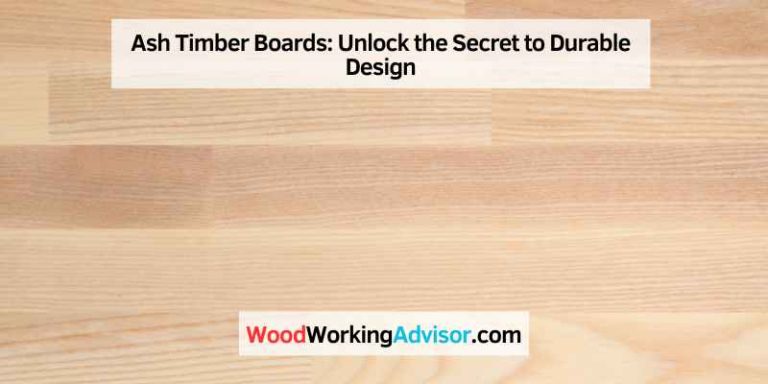
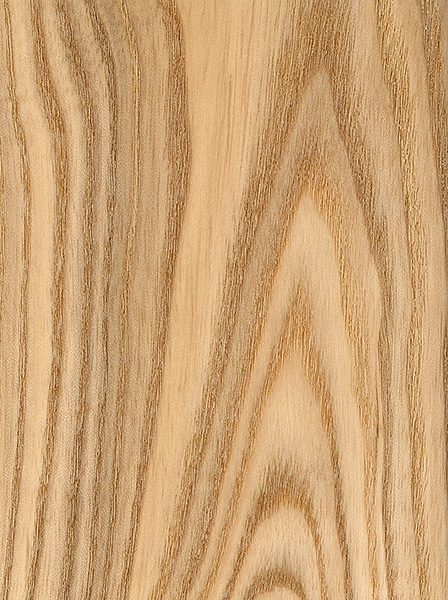
- Grain: Ash typically has a prominent, straight grain with a coarse texture. The growth rings are quite visible, giving it a striped or ribbon-like appearance. It can look similar to oak from a distance but is often less dramatic.
- Color: The heartwood of ash is usually light brown to medium brown, sometimes with reddish streaks. The sapwood is a lighter creamy white.
- Strength and Flexibility: This is where ash really shines for certain applications. It’s incredibly strong and has excellent shock absorption. This makes it ideal for tool handles, baseball bats, and furniture that needs to withstand impact. It also has good bending properties, meaning it can be shaped with steam.
- Workability: Ash is generally easy to work with both hand and power tools. It glues well, sands smoothly, and takes finishes beautifully. Its coarser texture might require slightly more attention when finishing to achieve a glass-smooth surface.
- Durability: Ash is quite durable and resistant to wear. It’s a good choice for flooring and furniture that gets a lot of use.
Oak Wood Properties
Oak is arguably the king of hardwoods for many traditional furniture makers and builders. It’s renowned for its strength, hardness, and distinctive look.
- Grain: Oak has a more open, coarser grain than ash. It’s famous for its “medullary rays”—flecks and ribbons that run perpendicular to the growth rings, creating a beautiful, wavy, or flecked pattern, especially in quarter-sawn oak. This figure is very distinctive.
- Color: Oak comes in various shades. Red oak is typically pinkish-brown, while white oak is more grayish-brown or light brown. Both have lighter sapwood.
- Strength and Hardness: Oak is exceptionally hard and strong. It’s very resistant to wear and tear, decay, and insect damage (especially white oak). Its density makes it very stable.
- Workability: Oak can be a bit more challenging to work with than ash due to its hardness and prominent grain. It can sometimes dull tools faster. However, it glues well, and it finishes beautifully, often showcasing its prominent grain and rays.
- Durability and Decay Resistance: White oak, in particular, is highly resistant to decay and water, making it an excellent choice for outdoor furniture, boat building, and barrels.
Ash Wood Vs. Oak Wood: A Comparison for Your Workshop
When you’re deciding between ash and oak for a project, think about what you want the final piece to do and look like. Here’s a way to compare them directly for woodworking purposes.
- Shock Absorption
Excellent (ideal for handles, sports equipment).Good, but ash is superior in pure shock absorption.
| Characteristic | Ash | Oak |
|---|---|---|
| Grain Pattern | Straighter, more prominent growth rings (“striped” or “ribbon-like”). Often less dramatic than oak. | Coarser, more open grain with distinctive medullary rays (“flecking” or “wavy” patterns, especially when quarter-sawn). |
| Color | Light to medium brown, creamy white sapwood. Can have reddish streaks. | Pinkish-brown (red oak) to grayish-brown (white oak). Light sapwood. |
| Hardness & Strength | Very strong, high shock resistance, good flexibility. | Extremely hard and strong, very durable, good wear resistance. |
| Workability | Generally easier to work, glues and finishes well. Coarser texture may need extra finishing care. | Can be harder on tools, requires sharp blades. Glues and finishes well, highlighting grain. |
| Durability & Decay Resistance | Durable, good wear resistance. | Highly durable, especially white oak (excellent water and decay resistance). |
| Typical Uses | Tool handles, baseball bats, furniture frames, bentwood pieces, flooring. | Furniture, cabinetry, flooring, barrels, boat building, outdoor structures. |
| Aesthetic | Clean, straight grain with a lighter, modern look. | Bold, dramatic patterns with a classic, traditional look. |
Common Projects for Ash and Oak
Both woods are fantastic choices for a wide range of projects. Knowing their strengths will help you pick the right one.
Projects That Shine with Ash
- Tool Handles: Its superior shock resistance means it won’t splinter or break easily when striking.
- Sports Equipment: Think baseball bats, lacrosse sticks – anything that needs to take a solid hit.
- Chairs and Stools: Especially those with legs or frames that might experience stress or impact over time. Ash’s bending properties also make it great for curved chair backs.
- Broom Handles and Rakes: Durable and lightweight enough for everyday tools.
- Flooring: Its hardness makes it a good option for high-traffic areas.
- Contemporary Furniture: Ash can provide a cleaner, more linear look that fits well with modern and mid-century designs.
Projects That Excel with Oak
- Traditional Furniture: Oak’s strength, beauty, and classic appearance make it a go-to for dining tables, dressers, and sturdy cabinetry.
- Cabinetry and Doors: Its hardness and stability make it perfect for long-lasting kitchen cabinets and entry doors.
- Flooring: Oak flooring is iconic for its durability and classic looks.
- Outdoor Furniture and Structures: White oak’s resistance to rot and insects is invaluable for decks, patios, and garden benches.
- Barrels: For aging wine and spirits, white oak is the standard.
- Boat Building: White oak’s strength and water resistance make it ideal for boat frames and planking.
Mistakes Beginners Make and How to Avoid Them
When you’re just getting started, it’s easy to mix up woods or pick the wrong one for a project. Here are a couple of common hiccups and easy fixes:
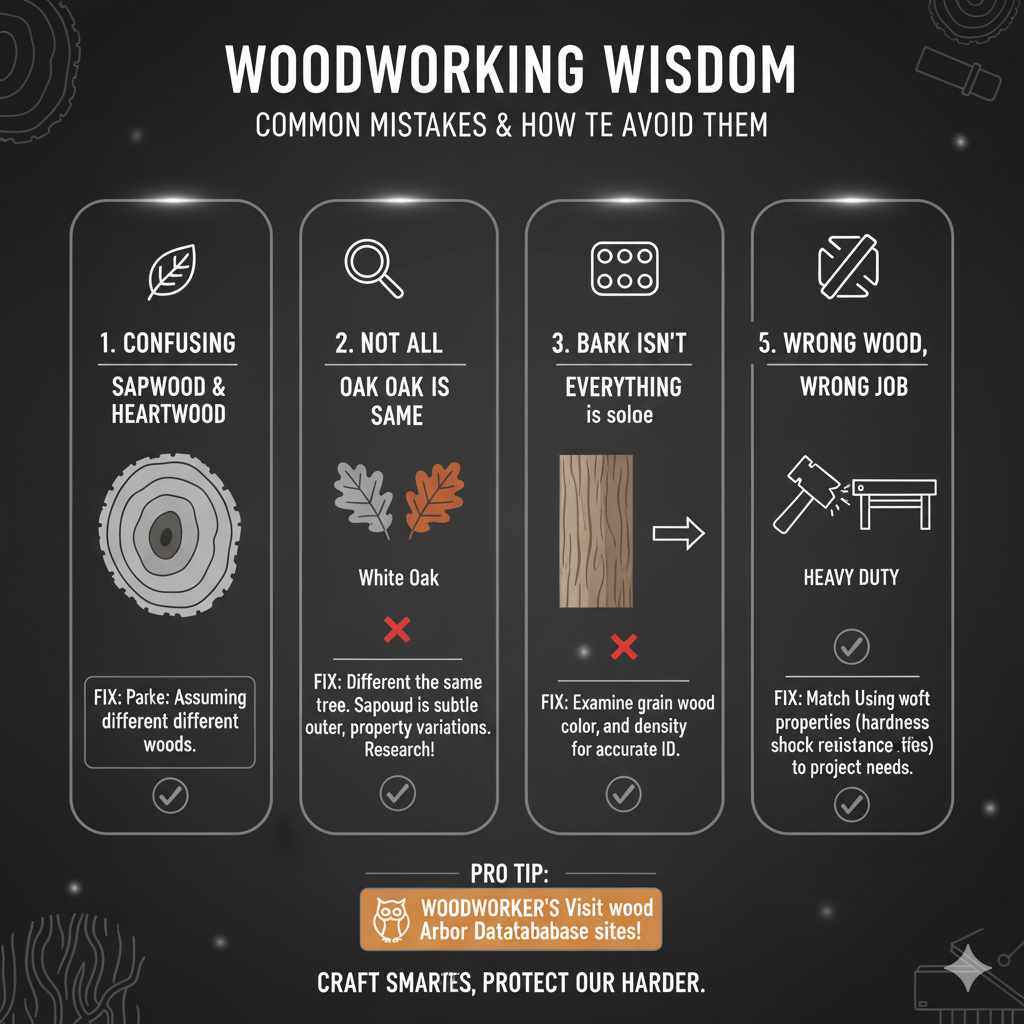
- Confusing Sapwood and Heartwood: When you see lighter colored wood on the outside of a log or plank, that’s sapwood. Heartwood is the denser, darker wood in the center. Both ash and oak have light sapwood, but don’t assume it’s a different species! It’s just part of the same great wood.
- Assuming All Oak (or Ash) is the Same: There are many species of oak and ash, and they can have slightly different appearances and properties. While the general bark characteristics and wood traits are similar, a White Oak might behave a bit differently than a Red Oak, for example. For most beginner projects, knowing the general ash vs. oak differences is plenty!
- Picking Based on Bark Alone: Remember, the bark is a clue, not the whole story. If you’re buying lumber, always look at the wood grain and color, not just what the tree bark might have looked like.
- Choosing the Wrong Wood for the Job: Trying to make something that needs sharp impact resistance from a less shock-absorbent wood (like pine) won’t end well. Or, using a softer wood for a heavy-duty workbench when oak would be perfect. Always consider the demands on your project.
Frequently Asked Questions (FAQ) About Ash Tree Bark Vs. Oak
Q1: How can I tell ash bark from oak bark if the tree is young?
Young ash trees have smoother bark with faint, interlacing ridges starting to form. Young oak trees also tend to have smoother bark than mature ones, but it will often show a darker color and a tendency towards shallower, straighter grooves rather than the distinct diamond pattern of ash.
Q2: Does the bark of a tree tell you about the quality of the wood inside?
Generally, the bark itself doesn’t directly indicate the quality of the wood in terms of knots or straightness of grain. However, a healthy-looking bark on a mature tree usually means healthy wood inside. Very old trees might have thicker, more rugged bark, but the wood quality depends more on growth conditions and species.
Q3: Can I use ash bark or oak bark for anything?
Historically, barks from various trees were used for tanning leather, dyeing, and even medicinal purposes. However, for modern woodworking, the bark is usually removed and discarded to reveal the usable wood. It’s not typically used in construction or furniture making.
Q4: What’s the main difference in the wood of ash versus oak?
The biggest difference for woodworkers is often the grain pattern and shock resistance. Ash has a prominent straight grain and superior shock absorption, making it great for things like tool handles. Oak has a coarser grain with distinctive rays and is exceptionally hard and durable, ideal for furniture and structures.
Q5: Which wood is stronger, ash or oak?
Both are very strong hardwoods. Oak is generally harder and more resistant to denting and wear. Ash is exceptionally strong in terms of shock resistance and bending strength, meaning it can absorb impacts better without breaking. For sheer hardness, oak usually wins; for toughness under impact, ash is superb.
Q6: Is oak more expensive than ash?
Prices can vary greatly depending on location, availability, and specific species (e.g., White Oak versus Red Oak). Generally, though, they are in a similar price range as common, desirable hardwoods. Sometimes, specific cuts or higher grades of oak might command a higher price due to its popularity and distinctive grain.
Conclusion: Your Newfound Wood Wisdom!
There you have it! Navigating the differences between ash tree bark and oak bark, and their respective woods, is much simpler now, isn’t it? You’ve learned to spot the neat, woven patterns of ash bark versus the rugged, deeply furrowed texture of oak bark. More importantly, you understand how these differences translate to the wood itself – the clean lines and shock absorption of ash, and the bold grain and sheer hardness of oak.
This knowledge isn’t just for identifying trees; it’s about giving you the confidence to choose the perfect material for your next project. Whether you’re crafting a sturdy workbench, a beautiful chair, or even just replacing a broken tool handle, you can now make an informed decision. Remember your tables and lists as quick references, and trust your eyes – the bark is the first clue, but the wood tells the full story.
Keep practicing, keep building, and don’t be afraid to explore the wonderful world of hardwoods. Every project you complete, big or small, builds your skills and your confidence. Happy woodworking, my friends!