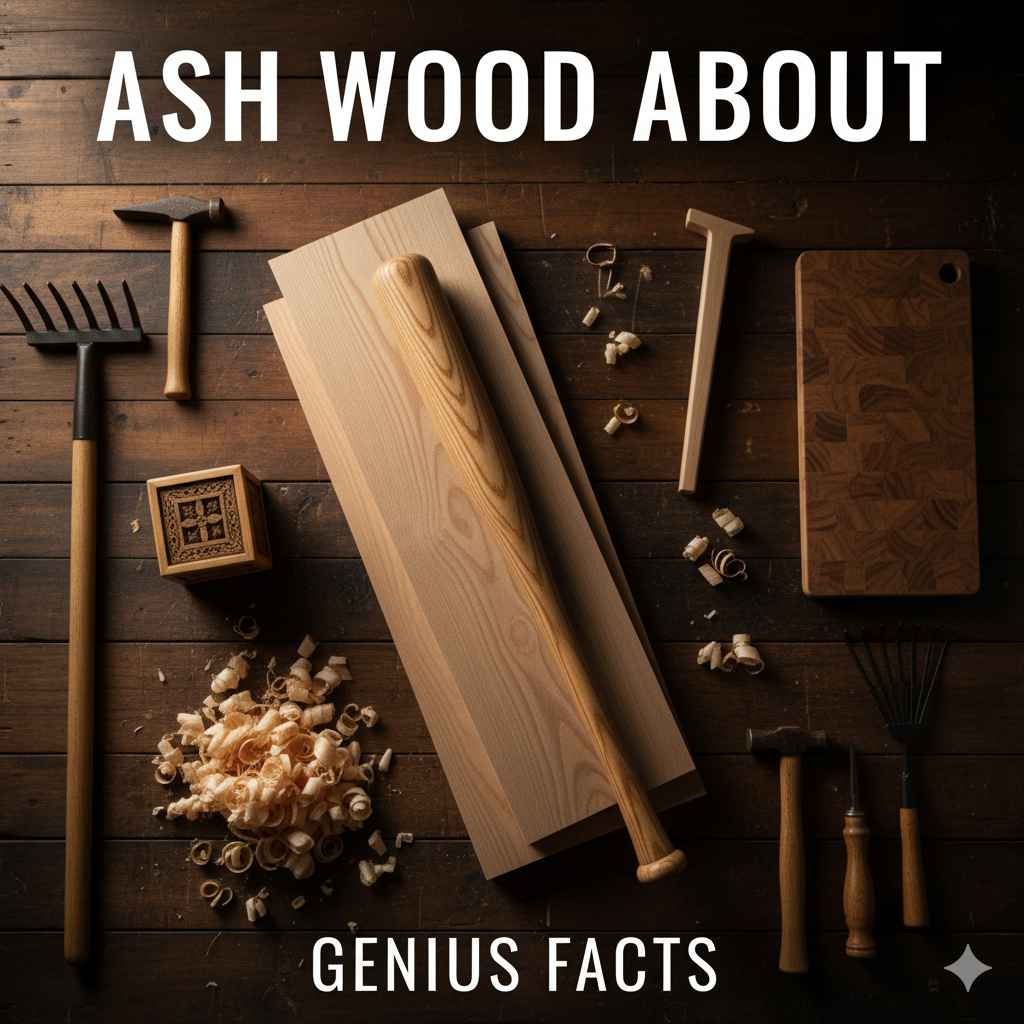
Ash Wood About: Genius Facts
Ash wood is a fantastic choice for DIYers and woodworkers! It’s strong, shock-resistant, and beautiful, making it perfect for furniture, tool handles, and more. This guide will unlock its genius secrets so you can confidently use it in your projects.
Ever stared at a piece of wood and wondered what makes it special? For many of us diving into DIY or woodworking, “what kind of wood is this?” can be a bit of a mystery. Sometimes, a specific wood might catch your eye with its grain or feel. Ash wood often does just that! It’s a popular lumber with some truly remarkable qualities that make it a favorite for many projects. You might be thinking, “Is ash wood right for me and my next project?” Absolutely! We’re going to break down all the amazing things about ash wood, making it super simple to understand. Get ready to learn why this wood is a true gem in the workshop.
What Exactly IS Ash Wood?
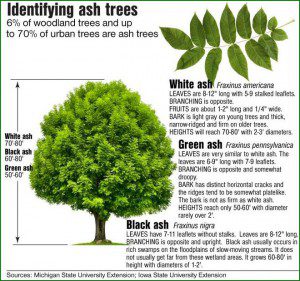
So, what is ash wood and why should you care? Ash wood comes from ash trees, belonging to the Fraxinus genus. There are many species of ash trees across the world, but for woodworking, we primarily deal with the American White Ash (Fraxinus americana) and European Ash (Fraxinus excelsior). These trees grow remarkably fast and are known for their straight trunks, which is great news for getting long, usable lengths of lumber.
Think of ash wood as a bit of a superhero in the lumber world. It’s tough, it’s flexible, and it looks pretty darn good doing it. This combination of strength and beauty is why it’s been a go-to for centuries. What’s really “about” ash wood is its incredible resilience and versatility, making it a smart choice for anyone looking to build something that lasts.
The Superpowers of Ash Wood: Key Characteristics
Ash wood isn’t just any wood; it’s packed with characteristics that make it stand out. These aren’t just fancy words—they translate into real benefits for your projects. Let’s look at what makes ash so special.
Strength and Hardness: Ash is a hardwood, meaning it’s dense and strong. It’s known for its excellent shock resistance. This is why it’s traditionally used for things like baseball bats and tool handles – they need to withstand impact without breaking.
Flexibility and Toughness: Beyond just being hard, ash is also quite flexible. This means it can bend without snapping easily. This toughness is crucial for applications where the wood might be stressed or subjected to vibration.
Attractive Grain: Ash typically has a straight, visible grain pattern, often with regular, medium-to-coarse texture. It can have beautiful figuring, like wavy or curly patterns, which adds a lot of aesthetic appeal. When finished, it can look quite elegant.
Good Workability: While it’s a hardwood, ash is generally considered easier to work with than some other dense hardwoods like oak. It machines well, sands nicely, and takes finishes beautifully. This makes it user-friendly for beginners and experienced woodworkers alike.
Durability: Ash wood is quite durable and resistant to wear. This means projects made from ash can last a long time, even with regular use.
Visualizing Ash Wood: Color and Grain
One of the first things you’ll notice about ash is its appearance. The color can vary, but generally, it’s a creamy white to light brown heartwood, often with lighter sapwood. The grain is usually straight and even, with a coarse texture. You might see some distinctive markings or “figure” in the wood, depending on the tree and how it was cut. This natural beauty means it doesn’t always need heavy staining to look great. A clear finish can often highlight its natural charm.
Here’s a quick look at some typical characteristics:
| Characteristic | Description |
|---|---|
| Color | Creamy white to light brown heartwood; lighter sapwood. |
| Grain | Mostly straight, pronounced, with a medium to coarse texture. |
| Figure | Occasionally shows attractive wavy or curly patterns. |
| Luster | Naturally bright and reflective; enhances beautifully when finished. |
“Ash Wood About”: Genius Uses That Amaze
The “genius” of ash wood really shines through in its applications. Because it’s strong, flexible, and can handle impact, it’s perfect for jobs that demand reliability. Let’s explore some of the most common and impressive uses:
1. Furniture Making
Ash is a classic choice for furniture. Its strength means it can support weight, and its attractive grain makes it look fantastic as tabletops, chair legs, bed frames, and more. Whether you’re building a sturdy dining table or an elegant cabinet, ash can deliver. It’s particularly popular for Shaker-style furniture and contemporary designs where clean lines and natural beauty are key.
2. Tool Handles
This is where ash truly proves its mettle. The shock-absorbing qualities of ash make it ideal for the handles of tools like hammers, axes, shovels, and pickaxes. The wood can absorb the jolt of impact, protecting the user’s hands and wrists and preventing the handle from shattering. If you’ve ever used a well-made tool, chances are its handle was ash.
3. Sports Equipment
Many sports equipment items have historically relied on ash. Think baseball bats! The combination of strength, light weight, and flexibility allows the bat to flex slightly upon impact, transferring energy efficiently to the ball. It’s also used in things like oars and even some types of archery bows. Its ability to withstand stress and vibration without breaking is paramount here.
4. Flooring
Yes, ash wood can also be used for flooring! It’s a hardwood that is quite durable and can stand up to foot traffic. Its attractive grain pattern can add warmth and character to any room. While it’s not as hard as some exotic hardwoods, its toughness and affordability make it a popular choice for residential flooring.
5. Musical Instruments
The resonant qualities of ash make it a favored wood for certain musical instruments, especially electric guitar bodies. Different species and cuts of ash offer varying tonal characteristics, but it’s generally known for producing bright, clear tones. Fender guitars, for example, have famously used ash for many of their iconic instrument bodies.
6. Cabinetry and Millwork
For interior decorative pieces, ash is an excellent option. Its fine grain and ability to accept stains and finishes mean it can be customized to match any decor. It’s used for kitchen cabinets, custom shelving, decorative trim, and even paneling, adding a touch of natural elegance to a space.
Working with Ash Wood: Tips for Beginners
Alright, let’s get practical. If you’re new to woodworking, you might be wondering if ash is the right lumber to start with. The good news is, yes, it’s quite beginner-friendly! Here are some tips to help you get the most out of working with ash.
1. Selecting Ash Lumber
When you’re at the lumberyard, look for boards that are straight and relatively free of excessive knots or defects, especially if you need long, clear pieces. Check for warping or cupping, which can happen with any wood as it dries. For furniture, you might want to look for finer grain patterns, while for tool handles, strength is the priority.
Moisture Content: Ensure the wood is properly kiln-dried to a stable moisture content (around 6-8% for interior use). This prevents future warping or cracking.
Grain Appearance: Decide if you prefer a straight grain or if you’re looking for more character with figured ash.
Grading: Lumber is often graded based on its appearance and number of defects. For beginners, a common grade like “Select & Better” or “1 Common” can be a good starting point, offering a balance of quality and cost.
2. Cutting and Machining
Ash cuts and machines well. You’ll likely use a table saw, miter saw, or even hand saws.
Blade Choice: Use sharp blades. This is crucial for any hardwood to get clean cuts and prevent tear-out. A high-tooth count blade on a table saw will give you a smoother edge.
Feed Rate: Don’t force the wood through your tools. A steady, consistent feed rate is best.
Dust Collection: Like all wood dust, ash dust can be an irritant. Make sure you have good dust collection and wear a mask. For more on workplace safety, the Occupational Safety and Health Administration (OSHA) has valuable information on wood dust hazards and control.
3. Sanding Ash Wood
Sanding is key to a smooth finish. Start with a coarser grit sandpaper (like 80 or 100 grit) to remove any milling marks or imperfections. Then, gradually move to finer grits (120, 150, 180, and even up to 220 or 320 grit) to achieve a silky-smooth surface.
Sanding Direction: Always sand with the grain to avoid visible scratches.
Dust Removal: Between grits, make sure to thoroughly remove all dust. A vacuum with a brush attachment and a tack cloth are your best friends here.
4. Finishing Ash Wood
Ash takes finishes exceptionally well. Whether you prefer a natural look, a stain, or a painted finish, ash can handle it.
Natural Finish: For a clear finish, you can use polyurethane, lacquer, or an oil-based finish. This will protect the wood and bring out its natural color and grain.
Staining: Ash’s open grain can sometimes lead to blotchiness when staining, especially with darker colors. To avoid this, consider using a pre-stain wood conditioner. This helps the stain penetrate more evenly.
Painting: Ash takes paint beautifully, providing a smooth, durable surface for cabinets or furniture pieces you want to color.
5. Gluing Ash Wood
Ash glues well with standard wood glues like PVA (Polyvinyl Acetate). Ensure your surfaces are clean, smooth, and well-mated for a strong bond. Clamp firmly and allow adequate drying time according to the glue manufacturer’s instructions.
—
Ash Wood vs. Other Popular Woods: A Quick Comparison
How does ash stack up against other popular lumber choices for beginners? Understanding these differences can help you select the best wood for your specific project’s needs and budget.
Here’s a look at ash compared to oak and pine:
| Feature | Ash Wood | Red Oak | Pine (Softwood) |
|---|---|---|---|
| Hardness/Strength | High (hardwood) | Very High (hardwood) | Low (softwood) |
| Shock Resistance | Excellent | Good | Poor |
| Flexibility | Good | Moderate | Moderate |
| Grain | Straight, distinct, medium-coarse | Prominent, open, cathedral-like grain | Knotty, often straight, fine to medium grain |
| Workability | Machines well, easy to bend with steam | Good, but can split near ends | Very easy to cut, sand, and shape |
| Durability | High, wear-resistant | High, very durable | Moderate, dents and scratches easily |
| Cost | Mid-range | Mid to High | Low to Mid-range |
| Typical Uses | Tool handles, furniture, sports equipment, flooring | Furniture, cabinetry, flooring, doors | Construction framing, shelving, crafts, trim work |
Key Takeaway: Ash offers a fantastic balance of strength, flexibility, and aesthetic appeal at a reasonable price point, making it a versatile choice for many projects where durability is important.
The Environmental “About” of Ash Wood
It’s not just about the wood’s physical properties; it’s also important to consider where it comes from. Ash trees are widespread, and sustainable forestry practices are common in North America and Europe. When you purchase ash lumber, look for sources that emphasize responsible harvesting.
Sadly, ash trees face threats, most notably from the Emerald Ash Borer (EAB). This invasive insect has devastated ash populations in many areas. While this is a serious ecological issue, it means that local ash lumber can be a way to utilize trees that would otherwise be removed. Always check with your lumber supplier about the origin of their wood and any certifications they might hold. Reputable suppliers often provide information on their sourcing practices. You can often find information from organizations like the Forest Stewardship Council (FSC) about sustainable wood sourcing.
—
Frequently Asked Questions About Ash Wood
Is ash wood good for beginners?
Yes, ash wood is generally considered good for beginners. It’s strong but also machines and finishes well, making it forgiving to work with. If you can use a saw and sander, you can definitely work with ash.
What’s the difference between ash and oak?
Both are hardwoods, but oak is typically harder and denser than ash. Ash is more flexible and has better shock resistance. Visually, oak often has a more prominent, open, and varied grain pattern, while ash tends to be straighter and more uniform. Ash is also generally a bit lighter in color.
Can I stain ash wood?
Yes, you can stain ash wood. However, ash has an open grain that can sometimes absorb stain unevenly, leading to a blotchy appearance. For a more uniform finish, it’s recommended to use a pre-stain wood conditioner before applying your stain.
Is ash wood expensive?
Ash is usually in the mid-range for hardwood prices. It’s often more affordable than woods like walnut or cherry, but more expensive than softwoods like pine. Its price reflects its excellent properties and durability, making it a good value for many projects.
What are ash wood’s biggest strengths?
Ash wood’s biggest strengths are its exceptional toughness, strength, and shock resistance. It’s also flexible, has an attractive grain, and works well with tools and finishes. This combination makes it very versatile.
Can ash wood be used outdoors?
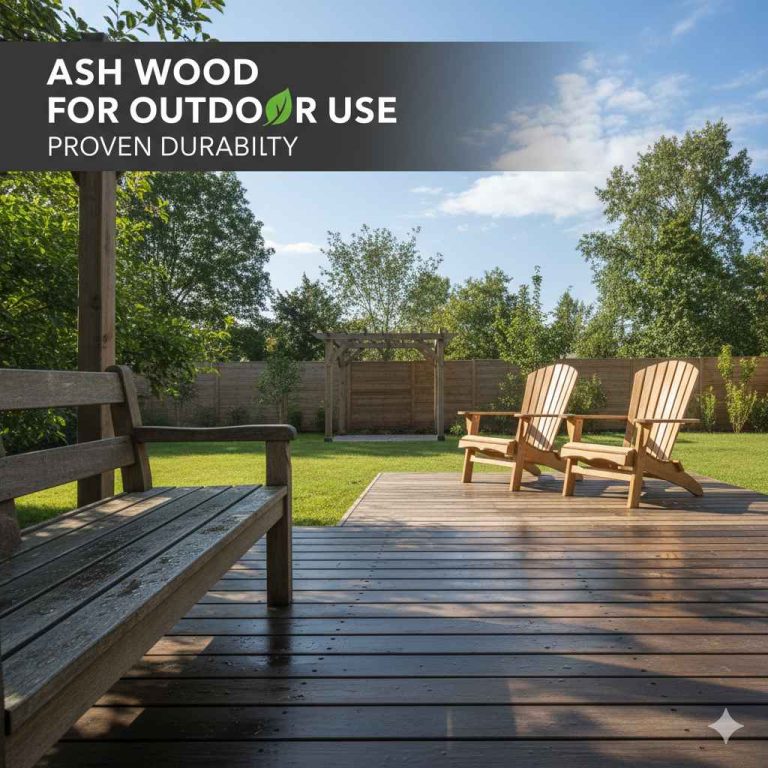
While ash is durable, it’s not naturally as rot-resistant as some other woods like cedar or redwood. If you plan to use ash for outdoor projects, it’s crucial to use a high-quality exterior finish or sealant to protect it from moisture, UV rays, and insects.
Conclusion: Your New Favorite Wood?
So, there you have it! Ash wood is a truly versatile and high-performing lumber that offers a fantastic blend of strength, flexibility, and natural beauty. From building sturdy furniture that lasts for generations to crafting tool handles that can take a beating, ash proves its worth time and time again. Its workability makes it accessible even for those just starting out in woodworking, and its attractive grain means your finished projects will look stunning.
Whether you’re planning your first DIY piece or looking to expand your woodworking material knowledge, ash wood is an excellent option to consider. It’s a reliable choice that won’t let you down, offering both visual appeal and robust performance. Get acquainted with ash, and you might just find it becomes your go-to wood for many projects to come. Happy building!