What Is an Ash Tree? Identification, Leaves, and the Emerald Ash Borer
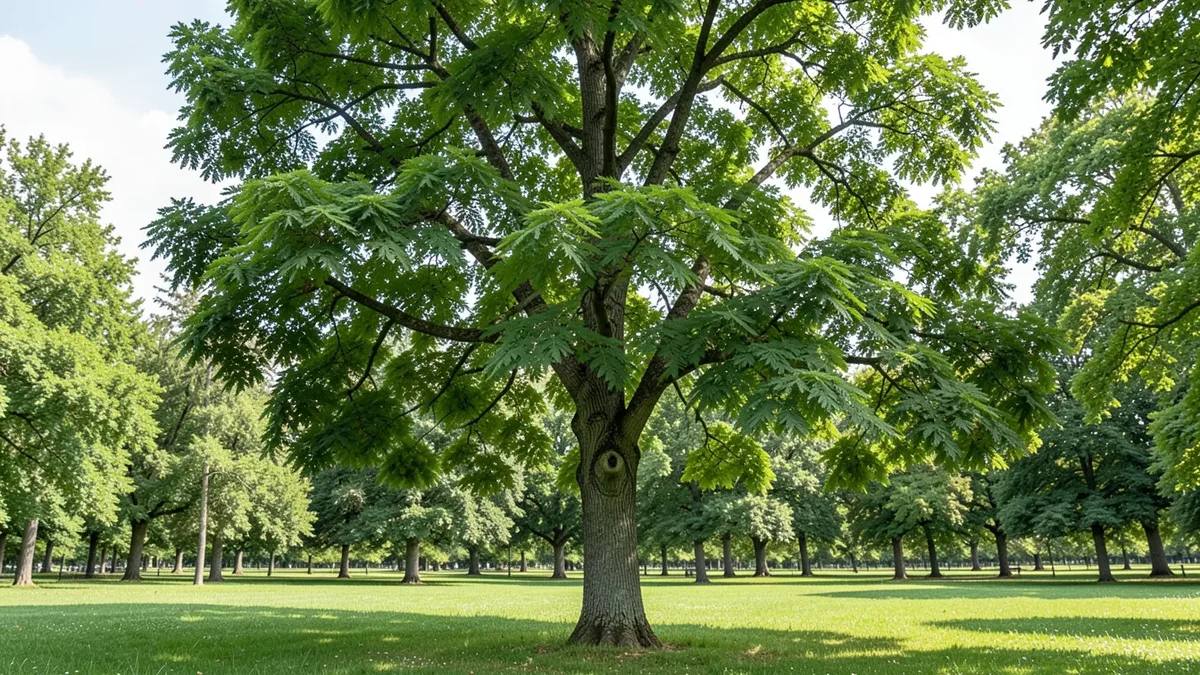
An ash tree is any of about 45-65 species in the genus Fraxinus, identified most reliably by opposite branching, compound leaves with 5 to 9 leaflets, and diamond-furrowed gray bark. That opposite-branching trait is the fastest field ID clue: ash is one of only a handful of common North American trees (alongside maple, dogwood, and horsechestnut — sometimes remembered by the mnemonic “MAD Horse”) where twigs and leaves grow directly across from each other on the branch, rather than staggered.
That single trait rules out most other tree species in seconds, which matters more than it sounds like it should right now — ash trees across North America are dying from an invasive beetle at a scale that makes accurate identification genuinely useful, not just academic.
How To Identify An Ash Tree
FOR ACCURATE TREE ID
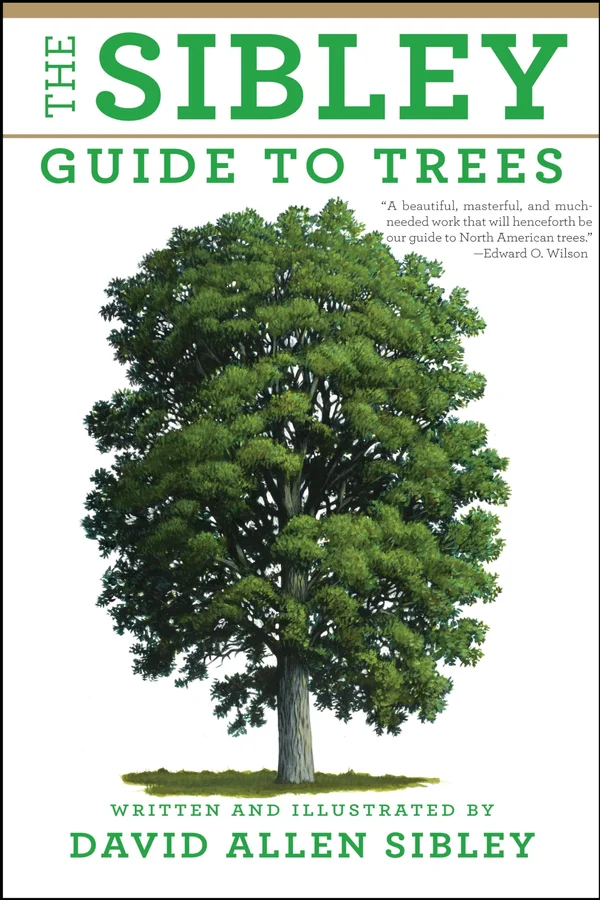 |
The Sibley Guide to Trees – $29 If you want to confirm an ash ID (or catch early Emerald Ash Borer damage) beyond what a single article can cover, this is the field guide arborists actually recommend.
|
Check branching pattern first. Look at where twigs and buds emerge from a branch: if they sit directly opposite each other in pairs, you’ve already narrowed the field to a handful of species. Most trees — oaks, maples aside — have alternating growth, so opposite branching alone eliminates the majority of what you’re likely looking at.
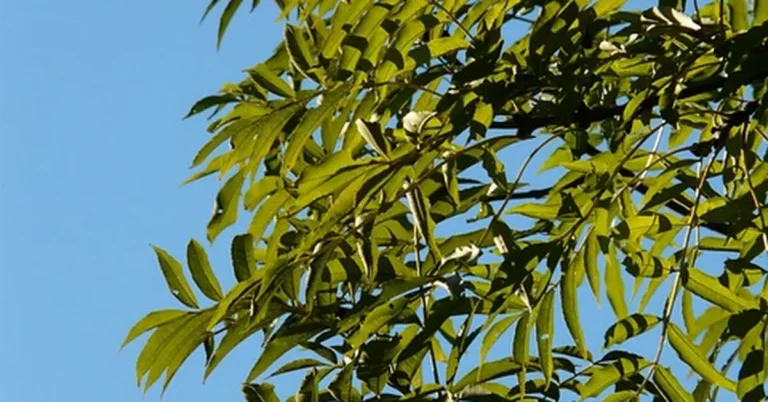
From there, the leaves confirm it. Ash leaves are pinnately compound, meaning each “leaf” is actually made of 5 to 9 leaflets arranged in pairs along a central stem, with one leaflet at the tip. The bark on a mature ash has a distinctive tight, diamond-shaped furrow pattern — it’s often described as looking like a woven basket or net when you look closely at an older trunk. Young trees have smoother, gray-brown bark that develops the diamond pattern as the tree ages.
| Species | Typical Height | Where It’s Common |
|---|---|---|
| White Ash (Fraxinus americana) | 65-100 ft | Eastern North America; wood used for baseball bats and tool handles |
| Green Ash (Fraxinus pennsylvanica) | 50-65 ft | Widely planted as a street tree; tolerant of wet soil and urban conditions |
| Common/European Ash (Fraxinus excelsior) | up to 130 ft | Europe; prefers moist soil |
The Emerald Ash Borer Threat
The Emerald Ash Borer (Agrilus planipennis) is an invasive beetle from Asia, first detected in Michigan in 2002, that has since killed hundreds of millions of ash trees across North America. The adult beetle itself does little damage — the real destruction comes from its larvae, which tunnel through the cambium layer just beneath the bark rather than eating the bark itself. That layer is what carries water and nutrients up and down the tree, so a heavy larval infestation effectively girdles the tree from the inside, cutting off its circulation. An untreated, actively infested ash typically dies within two to four years.
Signs of infestation include small D-shaped exit holes in the bark (about 1/8 inch across — distinctly flat on one side, unlike the round holes other borers leave), vertical bark splitting that reveals S-shaped larval tunnels underneath, and canopy dieback that typically starts at the top of the tree and works downward. Increased woodpecker activity is also a strong early clue, since woodpeckers strip bark away hunting for the larvae underneath — a phenomenon called “blonding” for the lighter wood it exposes.
Because of the scale of the outbreak, moving firewood across state or county lines is restricted or banned in many regions specifically to slow the beetle’s spread — the single biggest way it jumps to new areas is hitching a ride in cut firewood rather than flying there on its own. If you’re removing a dead or dying ash, check local regulations before transporting the wood anywhere.
Why Ash Wood Matters To Woodworkers
Ash’s practical value comes from a combination most woods don’t have: it’s strong and shock-resistant while still being light and flexible enough to bend without snapping. That’s exactly why it became the standard wood for baseball bats, axe and hammer handles, and hockey sticks — tools and equipment that take repeated sharp impacts. Its open, straight grain also makes it a favorite for steam-bending in furniture work, and it takes stain evenly, which is why it shows up in cabinetry and flooring as a more affordable alternative to oak with a similar look.
Ecological And Cultural Role
Ash trees host a surprising amount of wildlife for a single genus — over 100 species of moths and butterflies rely on ash leaves in North America and Europe, well beyond the birds and squirrels that eat the winged seeds (samaras). In Norse mythology, an ash tree, Yggdrasil, is described as the world tree connecting nine realms, which is part of why ash carries an outsized cultural weight relative to more common landscape trees like maple or oak.
Frequently Asked Questions
What Defines An Ash Tree?
An ash tree (genus Fraxinus) is defined by opposite branching, compound leaves with 5 to 9 leaflets, and gray bark with a diamond-shaped furrow pattern. It produces winged seeds called samaras and is commonly found across North America, Europe, and Asia.
What Is The Ash Tree In The Bible?
The Bible doesn’t single out ash trees specifically; its tree symbolism is generally broader. The strong cultural association with a sacred “world tree” comes from Norse mythology’s Yggdrasil, not biblical text.
What Does “Ash Tree” Symbolize?
Across various cultures, the ash tree symbolizes strength and connection — most notably as Yggdrasil, the world tree in Norse mythology said to link nine realms. Its actual wood is prized for a rare combination of strength and flexibility.
What Is So Special About Ash Trees?
Ash wood combines strength, light weight, and shock resistance in a way few other woods do, which is why it’s the standard choice for baseball bats, tool handles, and hockey sticks. Ecologically, it also supports over 100 species of moths and butterflies in North America and Europe.
Conclusion
An ash tree is easiest to identify by its opposite branching and compound, 5-to-9-leaflet leaves — a combination almost nothing else growing nearby shares. That identification skill matters more than usual right now: with the Emerald Ash Borer having killed hundreds of millions of ash trees across North America, knowing what a healthy ash looks like is the first step to catching an infestation before it’s too late to save the tree.
Sponsored / affiliate links. As an Amazon Associate I earn from qualifying purchases. I may earn additional commission from eligible campaigns.