Is Ash Wood Easy to Work With?
Ash wood is easy to work with — its straight, open grain (Janka 1,320 lbf for white ash) cuts, planes, and sands cleanly under sharp tools, though a dull blade will scorch and tear it instead of slicing through. Skip sharpening and you trade a clean cut for burn marks and clogged sandpaper. This guide covers how ash machines, sands, and finishes, why it out-bends oak and maple for curved work, and the one grain-direction mistake that ruins a jointer pass.
Insert your Affiliate Disclosure reusable block here
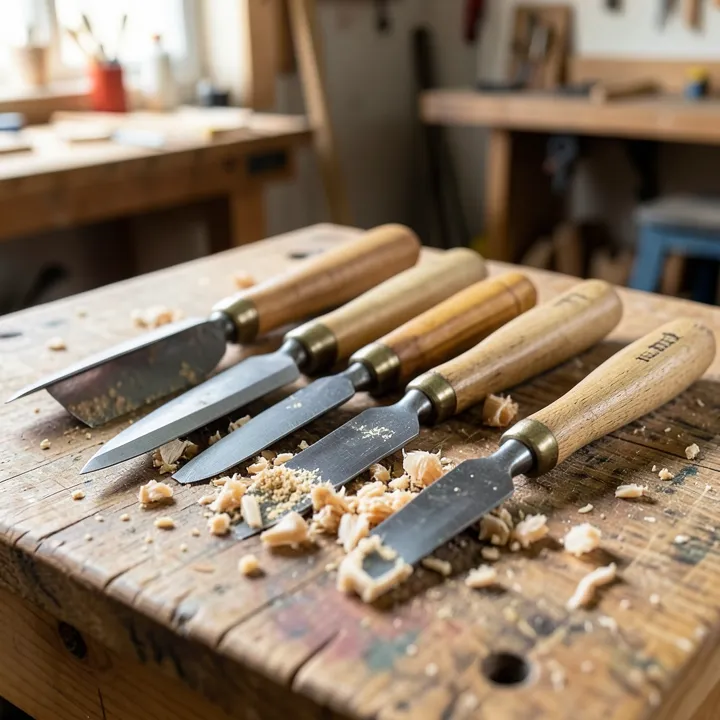
How Ash Wood Cuts and Machines
Best Sandpaper Pick for Ash
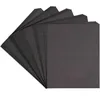
Premium Sandpaper Assortment, 25-Pack (80–400 Grit)
Covers the full 220–320 grit progression this guide recommends, plus coarser grits for shaping.
- Best for: Working through the full grit sequence on one project
- Why we picked it: Includes exactly the 220 and 320 grits ash needs for a finish-ready surface
- Main drawback: Sheet-style, not pre-cut for random orbital sanders
Compare more ash wood workability essentials
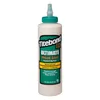 Option 1 Titebond III Ultimate Wood Glue, 16 oz
|
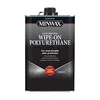 Option 2 Minwax Oil-Based Wipe-On Polyurethane, Satin
|
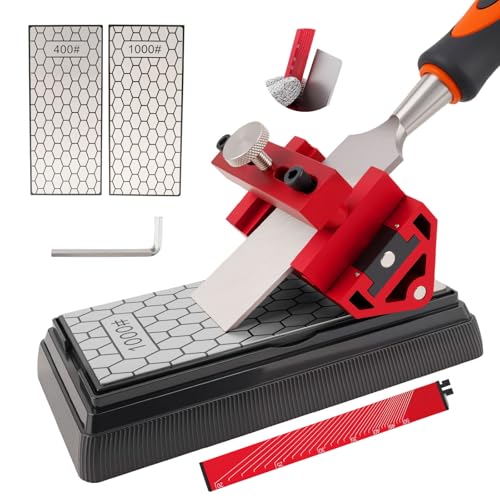
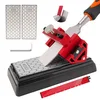 Option 3 Chisel Sharpening Kit with Honing Guide & Diamond Stone
|
As an Amazon Associate we earn from qualifying purchases.
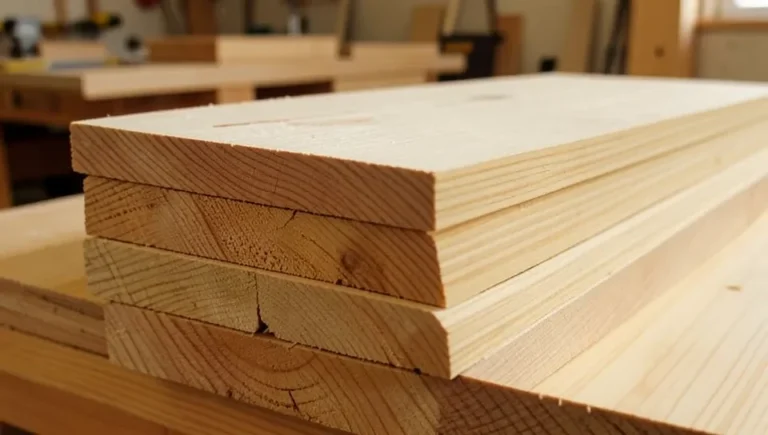
Ash cuts and machines cleanly because its grain runs straight, with little of the interlocking or reversing figure that makes woods like elm frustrating. On the table saw, jointer, and planer, sharp carbide blades produce smooth, tear-out-free surfaces in a single pass. The catch is feed direction: feed ash into a jointer or planer “downhill,” following the grain’s natural slope, or you’ll get chipping and rough patches instead of a clean surface.
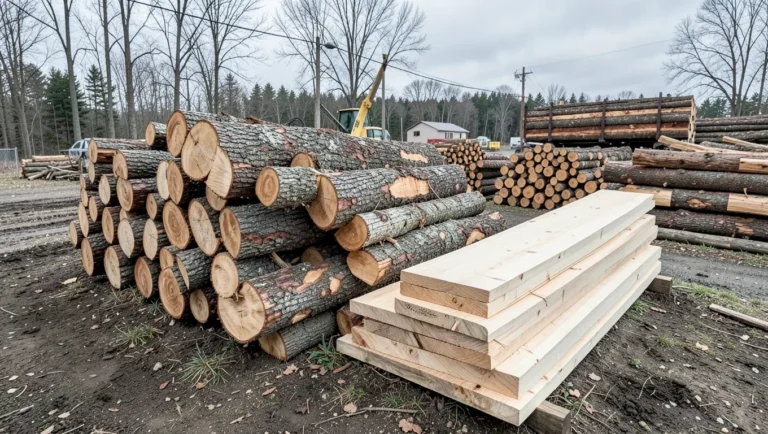
The “easy” answer also depends on which ash you’re buying. White ash — the species most lumberyards actually stock — sits at 1,320 lbf on the Janka scale, close to white oak and easy to machine with standard shop tools. Blue ash, a less common species, can run as hard as 2,030 lbf and fights tools noticeably harder. If a board feels unusually hard to plane or drill, it may not be the white ash you expected.
Sanding Ash Wood: What Grit to Use
Sanding ash is straightforward, but its open pores clog sandpaper faster than a closed-grain wood like maple. Work through 220, then 320 grit for a finish-ready surface — skipping grits leaves visible scratches that only show up once stain hits the wood. See our full sanding walkthrough for grit-by-grit technique.
Because the grain can raise slightly after the first sanding pass, a light water wipe-down followed by a final 320-grit pass (a technique called “raising the grain”) gives a noticeably smoother result before finish goes on.
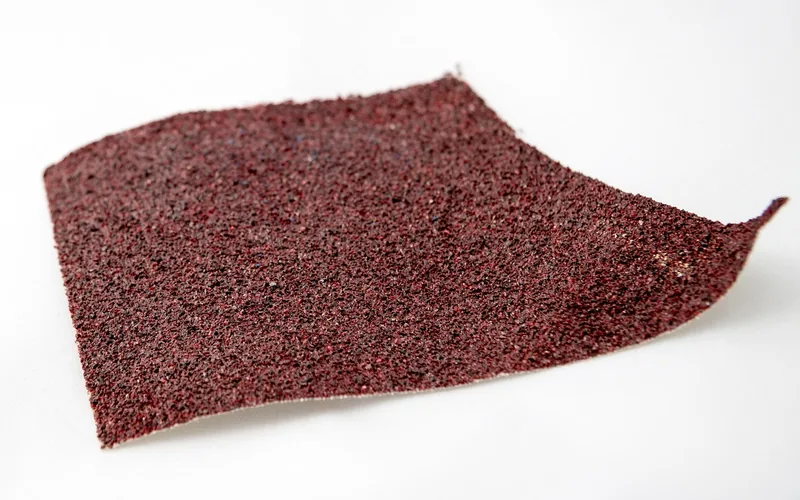
📊 Recommended progression: 220 → 320 grit for a finish-ready surface on ash. — Source: Woodworkers Source finishing guidance
How Well Does Ash Take Glue, Stain, and Finish?
Ash glues up well with standard woodworking adhesives like PVA (Titebond-style) glue — joints hold tight and the wood doesn’t split under clamp pressure. For finishing, ash is one of the more forgiving domestic hardwoods: unlike maple or birch, it rarely blotches under oil-based stain, so most projects don’t need a pre-stain conditioner.
Its pale, uniform color and open pores mean ash takes color evenly across the board — from a natural clear coat to a dark walnut-look stain to an ebonized black. See what woods pair well with ash if you’re matching it to an existing piece.
Ash vs Oak vs Maple: Workability Compared
All three are common workbench hardwoods, but they don’t behave the same way under tools. Here’s how ash actually compares to oak and hard maple across the steps that matter most:
| Wood | Cutting & Machining | Sanding | Steam Bending | Best For |
|---|---|---|---|---|
| Ash (1,320 lbf) | Easy with sharp tools; feed with the grain | Forgiving, but loads paper fast | Excellent — the benchmark for curved work | Tool handles, bats, curved furniture |
| Oak (1,290 lbf) | Easiest for beginners; very forgiving grain | Coarse open grain sands well | Good, but less flexible than ash | Traditional furniture, flooring |
| Hard Maple (1,450 lbf) | Harder on tools; needs sharp blades and a slower feed | Can glaze/burn if tools dull | Poor — resists bending | Cutting boards, fine furniture |
For hardness specifics on ash alone, see our Janka hardness breakdown.
Where Ash Wood’s Workability Pays Off
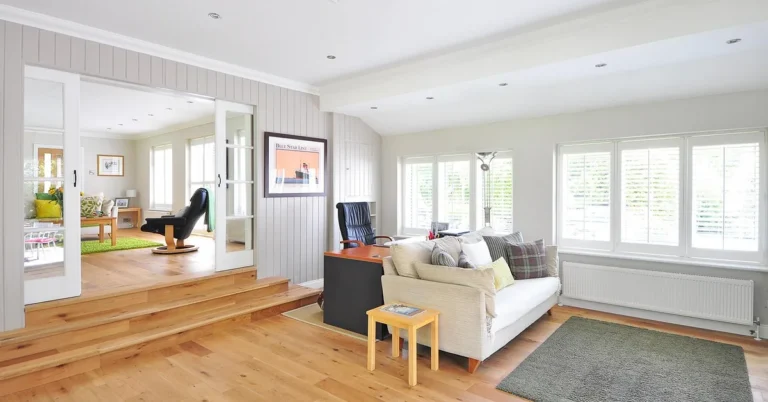
Ash’s combination of easy machining and exceptional steam-bending is exactly why it shows up in specific project types again and again: baseball bats and hockey sticks (shock resistance plus flex), curved chair backs and rockers (steam-bent parts), tool handles (it absorbs impact without splintering), and cabinetry or flooring where a clean, even finish matters.
For a broader look at where ash fits in a woodworking shop, see our guide to ash wood for woodworking projects.
Common Mistakes When Working With Ash Wood
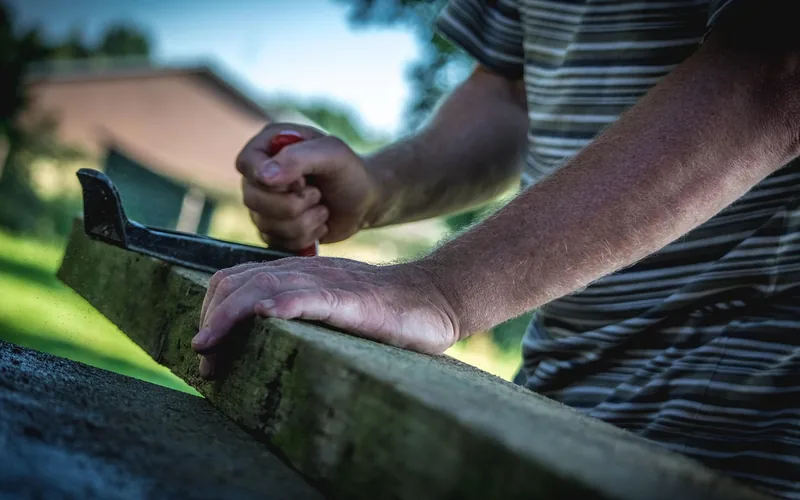
- Cutting with dull blades. Ash burns and tears more readily under dull edges or a slow feed rate than sharper hardwoods do — a scorched cut usually means the blade, not the wood, is the problem.
- Feeding against the grain. Run a jointer or planer against ash’s natural slope and you’ll get chipping instead of a clean surface. Feed “downhill” with the grain direction.
- Skipping sanding grits. Jumping from 120 straight to 320 leaves visible scratch marks once stain hits the wood — work through 220 first.
- Ignoring moisture content. Ash that hasn’t been properly dried moves and cracks after machining. Check how to season ash wood correctly before you cut it to final size.
- Handling freshly cut edges carelessly. A freshly machined ash edge can be sharp enough to cut skin — treat it like you would a knife edge until it’s sanded.
“Dull blades are the number one cause of burn marks on ash in our shop. A fresh carbide edge and a light climb-cut on any section where the grain reverses keeps tear-out out of show faces — on ash, tool sharpness matters more than technique.”
Frequently Asked Questions
Is Ash Wood Hard to Work With?
No. Ash is generally considered easy to work with among hardwoods — its straight grain machines and sands cleanly, though its Janka hardness of 1,320 lbf means sharp tools still matter. See the full hardness breakdown for how it compares to oak and maple.
What Sandpaper Grit Should You Use on Ash Wood?
Work through 220 grit, then finish with 320 grit for a smooth, finish-ready surface. Skipping straight to a fine grit leaves visible scratches once stain is applied.
Can You Bend Ash Wood?
Yes — ash steam-bends better than almost any other domestic hardwood, including oak. Its elasticity lets it flex into curved shapes without cracking, which is why it’s a standard choice for bent chair parts and tool handles.
Is Ash a Cheap Wood?
Ash is generally mid-priced — less expensive than walnut or cherry, but not as cheap as construction-grade softwoods. See current ash wood pricing for board-foot estimates.
Does Ash Wood Scratch Easily?
Ash resists scratching better than soft woods like pine, but not as well as denser hardwoods like hard maple. A protective wipe-on finish helps guard the surface on furniture and flooring.
What Are the Disadvantages of Ash Wood?
Ash’s open pores load sandpaper faster than closed-grain woods, it’s vulnerable to the emerald ash borer (affecting long-term lumber supply), and it isn’t as scratch-resistant as harder species. See the full list of ash wood drawbacks.
Conclusion
Ash wood is easy to work with as long as you respect two things: tool sharpness and grain direction. Keep blades sharp, feed with the grain, and work through the 220–320 grit sequence when sanding, and ash rewards you with clean cuts, even stain absorption, and some of the best steam-bending performance of any domestic hardwood. For the bigger picture on using ash across different project types, see our guide to ash wood for woodworking.
Sponsored / affiliate links. As an Amazon Associate I earn from qualifying purchases. I may earn additional commission from eligible campaigns.