Baby Termites in House: Uncover & Eliminate the Threat
Discovering baby termites in your house can feel like finding an unexpected guest who has overstayed their welcome. These tiny intruders might seem harmless at first, but they can quickly become a big problem if left unchecked.
You might notice them in hidden corners or behind walls, silently munching away at your home’s structure. This can lead to costly repairs and a lot of stress. But don’t worry, understanding how to spot and handle these unwelcome visitors can save you both time and money.
You’ll learn everything you need to know about identifying baby termites, understanding the risks they pose, and the steps you can take to protect your home. Stay with us to turn this potential nightmare into a manageable situation, ensuring peace of mind for you and the safety of your home.
Credit: www.mightymitetermite.com
Identifying Baby Termites
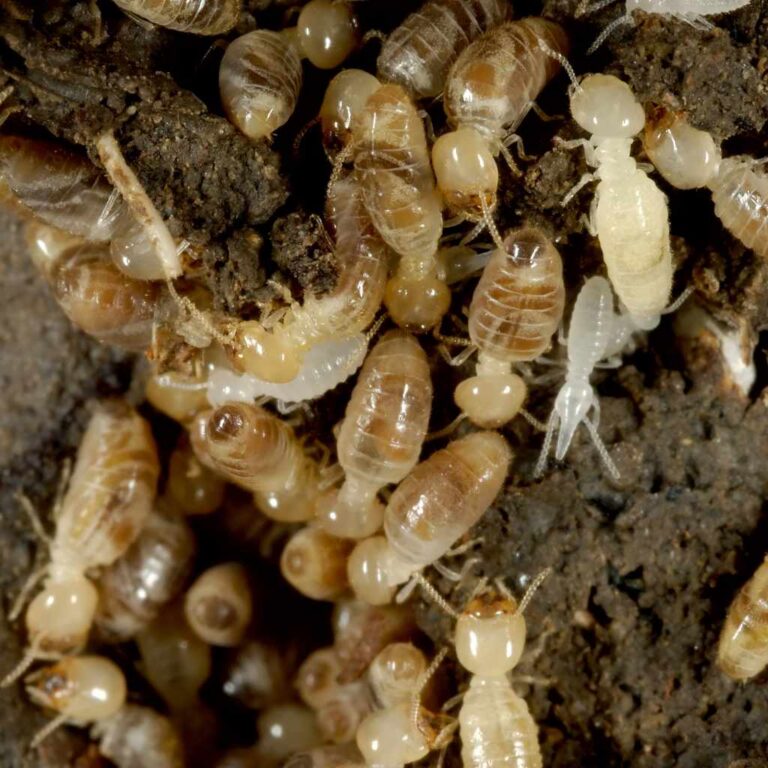
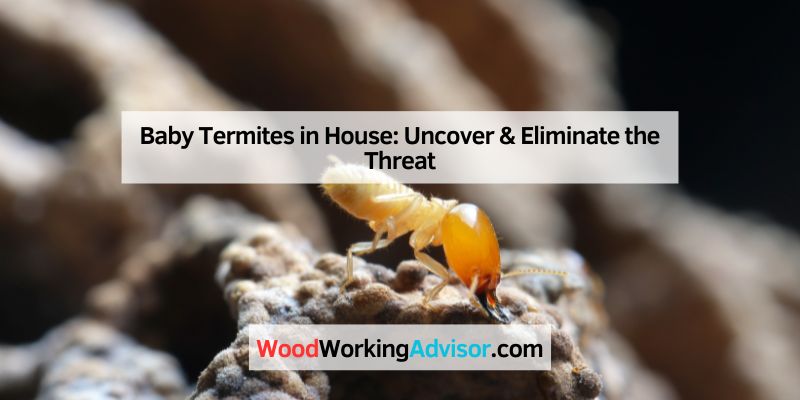
Baby termites are very small. They look like tiny ants. Their bodies are soft and pale. Often, they appear white or cream in color. No wings on baby termites. Their antennae are straight. They have a small, oval-shaped head. They don’t look like adult termites yet. Spotting them is tricky due to their size.
Baby termites stay near their colony. They move in groups. They avoid light. Feeding on wood is their main job. They help grow the colony. Workers feed the baby termites. They don’t search for food themselves. They remain hidden. They are safe in dark places.
Baby termites live in walls. They hide in floors. Wooden structures are their favorite spots. They love damp places. Near water sources, they thrive. You might find them in basements. Cabinets are also common spots. Watch out for them near window sills. They stay away from open areas.
Credit: extension.msstate.edu
Signs Of Termite Infestation
Wood can look like it’s been chewed. Termites eat wood from the inside. So, the surface may appear normal. But it’s weak and hollow underneath. Tap it gently. It might sound empty. This is a sure sign of termites. Look for cracks or holes in wooden parts. These are evidence of damage.
Termites build mud tubes for protection. These tubes connect the ground to wood. They are thin and long. Usually, they are brown or tan. They protect termites from air and predators. Find them on walls or foundations. Mud tubes are a clear sign of termite activity.
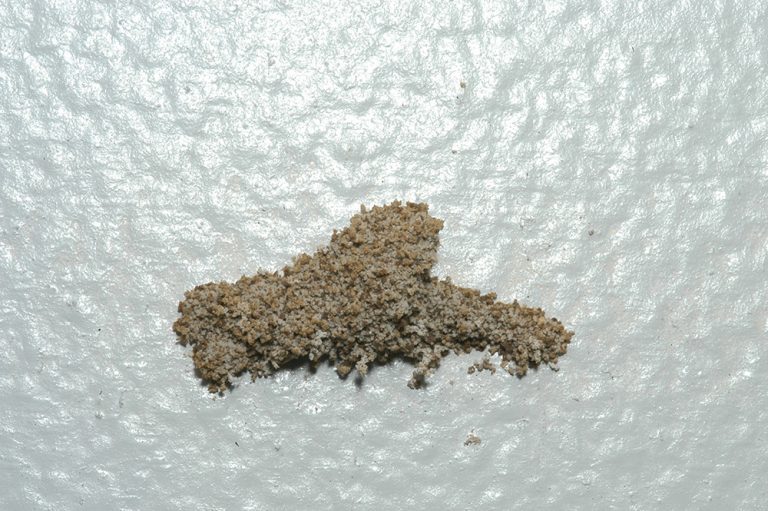
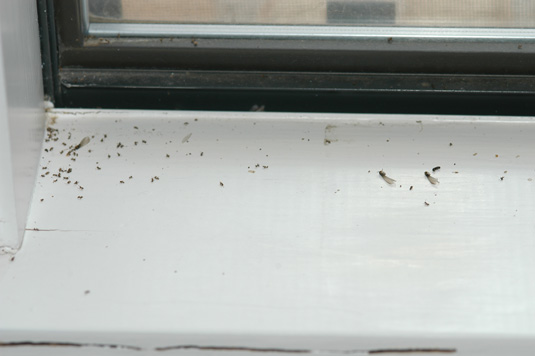
Termites shed wings after they fly. Look for piles of wings near windowsills. Frass is termite droppings. It looks like sawdust or sand. Finding small piles of frass means termites are nearby. Check hidden areas, like basements. Wings and frass are key clues in spotting termites.
Risks Of Termite Infestation
Termites eat wood. This can cause serious damage. Walls, floors, and roofs can weaken. Houses might collapse. Repairs are very expensive. Protect your home from these pests.
Termites lower the value of your house. Buyers may not want a damaged home. You may get less money when selling. Regular checks can help keep your home safe.
Some people are allergic to termite dust. Dust can make it hard to breathe. It can cause skin rashes. Removing termites can make your home healthier.

Credit: www.reddit.com
Preventing Termite Entry
Baby termites sneaking into homes can cause serious damage. Sealing cracks and gaps in foundations helps stop their entry. Regular inspections and maintaining dry conditions are essential to deter these pests.
Sealing Entry Points
Termites enter through small cracks. Seal all gaps around doors and windows. Use caulking or weatherstripping to block these spaces. Check foundations for cracks. Repair any damage you find. Look at pipes and wires entering the house. Seal these areas too. This stops termites from sneaking in.
Reducing Moisture Levels
Termites love wet places. Fix leaky faucets and pipes. Make sure gutters drain away from the house. Use a dehumidifier in damp areas. Ventilate spaces like basements well. Keep soil dry near the foundation. Moisture is a termite’s friend. Keep things dry to keep them away.
Regular Inspections
Check your home for termites often. Look for mud tubes and wood damage. Hire professionals for thorough inspections. They know where termites hide. Regular checks help catch problems early. Early detection means less damage. Stay alert to protect your home.
Natural Methods Of Elimination
Essential oils are a great way to tackle baby termites. Orange oil and neem oil are very effective. They disrupt termites’ growth and reproduction. Mix oils with water and spray around affected areas. This can help control the termite problem. Essential oils smell good too. They are safe for pets and kids. Many people find them easy to use.
Beneficial nematodes are tiny worms. They love eating termites. Release them in your garden or yard. They search for termites underground. Nematodes are safe for plants and animals. They are natural and non-toxic. Many gardeners use them to fight pests. They can help keep your home termite-free.
Diatomaceous earth is a natural powder. It harms termites’ bodies. Sprinkle it in termite-prone areas. It cuts termites and dries them out. This powder is safe for humans and pets. Use it in cracks and corners. It can be a useful tool against termites. Many people trust it for pest control.
Chemical Solutions
Termiticides are strong chemicals to kill termites. They keep your home safe. Baits are traps for termites. These traps lure them in. Termites eat the bait and die. Baits can stop termite growth. Both methods are effective for termite control.
Professional pest control uses skilled workers. They know how to get rid of termites. They have special tools and chemicals. This ensures a thorough job. These experts provide lasting solutions. Hiring them saves time and worry.
Safety is important with chemicals. Always read the labels. Follow instructions carefully. Keep chemicals away from pets and kids. Wear gloves and masks when needed. Proper storage is key to avoid accidents.
Long-term Prevention Strategies
Keep your home safe with routine checks. Fix leaks quickly. Moisture attracts termites. Paint and seal wood often. This protects it from pests. Clean gutters to avoid water build-up. Regular care helps stop problems.
Trim plants away from your house. This stops termites from entering. Mulch should be kept far from walls. Use gravel instead. Check wooden fences and decks for damage. Keeping your yard neat helps protect your home.
Watch for signs of termites often. Look for mud tubes on walls. Check wood for damage. Hire experts for thorough inspections. They know where to look. Regular checks ensure your home stays termite-free.
Frequently Asked Questions
How Do I Get Rid Of Baby Termites In My House?
To eliminate baby termites, use a professional termite exterminator or apply termite bait stations. Seal entry points and reduce moisture levels. Regularly inspect wooden structures for signs of termites. Consider using beneficial nematodes to naturally target termite larvae. Regular maintenance prevents future infestations.
Is It Safe To Stay In A House With Termites?
Living in a house with termites can be unsafe. Termites damage wood structures, compromising building integrity. Prompt pest control is crucial to prevent further harm. Regular inspections help maintain safety and address infestations early. Protect your home by acting swiftly against termite threats.
Does Seeing Termites Mean Infestation?
Spotting termites often indicates an infestation. Termites are elusive and can cause severe damage. Contact a pest control expert promptly for inspection and treatment. Early detection helps prevent extensive structural damage. Regular inspections are crucial to maintaining your home’s safety and value.
Protect your property from costly repairs and ensure peace of mind.
What Is The Difference Between Termites And Baby Termites?
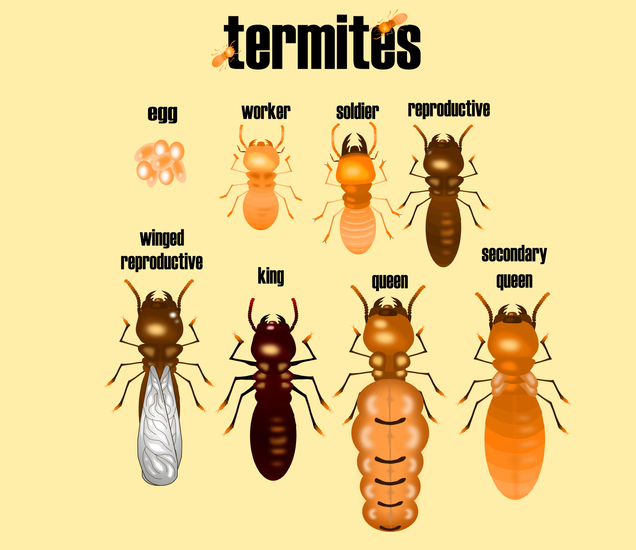
Termites are social insects that live in colonies. Baby termites, or nymphs, are immature and develop into workers, soldiers, or reproductives. Adult termites have distinct roles and responsibilities within the colony, unlike nymphs, who are still growing and changing.
Conclusion
Act swiftly to address baby termites at home. Ignoring them leads to bigger problems. Check for signs early to protect your home. Regular inspections help catch infestations. Keep your home safe and secure. Prevention is better than repair. Take action before damage starts.
Call a professional if unsure. Termite control is crucial for peace of mind. Ensure your family and home stay protected. Simple steps make a big difference. Don’t wait for issues to worsen. Stay vigilant and proactive. Your home is your sanctuary.
Keep it termite-free.