Beeswax and Mineral Oil for Cutting Boards (4:1 Ratio + Care)
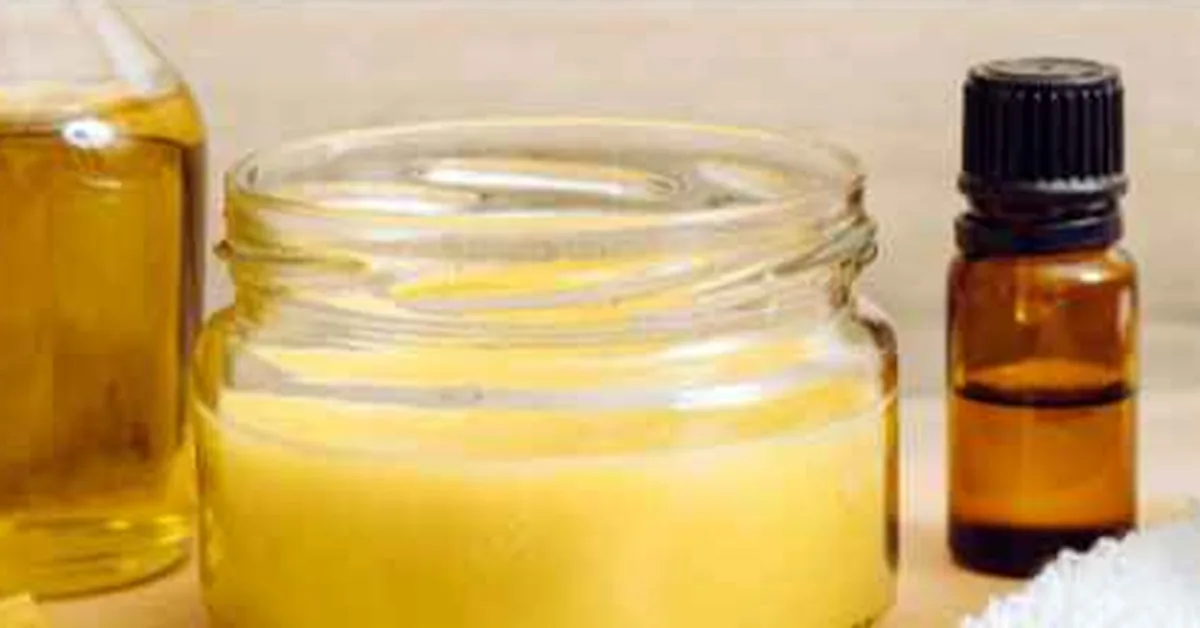
Beeswax and mineral oil combine into a spreadable board butter for cutting boards — mix 4 parts food-grade mineral oil to 1 part beeswax by weight, unless the board is brand-new and needs plain-oil seasoning first. Reoiling on a fixed 2-3 month schedule lets boards dry out between coats; the real signal is when water stops beading on the surface. This guide covers the exact ratio, safe application steps, and when it needs a fresh coat.
[Insert your Affiliate Disclosure reusable block here]
Quick Answer
Mix 4 parts food-grade mineral oil to 1 part beeswax (by weight) and warm gently until melted to make cutting-board butter. Apply a thin layer with a cloth, let it sit, then buff. Food-grade mineral oil is FDA-recognized as safe for food-contact surfaces (21 CFR 178.3620) and NSF-classified H1. Reapply whenever water stops beading on the surface, not on a fixed calendar.
How to Choose Beeswax and Mineral Oil Products
Best Beeswax & Mineral Oil Board Butter Pick
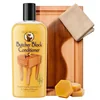
Howard Products Butcher Block Conditioner – $9.98
A ready-made beeswax-and-mineral-oil conditioner blended at roughly the same 4:1 ratio this guide recommends mixing by hand — no melting or measuring required.
- Best for: Skipping the DIY melt-and-mix step
- Why we picked it: Established butcher-block brand, matches the ratio this guide covers
- Main drawback: Costs more per ounce than mixing your own from bulk oil and wax
Compare more board butter options
 Option 1 CLARK’S Cutting Board Oil & Wax Kit – $49.95
|
 Option 2 Thirteen Chefs Food-Grade Mineral Oil – $9.99
|
 Option 3 Wood Butter Cutting Board Wax – $13.95
|
As an Amazon Associate we earn from qualifying purchases.
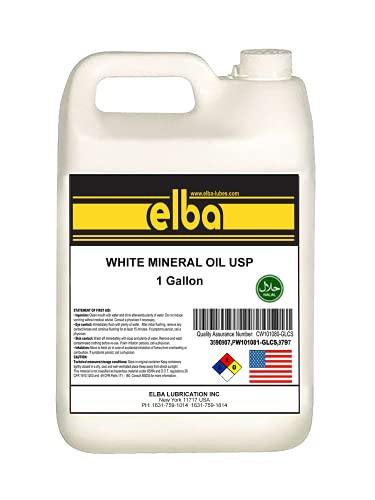
When it comes to maintaining cutting boards, beeswax and mineral oil are a popular choice because the oil penetrates the wood while the wax seals the surface. Choosing the right products means checking two things before anything else: whether the mineral oil is actually certified food-grade, and whether the beeswax blend lists real ingredients rather than a vague “wood wax” label.
Factors to Consider
- Food-Safe Certification: Only oils labeled USP, food-grade, or NSF H1 are actually rated for food-contact surfaces — ordinary hardware-store mineral oil often is not, despite looking identical.
- Ingredient List: A genuine board butter has two ingredients: beeswax and mineral oil (sometimes with a small amount of carnauba wax). Skip anything with added fragrance oils if the board is used for strong-smelling foods.
- Price per Ounce: A small jar of pre-made board butter lasts months since a little goes a long way — compare price per ounce rather than sticker price.
- Brand Reputation: Established cutting-board or butcher-block brands are more consistent about actually certifying their oil than generic “wood care” listings.
Want more on keeping your board in shape? How to Repair Furniture Finish covers fixing scratches and water rings on finished wood pieces around the kitchen.
Top Products on the Market
In short: check the certification and ingredient list before buying, since price and brand name alone don’t guarantee a product is actually food-contact safe.
How to Apply Beeswax and Mineral Oil on Cutting Boards
To apply beeswax and mineral oil on a cutting board, warm 4 parts mineral oil with 1 part beeswax until melted, let it cool to a soft paste, then rub a thin layer into the board with a cloth. A new or bare board needs a plain-oil seasoning first — skipping that step is the most common reason a fresh board butter coat still looks patchy.
Preparation Steps
- Wash the board: Clean it with warm soapy water and let it air-dry fully, ideally overnight — oil and wax won’t bond to a damp surface.
- Sand rough spots: Lightly sand any raised grain or rough patches with fine-grit sandpaper, then wipe away the dust.
- Season a new or bare board first: If the board has never been oiled, apply plain food-grade mineral oil alone, let it soak in for several hours or overnight, wipe off the excess, and repeat 2–3 times over a few days until the wood stops visibly absorbing it. Only then move on to the beeswax blend below — applying wax before the wood is saturated with oil just seals moisture out rather than in.
Application Steps
- Melt the blend: Warm 4 parts food-grade mineral oil with 1 part beeswax (by weight) in a double boiler until the wax fully melts, then stir and let it cool to a soft, spreadable paste.
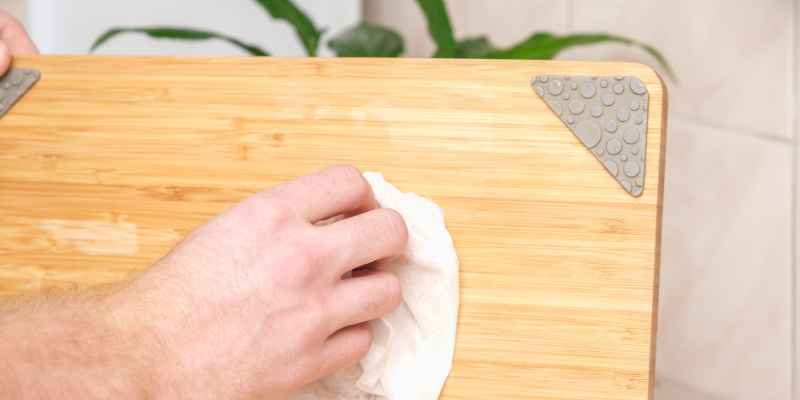
- Apply a thin coat: Scoop a small amount onto a clean cloth and rub it into the board with the grain, covering the entire surface, including edges and end grain.
- Let it sit: Leave the coat on for 15–20 minutes so the oil can penetrate before buffing.
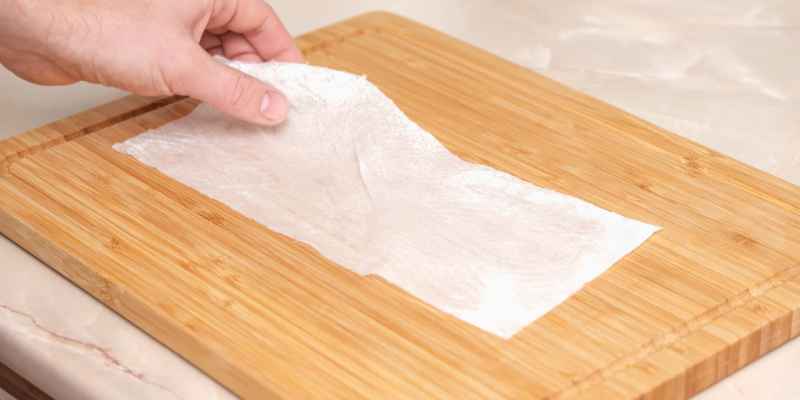
- Buff off the excess: Wipe the board with a clean, dry cloth until it feels smooth rather than greasy — a properly buffed board shouldn’t leave residue on your hands.
How to Tell When It’s Time to Reapply
A fixed “every 2–3 months” schedule is repeated all over the internet, but it’s too infrequent for a board in regular use and too rigid for one that sits idle. The board itself tells you: run water across the surface, and if it beads up and rolls off, the finish is still doing its job. If the water soaks in immediately or the wood looks ashy and feels rough, it’s time for a fresh coat. In practice that’s roughly every 1–4 weeks for a board used daily, tapering to monthly once the wood is fully conditioned.
“We’ve always used mineral oil to keep our wood cutting boards and utensils from drying and cracking, but lately we’ve been hearing about spoon butter, a mixture that you can prepare at home that is touted as a more durable, water-repellent option for wood kitchenware.”
That distinction matters because oil alone needs frequent reapplication to keep working, while the added wax layer is what makes the water-bead test above a reliable, longer-lasting signal rather than something you have to check every other day.
Oil, Wax, or Both: Which Protects a Cutting Board Best?
Mineral oil and beeswax protect wood in two different ways, and knowing which one you need changes how you should finish the board.
| Option | How It Protects | Best For |
|---|---|---|
| Mineral oil alone | Penetrates the wood fibers, replacing moisture the board loses to washing | Frequent quick touch-ups and seasoning a brand-new board |
| Beeswax alone | Sits on the surface as a hydrophobic layer, repelling water and adding sheen | Light polishing on a board that’s already well-oiled |
| Oil + beeswax blend (board butter) | Oil penetrates first, wax seals the surface on top — both mechanisms at once | Most boards, most of the time — the combination most manufacturers and woodworkers recommend |
📊 Food-grade mineral oil used on cutting boards is regulated under 21 CFR 178.3620(a) as safe for food-contact articles, and NSF classifies it as an H1 lubricant for incidental food contact. — Source: Code of Federal Regulations, Title 21 §178.3620. Ordinary hardware-store mineral oil is not automatically covered — only bottles explicitly labeled food-grade, USP, or NSF H1 meet this standard.
Beeswax does have mild antibacterial compounds, but its main protective role on a cutting board is the water-repellent barrier, not disinfection — a board finished with beeswax and mineral oil still needs normal washing after contact with raw meat, the same as any other butcher block or wood surface.
If you’re deciding between beeswax-and-oil and other options entirely — walnut oil, board butter brands, or why polyurethane is a bad idea on a cutting board — see our full cutting board finish comparison guide. This page focuses specifically on the beeswax-and-mineral-oil ratio and reapplication routine.
Frequently Asked Questions for Beeswax and Mineral Oil for Cutting Boards
What Is the Ratio of Mineral Oil to Beeswax for Cutting Boards?
The standard ratio is 4 parts food-grade mineral oil to 1 part beeswax by weight. This gives a soft, spreadable paste — more oil makes it softer and easier to spread, more wax makes it firmer and glossier. Warm climates often call for slightly more wax so the blend doesn’t stay too soft.
Can You Mix Beeswax and Mineral Oil?
Yes. Melt the beeswax and mineral oil together in a double boiler at the 4:1 ratio, stir until fully combined, and let it cool before use. Use only food-grade mineral oil and natural, unbleached beeswax so the finished blend is safe for a food-contact surface.
Is Beeswax or Oil Better for Cutting Boards?
Neither is strictly “better” — they solve different problems. Oil penetrates the wood to replace lost moisture; wax sits on top to repel water. Most cutting boards do best with both, applied as a combined board butter (see the comparison table above).
Is Beeswax and Mineral Oil Food Safe?
Yes, when both ingredients are certified food-grade. Food-grade mineral oil is regulated under 21 CFR 178.3620(a) and rated NSF H1 for incidental food contact, and pure beeswax is a natural, non-toxic substance long used in food packaging. Non-food-grade mineral oil, by contrast, is not approved for this use.
How Often Should You Reapply Beeswax and Mineral Oil to a Cutting Board?
Skip the fixed “every 2–3 months” rule of thumb — it’s too infrequent for daily-use boards. Instead, run water across the surface: if it stops beading and soaks in, or the wood looks dry and feels rough, reapply. That usually works out to every 1–4 weeks for a heavily used board, tapering off as the wood becomes fully conditioned.
Can You Use Leftover Board Butter on Wooden Spoons or Other Kitchen Items?
Yes. The same beeswax-and-mineral-oil blend works on wooden spoons, salad bowls, rolling pins, and butcher block countertops — anywhere food-safe wood needs conditioning. A little goes a long way, so one batch typically covers several items.
Conclusion
Beeswax and mineral oil remain one of the simplest, most affordable ways to protect a wood cutting board — the 4:1 oil-to-wax ratio, applied after a new board’s initial oil-only seasoning, gives the wood both penetration and a water-repellent seal. Skip the calendar and watch the board instead: reapply whenever water stops beading rather than waiting out a fixed number of months, and a single batch of board butter will keep a board — or a whole set of wooden kitchen tools — in good shape for years.
Sponsored / affiliate links. As an Amazon Associate I earn from qualifying purchases. I may earn additional commission from eligible campaigns.