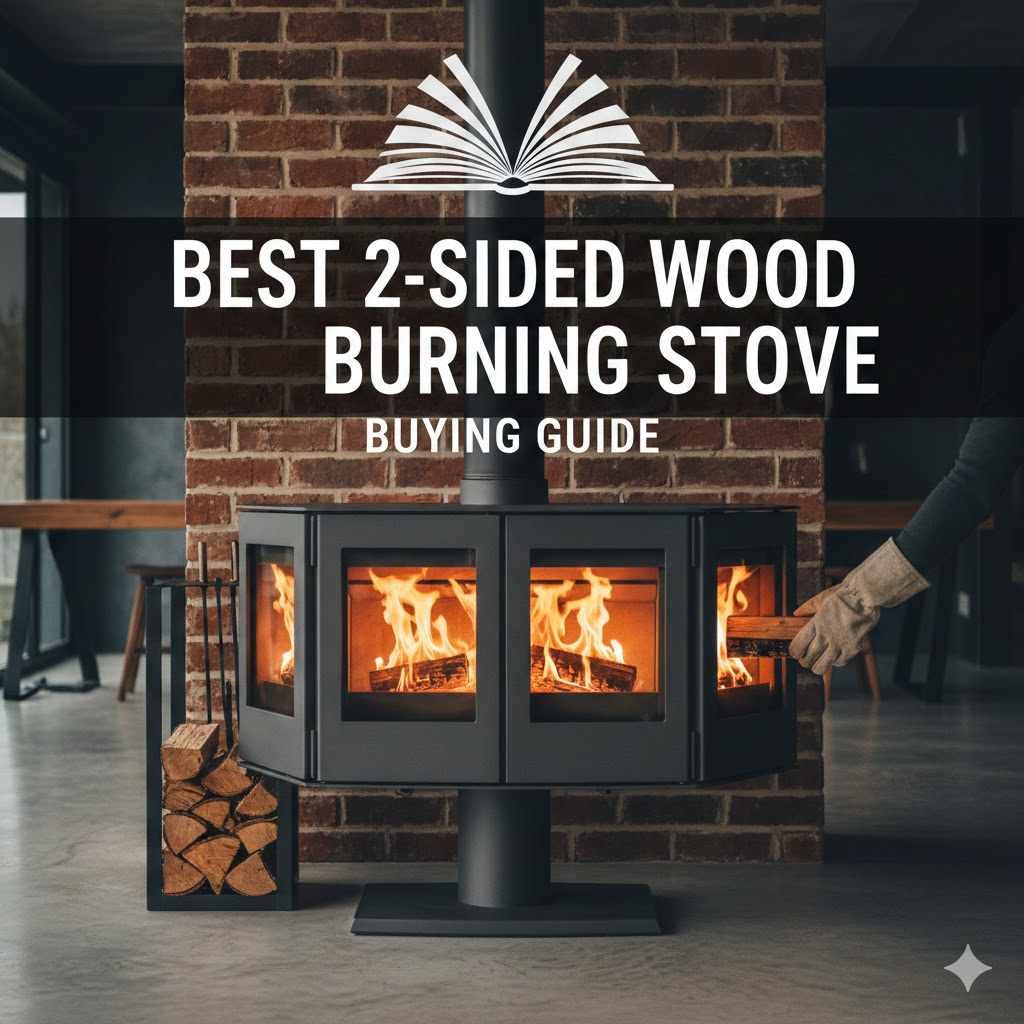
Best 2-Sided Wood Burning Stove Buying Guide
Choosing a new wood stove can feel a bit overwhelming, especially when you’re new to it. You want something that looks great and works well, but all the options out there make it tough. That’s where a Best 2-Sided Wood Burning Stove Buying Guide comes in handy.
It breaks down what you need to know so you can pick the right stove easily. We’ll walk through it all, step by step, so you can feel confident about your choice.
Understanding 2-Sided Wood Burning Stoves
This section covers the basics of what makes a two-sided wood burning stove special. We will explore how they work, their main features, and why someone might choose one over a standard model. You’ll learn about their unique benefits and what to look for when you start shopping.
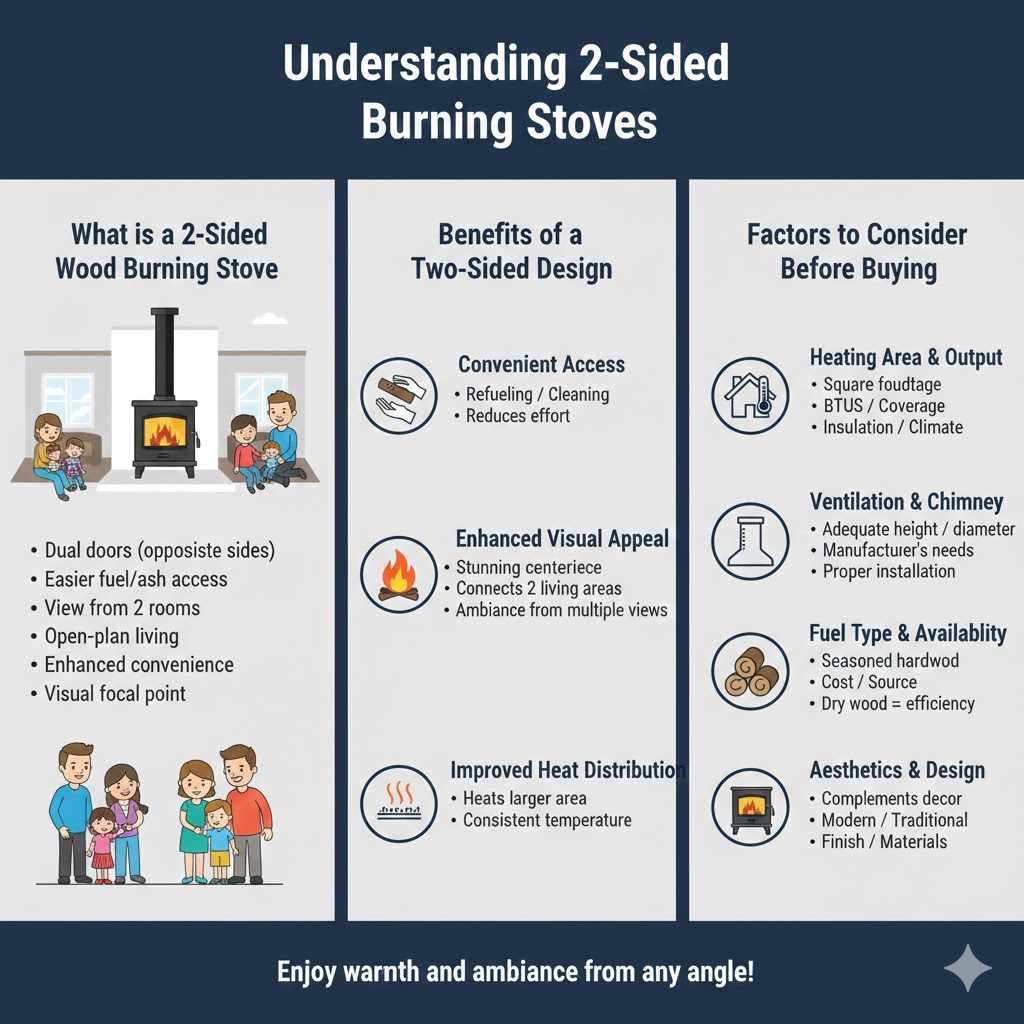
What is a 2-Sided Wood Burning Stove
A two-sided wood burning stove is a heating appliance designed with two firebox doors, typically located on opposite sides of the unit. This dual-door design allows for easier loading of fuel and ash removal from either side. It also offers a unique aesthetic, often allowing the fire to be viewed from two different rooms or areas.
This setup can be particularly useful in open-plan living spaces or for dividing larger rooms.
The core function remains the same as a single-door stove: burning wood to generate heat. However, the convenience and visual appeal of a two-sided model set it apart. Many people find the ability to access and service the stove from either side a significant advantage, reducing the effort involved in maintenance and daily use.
The visual element is also a major draw, as it can serve as a beautiful focal point in a home.
When considering a two-sided stove, it’s important to think about where it will be placed. The dual access needs space around both sides. Also, consider the heat output and efficiency ratings.
These stoves are not just for looks; they need to perform as effective heating sources.
One of the key benefits is enhanced convenience. Imagine loading wood from your kitchen and cleaning ash from your living room without having to move around the entire stove. This dual access can make daily operation much simpler.
Furthermore, the visual aspect is significant. You can enjoy the warm glow of the fire from multiple vantage points, creating a cozy atmosphere throughout your home.
When you’re looking at these stoves, think about the overall design and how it will fit into your home decor. Some have modern, sleek lines, while others have a more traditional, rustic appearance. The materials used, like cast iron or steel, also affect their durability and heat retention.
Make sure to check the size and weight, as these can be substantial appliances.
Benefits of a Two-Sided Design
The advantages of a two-sided wood burning stove are clear and practical. The most immediate benefit is the enhanced access for refueling and cleaning. This dual-door system simplifies the process of adding logs and removing ash, making daily operation much more convenient.
For homeowners with busy schedules or limited mobility, this feature can be a real game-changer.
Another significant advantage is the aesthetic appeal. A two-sided stove can act as a beautiful centerpiece, visible from two different rooms or a large open space. This creates a more integrated and visually pleasing heating solution for modern homes.
It allows the warmth and ambiance of a real fire to be enjoyed from multiple perspectives, enhancing the comfort and coziness of your living environment.
Consider a scenario where you have a large living room that opens into a dining area. A two-sided stove placed between these two spaces allows both areas to enjoy the warmth and visual appeal of the fire. You can load wood from the living room side and easily access the ash pan from the dining room side, making both tasks simpler and less disruptive to your living space.
Here are some of the key benefits you’ll find:
- Convenient Access
This is the primary advantage. Being able to load fuel and clean out ash from either side dramatically reduces the effort required for stove maintenance. It means less bending, less carrying, and less disruption to the room where the stove is primarily located. This makes keeping your stove running efficiently much easier on a day-to-day basis. - Enhanced Visual Appeal
The ability to view the fire from two directions is a major draw. It can turn the stove into a stunning focal point, seamlessly connecting two living areas. This feature makes your home feel more welcoming and cozy, as the natural beauty of a fire is shared across different parts of your space. It’s like having two fireplaces in one, offering a unique design element. - Improved Heat Distribution (Potentially)
Depending on placement, a two-sided stove can sometimes help distribute heat more evenly across a larger area or into adjacent rooms. By having firebox access on opposite sides, you might be able to strategically position the stove to direct warmth where it’s needed most. This can lead to a more consistent and comfortable temperature throughout your home. - Flexible Placement Options
The dual-door design can offer more flexibility in how you orient the stove within your room. You can position it to serve two distinct areas or to create a visual divide while still allowing for easy access from both sides. This makes it a versatile option for various home layouts and interior design schemes.
Factors to Consider Before Buying
Before you commit to purchasing a two-sided wood burning stove, several important factors need careful consideration. These elements will ensure you select a model that not only looks good but also performs effectively and safely within your home. Thinking through these points beforehand can save you a lot of hassle and potential regret later on.
The first thing to consider is the size and heating capacity needed for your space. A stove that is too small won’t heat your home adequately, while one that is too large can overheat the room and be inefficient. You’ll need to measure the square footage of the area you intend to heat and factor in insulation levels, window types, and climate.
Most manufacturers provide heating capacity guidelines, often listed in square feet.
Another critical aspect is the stove’s efficiency rating and emissions standards. Modern wood stoves are significantly more efficient and produce far fewer emissions than older models. Look for stoves that meet current environmental regulations, such as EPA certification.
Higher efficiency means you’ll burn less wood to produce more heat, saving you money and reducing your environmental impact.
Here are key factors to think about:
- Heating Area and Output
Determine the square footage you need to heat. Stoves are rated by their maximum heat output, often in British Thermal Units (BTUs) or as a square footage coverage. A stove for a large open-plan living area will need a higher output than one for a single, smaller room. It’s better to have a slightly oversized stove that can be run at a lower, more efficient setting than an undersized one struggling to keep up. - Ventilation and Chimney Requirements
Proper ventilation is crucial for safe and efficient operation. You need to ensure you have adequate chimney height and diameter for the stove you choose. Two-sided stoves might have specific venting needs due to their design, so check the manufacturer’s recommendations. A properly installed and maintained chimney system is essential for drawing smoke away from your home and preventing dangerous creosote buildup. - Fuel Type and Availability
Most two-sided stoves are designed for seasoned hardwood. Consider the type of wood available to you and its cost. Burning wet or unseasoned wood will result in poor performance, excessive smoke, and creosote. Ensure you have a reliable source of dry, seasoned firewood readily accessible for consistent heating. - Aesthetics and Design Integration
Since two-sided stoves are often a visual centerpiece, consider how the stove’s style will complement your home’s decor. Options range from modern, minimalist designs to more traditional, ornate styles. Think about the finish, the door handles, and the overall silhouette. The stove should enhance your living space, not detract from it. - Installation and Maintenance
Professional installation is highly recommended for safety and efficiency. Understand the installation requirements, including clearances to combustible materials. Regular maintenance, such as chimney sweeping and ash pan cleaning, is also vital. Two-sided models might require access from both sides for these tasks, so plan accordingly.
Choosing the Right 2-Sided Wood Burning Stove Model
Selecting the perfect two-sided wood burning stove involves understanding the various types and features available, and how they align with your specific needs. This section guides you through the decision-making process, focusing on the practical aspects of choosing a model that offers both performance and aesthetic appeal for your home heating needs.
When looking at different models, you’ll notice variations in material, design, and additional features. Cast iron stoves, for example, tend to retain heat longer, providing a more sustained warmth. Steel stoves, on the other hand, heat up faster.
Consider which of these characteristics best suits your heating preferences and how quickly you need your room to warm up.
You’ll also find stoves with different types of glass on their doors. Some offer wide viewing panels, while others have smaller windows. The quality and type of glass are important for both visual appeal and durability.
Look for stoves with ceramic glass, which is designed to withstand high temperatures and thermal shock.
Here’s how to approach choosing a specific model:
Material and Construction
The materials used in a wood stove’s construction significantly impact its durability, heat retention, and overall performance. Two-sided wood burning stoves are typically made from either cast iron or steel, with some combining both materials. Understanding the properties of each will help you make an informed choice.
Cast Iron stoves are known for their ability to absorb and radiate heat for extended periods after the fire has died down. This provides a more consistent and even heat output throughout your home. The casting process allows for intricate decorative designs, making cast iron stoves often a choice for those seeking a classic, traditional look.
However, cast iron can be more brittle and susceptible to cracking if subjected to extreme temperature fluctuations or physical impact.
Steel stoves tend to heat up more quickly than cast iron ones, providing a faster response when you need to warm a room. They are generally more durable and less prone to cracking under thermal stress. Steel stoves often have a more modern, streamlined appearance.
They can be coated with various finishes, including enamels, which add to their aesthetic appeal and provide an extra layer of protection. Many modern, high-efficiency stoves are constructed from heavy-gauge steel.
A combination of materials is also common. For instance, a steel firebox might be combined with a cast iron door or top plate. This approach aims to leverage the benefits of both materials, offering quick heat-up times with good heat retention.
The quality of the welds and the thickness of the metal are also indicators of a stove’s longevity and performance.
When evaluating materials, consider the following:
- Durability and Longevity
Steel is generally considered more durable and less prone to cracking than cast iron, especially under rapid temperature changes. However, high-quality cast iron, properly maintained, can last for many decades. Look for thick gauge steel or well-made cast iron components for better longevity. - Heat Radiating Properties
Cast iron excels at absorbing and radiating heat slowly and evenly over a long period, providing sustained warmth. Steel heats up faster but may cool down more quickly. The choice depends on whether you prefer a quick burst of heat or a long, steady release. - Aesthetic Appeal
Cast iron often lends itself to ornate, traditional designs with decorative patterns. Steel stoves typically have a cleaner, more contemporary look, though they can also be styled to fit various décors. Think about which style best suits your home’s interior design. - Weight and Installation
Cast iron stoves are usually heavier than steel stoves, which can impact installation logistics and the flooring requirements beneath the stove. Ensure your floor can support the weight and that proper hearth protection is in place.
Burn Efficiency and Emissions
Modern wood burning stoves are designed to be far more efficient and environmentally friendly than older models. Understanding burn efficiency and emissions is key to selecting a stove that saves you money on fuel and minimizes its impact on air quality. This is a critical aspect of the Best 2-Sided Wood Burning Stove Buying Guide.
Burn efficiency refers to how effectively the stove converts wood fuel into heat. A highly efficient stove extracts more heat from each log, meaning you’ll need to burn less wood to achieve the desired room temperature. This translates directly into cost savings and less frequent refueling.
Efficiency is often measured as a percentage, with modern stoves typically ranging from 70% to over 85% efficiency.
Emissions are the byproducts released into the atmosphere during combustion, primarily smoke and particulate matter. Older stoves release a lot of unburned fuel and pollutants. The U.S.
Environmental Protection Agency (EPA) sets strict standards for wood stove emissions to improve air quality. Look for stoves that are EPA-certified, as they have been independently tested and proven to meet these stringent requirements.
EPA-certified stoves operate using secondary combustion or catalytic combustors. Secondary combustion systems re-burn the gases and smoke that escape the primary firebox. These gases are mixed with pre-heated air and ignited, releasing additional heat and burning off pollutants before they exit the chimney.
This process significantly increases efficiency and reduces smoke. Catalytic combustors work by using a ceramic honeycomb coated with platinum or other precious metals. This catalyst lowers the ignition temperature of smoke and gases, allowing them to burn at a lower temperature than required for secondary combustion, thus burning off pollutants more effectively.
Here’s what to look for regarding efficiency and emissions:
- EPA Certification
Always look for a stove that is EPA certified. This is the most important indicator of a clean-burning and efficient appliance. Non-certified stoves may be cheaper upfront but will cost more in the long run due to higher fuel consumption and potential air quality issues. - Efficiency Ratings
Check the stove’s efficiency rating. Higher percentages mean more heat from less wood. For example, a stove with 80% efficiency will produce more heat from the same amount of wood compared to a stove with 65% efficiency. Look for ratings above 70% for good performance. - Secondary Combustion or Catalytic Technology
Understand how the stove achieves its efficiency. Secondary combustion systems are generally more robust and require less maintenance than catalytic systems. Catalytic stoves can offer very high efficiency but may require periodic replacement of the combustor. - Low Emissions Levels
EPA certification means the stove meets specific emission limits, typically measured in grams per hour. Lower gram ratings indicate a cleaner burn and better for the environment. - Combustion Air Controls
Stoves with precise combustion air controls allow you to fine-tune the burn rate. This flexibility helps you achieve optimal efficiency and heat output, whether you’re trying to get a quick warm-up or a long overnight burn.
Features and Accessories
Beyond the core functionality, many two-sided wood burning stoves offer a range of features and accessories that can enhance their performance, convenience, and visual appeal. Considering these options can help you find a stove that perfectly matches your lifestyle and home environment.
One common feature is a glass door on one or both sides. This allows you to enjoy the view of the fire, adding ambiance to your living space. High-quality ceramic glass is used, which can withstand extreme temperatures.
Some doors also feature an airwash system, which uses a flow of air to keep the glass clean by burning off soot and creosote deposits. This means less frequent cleaning and a clearer view of the flames.
Other useful features might include a heat-activated blower or fan. This accessory helps to circulate the warm air produced by the stove more effectively throughout the room, potentially warming larger spaces more quickly and evenly. Some blowers are variable speed, allowing you to control the airflow.
Consider also ash pans and grates. Easy-to-remove ash pans make cleaning simpler, and durable grates ensure good airflow to the fuel. Some models may have built-in heat shields to reduce required clearances to combustible materials, which can be beneficial in smaller spaces.
Here are some features and accessories to consider:
- Glass Viewing Area and Airwash System
A large glass panel on one or both doors allows for a beautiful view of the fire. The airwash system uses a curtain of air to keep the glass clean, preventing soot buildup and maintaining a clear view. This feature is especially important for a two-sided stove where you want to enjoy the fire from different angles. - Heat-Activated Blower
This accessory uses a fan, often powered by the heat of the stove itself, to blow warm air into the room. It significantly improves heat distribution, helping to warm up larger spaces or spread heat more evenly. Some blowers are adjustable, allowing you to control the fan speed. - Ash Pan and Grate Design
An easy-to-access and removable ash pan makes cleaning much simpler and less messy. A sturdy, well-designed grate ensures proper airflow to the wood, promoting efficient combustion. Some grates are also designed to be easily cleaned or replaced. - Heat Shields and Surroundings
Some stoves come with optional heat shields that can be installed to reduce the required clearance between the stove and nearby combustible walls or furniture. This can be a valuable feature for fitting a stove into tighter spaces. Surrounding materials like stone or tile can also enhance safety and aesthetics. - Log Retainer
A log retainer is a simple metal bar placed at the front of the firebox. It prevents burning logs from rolling out of the stove, especially when the doors are opened. This is a small but useful safety feature that adds peace of mind.
Installation and Maintenance Guide
Proper installation and regular maintenance are paramount for the safe, efficient, and long-lasting operation of your two-sided wood burning stove. This section provides a comprehensive overview of what you need to know to ensure your stove performs optimally and safely for years to come.
Installation is not a DIY job for most people. It involves critical safety considerations, including proper clearances to combustible materials, correct chimney connection, and adherence to local building codes. Engaging a certified professional ensures these aspects are handled correctly, minimizing the risk of fire hazards or performance issues.
The chimney system, in particular, must be correctly sized and installed to ensure proper draft and prevent creosote buildup.
Maintenance is an ongoing process that involves regular cleaning and inspections. This includes cleaning the firebox and ash pan, inspecting the door gaskets for leaks, and ensuring the glass remains clear. Most importantly, your chimney needs to be swept at least once a year, or more often if you use your stove frequently.
Creosote, a flammable residue from burning wood, can build up in the chimney and cause dangerous chimney fires.
Here’s what you need to know:
Professional Installation Practices
Installing a wood burning stove, especially a two-sided model, is a task that requires expertise to ensure safety and compliance with regulations. Professional installation is strongly recommended for several critical reasons, covering structural requirements, ventilation, and fire safety protocols.
The first step in professional installation is assessing the location for the stove. This involves determining the necessary clearances from combustible materials, such as walls, furniture, and curtains. Building codes and manufacturer instructions specify these distances, which are crucial for preventing fires.
A professional will have the knowledge to interpret these requirements accurately for your specific stove model and home layout.
Connecting the stove to the chimney system is another vital part of the installation. This includes selecting the correct flue pipe diameter and material, ensuring a secure and airtight connection, and verifying that the chimney has adequate draft. A proper draft draws smoke and combustion gases out of the house efficiently and safely.
Insufficient draft can lead to smoke backing up into the room, which is not only unpleasant but also a health hazard.
Here are key practices for professional installation:
- Clearance Requirements
Professionals will ensure that the stove and its chimney pipe are installed with the minimum required clearances to combustible materials. This often involves using heat shields or specialized non-combustible wall coverings to reduce these distances safely. Correct clearances are non-negotiable for fire prevention. - Hearth Protection
A non-combustible hearth pad (like stone, tile, or brick) must be installed under the stove and extend outwards to protect the floor from heat and embers. The size and thickness of the hearth are specified by safety standards and stove manufacturers. - Chimney and Flue System Installation
This includes selecting the appropriate type and size of chimney (e.g., Class A insulated chimney for through-the-wall or roof installations) and ensuring it is properly supported, sealed, and extends above the roofline to achieve adequate draft and prevent downdrafts. - Sealing and Airtightness
All connections in the stove and flue system must be airtight to prevent leaks of smoke or carbon monoxide into the living space. Professionals use specialized sealants and gaskets to ensure a secure fit. - Local Building Code Compliance
Certified installers are familiar with and adhere to all local building codes and regulations, which can vary significantly by region. This ensures your installation is legal and meets safety standards.
Routine Cleaning and Inspections
Keeping your two-sided wood burning stove clean and well-maintained is essential for its efficient operation, safety, and longevity. Routine cleaning removes creosote buildup, ash, and debris that can impede performance and pose fire risks.
The most frequent cleaning task involves emptying the ash pan. After the ashes have cooled completely (which can take 24-48 hours), remove the ash pan and dispose of the ashes in a metal container with a tight-fitting lid, stored away from combustible materials. A build-up of ash in the firebox can restrict airflow to the wood, leading to inefficient burning.
You’ll also need to clean the firebox itself. This involves removing any larger pieces of unburned wood or debris. Inspect the firebricks lining the firebox; if they are cracked or crumbling, they may need replacement to maintain the stove’s integrity and insulation.
Check the door gaskets for signs of wear or damage. Worn gaskets can allow air leaks, reducing efficiency and potentially allowing smoke to escape.
Here’s a breakdown of routine cleaning and inspection tasks:
- Ash Removal
Regularly empty the ash pan to ensure proper airflow to the fire. Allow ashes to cool thoroughly before disposal in a metal container kept outdoors, away from any flammable materials. Don’t let ashes accumulate too much as it can block the air intake. - Firebox Cleaning
Remove any large debris or unburned fuel from the firebox. Check the firebricks for cracks or damage; replace them if they are significantly deteriorated, as they are crucial for insulation and heat reflection. - Glass Cleaning
Use a specialized glass cleaner or a damp paper towel dipped in wood ash to clean the glass doors on both sides. This helps maintain visibility and ensures you can enjoy the fire’s ambiance. The airwash system helps keep the glass cleaner during operation. - Gasket Inspection
Check the seals around the doors and any other movable parts. If the gaskets are frayed, compressed, or damaged, they should be replaced to maintain airtightness and prevent heat or smoke loss. - Flue and Damper Check
Visually inspect the accessible parts of the flue pipe for any signs of creosote buildup or damage. Ensure the damper (if present) operates smoothly.
Chimney Sweeping and Safety Checks
The chimney is the exhaust system for your wood stove, and its proper functioning is critical for safety. Chimney sweeping removes creosote, a highly flammable substance that builds up from burning wood. This buildup is the leading cause of chimney fires, which can quickly spread to your home.
How often your chimney needs sweeping depends on how much you use your stove and the type of wood you burn. As a general rule, annual sweeping is recommended. However, if you use your stove daily during the heating season or burn softer woods like pine, more frequent sweeping might be necessary.
A professional chimney sweep will inspect the entire chimney system, including the flue liner, smoke chamber, and cap, for any damage or blockages.
Beyond just sweeping, a professional inspection can identify potential issues before they become serious problems. This includes checking for cracks in the flue liner, loose masonry, or obstructions like bird nests. A damaged flue liner can allow heat and sparks to escape into the attic or wall cavities, posing a significant fire risk.
Here are key aspects of chimney safety and maintenance:
- Annual Professional Sweeping
Schedule a professional chimney sweep at least once a year. They have the right tools and knowledge to thoroughly clean the chimney and inspect its structural integrity. This is a crucial safety step that should not be skipped. - Creosote Buildup Inspection
During sweeping, the technician will assess the amount of creosote buildup. If it’s excessive (more than 1/8 inch thick), they will recommend more frequent cleaning in the future. - Flue Liner Inspection
The flue liner protects the chimney structure from intense heat and corrosive gases. A professional will check for cracks, gaps, or deterioration in the liner. Any damage needs to be repaired promptly to prevent fire hazards. - Chimney Cap and Spark Arrestor
The chimney cap prevents rain, snow, animals, and debris from entering the chimney. A spark arrestor within the cap helps prevent sparks from exiting the chimney and igniting nearby flammable materials. Ensure these are in good condition. - Carbon Monoxide Detector
Always have working carbon monoxide detectors installed on every level of your home, especially near sleeping areas. These devices are critical for alerting you to dangerous levels of carbon monoxide, an odorless gas produced by incomplete combustion.
Comparing 2-Sided Stoves to Other Options
When you’re in the market for a wood burning stove, it’s helpful to understand how the two-sided model compares to other types available. This comparison helps you appreciate the unique benefits and potential drawbacks of a two-sided stove, ensuring you make the best choice for your heating needs and home.
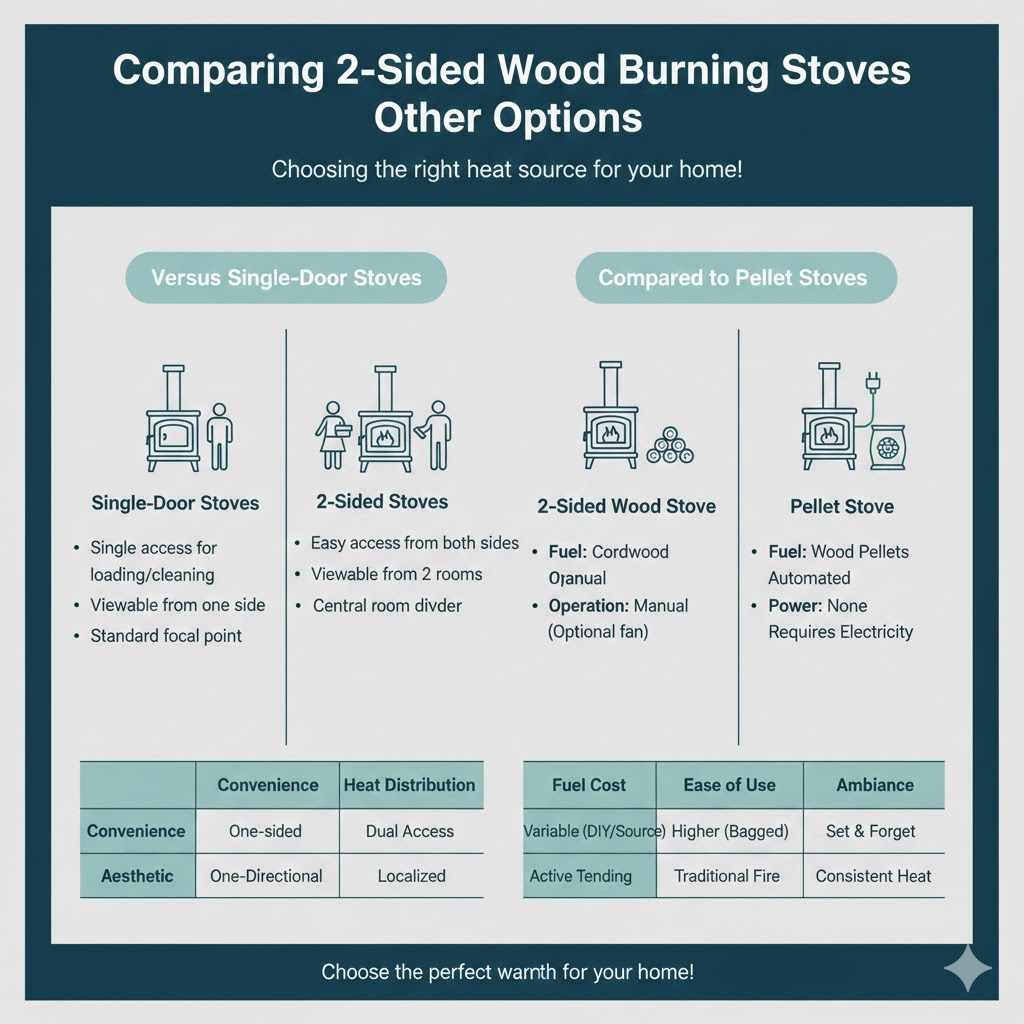
Compared to a standard single-door stove, the most obvious difference is the dual access. This makes refueling and cleaning much easier from either side of the appliance. For homes with open-plan living areas or where the stove is a central feature, this can be a significant advantage.
The visual appeal is also enhanced, as the fire can be enjoyed from multiple viewpoints.
When thinking about pellet stoves, they offer a different type of convenience. Pellet stoves are automated, requiring less manual labor for refueling and temperature control. However, they rely on electricity to operate and use compressed wood pellets, which can have a different cost structure than cordwood.
Two-sided wood stoves offer the rustic charm and independence of burning natural cordwood.
Let’s break down the comparisons in more detail:
Versus Single-Door Stoves
The primary distinction between a two-sided wood burning stove and a traditional single-door model lies in their accessibility and aesthetic presentation. Single-door stoves are more common and simpler in design, with one primary opening for loading fuel and tending the fire. This usually means all access and servicing needs to be done from one side.
A two-sided stove, with its doors on opposite sides, offers a clear advantage in terms of convenience. Refueling can be done from one side and ash removal from the other, which can be much more practical, especially in busy households or for individuals with physical limitations. This dual access can also simplify placement in a room, allowing for more flexible arrangements where access is needed from multiple directions.
Visually, the two-sided design can be more impactful. It allows the fire to be viewed from two different vantage points, making it a more integrated feature in open-plan homes or large rooms. A single-door stove typically faces one direction, making it a focal point for that specific area.
The two-sided design can create a more shared experience of the fire’s warmth and ambiance.
Consider the following comparison points:
- Convenience of Access
Single-door stoves require all operations to be performed from one side. Two-sided stoves offer easy access from both sides, simplifying refueling and ash removal. This makes daily use and maintenance significantly easier with a two-sided model. - Aesthetic Versatility
Single-door stoves are designed to be viewed from one primary angle. Two-sided stoves can be viewed and enjoyed from multiple directions, making them ideal for open-plan layouts or as room dividers. They can enhance the visual appeal of a larger space more effectively. - Heat Distribution Potential
While both types distribute heat effectively, a two-sided stove, due to its potential placement in central areas, might offer more balanced heat distribution across a larger or divided space, depending on the specific layout. - Design Options
Both types come in a wide range of styles and materials. However, the dual-door design itself offers a unique aesthetic that can be a deciding factor for homeowners seeking a specific look. - Installation Considerations
While both require proper venting and hearth protection, the two-sided nature might offer slightly more flexibility in positioning, but ensure access to both sides is feasible in the chosen location.
Compared to Pellet Stoves
Pellet stoves and wood burning stoves, including two-sided models, both offer efficient home heating solutions, but they differ significantly in operation, fuel, and convenience. Understanding these differences is crucial for selecting the best appliance for your lifestyle and preferences.
The most prominent difference is the fuel used. Wood stoves burn natural cordwood, while pellet stoves burn compressed wood pellets. Cordwood is often cheaper and more readily available for those who can source it themselves.
Pellets, while convenient, can be more expensive and require dedicated storage space. The experience of burning wood also appeals to many for its traditional charm and the natural aroma it provides.
Operation is another major differentiator. Pellet stoves are automated and often programmable. They use an electric fan to feed pellets from a hopper into the burn pot and an electronic control system to manage the burn rate and temperature.
This means less manual labor; you simply fill the hopper, set the thermostat, and the stove does the rest. Two-sided wood stoves require manual loading of wood and tending to the fire.
Here’s a comparative look:
| Feature | Two-Sided Wood Stove | Pellet Stove |
|---|---|---|
| Fuel Type | Seasoned cordwood | Compressed wood pellets |
| Operation | Manual loading and tending | Automated, programmable, thermostat control |
| Electricity Requirement | None (unless adding a blower) | Requires electricity for fan and controls |
| Heat Output Control | Manual adjustment of air intake | Precise electronic control |
| Refueling Frequency | Every few hours, depending on burn rate | Hopper needs refilling periodically (can last 12-48 hours) |
| Startup | Manual fire starting | Push-button start |
| Ambiance | Traditional fire experience, aroma | Consistent heat, less natural fire ambiance |
| Maintenance | Ash removal, chimney sweeping | Hopper cleaning, burn pot cleaning, regular service |
Key differences to consider:
- Fuel Handling and Cost
Wood requires physical labor to split, season, and stack, but can be cheaper. Pellets offer convenience but are often more costly and require a consistent supply chain. - Automation and Ease of Use
Pellet stoves are significantly more automated, offering set-and-forget heating. Wood stoves require more active participation from the user. - Power Dependency
Wood stoves are independent of electricity (except for optional blowers), making them a reliable heat source during power outages. Pellet stoves rely on electricity for their operation. - Environmental Impact
Both can be clean-burning if used correctly and certified. Pellet stoves often have lower emissions and higher efficiency ratings due to their controlled combustion.
Frequently Asked Questions
Question: Are two-sided wood burning stoves more difficult to install than single-door models?
Answer: Installation difficulty is generally similar, as both require proper venting and clearances. However, ensuring access to both sides for maintenance might influence placement choices. Professional installation is recommended for both types.
Question: How often should I clean the glass on a two-sided stove?
Answer: The frequency depends on usage and wood type. If your stove has an airwash system, it will help keep the glass cleaner. For best viewing, cleaning may be needed every few days or weekly, using a specialized cleaner or ash on a damp cloth.
Question: Can a two-sided wood stove heat a very large open-plan house?
Answer: A two-sided stove can contribute to heating a large space, but its effectiveness depends on its heat output rating, the size of the home, and insulation levels. Larger, more powerful models are available, and they can be effective when properly sized.
Question: Do two-sided stoves require more maintenance than single-door ones?
Answer: The core maintenance tasks like chimney sweeping are the same. However, the dual access might make tasks like ash removal slightly more convenient if you can access it from different sides, rather than requiring you to reach over or around the entire stove.
Question: Are two-sided wood burning stoves safe for everyday use?
Answer: Yes, when installed correctly and maintained regularly, two-sided wood burning stoves are very safe. Always follow manufacturer guidelines for operation, clearances, and maintenance, and ensure you have working carbon monoxide detectors.
Wrap Up
Selecting the best two-sided wood burning stove involves understanding its unique dual-door design, material construction, and efficiency ratings. Proper installation and regular maintenance are key for safe and effective heating. By comparing models and features, you can find a stove that brings warmth and beauty to your home for years.