Best Glue for Brick (By Job: Repair, Build, or Thin Veneer)
The best glue for brick is a construction adhesive specially formulated for bonding bricks together securely. Brick adhesive offers high strength and durability for permanent bonding of bricks in various applications.
It provides a reliable solution for repairing, building, or securing bricks in place, making it an essential product for masonry projects. Whether you are fixing a loose brick or constructing a new wall, using the right brick adhesive ensures a strong and long-lasting bond.
Understanding the properties and application of brick glue can help you achieve professional results in your brickwork projects. We will explore the characteristics of the best glue for brick and how to use it effectively for optimal results.
Credit: www.loctiteproducts.com
The Importance Of Choosing The Right Glue
Editor’s Pick
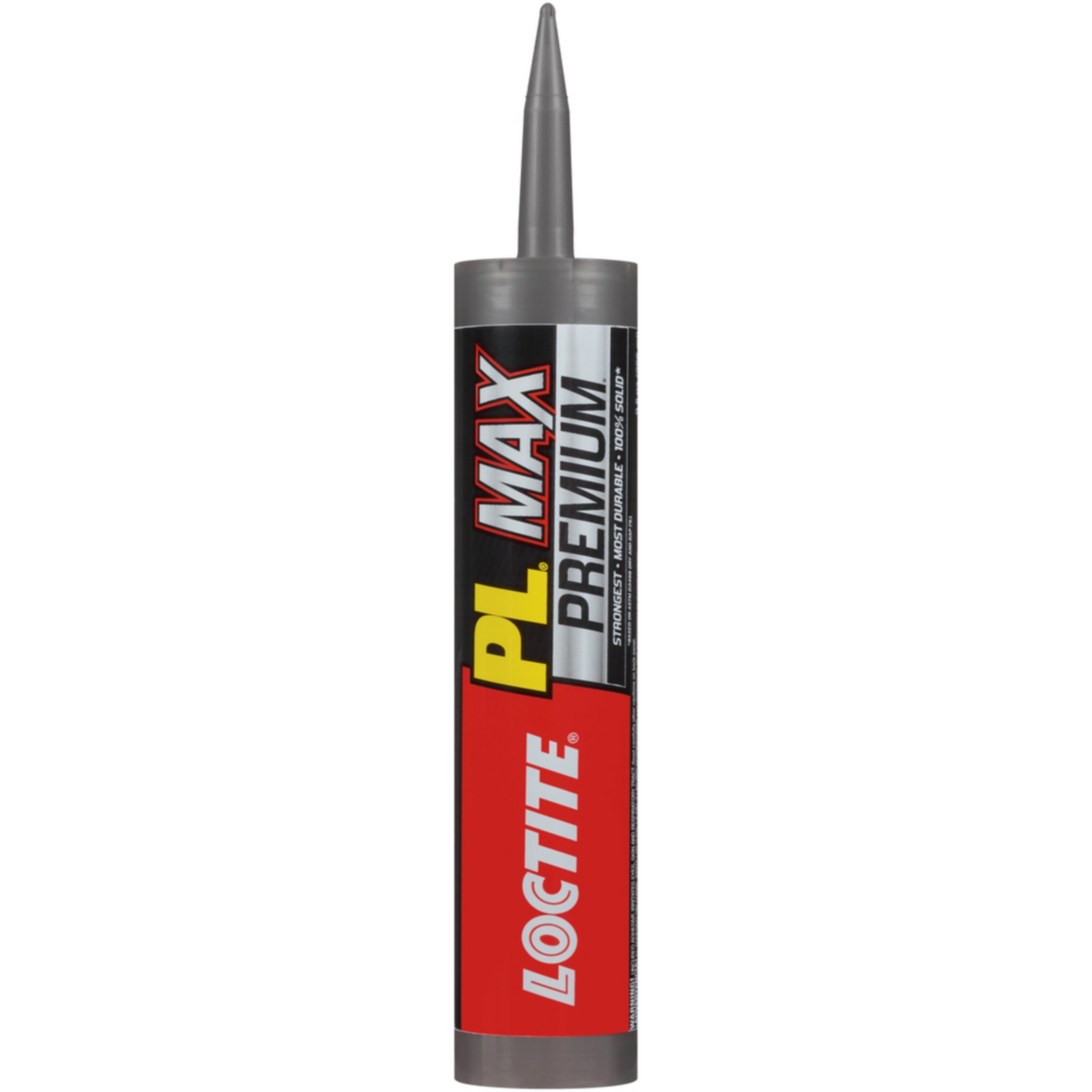
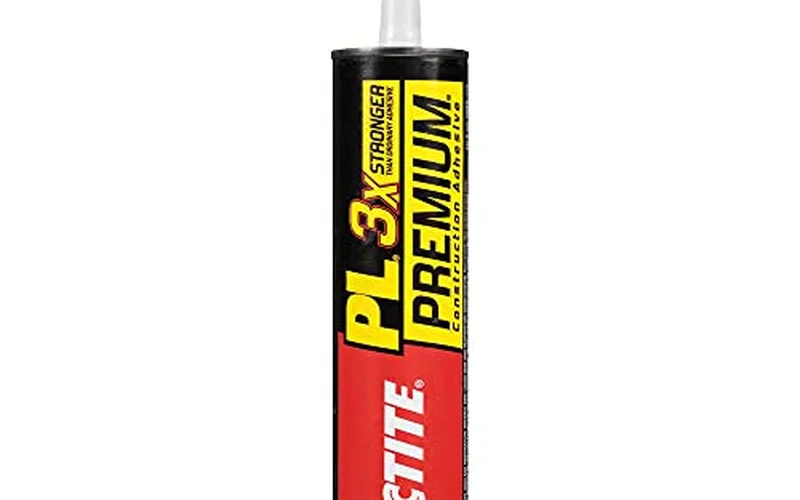
Loctite PL Premium Construction Adhesive
A heavy-duty, weatherproof polyurethane adhesive for general brick-to-brick bonding, indoors or outdoors.
Check on Amazon
 Option 1 Two-Part Masonry Epoxy
|
 Option 2 Thin Brick Veneer Bonding Adhesive
|
Option 3 Spare Cartridge For Larger Jobs
|
As an Amazon Associate we earn from qualifying purchases.
When it comes to repairing or bonding bricks, selecting the best glue is crucial. The right glue ensures a strong and long-lasting bond that can withstand various conditions. Understanding the specific requirements for brick surfaces and the strength needed is essential in making the right choice.
Understanding The Strength Requirements
Bricks are heavy and durable materials that require a strong adhesive to hold them together. Choosing a glue with high bonding strength is paramount to ensure that the bond is secure and stable. Look for adhesives that offer high tensile and shear strength to withstand the weight and pressure that bricks can exert.
Considerations For Brick Surfaces
Brick surfaces can vary in texture and porosity, which can affect the adhesion of the glue. Consider using an adhesive specifically formulated for porous surfaces to ensure proper bonding. Prepping the surface by cleaning and roughening it can also improve the adhesion of the glue to the brick.
Types Of Adhesives Suitable For Brick
When it comes to adhesives suitable for bricks, the best glue for brick is a high-quality construction adhesive such as polyurethane adhesive or epoxy adhesive. These types of adhesives provide strong and durable bonding for various brick applications.
Epoxy Adhesives
Epoxy adhesives are versatile and strong, making them ideal for bonding bricks. They create a durable and water-resistant bond, perfect for outdoor brick applications.
Polyurethane Adhesives
Polyurethane adhesives offer flexibility and adhesion to different surfaces, including brick. They are weather-resistant and suitable for both indoor and outdoor brick projects.
Construction Adhesives
Construction adhesives are heavy-duty and multi-purpose adhesives suitable for bonding bricks. They provide strong and permanent adhesion, making them perfect for various brick applications.
Factors To Consider When Selecting Glue For Brick
When it comes to working with bricks, choosing the right glue is crucial to ensure a strong and durable bond. Factors such as strength and durability, as well as application and setting time, play a significant role in determining the suitability of a particular glue for brick-related projects.
Strength And Durability
Strength and durability are paramount considerations when selecting a glue for brick. The adhesive must be capable of withstanding the heavy load and environmental stresses that bricks are often subjected to. Moreover, it should offer long-term durability to ensure the structural integrity of the bonded bricks.
Application And Setting Time
Considering the application and setting time is essential when choosing glue for brick projects. The application process should be straightforward, and the setting time should be optimal for the specific project requirements. Quick-setting adhesives may be preferred for time-sensitive projects, while others may require longer setting times for flexibility during installation.
Credit: www.amazon.com
Top Picks: Best Glue For Brick
If you’re looking for the best glue for brick, you’re in the right place. Whether you’re working on a DIY project or repairing some broken bricks, using the right adhesive is crucial for a long-lasting and secure bond. In this article, we’ll discuss the top two glues for brick, highlighting their features and benefits, so you can make an informed decision.
Loctite PL Premium Polyurethane Construction Adhesive: Features And Benefits
Loctite PL Premium is a heavy-duty polyurethane construction adhesive that’s a solid general-purpose pick for bonding solid bricks together. Here are its key features:
- Cartridge application: dispensed from a standard caulk gun cartridge for controlled, even beads along the joint.
- Fast-tacking formula: forms an initial bond quickly, though full cure takes longer like most polyurethanes.
- Waterproof once cured: resistant to water, making it suitable for both indoor and outdoor brick applications.
- Weather resistant: holds up across a wide temperature range once fully cured.
- Versatile: bonds brick to a range of other materials including stone, concrete, and wood.
- Strong, rigid bond: not the right choice for a memorial or monument repair (see below) since it doesn’t flex with temperature swings the way stone conservation epoxy does.
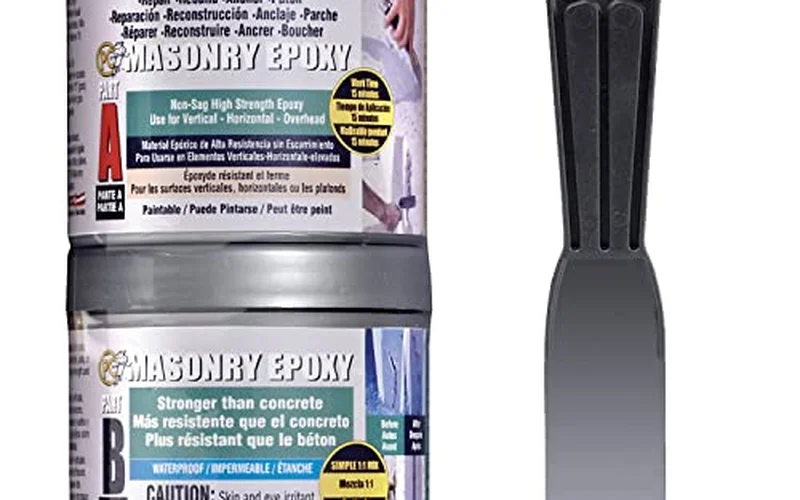
PC-Masonry Two-Part Epoxy: Features And Benefits
If you’re repairing broken or damaged brick or stone rather than building something new, this two-part epoxy is a better fit than a general construction adhesive. Key features:
- High adhesion: bonds tightly to brick and stone surfaces for a long-lasting repair.
- Semi-flexible cure: moves slightly with the material rather than staying perfectly rigid, reducing the chance of a repaired joint cracking again later.
- Heat resistant: holds up in applications where the brick is exposed to higher temperatures.
- Chemical resistant: the cured bond resists most common chemicals and cleaning products.
- Two-part mixing required: unlike a single-tube adhesive, needs the resin and hardener combined before application, so read the working-time window before starting.
Between the two, the deciding factor is the job: use the polyurethane construction adhesive for general brick-to-brick bonding, and reach for the two-part epoxy specifically when repairing a crack or break in existing brick or stone, including projects where a strong, lasting repair matters.
Tips For Proper Application And Bonding
When it comes to using the best glue for bricks, proper application and bonding techniques are essential to ensure a long-lasting and durable bond. To help you achieve optimal results, we have compiled a list of tips that will guide you through the process. From surface preparation to application techniques, follow these guidelines to ensure your glue adheres firmly to the brick surface.
Surface Preparation
Before you begin applying the glue, it is crucial to prepare the brick surface properly. This will ensure better adhesion and a stronger bond. Here are some steps to follow:
- Clean the surface: Remove any dirt, dust, or debris from the brick surface using a stiff brush or a damp cloth. This will create a clean and smooth surface for the glue to adhere to.
- Remove loose or damaged material: Inspect the brick for any loose or damaged areas. Use a chisel or scraper to remove these areas, ensuring a solid and stable surface for bonding.
- Etch the surface: Depending on the type of glue you are using, you may need to etch the brick surface to enhance adhesion. Follow the manufacturer’s instructions for etching, if required.
Application Techniques For Optimal Bonding
Once the surface is prepared, it’s time to apply the glue and ensure optimal bonding. Here are some techniques to keep in mind:
- Apply the glue evenly: Using a caulking gun or a trowel, apply the glue evenly on the surface. Avoid applying too much or too little glue, as it can affect the bonding strength.
- Spread the glue: After applying the glue, use a putty knife or a roller to spread it evenly across the brick surface. This will ensure maximum contact between the glue and the bricks.
- Press and hold: Once the glue is spread, press the bricks firmly together and hold them in place for the recommended curing time. This will allow the glue to bond effectively and create a strong connection.
- Use clamps or supports: For larger or heavier brick structures, consider using clamps or supports to hold the bricks in place until the glue sets completely. This will prevent any shifting or movement that may weaken the bond.
Credit: www.amazon.com
Frequently Asked Questions On Best Glue For Brick
What Is The Best Glue For Brick?
The best glue for brick is an epoxy adhesive, specifically designed for heavy-duty bonding. It creates a strong and durable bond that can withstand extreme temperatures and weather conditions. Look for a glue that is waterproof, weatherproof, and resistant to chemicals for optimal results.
Repairing A Broken Memorial Or Headstone Brick (This Is Different From Regular Brick Repair)
Repairing a broken memorial, headstone, or grave marker brick is not a job for regular construction adhesive, silicone, or caulk. Conservation guidance is specific here: use a conservation-grade, semi-flexible epoxy made for stone and monument repair, not a rigid all-purpose adhesive. Stone and brick monuments expand and contract with temperature swings, and a rigid glue will eventually crack and separate at the joint — a semi-flexible epoxy moves with the material instead of fighting it.
Before applying anything, clean the broken surfaces thoroughly and let them dry completely; epoxy bonds fail on damp stone. Gently wire-brush the break edges to remove loose dirt and old adhesive residue, then apply the epoxy per the product’s instructions. Never use household glue, silicone, caulk, or packaged concrete patch on a memorial repair — these trap moisture against the stone and typically cause more damage over time than the original break.
Applying Thin Brick Veneer To Drywall (A Different Adhesive Than Regular Brick)
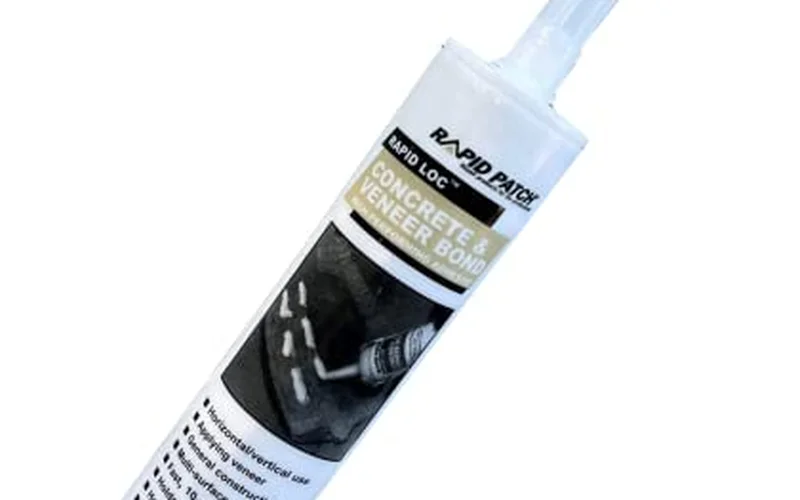
If you’re applying thin brick veneer to an interior drywall wall rather than bonding solid bricks together, skip the construction adhesive and epoxy discussed above — that’s built for structural brick-to-brick bonds, not for face-mounting thin veneer tiles. Use a mastic or thin-set mortar adhesive instead, applied with a notched trowel at roughly 3/8″ thickness, mixed to a consistency similar to creamy peanut butter. Back-butter each piece for extra adhesion, and let it cure 24-48 hours before grouting the joints.
What Adhesive Should I Use To Repair A Broken Memorial Or Headstone?
Use a conservation-grade, semi-flexible epoxy made for stone and monument repair, not a rigid all-purpose adhesive, silicone, or caulk. The stone must be fully dry before applying epoxy, and the break edges should be wire-brushed clean first.
What Adhesive Is Best For Applying Thin Brick Veneer To Drywall?
Use a mastic or thin-set mortar adhesive, not construction adhesive or epoxy. Apply with a notched trowel at about 3/8″ thickness, back-butter each piece, and let it cure 24-48 hours before grouting.
How Much Weight Can Brick Adhesive Actually Hold?
Load capacity depends on the specific adhesive, joint size, and surface contact area, not a single universal number – check the manufacturer’s technical data sheet for the exact product’s rated strength rather than assuming one adhesive’s rating applies to another.
Conclusion
Choosing the best glue for brick projects is crucial for ensuring lasting and durable results. Make sure to consider the specific requirements of your project, such as weather resistance and flexibility. By selecting a high-quality adhesive, you can ensure a sturdy and reliable bond for your brickwork.
Explore the various options available before making your final decision.
Sponsored / affiliate links. As an Amazon Associate I earn from qualifying purchases. I may earn additional commission from eligible campaigns.