Best Way To Get Glue Off Glass: Effortless Method
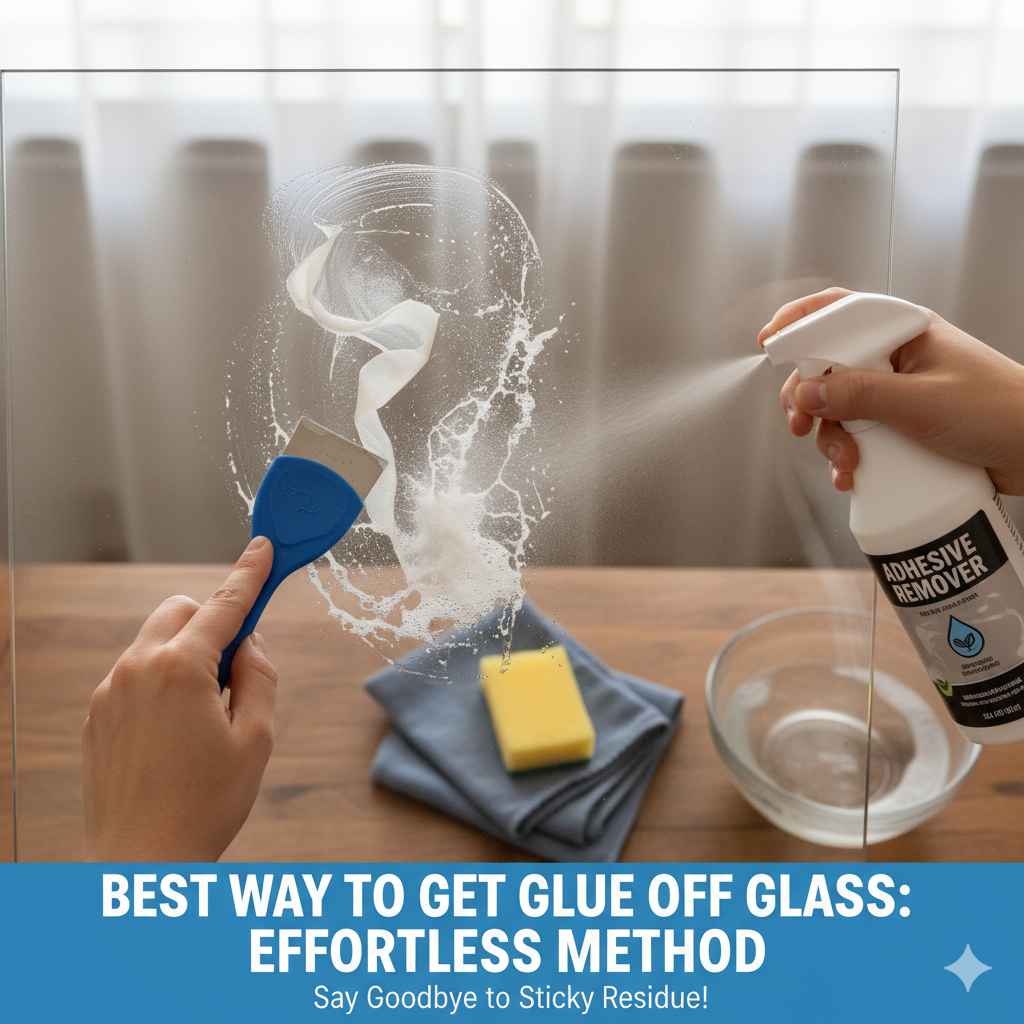
The best way to get glue off glass effortlessly for beginners is to use a solvent like rubbing alcohol or acetone, combined with gentle scraping. This method is quick, safe, and highly effective for most common glues, leaving your glass crystal clear with minimal fuss.
Ever pulled a sticker off a new picture frame, only to be left with that sticky, gooey residue? Or maybe you’ve worked on a craft project and accidentally dripped super glue onto a glass surface. It’s a common frustration that can really mar the look of your beautiful glass items.
Don’t worry! Dealing with stubborn glue on glass doesn’t have to be a big headache. With a few simple tricks and readily available household items, you can make that sticky mess disappear, leaving your glass perfectly clear and like new. We’ll walk you through an easy, effective method that’s perfect for beginners.
This guide will break down the process step-by-step, making it simple to tackle any glue situation on your glass. Get ready to say goodbye to sticky residue for good!
Why Glue Sticks to Glass and How to Remove It
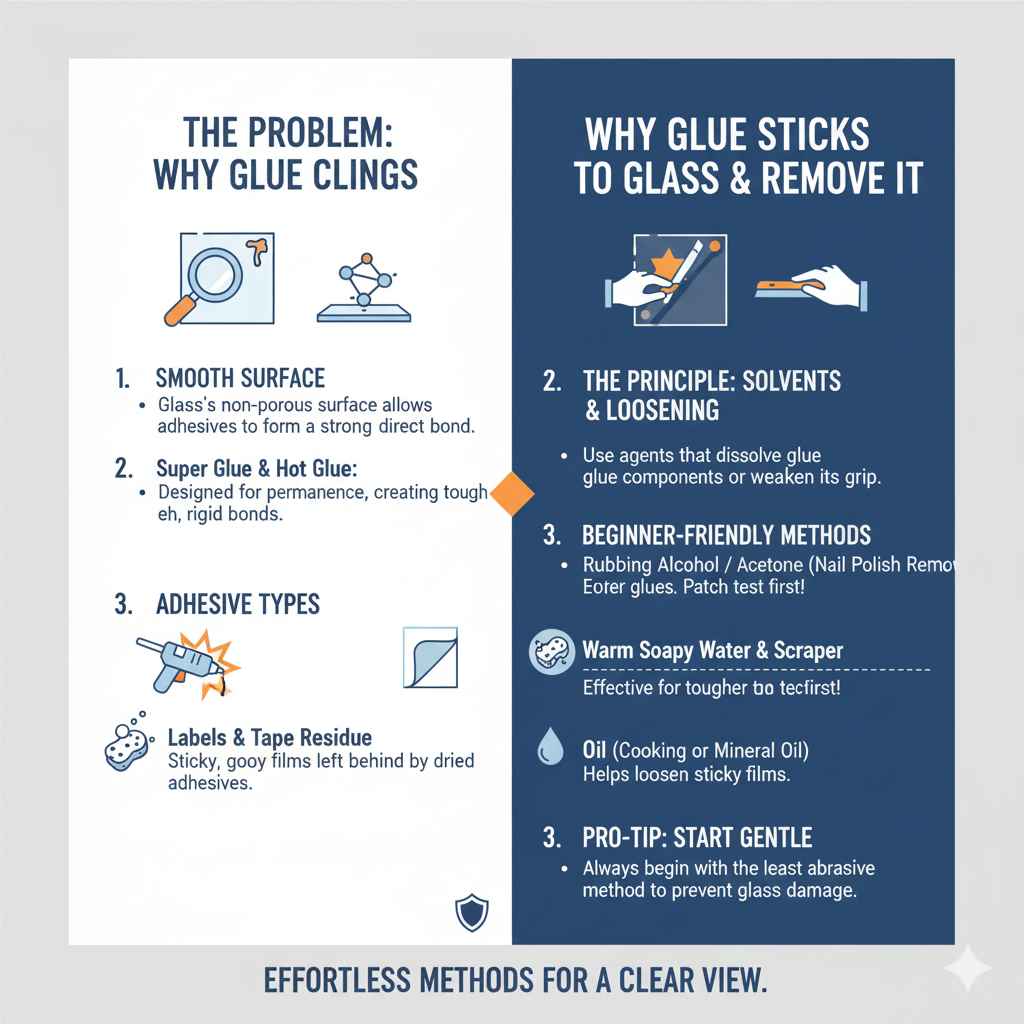
Glass is a super smooth material, which is why glue, especially sticky adhesives, can cling to it with surprising tenacity. When glue dries on glass, it forms a bond that can be tough to break. Many glues, like super glue or hot glue, are designed to be strong and permanent, making them particularly tricky to remove. Other adhesives, like those found on labels and tapes, are designed to be sticky and can leave behind an unpleasant film when they dry.
The good news is that glass is also quite resilient, meaning it can handle a variety of cleaning agents without damage, as long as you’re careful. To effectively remove glue, you need something that can break down the adhesive’s bond. This usually involves a solvent that dissolves the glue’s components or a method that loosens its grip.
For beginners, the key is to start with the gentlest methods and gradually move to stronger ones if needed. This approach prevents accidental damage to the glass while ensuring you can tackle even the most stubborn glue spots. We’ll focus on methods that are both effective and easy to follow, ensuring you get a great result every time.
Gathering Your Supplies: What You’ll Need
Before we dive into the actual glue removal process, let’s make sure you have everything you need. Having your supplies ready will make the whole task go much smoother. For the most effective and effortless glue removal, here’s what I recommend:
Essential Tools and Materials
- Solvent: This is your primary weapon against the glue. Common and effective options include:
- Rubbing Alcohol (Isopropyl Alcohol): This is a fantastic all-around solvent that works on many types of adhesives. It’s readily available and relatively safe to use. Aim for a concentration of 70% or higher.
- Acetone (Nail Polish Remover): Pure acetone is a very strong solvent and is excellent for tougher glues like super glue. Be cautious, as it can damage some plastics or finished surfaces that might be attached to your glass item. Always check if your nail polish remover contains acetone.
- White Vinegar: A milder, natural option that can work on some less stubborn adhesives, especially sticker residue.
- Specialized Adhesive Removers: Products like Goo Gone or WD-40 can also be very effective, but for common issues, household items often do the trick.
- Scraper: You’ll need something to gently lift the loosened glue.
- Plastic Scraper or Old Credit Card: These are great because they are unlikely to scratch the glass.
- Razor Blade Scraper (with caution): For very stubborn residue on flat glass, a new, sharp razor blade held at a very low angle can be effective. This is best for experienced users and can be risky for beginners.
- Soft Cloths or Paper Towels: For applying the solvent and wiping away the dissolved glue. Microfiber cloths are ideal as they are absorbent and won’t leave lint behind.
- Warm Water and Mild Soap: For a final clean-up after the glue is removed.
- Gloves (Optional but Recommended): Especially when working with stronger solvents like acetone, gloves can protect your skin.
Having these items on hand means you’re prepared for almost any common glue situation you’ll encounter on glass. Remember, safety first, especially when using solvents!
The Effortless Method: Step-by-Step Guide
Let’s get down to business! This method is designed to be easy for anyone to follow. We’ll start with the most common and safest solvent and then move to a stronger option if needed.
Step 1: Prepare the Area and the Glass
First, ensure you’re working in a well-ventilated area, especially if you’re using acetone or a commercial adhesive remover. Place a few paper towels or a cloth underneath the glass item to catch any drips. If the glue is fresh and still somewhat pliable, try to carefully peel off as much as you can with your fingers. Don’t tug too hard or you might spread it.
Step 2: Apply Your Chosen Solvent
Dampen a soft cloth or paper towel with your chosen solvent. For most common glues, rubbing alcohol is a great starting point. If it’s a very tough adhesive like super glue, you might consider acetone. For sticker residue, white vinegar or rubbing alcohol usually works well.
Gently dab the solvent onto the glue residue. You want to saturate the glue, allowing the solvent to soak in and start breaking down the adhesive. Let it sit for a few minutes – typically 5-10 minutes. You should see the glue start to soften or lift slightly.
Step 3: Gentle Scraping and Wiping
Once the glue has had time to soak, take your plastic scraper or old credit card. Carefully insert the edge under the softened glue and gently lift. Work slowly and patiently. You should be able to scrape away the loosened goo.
As you scrape, use a clean part of your cloth or a fresh paper towel to wipe away the dissolved glue. This prevents you from just smearing the sticky mess around. Reapply more solvent if needed and continue to gently scrape and wipe.
Step 4: Tackling Stubborn Spots (When to Use a Razor Blade)
If a small, stubborn bit of glue remains after using the plastic scraper, and only if you’re comfortable doing so, you can use a razor blade scraper. Hold the blade at an extremely low angle (almost flat against the glass) and carefully push it under the residual glue. The goal is to shave off the glue without digging into the glass. Always use a new, sharp blade for this, as dull blades require more pressure and increase the risk of scratching. This method is best for flat, sturdy glass surfaces, like a table top or window pane, rather than delicate or curved items.
Be extremely cautious with razor blades. If at any point you feel you’re applying too much pressure or it’s not coming off easily, stop and try more solvent or try a different approach. You can find more information on safe scraping techniques from resources like the Occupational Safety and Health Administration (OSHA) which provides general tool safety guidelines applicable here.
Step 5: Final Clean-Up
Once all the glue residue is removed, you’ll likely have some solvent left on the glass. Wash the glass thoroughly with warm water and a little bit of mild dish soap. Rinse it well and dry it with a clean, lint-free cloth. This will remove any remaining solvent or residue and leave your glass sparkling clean.
Choosing the Right Solvent: A Comparison
Deciding which solvent to use can make a big difference in how easily the glue comes off. Different glues respond better to different chemicals. Here’s a quick comparison to help you pick the best one for your situation:
| Solvent Type | Pros | Cons | Best For | Beginner-Friendliness |
|---|---|---|---|---|
| Rubbing Alcohol (Isopropyl Alcohol) | Readily available, relatively safe fumes, effective on many common adhesives (sticker residue, some craft glues). | May require a bit more scrubbing or soaking time for tougher glues. | Sticker residue, tape adhesive, general gunk. | High |
| Acetone (Nail Polish Remover) | Very powerful solvent, excellent for tough glues like super glue and epoxy. Works fast. | Strong fumes, requires good ventilation. Can damage plastics, painted, or porous surfaces. Requires careful ventilation. | Super glue, strong craft glues, dried-on paint or ink. | Medium (requires caution with ventilation and surrounding materials) |
| White Vinegar | Natural, safe, readily available, mild acidity helps break down some adhesives. | Less powerful than alcohol or acetone, may require longer soaking times or more effort for tougher glues. Smell can be strong. | Light sticker residue, general grime. | High |
| Commercial Adhesive Removers (e.g., Goo Gone) | Specifically formulated to break down sticky residues, often pleasant-smelling, generally safe for most surfaces. | Can be more expensive than household items. Might leave a slightly oily residue that needs cleaning. | Wide range of adhesives, including stickers, tapes, caulk, tar. | High |
| WD-40 | Breaks down sticky substances, readily available, can also offer lubrication. | Can leave an oily film, strong smell, might not be ideal for items where an oily residue is undesirable. | Sticky labels, tar, some general grime. | Medium (due to oily residue and smell) |
For most everyday situations at home, starting with rubbing alcohol is the safest and most effective bet for beginners. It’s a great balance of power and safety.
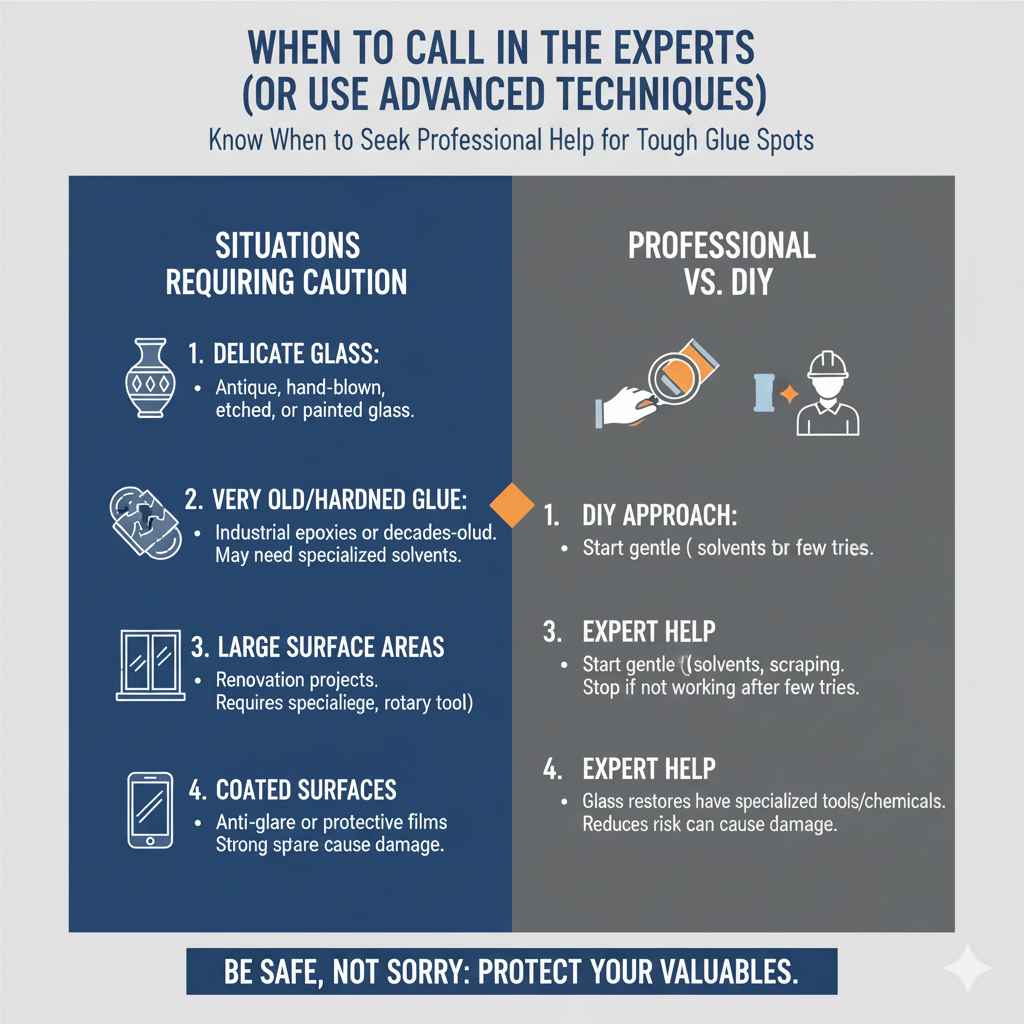
When to Call in the Experts (or Use More Advanced Techniques)
While the methods described above tackle most common glue mishaps, there are a few situations where you might need to reconsider your approach or seek professional help. These typically involve very old, hardened glues, large areas of damage, or very delicate or valuable glass items.
Situations Requiring Extra Caution:
- Antique or Delicate Glass: If the glass item is old, hand-blown, etched, or has painted decoration, aggressive scraping or strong solvents could cause irreparable damage. For such items, test solvents in an inconspicuous area first, or consider consulting a professional restoration specialist.
- Very Old, Heavily Cured Adhesives: Like some industrial epoxies or decades-old dried-on substances. These might require specialized industrial solvents that are not readily available or safe for home use.
- Large Surface Areas: If you have a large expanse of glass covered in glue, like a window pane from a renovation project, you might need more efficient tools. A window squeegee or even a rotary tool with a specialized glass polishing attachment (used very carefully by someone experienced) could be considered. For professional window cleaning services, OSHA provides guidelines on safe window washing practices, highlighting the importance of proper equipment and technique.
- Glass with Coatings or Films: Some glass, like car windshields or display screens, has anti-glare or protective coatings. Strong solvents can damage these. Always check the manufacturer’s recommendations for cleaning such surfaces.
In these cases, it’s often better to be safe than sorry. A professional glass restorer has the tools, expertise, and specialized chemicals to handle these challenging situations without causing damage. For DIYers, if a simple solvent and gentle scraping doesn’t work after a couple of tries, it might be time to step back and weigh the risk versus reward.
Frequently Asked Questions (FAQ)
Q1: Will rubbing alcohol damage my glass?
A1: No, rubbing alcohol is perfectly safe for glass and will not damage it. It’s a common and effective cleaner for many surfaces.
Q2: Can I use acetone on tinted glass or treated glass surfaces?
A2: It’s best to avoid acetone on tinted glass or glass with special coatings, as it can potentially damage them. Stick to rubbing alcohol or specialized glass cleaners for these surfaces.
Q3: How long should I let the solvent soak into the glue?
A3: For most common glues, 5-10 minutes is usually sufficient. For tougher, dried-on glues, you might need to let it soak for 15-30 minutes, reapplying the solvent as it evaporates.
Q4: My glue is still not coming off. What else can I try?
A4: If rubbing alcohol isn’t working, try acetone. If you’re hesitant about stronger solvents or that didn’t work, consider a commercial adhesive remover product. Ensure you’re patiently letting the solvent soak and gently scraping. Sometimes multiple applications are needed.
Q5: Can I use a metal knife to scrape off the glue?
A5: It’s generally not recommended to use a metal knife, as it can easily scratch the glass. A plastic scraper, an old credit card, or a dedicated razor blade scraper used at a very low angle are much safer alternatives.
Q6: What’s the best way to remove hot glue from glass?
A6: For hot glue on glass, try cooling the glue first. Place the glass item in the freezer for a short period. Once hardened, the hot glue might become brittle and easier to chip off with a plastic scraper. If residue remains, rubbing alcohol or a quick burst of WD-40 can help dissolve it.
Q7: Is it safe to use these methods on drinking glasses or food containers made of glass?
A7: Yes, as long as you thoroughly wash the glass with soap and warm water after removing the glue and rinsing away all solvent residues. Rubbing alcohol and white vinegar are generally food-safe once washed away.
Conclusion
Tackling glue residue on glass doesn’t have to be a source of frustration. As you’ve seen, with a few common household items and a bit of patience, you can achieve a sparkling, glue-free finish. The combination of a suitable solvent like rubbing alcohol or acetone and gentle scraping is your most effective and beginner-friendly approach.
Remember to always work in a well-ventilated area, start with gentler methods, and use caution when employing sharper tools. For most everyday situations, this simple process will restore your glass items to their original pristine condition.
So next time you encounter stubborn glue on glass, don’t despair! You now have the knowledge and the simple steps to handle it with confidence. Happy cleaning, and enjoy your beautiful, clear glass!