Is Gorilla Wood Glue Good for Cedar? Yes, If You Prep the Surface First
Yes — Gorilla Wood Glue bonds cedar well, but only after you deal with cedar’s natural oils first. Skip that step and even a strong PVA glue like this one will end up bonding to a thin oil film instead of the wood itself, which is exactly how a joint that looked fine on glue-up day comes apart six months later.
Why Cedar Fights Glue in the First Place
The Glue This Article Is About
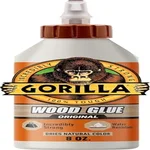 |
Gorilla Wood Glue, Fast Clamp, Water Resistant PVA, 8 oz – $4.37 A cross-linking PVA formula that holds on cedar once the surface oils are removed — the prep matters more than the glue choice here.
|
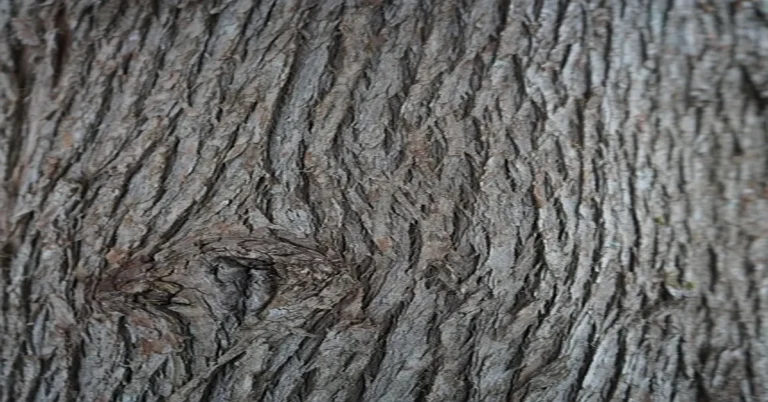
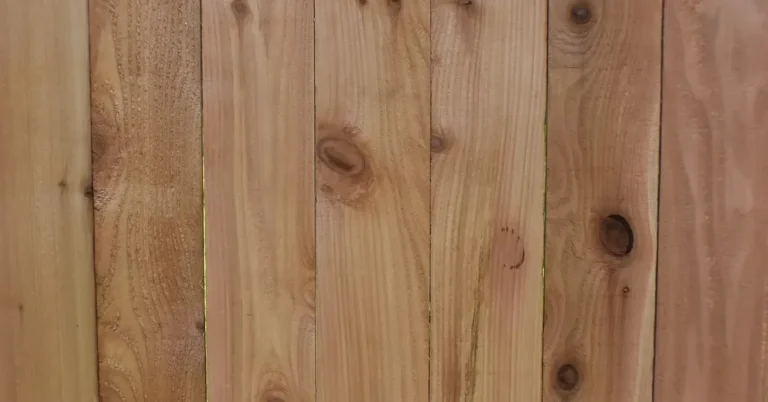
Cedar’s rot and insect resistance comes from natural extractives — oils and resins baked into the wood’s cells that also happen to sit on any freshly cut or planed surface. Western and Eastern Red Cedar carry the most; Alaskan Yellow Cedar has noticeably less and is correspondingly easier to glue straight off the saw. Those surface oils act like a release agent: glue can adhere to the oil layer rather than the wood fibers underneath, and that bond degrades as the oil layer itself breaks down or lets moisture in over time.
Cedar is also a low-density softwood, which means it’s more prone to crushing under heavy clamp pressure than a hardwood joint would be — worth knowing before you tighten clamps as hard as you would on oak or maple.
The Surface Prep That Actually Fixes This
Three steps, done in order, right before glue-up:
- Remove the oily top layer. A light pass with a hand plane or scraper takes off the surface where oils concentrate, exposing fresh wood underneath. This is the single most effective step for oily cedar species.
- Wipe with denatured alcohol or mineral spirits. This lifts remaining surface oil without soaking or damaging the wood. Let it flash off completely — a few minutes — before gluing.
- If sanding instead of planing, stay coarse (80–100 grit). Fine grit polishes the surface and can close up the wood’s pores, giving the glue less to grip. Sand with the grain, then wipe down as above.
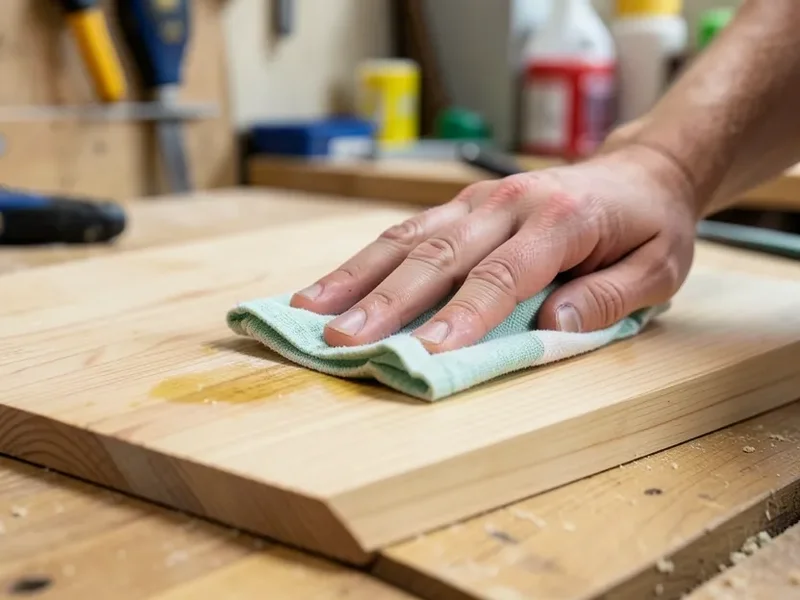
Glue up within about an hour of finishing prep — cedar’s oils migrate back to the surface over time, so a prepared board left sitting overnight isn’t as clean as one glued right away.
Why Gorilla Wood Glue Specifically Works Once You’ve Prepped
Gorilla Wood Glue is a cross-linking PVA — the same basic chemistry as standard yellow wood glue, but formulated with additional polymers that create a denser molecular network as the water in the glue evaporates and the particles interlock with the wood fibers. That extra cross-linking is what gives it better water resistance than a basic PVA and a bond that’s frequently stronger than the wood itself once cured. It’s water-resistant, not waterproof — fine for outdoor furniture that sees rain and humidity, not for anything continuously submerged.
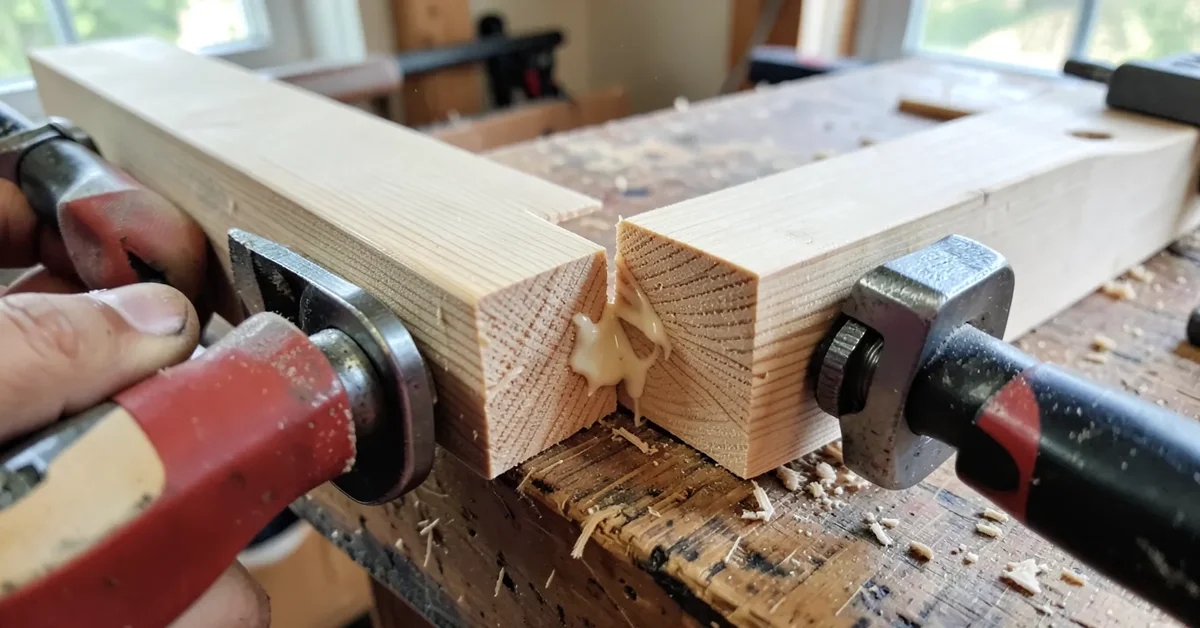
Clamp at a firm, even pressure — enough for a thin, continuous bead of squeeze-out around the joint, but not so much you crush cedar’s soft fibers. Initial set runs 30 minutes to an hour; give it a full 24 hours before putting any real stress on the joint.
Cleaning Up Squeeze-Out on Cedar
Wipe wet squeeze-out with a barely damp cloth — too much water raises cedar’s grain or leaves a water stain that’s more work to fix than the glue would have been. If it dries before you catch it, scrape gently with a sharp chisel or cabinet scraper along the grain rather than sanding, which can dish out a visible low spot in soft cedar.
When to Reach for Something Else Instead
Gorilla Wood Glue covers the large majority of cedar projects, but not every one:
- Continuously submerged work (pond structures, boat parts) needs a true waterproof adhesive like marine epoxy — water-resistant PVA isn’t rated for that.
- Exceptionally oily, resinous stock that you can’t fully prep sometimes bonds more reliably with an epoxy, which mechanically locks rather than relying on fiber penetration the way PVA does.
- Thin veneers or delicate pieces can be damaged by the clamp pressure a PVA joint wants — a faster-tacking specialty veneer glue needs less clamping force.
For a full side-by-side against Titebond III, PL Premium, and epoxy on exterior cedar work specifically, see our exterior wood glue comparison for cedar projects.
Frequently Asked Questions
Can I use Gorilla Wood Glue on unfinished cedar?
Yes, and unfinished cedar is usually easier to bond than a finished piece. It still needs the same surface prep — a light scrape or coarse sanding, then a solvent wipe — to clear surface oils before gluing.
How long does Gorilla Wood Glue take to dry on cedar?
Initial set for careful handling is about 30 minutes to an hour. Give it a full 24 hours to reach a full cure before the joint takes real stress.
Is Gorilla Wood Glue waterproof for cedar projects?
No, it’s water-resistant, not waterproof. It handles rain, humidity, and splashes fine but isn’t rated for continuous submersion — use a marine epoxy for that.
Do I need to use a lot of glue on cedar?
No. A thin, even coat on one or both mating surfaces is enough — a small bead of squeeze-out around the joint edge confirms full coverage.
Can Gorilla Wood Glue be used on cedar plywood?
Yes. Cedar plywood’s face veneer has much less surface oil than solid cedar, so it typically needs only a basic clean, dust-free surface rather than the full scrape-and-solvent prep solid cedar needs.
Bottom Line
Gorilla Wood Glue is a reliable choice for cedar — the glue was never really the weak link, cedar’s surface oils were. Plane or coarse-sand the joint, wipe with a solvent, and glue up promptly, and the bond holds as well as it would on any other softwood.
Sponsored / affiliate links. As an Amazon Associate I earn from qualifying purchases. I may earn additional commission from eligible campaigns.