Can You Paint Wood Floors? Yes, With the Right Prep and Primer
Yes, you can paint any solid wood floor, as long as it’s clean, sanded, and primed with a bonding primer made for floors. Skip the primer and even the best floor paint will chip within months under regular foot traffic. This guide covers surface prep, priming, paint selection, and long-term care — see our comparison of the best paint for wood floors for cost-per-square-foot and dry-time numbers.
Why Paint Instead of Refinish
Best Wood Floor Paint Pick
KILZ Porch & Patio Latex Floor Paint (Slate Gray, 1 Gallon) – $55.22
The durable acrylic floor paint this guide’s FAQ recommends — a scratch- and fade-resistant latex enamel built for foot traffic, applied in the thin, even coats this guide’s step-by-step section describes.
- Best for: Repainting a wood floor with a proven, durable topcoat
- Why we picked it: 100% acrylic latex, resists scuffing, fading, and cracking
- Main drawback: Not rated for garage floors or areas with vehicle traffic
Compare more wood floor paint options
 Option 1 INSL-X Stix Bonding Primer (1 Quart) – $25.40
|
 Option 2 Glidden Porch & Floor Paint + Primer (White) – $37.47
|
 Option 3 California Paints ALLFLOR Black Enamel (1 Qt) – $18.70
|
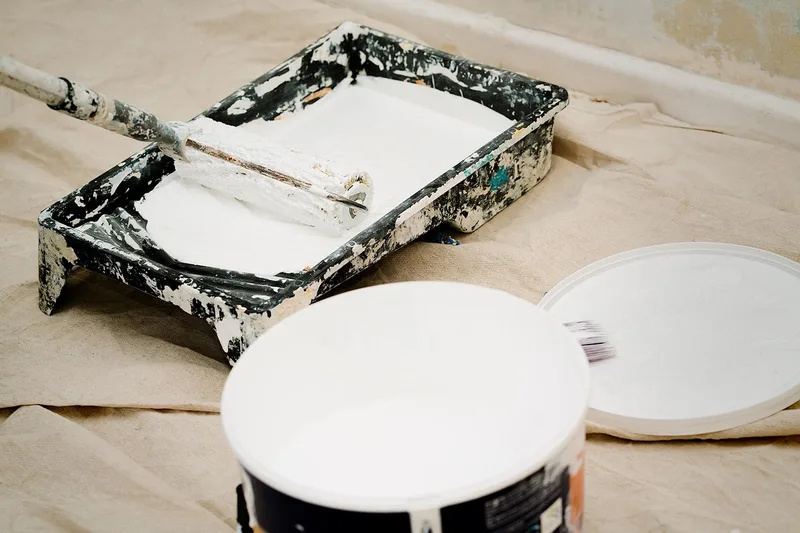
Paint covers damage that a stain-and-refinish job can’t hide, like patched boards, mismatched wood species from a repair, or deep staining that sanding won’t fully remove. It’s also the only realistic way to get a bold, uniform color or a painted pattern, since wood stain only ever shows the grain in shades of brown. The tradeoff is durability: a quality refinished hardwood floor typically outlasts a painted one under heavy foot traffic, so painting makes the most sense on lower-traffic rooms, porches, or floors you’re covering because of damage rather than for pure style.
Prep: Cleaning and Sanding
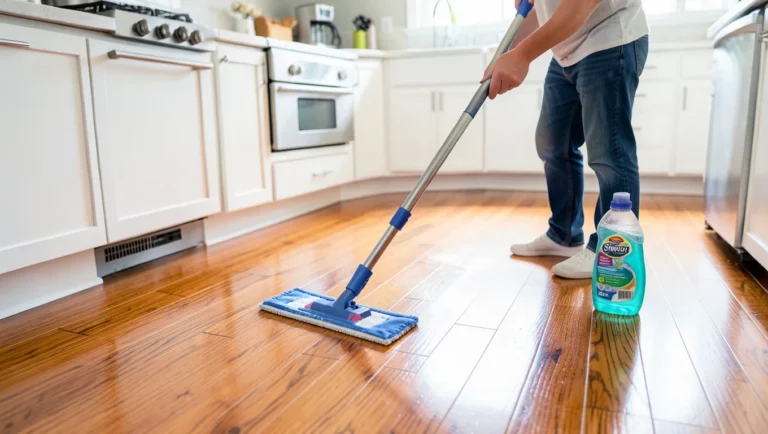
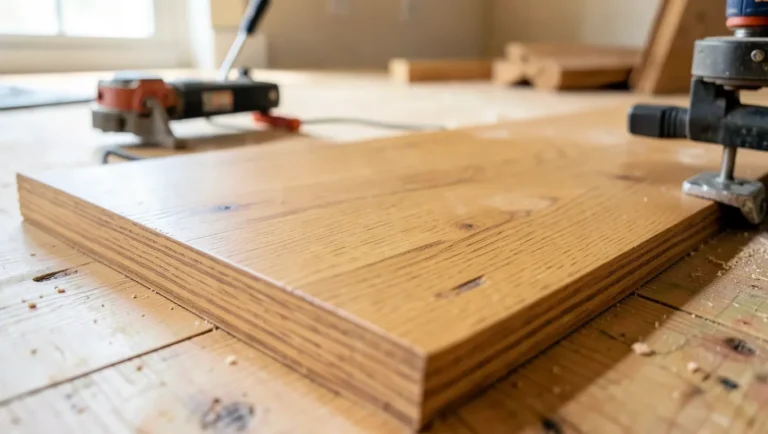
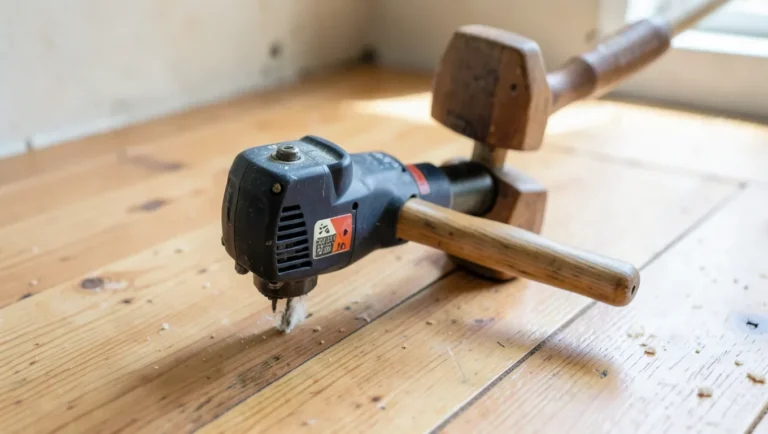
Vacuum or sweep thoroughly, then clean with a wood floor cleaner to strip away wax, grease, or polish residue that will stop paint from bonding no matter how good the primer is. Once clean and dry, scuff-sand the whole floor (a random orbital sander with 120-150 grit is enough for most floors — you’re not stripping to bare wood, just removing sheen), then fill any gouges or gaps with wood filler and sand those spots flush once cured. Vacuum again and wipe with a tack cloth; any dust left behind telegraphs through as grit in the finish.
Priming and Painting
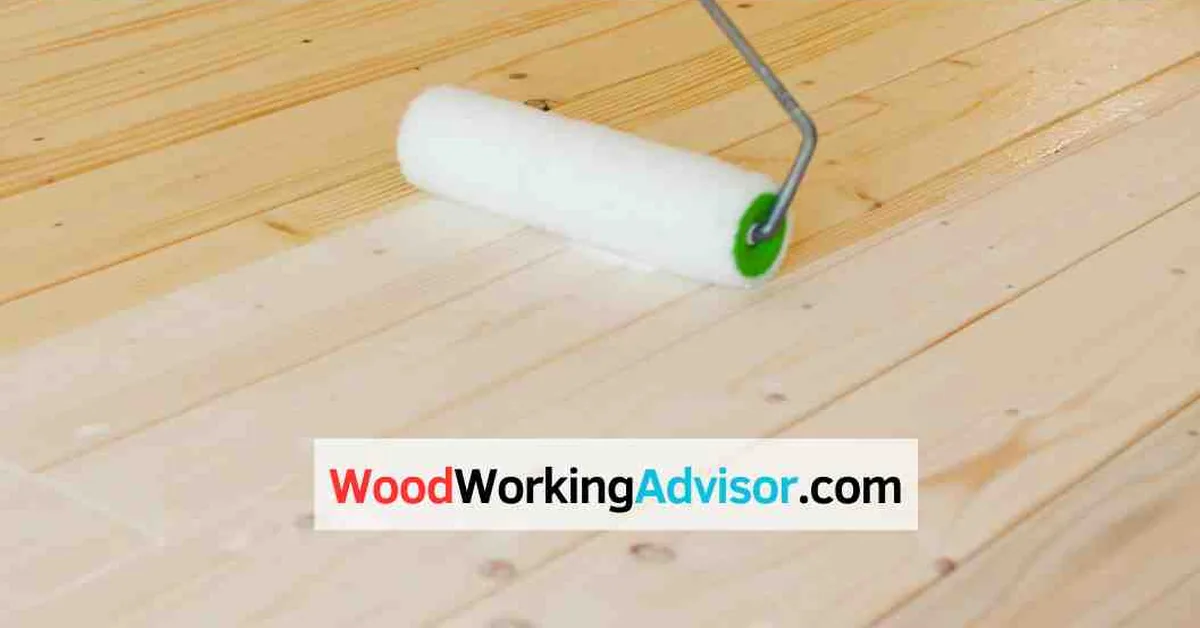
Apply a bonding primer made for floors (or a paint-and-primer-in-one product) in a thin, even coat and let it cure fully per the label before topcoating. Working specifically with hardwood? See our full step-by-step guide to painting hardwood floors for paint-type selection and stencil or taped design techniques.
Once primed, apply a paint made specifically for floors, not a wall or furniture paint, since floor-rated formulas are built to flex and resist abrasion under foot traffic in a way general-purpose paint isn’t. Two thin coats beat one thick one: a heavy coat stays soft underneath long after the surface skins over, and that soft layer is what peels and dents first. Let each coat dry fully per the label before recoating, and finish with a protective topcoat (polyurethane or a clear floor-rated epoxy) once the paint has cured, which adds real wear resistance and makes the color last years longer under regular foot traffic instead of months.
Can You Skip Sanding?
Technically yes, if you use a strong bonding primer designed to grip a glossy, unsanded surface. But skipping sanding removes the mechanical grip a light scuff gives the primer, so it’s a real durability tradeoff, not a free shortcut — expect a painted floor over an unsanded surface to show wear at high-traffic pivot points (in front of a sink, a doorway threshold) sooner than one that was properly scuffed first.
Maintaining a Painted Wood Floor
Sweep or dust regularly so grit doesn’t get ground into the finish underfoot, and put mats at entry points to catch dirt and moisture before it reaches the paint. Felt pads under furniture legs prevent the scratches that hard feet leave, and wiping up spills immediately stops them from staining or lifting the paint at the edges. A protective topcoat, if you added one, can be lightly re-applied every few years on high-traffic areas to keep the color from wearing through before the rest of the floor does.
Design Ideas That Actually Hold Up
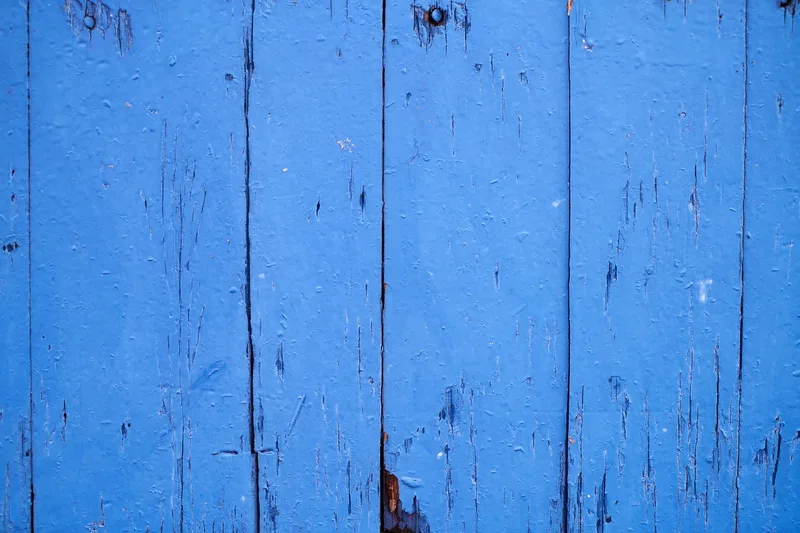
A bold solid color (navy, black, or a saturated blue like the example below) makes the most of paint’s biggest advantage over stain: true, uniform color instead of shades of brown. Geometric patterns, taped off before painting in contrasting light and dark tones, read as modern and hold up well since the taped lines are usually along the grain, not across it, so wear shows evenly rather than peeling at one edge first. Softer, single-color rooms tend to show scuffs less than high-contrast patterns, which is worth weighing in a genuinely high-traffic room like an entryway or kitchen.
Frequently Asked Questions
What kind of paint do you use on wood floors?
Use a paint made specifically for floors, not a wall or furniture paint. A durable 100% acrylic latex or an oil-based floor enamel is built to flex and resist abrasion under regular foot traffic in a way general-purpose paint isn’t.
Does painted wood flooring actually last?
Yes, with proper prep, a floor-rated paint, and a protective topcoat, but expect it to show wear sooner than a professionally refinished hardwood floor in a genuinely high-traffic area. Regular cleaning and felt furniture pads meaningfully extend the finish’s life.
Can you paint wood floors without sanding?
Technically yes, if you use a strong bonding primer built for glossy, unsanded surfaces, but you’re trading away the extra grip a light scuff-sand gives the primer. It will hold up, just not quite as long at high-traffic pivot points like doorways.
How do you prep a wood floor for painting?
Clean thoroughly to remove wax, grease, or polish residue, scuff-sand the surface with 120-150 grit, fill and sand any gouges or gaps, then vacuum and wipe with a tack cloth before applying a bonding primer and your chosen floor paint.
Bottom Line
Any solid wood floor can be painted, but the paint job is only as good as the prep underneath it: clean, scuff-sand, prime with a real bonding primer, and finish with a floor-rated paint and a protective topcoat. Skip the primer and the paint chips within months regardless of how expensive the can was.
Sponsored / affiliate links. As an Amazon Associate I earn from qualifying purchases. I may earn additional commission from eligible campaigns.