Built in Wood Burning Stove: Warmth & Elegance Unite
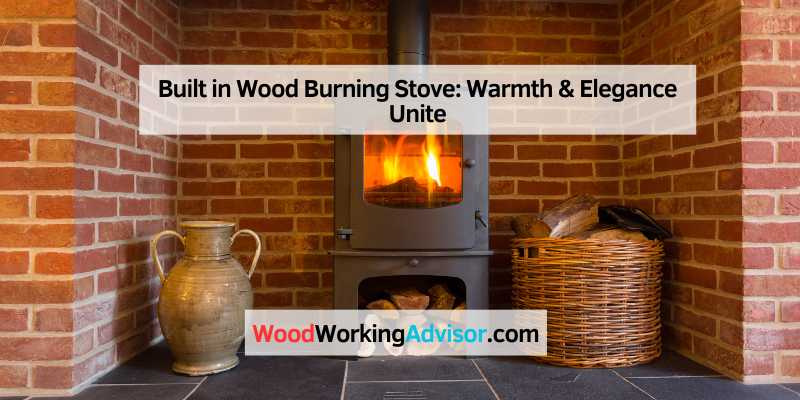
A built-in wood burning stove is a heating appliance that is installed permanently into the wall of a room. It is designed to provide warmth and ambiance to the space.
These stoves are typically made of durable materials such as cast iron or steel and can be fueled by firewood. The stove can be vented through the wall or ceiling, depending on the design and location. Built-in wood burning stoves are popular in areas where there is easy access to firewood and are a great option for those looking for an alternative heating source.
They offer a classic look and feel to any room and can provide a cozy atmosphere during the colder months.
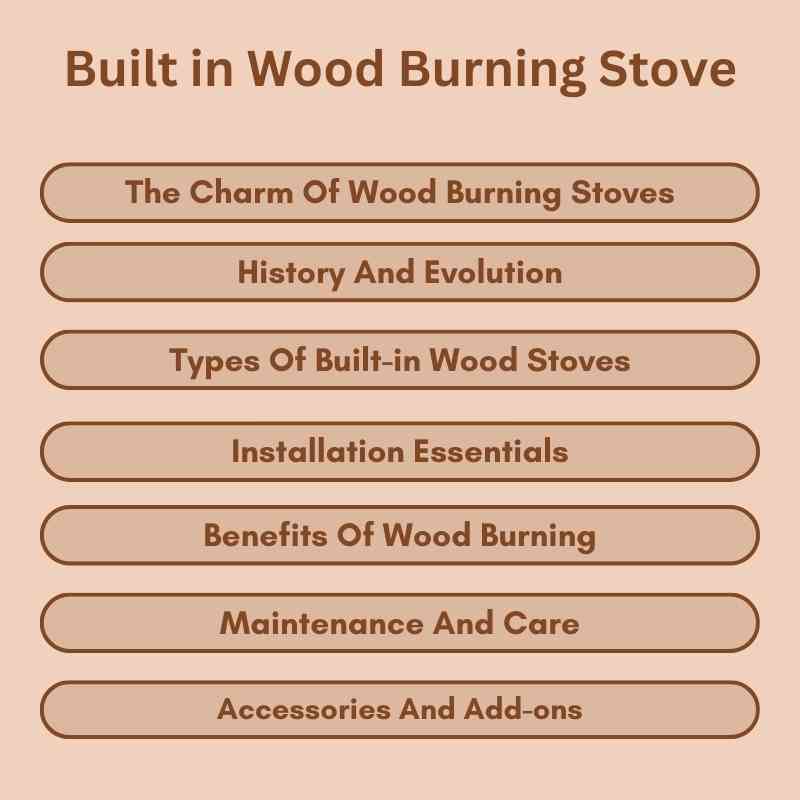
The Charm Of Wood Burning Stoves
Experience the timeless charm of a built-in wood burning stove. With its rustic appeal and efficient heating capabilities, a wood burning stove is the perfect addition to any home in Austin, Texas. Transform your space with a touch of warmth and elegance.
Aesthetic Appeal
Wood burning stoves exude a timeless charm that adds character and warmth to any space. The crackling flames and dancing embers create a cozy and inviting atmosphere, making the wood burning stove a focal point in any room. The natural beauty of the flickering fire within the stove adds a touch of rustic elegance to the decor, making it a popular choice for homeowners seeking a traditional yet stylish heating solution.
Timeless Warmth
One of the greatest appeals of wood burning stoves is their ability to provide consistent and reliable warmth. Unlike modern heating systems, wood burning stoves offer a timeless warmth that resonates with a sense of comfort and nostalgia. The radiant heat produced by the stove permeates the room, creating a snug and comforting environment that is perfect for unwinding after a long day or gathering with loved ones on a chilly evening.
History And Evolution
The history and evolution of built-in wood burning stoves is fascinating. These stoves have been a staple in homes for centuries and have gone through many changes to become more efficient and environmentally friendly. In Austin, Texas, there are many options for purchasing and installing these stoves, making them a popular choice for homeowners.
From Open Hearths To Modern Stoves
Wood burning stoves have come a long way since their humble beginnings. The history and evolution of these heating appliances is a fascinating journey that showcases the ingenuity and innovation of mankind. Let’s take a closer look at how wood burning stoves have evolved over the years.
Technological Advancements
Wood burning stoves have undergone significant technological advancements, resulting in more efficient and environmentally friendly heating solutions. These advancements have revolutionized the way we heat our homes and have made wood burning stoves a popular choice for many homeowners.
One of the key advancements in wood burning stove technology is the introduction of air intake systems. These systems allow for better control of the combustion process, ensuring that the wood burns efficiently and produces less smoke and emissions.
Another important innovation is the use of air injectors. These injectors introduce additional oxygen into the combustion chamber, promoting complete combustion and reducing the amount of particulate matter released into the air.
Pipe Installation And Construction
When it comes to pipe installation, modern wood burning stoves offer more flexibility and convenience. The construction of the stove itself has also improved, with better insulation and sealing to prevent heat loss and ensure optimal performance.
Additionally, the construction of the door has been optimized to provide a tight seal and prevent any air leaks. This not only improves the efficiency of the stove but also enhances safety by reducing the risk of accidental fires.
Future Plans
The evolution of wood burning stoves is an ongoing process, with manufacturers constantly striving to improve efficiency, reduce emissions, and enhance user experience. In the future, we can expect to see even more innovative features and technologies integrated into wood burning stoves, making them an even more attractive and sustainable heating option for homeowners.
Types Of Built-in Wood Stoves
Built-in wood burning stoves come in different types, including inserts that fit into existing fireplaces and cassette fires that can be installed into a wall. These stoves offer an efficient and eco-friendly way to heat a room while adding a rustic touch to the decor.
Freestanding Vs. Built-in Models
Built-in wood stoves are designed to be permanently installed into a wall or fireplace, seamlessly integrating with the architecture of the room. On the other hand, freestanding models are self-supporting and can be placed anywhere in a room. The choice between freestanding and built-in models depends on the available space and the desired aesthetic.
Design Variations
When it comes to design, built-in wood stoves offer various options to complement different interior styles. From sleek, modern designs to more traditional or rustic appearances, there is a wide range of design variations available. Some models feature minimalist frames, while others may have decorative detailing or glass panels for a contemporary look.
Installation Essentials
Installing a built-in wood burning stove can add warmth and charm to any home. However, it is essential to follow proper installation procedures to ensure safety and optimal performance. In this section, we will cover the key installation essentials, including selecting the right location and safety considerations.
Selecting The Right Location
Choosing the right location for your built-in wood burning stove is crucial for both functionality and aesthetics. Here are a few factors to consider:
- Clearance: Ensure that there is enough space around the stove to maintain proper clearance from combustible materials. Refer to the manufacturer’s guidelines for specific clearance requirements.
- Ventilation: The stove should be placed in an area with proper ventilation to allow for the efficient flow of air and the removal of smoke and gases.
- Accessibility: Consider the accessibility of the stove for loading wood and cleaning. It should be easily reachable without any obstructions.
Safety Considerations
Prioritizing safety is crucial when installing a built-in wood burning stove. Here are some essential safety considerations:
- Fireproofing: Make sure the surrounding area is properly fireproofed to prevent the risk of accidental fires. Use non-combustible materials such as fire-rated walls, floors, and hearth pads.
- Chimney and Flue: Ensure that the chimney and flue are properly installed and in good condition. Regularly clean and inspect them to prevent creosote buildup and potential chimney fires.
- Carbon Monoxide Detection: Install carbon monoxide detectors near the stove and throughout your home to alert you of any dangerous gas buildup.
- Fire Extinguisher: Keep a fire extinguisher nearby in case of emergencies.
- Professional Installation: For optimal safety, it is recommended to hire a professional installer who is experienced in wood burning stove installations.
By considering these installation essentials and adhering to safety guidelines, you can enjoy the warmth and beauty of a built-in wood burning stove in your home while ensuring the well-being of your family and property.
Benefits Of Wood Burning
Experience the benefits of a built-in wood burning stove, enhancing your home with warmth and ambiance. Enjoy the natural beauty of wood fire, efficient heating, and a cozy atmosphere without the need for gas or electricity. Upgrade your space with a timeless and eco-friendly heating solution.
Eco-friendly Heating
Wood burning stoves are a great way to heat your home while reducing your carbon footprint. Unlike fossil fuels, wood is a renewable energy source that produces minimal emissions. When burnt in a high-efficiency wood burning stove, wood produces less smoke and particulate matter than an open fire, making it a cleaner and greener option for home heating.
Cost Efficiency
One of the biggest benefits of a built-in wood burning stove is its cost efficiency. Wood is a relatively cheap fuel source, and with a high-efficiency stove, you can reduce your heating bills significantly. A properly installed and maintained wood burning stove can heat an entire home, reducing the need for central heating and providing long-term cost savings.
Low Maintenance
Wood burning stoves are also low maintenance compared to other heating options. They require little maintenance beyond regular cleaning and occasional chimney sweeping. With no moving parts or complex systems, a wood burning stove is a reliable and hassle-free heating option.
In conclusion, a built-in wood burning stove is a cost-effective, eco-friendly, and low-maintenance heating option that provides long-term cost savings. By choosing a high-efficiency wood burning stove, you can reduce your carbon footprint and enjoy the warmth and comfort of a real fire.
Maintenance And Care
To maintain and care for your built-in wood-burning stove, regularly clean the ash and soot buildup and inspect the door gaskets for any wear and tear. Keep the stove’s exterior clean and dry to prevent rust, and ensure proper ventilation for efficient operation.
Regular maintenance will prolong the lifespan of your wood-burning stove and keep it functioning at its best.
Routine Cleaning
Regular cleaning of your built-in wood burning stove is essential to ensure its longevity and optimal performance. Here are some steps to follow for routine cleaning:
- Use a soft-bristled brush to remove ash and debris from the firebox and the grate.
- Clean the glass door with a specialized glass cleaner. Avoid using abrasive cleaners, which can scratch the glass.
- Check and clean the chimney regularly to prevent creosote buildup, which can cause chimney fires.
- Inspect the gaskets and seals around the door for wear and tear. Replace them if necessary.
Long-term Upkeep
In addition to routine cleaning, there are some long-term upkeep steps that you should take to keep your built-in wood burning stove in top condition:
- Season your firewood properly before burning it. This means allowing it to dry for at least six months to reduce its moisture content.
- Use only high-quality wood that has been cut to the appropriate length for your stove.
- Inspect the stove’s exterior for rust or other damage. Sand and repaint it as needed to prevent rust from spreading.
- Have a professional inspect and service your stove annually to ensure that it is functioning safely and efficiently.
By following these routine cleaning and long-term upkeep steps, you can ensure that your built-in wood burning stove will provide you with reliable warmth and comfort for years to come.
Accessories And Add-ons
When it comes to enhancing the functionality and aesthetics of your built-in wood-burning stove, there are a variety of accessories and add-ons available that can take your heating experience to the next level. These additions not only improve the performance of your stove but also add a touch of style to your living space. Let’s explore some of the popular options:
Enhancing Functionality
1. Firewood rack: Keep your firewood organized and easily accessible with a sturdy firewood rack. This accessory ensures that you always have dry and seasoned wood at hand for efficient burning.
2. Ash vacuum: Cleaning out the ash from your wood-burning stove can be a messy task. An ash vacuum makes this process quick and hassle-free, allowing you to maintain a clean and efficient stove.
3. Thermometer: A stove thermometer helps you monitor the temperature inside your wood-burning stove, ensuring optimal burning conditions and preventing over-firing.
Decorative Elements
1. Mantel: A mantel adds a decorative touch to your wood-burning stove, creating a focal point in your room. Choose a mantel that complements your interior design style and enhances the overall aesthetic appeal of your stove.
2. Fireplace screen: A fireplace screen not only adds a layer of safety by preventing sparks from escaping but also adds visual interest to your wood-burning stove. Opt for a screen with intricate designs or patterns to enhance the ambiance of your space.
3. Tool set: A tool set consisting of a poker, brush, shovel, and tongs is essential for maintaining and operating your wood-burning stove. Choose a set that matches the style of your stove and adds a decorative element to your hearth.
4. Fireback: A fireback is a decorative panel placed at the back of the wood-burning stove. It not only protects the back wall from heat damage but also reflects the heat back into the room, maximizing the stove’s efficiency.
With these accessories and add-ons, you can customize your built-in wood-burning stove to suit your needs and preferences, while enhancing its functionality and adding a touch of style to your living space.
Navigating regulations for a built-in wood-burning stove is crucial to ensure compliance with environmental standards and local building codes. Understanding the EPA certifications and local building codes is essential for a seamless installation process.
Epa Certifications
EPA certifications are paramount when selecting a built-in wood-burning stove. These certifications ensure that the stove meets stringent environmental standards for emissions and efficiency. When choosing a stove, look for models with EPA certifications to minimize environmental impact and ensure optimal performance.
Local Building Codes
Adhering to local building codes is imperative for the safe and legal installation of a built-in wood-burning stove. Local regulations may dictate clearances, venting requirements, and other specific installation guidelines. Before proceeding with the installation, consult local authorities or a qualified professional to ensure compliance with all relevant building codes.
Real-life Examples
Discover real-life examples of the versatility and functionality of a built-in wood-burning stove through DIY videos showcasing construction, material selection, and temperature tests. Explore a range of EPA-certified wood and pellet stoves with blowers, cookstoves, and more from trusted brands like Vermont Castings and Osburn.
Case Studies
Let’s take a look at some real-life case studies of homeowners who have installed built-in wood-burning stoves in their homes. These examples will give you a better understanding of the benefits and practicality of this heating solution.
| Case Study 1 | Case Study 2 | Case Study 3 |
|---|---|---|
|
|
|
Homeowner Testimonials
Here are some testimonials from homeowners who have experienced the advantages of having a built-in wood-burning stove:
“Installing a wood-burning stove in our home has been a game-changer. Not only does it provide us with a cost-effective heating solution, but it also adds a cozy and rustic feel to our living space. We love the crackling sound of the fire and the ability to cook delicious meals on top of it. It’s truly a centerpiece in our home.” – John Smith, Austin, Texas
“Living in a colder climate, having a built-in wood-burning stove has been a lifesaver. It keeps our home warm and comfortable, even during the coldest winter months. We no longer have to rely solely on our central heating system, which has significantly reduced our energy bills. Plus, there’s something magical about gathering around the stove with our family and friends.” – Sarah Johnson, Seattle, Washington
“I decided to install a wood-burning stove in my home not only for its practicality but also for the aesthetic appeal it brings. It has become a focal point in our living room and has added value to our property. During power outages, we can still enjoy a warm and cozy atmosphere without worrying about being left in the cold. It’s truly a worthwhile investment.” – Michael Thompson, Denver, Colorado
These testimonials showcase the positive experiences of homeowners who have embraced the benefits of a built-in wood-burning stove. The versatility, cost-effectiveness, and charm of these stoves make them an attractive option for anyone looking to enhance their home’s heating system.
Choosing Your Stove
When it comes to selecting a built-in wood burning stove, there are several factors to consider. By understanding these key elements and best practices for selection, you can ensure that the stove you choose will meet your needs and provide efficient heating for your space.
Factors To Consider
- Heating capacity
- Size and layout of the room
- Efficiency and emissions
- Installation requirements
- Design and aesthetics
Best Practices For Selection
When selecting a wood burning stove, it’s essential to assess the heating capacity based on the size of the space you intend to heat. Consider the layout of the room to determine the optimal location for the stove, ensuring that heat distribution is effective.
Additionally, evaluate the efficiency and emissions of the stove to minimize environmental impact and maximize cost-effectiveness. Installation requirements should also be carefully reviewed to ensure compatibility with your space and ventilation systems.
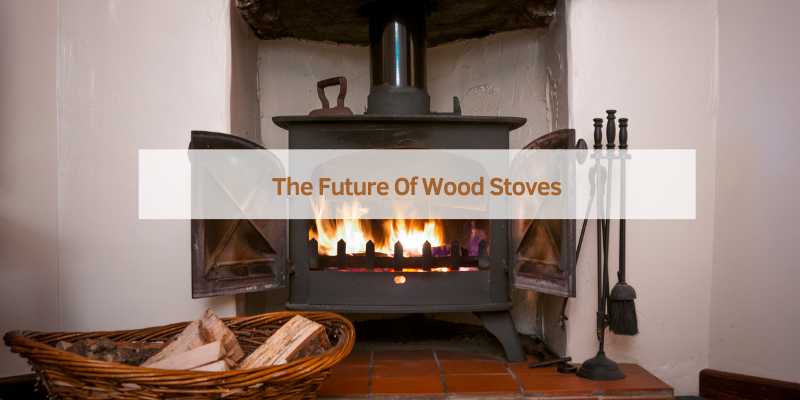
The Future Of Wood Stoves
Wood-burning stoves have come a long way from their traditional roots, and the future of wood stoves is looking brighter than ever. With advancements in technology and design, modern wood stoves are more efficient, eco-friendly, and stylish than their predecessors. Let’s delve into the innovations on the horizon and the role of smart technology in shaping the future of wood stoves.
Innovations On The Horizon
As the demand for sustainable heating solutions continues to grow, manufacturers are constantly innovating to enhance the performance and environmental impact of wood stoves. From improved combustion systems to advanced heat distribution mechanisms, the future of wood stoves is poised to deliver unprecedented efficiency and eco-consciousness.
The Role Of Smart Technology
Smart technology is revolutionizing the way we interact with wood stoves. With the integration of smart thermostats, remote controls, and automated dampers, wood stoves are becoming more convenient and user-friendly. These technological advancements not only improve the overall experience of using a wood stove but also contribute to greater energy efficiency and reduced emissions.
Frequently Asked Questions
What Is The Difference Between A Wood Stove And A Wood Stove Insert?
A wood stove is a standalone heating appliance, while a wood stove insert is designed to be installed into an existing fireplace.
Can You Put A Wood-burning Stove In Any House?
Yes, you can install a wood-burning stove in any house with proper ventilation and clearance.
Is Wood-burning Stove Worth The Money?
A wood-burning stove is worth the money as it provides warmth, ambiance, and cost savings on heating bills. It is a sustainable and efficient way to heat your home.
Can You Run A Wood-burning Stove Through A Wall?
No, it is not safe to run a wood-burning stove through a wall. A wood-burning stove requires a proper chimney or flue to vent the smoke and gases outside. Installing it through a wall can pose a fire hazard and may not meet building codes.
Always consult a professional installer for proper installation.
Conclusion
A built-in wood burning stove is a fantastic addition to any home in Austin, Texas. With its efficient heating capabilities and charming aesthetic, it offers a unique and cozy atmosphere. This type of stove provides a sustainable heating solution, as it utilizes wood as its fuel source.
It also adds value to the property and can potentially lower heating costs. Consider installing a built-in wood burning stove to enhance your home’s warmth and appeal.