Can You Burn Wood with Nails? The Real Risk Explained
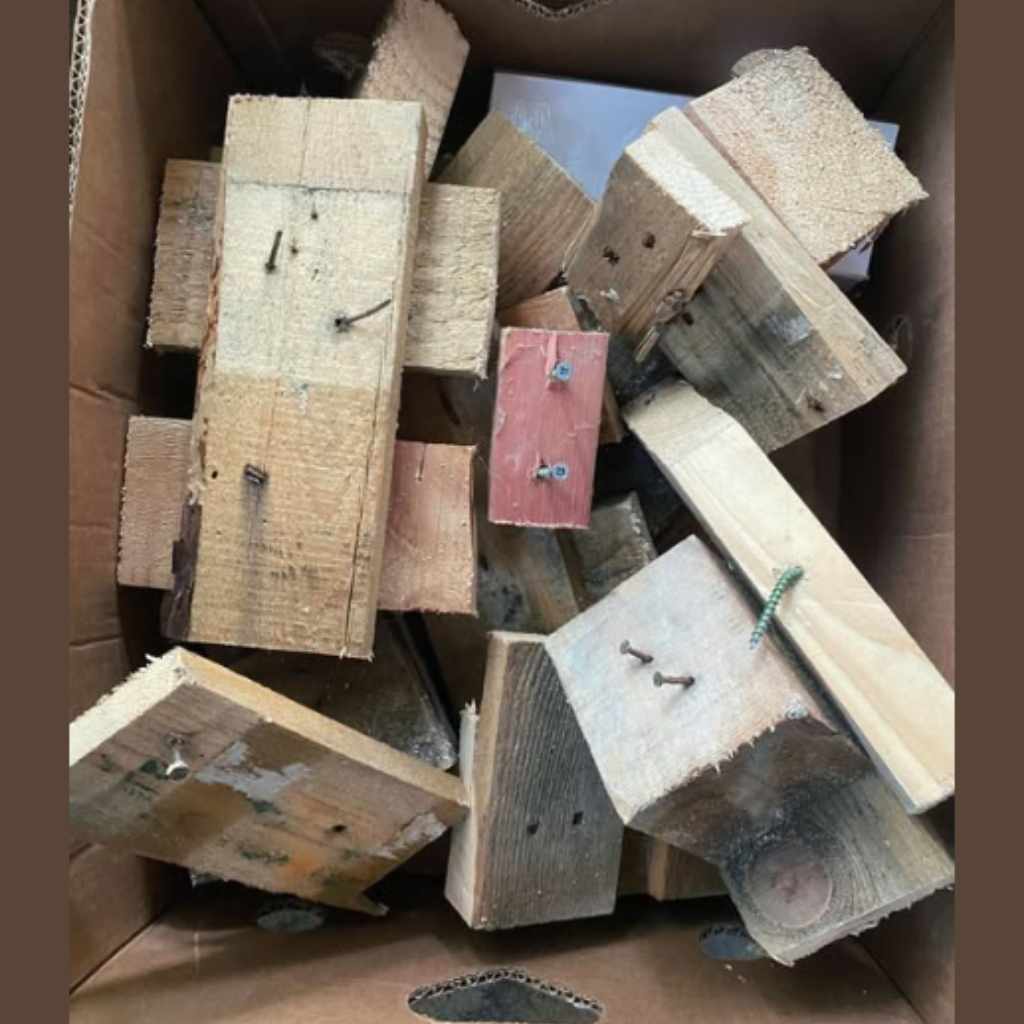
Yes, wood with nails burns — but the nails are the real hazard, not the wood. As the wood breaks apart in the fire, heated nails can eject outward like small projectiles, which is a genuine burn and eye-injury risk, not just a theoretical one. Galvanized nails also release zinc oxide fumes that can cause metal fume fever. This guide covers what actually happens when nail-embedded wood burns, the real risks in order of severity, and safer disposal alternatives.
What Happens When Wood With Nails Burns
Best Fire-Safety Glove Pick
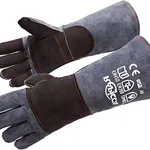 |
RAPICCA 932°F Fireproof Leather Gloves, 16in – $22.99 The long-cuff, heat-rated gloves this guide’s safety-gear section recommends if you’re tending a fire that might contain hardware.
|
As an Amazon Associate we earn from qualifying purchases.
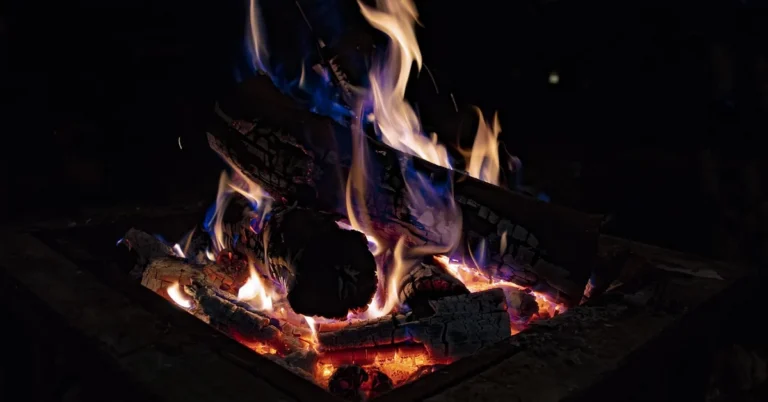
Wood heated in a fire undergoes pyrolysis — it decomposes and releases flammable gases like methane, hydrogen, and carbon monoxide, which ignite and sustain the flame, leaving charcoal behind. The rate of burning depends on wood species, moisture content, and available oxygen.
Steel nails have a far higher melting point than wood’s ignition temperature, so nails don’t melt or vanish in a typical wood fire — they heat up, conduct that heat through the surrounding wood, and can shift position as the wood around them chars and collapses. That shifting is what creates the main hazard covered next.
The Real Danger: Flying Nails, Not Explosions
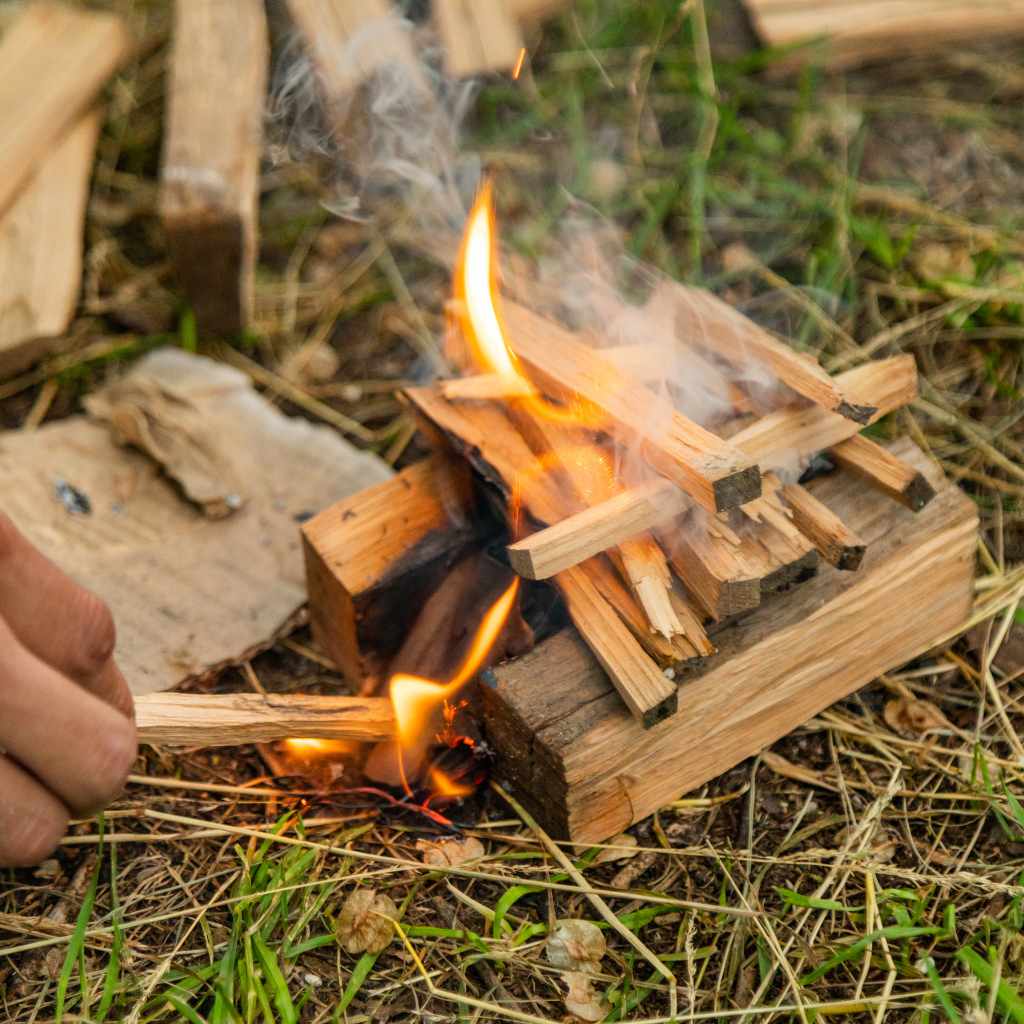
The primary safety concern with burning nail-embedded wood is projectile risk, not an explosion. As the wood chars and breaks apart, heated nails can become dislodged and eject outward with enough force to cause burns or eye injuries to anyone standing nearby — and outdoor wind can carry sparks and lightweight debris well beyond the fire ring, risking a secondary fire.
📊 Open burning of debris accounts for roughly 15% of wildfire causes nationally, and nearly 85% of U.S. wildland fires overall are human-caused. – Source: NFPA Wildland Fire Statistics
Other Risks: Toxic Fumes and Fire Spread
Galvanized (zinc-coated) nails and screws release zinc oxide fumes when heated to high temperatures, which can cause metal fume fever — flu-like symptoms from inhaling metal oxide particles. Burn nail-embedded wood only outdoors or with strong ventilation, never in an enclosed space.
Loose nails that fall out of the fire while still hot can also land on nearby dry grass, leaves, or other combustible material and start a secondary fire, or simply conduct enough heat to ignite something they’re resting against. Assess the surrounding area for flammable material before lighting the fire, not after.
How to Burn Wood With Nails Safely (If You Must)
Choose an Appropriate Burning Spot
- Clear a wide area of dry leaves, tall grass, and other flammable material around the fire.
- Pick a location away from structures, trees, and overhead power lines.
- Check wind direction — wind carries sparks and can push ejected nails further than you’d expect.
Use Proper Equipment and Gear
- Fire-resistant gloves, eye protection, and long-handled tools (tongs, poker, shovel) so you’re never reaching in by hand.
- Keep a hose or fire extinguisher within immediate reach.
- Stand back and to the side of the fire, not directly in front of it, while it’s actively burning down.
Safer Alternatives to Burning Nail-Embedded Wood
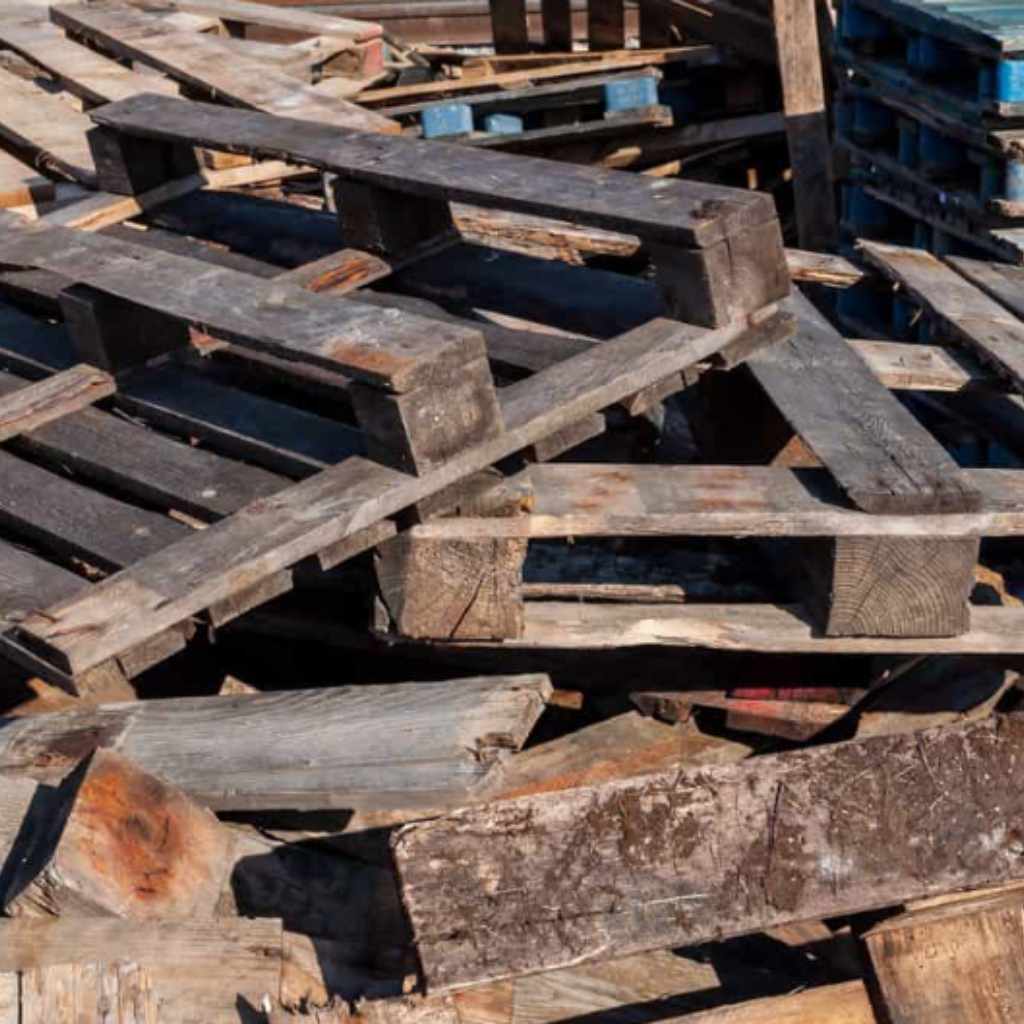
Recycling wood is the most eco-friendly option and prevents waste — check local programs that accept wood debris. Professional disposal services are equipped to handle materials with embedded metal safely and in line with environmental guidelines. If the wood is still structurally sound, repurposing it for a new project (after pulling the nails) avoids the fire risk entirely and keeps usable material out of the waste stream.
Pulling nails first with a hammer claw or a dedicated nail puller/cat’s paw takes a few extra minutes but removes the projectile risk completely — it’s the single most effective safety step covered in this guide.
What Can Go Wrong: Hypothetical Scenarios
The scenarios below are illustrative examples of how these risks play out in practice — not documented incidents — meant to make the abstract risks above concrete.
- Burning old fence posts with nails still in them, on a dry, windy day, without clearing the area first — an escaped spark or ejected nail lands in nearby dry grass and a small fire spreads before it can be contained.
- Tossing wooden pallets with embedded nails onto a campfire — as the pallets collapse, a heated nail ejects and causes a minor burn injury, ending the evening early.
- Burning construction scrap with nails on a windy job site — wind carries embers into a nearby wooded area, requiring a much larger response to contain than the original debris fire.
FAQ: Burning Wood With Nails
Can I burn wood with nails in a fire pit?
It’s generally not recommended. Even in a contained fire pit, heated nails can still eject as the wood burns and breaks apart, and burning any coated or galvanized hardware still releases fumes. It’s safer to pull the nails first.
What’s the best way to get rid of wood with nails?
Recycling programs or professional debris disposal services are the safest routes — they’re equipped to handle wood with embedded metal without the fire risk. Pulling the nails with a hammer or pry bar before burning is the next best option.
What safety gear should I use if I do burn wood with nails?
Fire-resistant gloves with a long cuff, safety glasses or a face shield, and long-handled tools (tongs, a shovel, a poker) so you’re never reaching close to the fire by hand. Keep a hose or fire extinguisher within reach.
Can nails in burning wood cause an explosion?
No — nails themselves don’t explode. What actually happens is trapped moisture or air pockets in the wood can cause a piece to suddenly pop or split as it burns, which can look and sound like a small explosion and fling a hot nail with it. The nail is a projectile hazard, not an explosive one.
Does the type of wood make burning nails any safer?
No. The species of wood doesn’t change the risk from the nails themselves — a nail in pine ejects with the same force as a nail in oak. What matters is removing the nails, not which wood they’re in.
Final Thoughts
Wood with nails burns the same as any wood — the nails are what make it risky, ejecting as projectiles and releasing fumes if galvanized. Pulling the nails first removes nearly all of the risk; if you can’t, burn outdoors, clear the area, wear fire-resistant gear, and keep a water source within reach.
Sponsored / affiliate links. As an Amazon Associate I earn from qualifying purchases. I may earn additional commission from eligible campaigns.