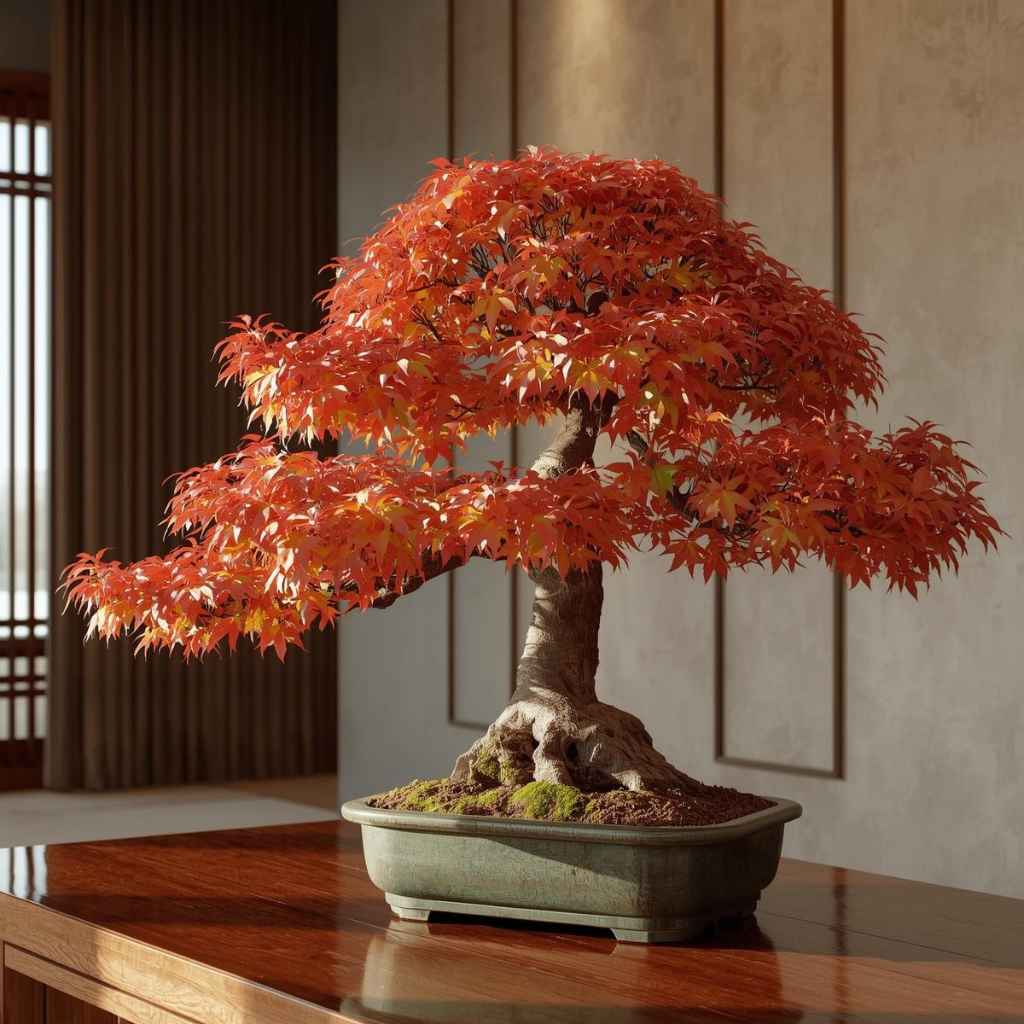
Can Japanese Maple Bonsai Be Kept Indoors Safely?
Many people wonder if they can keep their beautiful Japanese maple bonsai trees inside their homes. It’s a common question because these trees are so lovely, but they have specific needs that can make indoor living a bit tricky for beginners. Don’t worry, though! We’ll break down exactly what your tree needs to thrive and show you how to make it work. Get ready to learn the simple steps to keep your bonsai happy and healthy right in your house.
Can Japanese Maple Bonsai Be Kept Indoors Safely
Deciding whether to keep a Japanese maple bonsai indoors is a question many plant lovers ponder. These miniature trees are stunning, bringing a touch of nature’s artistry into a home. However, Japanese maples are deciduous trees native to temperate climates, meaning they naturally experience distinct seasons, including a cold winter dormancy period.
Replicating these essential environmental cues indoors can be challenging, leading to common concerns about their survival and well-being outside their natural habitat. This section explores the fundamental requirements of Japanese maples that influence their suitability for indoor cultivation and lays the groundwork for understanding the complexities involved. We will look at why they need what they need and what factors make them tricky for indoor growing.
Understanding Japanese Maple Needs
Japanese maples, scientifically known as Acer palmatum, have evolved over centuries to thrive in environments with specific seasonal changes. Their biology is closely tied to the rhythm of nature, requiring periods of cold to rest and prepare for new growth. This natural cycle is crucial for their long-term health and vigor. Without this rest, they can become stressed, weakening their immune systems and making them more susceptible to pests and diseases. Understanding these core needs is the first step in determining if indoor living is a viable option and, if so, how to best meet those requirements.
The temperature fluctuations, sunlight intensity, and even the natural cycle of leaf drop are all vital components of a Japanese maple’s life. When these elements are absent or improperly mimicked indoors, the tree can suffer. This isn’t to say it’s impossible, but it requires careful attention and a commitment to providing an environment that closely resembles their natural outdoor setting. We will explore the specific factors that contribute to their well-being and how to compensate for the limitations of an indoor environment.
The Importance of Dormancy
Dormancy is a critical biological process for many temperate plant species, including Japanese maples. During dormancy, which typically occurs in winter, the tree conserves energy and undergoes physiological changes necessary for its survival and future growth. Think of it as a long, deep sleep. This period allows the tree to recover from the stresses of the growing season, strengthen its root system, and prepare for the burst of new leaves and branches in the spring.
Without a sufficient period of cold temperatures, the tree’s natural dormancy cycle is disrupted. This disruption can lead to several problems. The tree may not be able to store enough energy, resulting in weaker growth in the following years. It might also fail to produce flowers or seeds, impacting its reproductive cycle. Furthermore, prolonged lack of dormancy can weaken the tree, making it more vulnerable to pests and diseases that might not typically affect a healthy, well-rested specimen.
Many indoor environments maintain a consistent, warm temperature year-round. This lack of cold exposure means the Japanese maple never truly gets the signal to go dormant. It’s like trying to sleep when the lights are always on and the room is always warm; it just doesn’t feel right for the body. This constant state of activity, without the necessary rest, can exhaust the tree over time, leading to a decline in its health and appearance.
For Japanese maple bonsai, this is especially important because their small size and confined root systems make them more sensitive to environmental changes. They don’t have the vast resources of a large tree to draw upon when stressed. Therefore, mimicking their natural outdoor dormancy is a key challenge for anyone attempting to keep them indoors long-term. The goal is to provide a period of reduced activity, lower temperatures, and less light, signaling the tree that winter has arrived.
Seasonal Light and Temperature Needs
Japanese maples are adapted to varying light and temperature conditions throughout the year. In spring and summer, they benefit from bright, indirect sunlight, which fuels photosynthesis and growth. However, during the hottest parts of the summer, direct, intense sunlight can scorch their delicate leaves. Fall brings cooler temperatures and shorter days, signaling the tree to prepare for dormancy, often accompanied by a spectacular display of red, orange, and yellow foliage.
Indoors, replicating these seasonal shifts is difficult. Most homes have consistent lighting and temperature, usually regulated to be comfortable for humans. This means the tree may not receive the increasing light intensity of spring or the decreasing light and cooler temperatures of autumn. The absence of these natural cues can confuse the tree’s biological clock.
For instance, a constant warm temperature indoors prevents the tree from experiencing the cooling it needs to initiate leaf drop and enter dormancy. Similarly, consistent artificial light, while providing some illumination, may not offer the full spectrum or intensity that a tree naturally receives outdoors, affecting its overall health and vigor.
The intensity of sunlight also changes significantly between seasons. Outdoor light is much stronger and more direct in summer than in winter. Indoor lighting, whether natural from a window or artificial, is often much less intense and doesn’t change much throughout the year. This lack of variation can be detrimental to a Japanese maple that relies on these changes for its natural cycles.
Understanding these specific light and temperature requirements helps us appreciate why keeping a Japanese maple bonsai indoors can be challenging. It’s not simply about providing water and light; it’s about mimicking the complex, seasonal environment that the tree has evolved to depend on. Successfully keeping one indoors requires an effort to create these variable conditions as best as possible.
Signs Your Indoor Japanese Maple Needs Help
Observing your Japanese maple bonsai for signs of distress is crucial when keeping it indoors. These trees communicate their needs through visual cues, and recognizing these signals early can prevent serious problems. When a tree is unhappy with its indoor environment, it will show you, much like a person might look tired or unwell. Pay close attention to changes in its leaves, branches, and overall appearance.
Early detection allows you to make adjustments before the situation becomes critical. For example, if the leaves are consistently wilting or turning brown prematurely, it suggests a problem with watering, light, or temperature. Similarly, a lack of vibrant new growth in spring might indicate insufficient dormancy or poor nutrition. Becoming a keen observer of your tree’s subtle signals is one of the most important skills for successful bonsai care, especially in an indoor setting where conditions are less forgiving.
Leaf Discoloration and Drop
Leaf discoloration is a primary indicator that something is wrong with your indoor Japanese maple. If the leaves are turning yellow, brown, or even black prematurely, it’s a red flag. Yellowing leaves can signal issues with watering (either too much or too little), nutrient deficiencies, or insufficient light. Brown tips or edges often point to dry air, inconsistent watering, or over-fertilization.
Unusual leaf drop can also be a sign of stress. While Japanese maples naturally drop their leaves in the fall as part of their dormancy cycle, excessive or out-of-season leaf drop can indicate problems. If your tree is losing leaves during the spring or summer growing season, it’s a clear sign that the environment is not meeting its needs. This could be due to shock from sudden temperature changes, overwatering leading to root rot, or a lack of essential nutrients.
It’s important to distinguish between natural seasonal leaf drop and stress-induced leaf loss. Natural leaf drop typically occurs gradually in autumn, with leaves changing color before falling. Stress-induced drop can be sudden, with leaves falling while still green or with minimal color change. Noticing these patterns helps in diagnosing the issue accurately.
For example, if your indoor Japanese maple starts dropping a significant number of leaves in late winter or early spring, it might be because it hasn’t experienced a proper cold dormancy period. The tree is trying to shed what it perceives as old growth without having gone through its natural rest. This can weaken it for the upcoming growing season.
Lack of New Growth or Weak Shoots
A healthy Japanese maple bonsai should show vigorous new growth during its active growing season, typically spring and summer. If you notice that your indoor tree is producing very little new growth, or the shoots are weak, thin, and spindly, it’s a sign of underlying problems. This lack of vigor can stem from several factors related to its indoor environment.
One common cause is insufficient dormancy. If the tree didn’t get a cold period, it won’t have the stored energy or the biological signals to produce strong new shoots. It’s like trying to run a marathon without resting; you just don’t have the stamina. This results in stunted or weak new growth that may not even survive.
Another reason for weak shoots could be inadequate light. While indoor lights might keep the tree alive, they may not provide the full spectrum or intensity required for robust photosynthesis. Photosynthesis is the process by which plants make their food, and if it’s not happening efficiently, the tree won’t have the energy to produce strong new growth.
Overwatering can also lead to weak shoots. If the roots are constantly waterlogged, they cannot effectively absorb nutrients and oxygen, starving the plant and resulting in poor growth. Pests and diseases, which can be more prevalent in indoor environments with less air circulation, can also weaken the tree and hinder its ability to produce healthy new shoots. Identifying the cause requires careful observation of all the tree’s conditions.
Pest and Disease Infestations
Indoor environments can sometimes be breeding grounds for pests and diseases, especially if air circulation is poor. Japanese maples, even healthy ones, can be susceptible to certain common pests like spider mites, aphids, and scale insects. When a tree is already stressed from an unsuitable indoor environment, it becomes even more vulnerable to these invaders.
Spider mites, for instance, thrive in dry, warm conditions, which are common indoors. They spin fine webs and feed on sap, weakening the leaves. Aphids and scale insects also feed on plant sap, causing stunted growth and discoloration. If left unchecked, these pests can quickly multiply and severely damage the tree.
Diseases, such as fungal infections, can also pose a threat. Overwatering, poor air circulation, and high humidity can create conditions favorable for fungal growth. Root rot, a common fungal disease, is often caused by consistently waterlogged soil. Symptoms include wilting, yellowing leaves, and a general decline in the tree’s health.
Keeping your Japanese maple bonsai indoors requires vigilance in monitoring for these pests and diseases. Early detection and prompt treatment are essential. A healthy, well-cared-for tree is naturally more resistant, but an indoor setting can present unique challenges that require proactive management. Regular inspection of leaves, stems, and soil can help catch problems before they become severe.
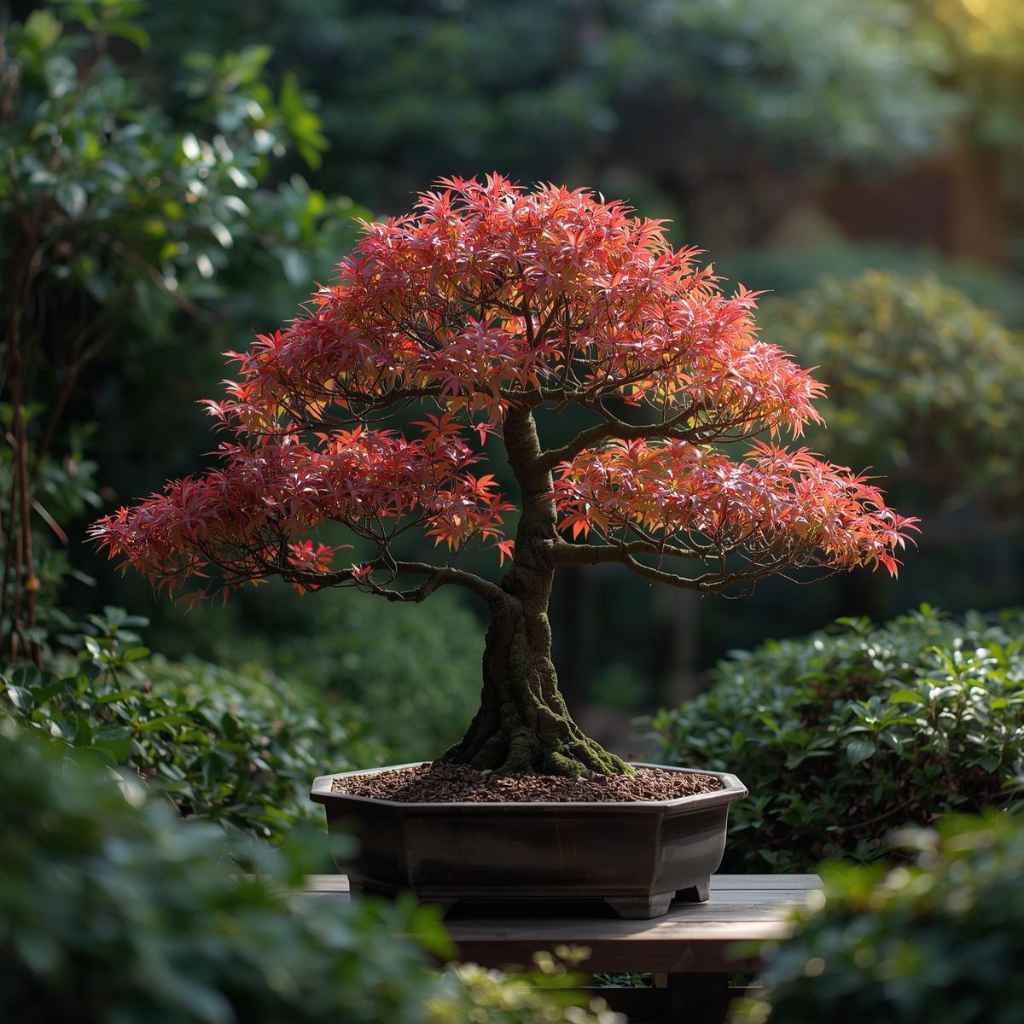
Can Japanese Maple Bonsai Be Kept Indoors Safely
The question of whether Japanese maple bonsai can be kept indoors safely is complex and often leads to a nuanced answer. While it is technically possible to keep a Japanese maple bonsai alive indoors, it is generally not recommended for long-term health and vitality. These trees are temperate climate plants with specific needs that are difficult to replicate consistently within a typical home environment. Their requirement for a cold winter dormancy period is perhaps the most significant obstacle. Without this crucial rest, the tree’s natural cycles are disrupted, leading to stress, reduced vigor, and increased susceptibility to problems.
This section delves into the primary reasons why indoor cultivation is challenging and explores the conditions that would need to be met for a Japanese maple to survive, albeit perhaps not thrive, indoors. We will discuss the essential environmental factors, the risks involved, and what successful, though often temporary, indoor keeping might look like. The focus is on providing realistic expectations and practical insights for those determined to try.
Mimicking Outdoor Conditions Indoors
Replicating the outdoor environment for a Japanese maple bonsai indoors is a significant undertaking. It requires careful attention to detail and a commitment to creating variable conditions that mimic the natural seasons. This isn’t just about putting the tree in a sunny spot and watering it; it involves actively managing light, temperature, humidity, and air circulation to support the tree’s biological needs.
The goal is to provide the tree with the cues it needs to go through its natural life cycle. This includes periods of growth, rest, and dormancy. Without these cues, the tree can become confused and stressed, impacting its health and longevity. Think of it as trying to help a friend sleep by turning down the lights and temperature at night, rather than keeping everything bright and warm all the time.
Light Requirements and Solutions
Japanese maples need adequate light for photosynthesis, the process by which they create energy from sunlight. Indoors, achieving the right amount and type of light can be a challenge. Most homes do not receive enough natural sunlight for a Japanese maple to thrive year-round, especially during the shorter days of winter.
A bright, south-facing window can provide some light, but it may not be sufficient, and direct sun through glass can sometimes overheat the leaves. Therefore, supplemental lighting is often necessary. Full-spectrum grow lights are the best option, as they mimic natural sunlight and provide the necessary wavelengths for healthy plant growth.
When using grow lights, it’s important to position them at the correct distance from the tree. Too close, and they can scorch the leaves; too far, and they won’t provide enough intensity. Researching the specific light requirements for your grow light model and the species of Japanese maple you have is essential.
Also, consider the duration of light. During the growing season, Japanese maples benefit from long days. During dormancy, they need shorter days with less intense light. This means manually adjusting grow lights or moving the tree to different locations to simulate these seasonal changes. This level of management is quite involved and requires consistent effort.
For instance, a common approach is to use grow lights for 10-12 hours a day during the active growing season and then reduce the duration to 8-10 hours during the supposed dormancy period. The intensity of the light might also be reduced. This artificial manipulation of light cycles is an attempt to trick the tree into behaving as it would outdoors.
Temperature Management and Dormancy
Temperature is perhaps the most critical factor that makes keeping Japanese maples indoors difficult, especially concerning dormancy. Japanese maples are temperate zone trees and require a period of cold temperatures each year to undergo their natural dormancy. This cold period is essential for their long-term health.
Typical indoor home temperatures, usually ranging from 65-75°F (18-24°C), are too warm for Japanese maples to properly enter dormancy. Without this cold exposure, the tree remains in a semi-active state, which depletes its energy reserves and prevents it from resting and rejuvenating. This can lead to weakened growth, reduced flowering, and increased susceptibility to diseases and pests in subsequent seasons.
To provide the necessary dormancy period indoors, you would ideally need to move the tree to a cool, unheated space like a garage, shed, or even an unheated sunroom. This location should ideally maintain temperatures between 30-45°F (-1°C to 7°C) for at least 8-12 weeks. During this time, the tree needs reduced watering and less light.
However, this process is not without its risks. If the temperature drops too low and freezes the roots solid, or if the unheated space experiences extreme temperature fluctuations, it can damage or kill the tree. Finding a stable, cool environment that provides consistent cold without being excessively harsh is the main challenge.
Some enthusiasts attempt a “cool room” approach, where a spare room is kept at consistently cooler temperatures. However, even cooler rooms often don’t reach the necessary sustained low temperatures for true dormancy. This is why most bonsai experts recommend keeping Japanese maples outdoors year-round, allowing them to experience natural seasonal changes.
A realistic scenario for attempted indoor dormancy might involve placing the bonsai in a garage that stays consistently above freezing but below 45°F. Watering would be minimal, perhaps once every few weeks, just enough to keep the soil from drying out completely. The garage would also need some natural light or a low-intensity grow light for a few hours a day. This is a compromise, and the tree might not achieve as deep or effective a dormancy as it would outdoors.
Humidity and Air Circulation
Indoor environments, especially those with heating or air conditioning, tend to be much drier than outdoor conditions. Japanese maples, like many plants, prefer a certain level of humidity to thrive. Low humidity can cause leaf tips to dry out, leaves to wilt, and can make the tree more susceptible to certain pests like spider mites.
To increase humidity around an indoor Japanese maple, you can use a humidity tray. This is a shallow tray filled with pebbles and water. The pot sits on the pebbles, and as the water evaporates, it increases the humidity around the tree. Misting the leaves can provide a temporary boost, but it’s not a long-term solution and can sometimes encourage fungal diseases if done improperly.
Good air circulation is also vital for the health of any plant, including bonsai. Stagnant air indoors can promote the growth of fungi and bacteria, leading to diseases. It also prevents the plant from getting fresh air needed for respiration.
You can improve air circulation by opening windows periodically, using a small fan on a low setting to gently circulate the air around the tree, or by ensuring the bonsai is not placed in a corner where air can become trapped. Proper airflow helps to prevent moisture buildup on leaves and soil, reducing the risk of fungal infections.
For example, a bonsai kept in a bathroom that is frequently used can benefit from the natural humidity but may suffer from poor air circulation if the exhaust fan is not used regularly. Conversely, a tree placed near a constantly running air conditioner will likely suffer from low humidity and lack of fresh air. Balancing these elements requires understanding the specific microclimate of your home.
Risks of Keeping Japanese Maple Bonsai Indoors
Keeping a Japanese maple bonsai indoors, particularly year-round, carries significant risks that can impact the tree’s health and longevity. The fundamental challenge lies in the inability of most indoor environments to fully replicate the natural conditions that these trees require to thrive. This mismatch can lead to a cascade of problems, diminishing the tree’s vitality and potentially leading to its demise.
The most profound risk is the disruption of the dormancy cycle. Without a cold period, the tree doesn’t rest, which is essential for its long-term health. This leads to exhaustion and a weakened state. Furthermore, the consistent temperatures and often dry air indoors can create an environment where pests and diseases flourish, finding a stressed tree an easy target.
Reduced Vigor and Longevity
When Japanese maple bonsai are kept indoors without adequate dormancy, they begin to lose their natural vigor. The tree doesn’t get the chance to truly rest and recuperate from the growing season. This means it expends energy year-round without the necessary period of replenishment that dormancy provides.
Over time, this consistent, unseasonal activity without rest can deplete the tree’s energy reserves. As a result, new growth becomes weaker, leaves may be smaller or less vibrant, and the tree might appear perpetually tired. It’s like someone trying to work a full-time job without any vacation days; eventually, they will burn out.
This reduced vigor also impacts the tree’s ability to withstand stress. A healthy, well-rested tree is more resilient to environmental changes, pests, and diseases. A tree that is constantly struggling to adapt to an unnatural indoor environment is far more vulnerable.
Longevity is also a major concern. While a Japanese maple kept outdoors in suitable conditions can live for many decades, even centuries, an indoor Japanese maple kept without proper dormancy is unlikely to achieve such a lifespan. It may survive for a few years, but its vitality will likely decline progressively, leading to a significantly shortened life. The bonsai may never reach its full potential for beauty and form under these conditions.
Increased Susceptibility to Pests and Diseases
As mentioned earlier, indoor environments can be problematic for Japanese maples in terms of pests and diseases. When a tree is stressed due to lack of dormancy, improper light, or inconsistent watering, its natural defenses are weakened. This makes it an easier target for common indoor pests and diseases.
For instance, spider mites thrive in dry, warm indoor conditions. A Japanese maple suffering from low humidity will be more prone to an infestation. Aphids and scale insects can also find indoor trees a convenient food source, especially if there’s limited natural predation that would occur outdoors.
Diseases like fungal infections, particularly root rot, are also a significant risk. Overwatering, which can happen if one is unsure about the tree’s needs in an indoor setting, combined with poor air circulation, creates the perfect breeding ground for fungi. The tree’s weakened state further exacerbates its ability to fight off these infections.
A Japanese maple that is consistently struggling to adapt to its indoor environment is in a perpetual state of stress. This stress compromises its immune system, making it far more susceptible to infestations and diseases that might not even affect a healthy, outdoor specimen. Early detection and intervention are key, but prevention through a more suitable environment is always the best strategy.
The “Temporary Indoor” Approach
Given the challenges, many bonsai enthusiasts opt for a “temporary indoor” approach for their Japanese maple bonsai. This involves keeping the tree indoors for specific periods, usually during the colder months to protect it from extreme frost, and then moving it outdoors when temperatures are more favorable. This hybrid approach attempts to offer some protection while still allowing the tree to experience some natural seasonal cues.
However, even this approach requires careful planning. If the tree is brought indoors too early, before it has naturally started to enter dormancy (i.e., before its leaves have changed color and begun to drop), it can disrupt the process. Similarly, if it’s brought back outdoors too late, after it has already started to bud, it can shock the tree.
The ideal scenario for a temporary indoor period is when the outdoor temperatures consistently drop below freezing, but not excessively so, and the tree has already begun its natural autumn decline. The indoor location should be cool, bright, and as close to outdoor conditions as possible. After the threat of hard frost has passed in spring, the tree can be moved back outdoors.
Even with this strategy, vigilance is required. The transition periods between indoors and outdoors are critical. The tree needs to be gradually acclimatized to the changing conditions to avoid shock. This approach is more about protecting the tree from severe cold than about truly replicating an indoor lifestyle, and it still necessitates a significant period spent outdoors.
Can Japanese Maple Bonsai Be Kept Indoors Safely The Challenges
This section delves into the specific difficulties encountered when trying to keep Japanese maple bonsai indoors safely. While the idea is appealing, several environmental and biological factors make it a challenging endeavor. The primary issue revolves around the tree’s natural need for seasonal changes, particularly a cold dormancy period, which is rarely met in a typical home setting. Understanding these challenges is key to appreciating why indoor care for this species requires significant effort and might not always result in optimal health for the tree. We will explore the specific environmental elements that are hard to replicate and the biological processes that get disrupted.
The Necessity of a Cold Dormancy Period
Japanese maples, being deciduous trees from temperate climates, have evolved to require a period of cold temperatures each year. This period is known as dormancy. During dormancy, the tree effectively shuts down its growth processes and conserves energy. This rest is not optional; it’s a fundamental biological requirement for its long-term survival and health.
Think of it like sleep for humans. We need sleep to recover, repair, and prepare for the next day. Similarly, a Japanese maple needs its winter rest to recover from the demands of the growing season, strengthen its root system, and prepare for the vigorous new growth of spring. Without this rest, the tree becomes exhausted.
The cold temperatures signal to the tree that winter has arrived and it’s time to rest. This signal triggers physiological changes within the tree that are essential for its survival and subsequent growth. Without these changes, the tree remains in a state of prolonged activity, which is unnatural and stressful for it.
What Happens Without Dormancy
When a Japanese maple bonsai is kept indoors year-round and does not experience a cold dormancy period, several detrimental effects can occur. The most significant is the disruption of its natural life cycle. The tree doesn’t receive the “wake-up call” from the cold that tells it to prepare for spring growth.
Instead, it may remain in a state of perpetual, weak activity. This constant, low-level activity without proper rest depletes the tree’s energy reserves. It’s like trying to keep a car engine running at idle speed for months on end; it’s inefficient and wears down the engine.
The lack of dormancy can lead to several visible problems. New shoots may be weak and leggy. Leaves might be smaller and less vibrant than they would be on an outdoor tree. The tree might also fail to produce flowers or seeds, as its reproductive cycle is disrupted. In severe cases, the tree may eventually weaken to the point of decline and death.
Furthermore, a tree that has not experienced proper dormancy is less able to fight off pests and diseases. Its immune system is compromised due to stress and lack of energy. This makes it a more attractive target for common indoor pests like spider mites and aphids, as well as diseases like fungal infections.
Mimicking Dormancy Indoors
Attempting to mimic dormancy indoors is extremely challenging and often unsuccessful for Japanese maples. True dormancy requires a sustained period of cold temperatures, typically between 30°F and 45°F (-1°C and 7°C), for at least 8 to 12 weeks. While some homes might have a cool basement or an unheated garage, these spaces often lack stability or the necessary temperature range.
The ideal indoor dormancy setup would involve placing the bonsai in a location that experiences these temperatures consistently. This could be an unheated garage, a cold frame, or even a very cool, dimly lit room. However, it’s crucial to ensure that the temperatures do not drop too low, which could freeze the roots and kill the tree.
During this period, watering needs to be drastically reduced. The soil should be kept slightly moist but never wet, as the tree’s metabolic rate is very low, and it doesn’t need much water. Light exposure should also be minimal, as the tree is not actively photosynthesizing.
A common mistake is to bring the tree indoors too early in the fall, before it has naturally begun to shed its leaves and signal dormancy. This can confuse the tree and prevent it from entering a proper rest. Similarly, bringing it out too early in spring, before the danger of hard frost has passed, can shock it.
A realistic scenario for an attempt at indoor dormancy might involve a garage that stays between 35°F and 45°F for several months. The tree would be placed on a shelf, watered sparingly every few weeks, and receive minimal light. Even then, it’s a compromise, as the natural fluctuations and light cycles of the outdoors are hard to replicate.
Environmental Factors Difficult to Replicate
Beyond dormancy, several other environmental factors that Japanese maples naturally experience outdoors are difficult to replicate indoors, contributing to the challenges of indoor cultivation. These factors are crucial for the tree’s overall health and development.
Humidity Levels
Indoor environments, especially during winter when heating systems are running, tend to be very dry. Japanese maples prefer higher humidity levels than what is typically found in most homes. Low humidity can lead to several problems, including dry leaf edges, wilting, and an increased susceptibility to pests like spider mites, which thrive in dry conditions.
To combat this, a humidity tray filled with pebbles and water can be used. The bonsai pot sits on the pebbles, and as water evaporates, it increases the local humidity around the tree. Misting the leaves can offer a temporary boost, but it’s not a sustained solution and can sometimes promote fungal growth if done too frequently or in poorly ventilated areas.
Air Circulation
Good air circulation is vital for plants. It helps to prevent fungal diseases by drying out leaves and soil, and it provides the tree with fresh air for respiration. Indoor environments can often have stagnant air, especially in corners or rooms that are not frequently used.
Lack of air circulation can trap moisture, creating an ideal environment for mold and fungal growth. It can also reduce the exchange of gases, impacting the tree’s ability to respire properly.
Natural Sunlight Variation
The intensity, duration, and angle of natural sunlight change significantly throughout the year. While a sunny windowsill can provide some light, it often doesn’t match the intensity or full spectrum of outdoor sunlight, especially during the crucial spring and summer growing months. Indoor artificial lighting can supplement this, but perfectly mimicking natural sunlight is complex.
The angle of the sun changes seasonally, affecting how much direct light reaches the tree. Outdoor light is also much more powerful and covers a broader spectrum of wavelengths essential for plant growth. Indoor lighting, even grow lights, may not fully replicate this.
Potential for Pests and Diseases
The combination of weakened trees due to improper dormancy and an indoor environment with potentially stagnant air and consistent temperatures can create a perfect storm for pests and diseases.
Pests like spider mites, mealybugs, and aphids can quickly infest an indoor Japanese maple that is already stressed. Their ability to reproduce rapidly in favorable indoor conditions can lead to severe infestations before they are noticed.
Fungal diseases, such as root rot, are also a significant concern. Overwatering, which can be a common issue when owners are unsure about their indoor bonsai’s needs, combined with poor air circulation, creates the ideal conditions for these pathogens to thrive. A stressed tree, with its compromised immune system, is less able to fight off these invaders.
This increased susceptibility means that indoor Japanese maples require constant monitoring. Regular inspections for signs of pests or diseases are essential. If an infestation or disease is detected, prompt and appropriate treatment is necessary to save the tree.
Can Japanese Maple Bonsai Be Kept Indoors Safely The Expert View
When experts discuss keeping Japanese maple bonsai indoors, the consensus leans towards caution and understanding the limitations. They emphasize that while a Japanese maple can survive indoors for a period, it is generally not the ideal long-term environment for the tree’s optimal health and longevity.
The primary concern is the tree’s biological need for seasonal changes, particularly a distinct cold dormancy period, which is difficult to replicate effectively inside a home. This section will explore the general recommendations from bonsai experts and discuss why these specific trees are typically better suited for outdoor cultivation.
Bonsai Master Recommendations
Leading bonsai practitioners and enthusiasts generally agree that Japanese maples, due to their deciduous nature and need for a cold winter rest, are best kept outdoors year-round. They advocate for allowing these trees to experience the natural progression of seasons, which is fundamental to their health and vigorous growth. Forcing them to remain indoors for extended periods often leads to a decline in vigor and a compromised immune system.
Masters often describe the “outdoor bonsai” and “indoor bonsai” categories. Japanese maples unequivocally fall into the “outdoor” category. This means they need exposure to natural light cycles, temperature fluctuations, and the cooling that signals dormancy. Trying to force an outdoor bonsai to live indoors is akin to asking a creature of the mountains to live in the desert; it can survive for a while, but it will never truly thrive.
The practice of bringing certain outdoor bonsai indoors for a limited time, usually for display during winter when they might be dormant but still visually appealing, is common. However, this is a temporary measure, and the tree is always returned to its outdoor environment as soon as conditions allow or as the growing season approaches. Prolonged indoor living is generally discouraged.
The “Outdoor Bonsai” Designation
Bonsai are often categorized into “outdoor” and “indoor” types based on their environmental needs. Outdoor bonsai are species that naturally grow in temperate climates and require exposure to the elements, including distinct seasons. Japanese maples are quintessential outdoor bonsai.
These trees depend on natural light, temperature fluctuations, and crucially, a period of cold weather to induce dormancy. This dormancy is not just a passive rest but an active physiological process that prepares the tree for the next growing season. It allows the tree to conserve energy, reset its biological clock, and strengthen its structure.
Indoor bonsai, on the other hand, are typically tropical or subtropical species that are adapted to consistent, warm temperatures and high humidity year-round. These trees do not require a cold dormancy period and can thrive in the stable conditions often found inside homes. Examples include Ficus, Schefflera, and some varieties of Juniper.
Trying to keep an outdoor bonsai like a Japanese maple indoors for extended periods means you are constantly fighting against its natural biological programming. You are essentially trying to override its innate need for seasonal change. This constant struggle often leads to the tree’s decline because the indoor environment cannot adequately provide what it naturally seeks outdoors.
Why Outdoor is Generally Better
Keeping Japanese maple bonsai outdoors provides them with the most natural and beneficial environment for their health. The changing lengths of daylight throughout the year signal to the tree when to grow and when to rest. The natural temperature fluctuations, from warm summers to cool autumns and cold winters, provide the cues necessary for robust growth and a proper dormancy period.
Outdoor conditions also provide superior natural lighting. The intensity and spectrum of sunlight are much more conducive to photosynthesis than what can typically be achieved indoors, even with supplemental lighting. Furthermore, natural rainfall and ambient humidity levels are usually more appropriate for the tree’s needs.
The risk of pests and diseases, while present outdoors, is often managed by a balanced ecosystem. Natural predators can help control pest populations, and good air circulation from wind helps to keep foliage dry and less prone to fungal infections.
While protecting a Japanese maple from extreme winter cold is sometimes necessary, especially in very harsh climates, the goal is usually to provide a sheltered but still cold environment, not a warm indoor one. This balance allows the tree to experience the necessary cold without suffering damage from deep freezes. The benefits of natural light, air, and seasonal changes overwhelmingly favor outdoor cultivation for this species.
The Role of Professional Growers
Professional growers often have specialized facilities that allow them to provide the precise conditions that Japanese maple bonsai need, even when growing them on a larger scale or preparing them for sale. These facilities might include unheated greenhouses, cold frames, or outdoor growing yards where the trees can experience natural seasonal changes.
They understand the critical importance of dormancy and will ensure their trees receive it. They also have sophisticated systems for managing light, water, and pest control. Their expertise and resources allow them to overcome many of the challenges that a home grower might face.
For instance, a professional grower might use overwintering structures that provide protection from extreme cold but still allow the trees to experience sub-freezing temperatures for the required duration. They also have the knowledge to identify and treat pests and diseases promptly before they can cause significant damage.
The techniques used by professional growers are often a good source of information for home growers, but it’s important to remember that replicating these conditions in a typical home setting can be difficult. Their success is often due to environments specifically designed for plant cultivation, not general indoor living spaces.
Controlled Overwintering Techniques
Professional growers employ various techniques to ensure their Japanese maple bonsai undergo a proper dormancy period. One common method is using unheated greenhouses or hoop houses. These structures offer protection from harsh winds and heavy snow while still allowing the temperature to drop significantly, often below freezing.
Another method involves using cold frames, which are essentially protected outdoor boxes with clear lids. These provide a microclimate that is cooler than the surrounding air but warmer than a full freeze, offering a stable environment for dormancy.
In regions with very harsh winters, growers might move their bonsai into unheated sheds or garages where temperatures are consistently cool but above freezing. They ensure these locations still receive some natural light or use low-intensity grow lights for a few hours a day. Watering is minimal during this period, just enough to prevent the soil from completely drying out.
These controlled overwintering techniques are designed to mimic natural winter conditions as closely as possible without exposing the trees to damaging extremes. The goal is always to facilitate a true resting period that is essential for the tree’s vitality in the following growing season.
When Indoor Care Might Be Necessary
Despite the general recommendation for outdoor keeping, there are specific situations where temporary indoor care for a Japanese maple bonsai might be considered. These are usually situations where the tree’s survival is at risk due to extreme outdoor conditions that cannot be mitigated.
Protection from Extreme Cold
In regions with exceptionally harsh winters, where temperatures consistently drop far below what a Japanese maple can tolerate, bringing the tree indoors for a period may be a necessary survival measure. However, this is usually a last resort and requires careful management to avoid disrupting the dormancy process too severely.
The goal here is not to keep the tree warm and actively growing, but to provide a protected environment that is cooler than a typical home but warmer than the lethal outdoor temperatures. An unheated garage or a cool basement is often the best option.
The tree should be placed in a location that is as cool as possible, ideally between 30°F and 45°F (-1°C to 7°C). Watering should be kept to an absolute minimum, and light exposure should be limited. The aim is to keep the tree in a state of deep dormancy, protected from the killing cold.
Temporary Display Purposes
Some enthusiasts may bring their Japanese maple bonsai indoors for short periods for aesthetic display, particularly during the winter months when the tree’s bare branches can have a sculptural beauty. This is typically done for a few weeks at most, and the tree is returned outdoors as soon as possible.
During this indoor period, the tree is still kept in a cool, bright location, and its dormancy cycle is carefully managed. The objective is not to encourage new growth but to showcase the tree’s form. The transition back outdoors must be handled with care to avoid shocking the tree.
Moving to a More Suitable Climate
If a Japanese maple bonsai is in a climate that is too hot and humid for it to survive, or too cold for it to get adequate dormancy, moving it to a more suitable climate might be necessary. This could involve transporting the tree to a location with more appropriate seasonal changes.
This is a more drastic measure, often undertaken by experienced growers or when relocating. The aim is to place the tree in an environment where it can naturally experience the conditions it needs to thrive.
Frequently Asked Questions
Question: Can a Japanese Maple Bonsai survive indoors permanently
Answer: While a Japanese Maple Bonsai can technically survive indoors for a short period, permanent indoor living is not recommended. They need a cold dormancy period that most homes cannot provide, leading to stress and potential decline.
Question: What are the signs my indoor Japanese Maple is unhappy
Answer: Signs include yellowing or browning leaves, premature leaf drop, weak or leggy new growth, and the appearance of pests or diseases. These indicate the indoor environment isn’t meeting its needs.
Question: How can I provide a dormancy period for my indoor Japanese Maple
Answer: The best way is to move it to a cool, unheated space like a garage or unheated sunroom that stays between 30-45°F (-1-7°C) for 8-12 weeks, with reduced watering and light.
Question: Is it better to keep a Japanese Maple Bonsai indoors or outdoors
Answer: It is significantly better to keep a Japanese Maple Bonsai outdoors year-round. They are outdoor trees that require natural seasonal changes to thrive and maintain their health.
Question: Can I grow a Japanese Maple Bonsai from seed indoors
Answer: Growing a Japanese Maple Bonsai from seed is a long process, and for the seedling to mature into a healthy bonsai, it will eventually need outdoor conditions and seasonal changes, making permanent indoor growth unsuitable.
Conclusion
Keeping a Japanese Maple Bonsai indoors safely is indeed challenging. These trees require specific outdoor conditions, especially a cold winter dormancy, which is hard to replicate inside. While temporary indoor care for protection or display is possible with careful management, permanent indoor living is generally not advisable for their long-term health. Prioritize outdoor conditions for your Japanese Maple Bonsai to ensure it thrives.