Can You Eat Maple Seeds? Yes, Except From Box Elder Trees
Yes, you can eat the seeds of most maple trees. The immature green kernel tucked inside the papery “helicopter” wing is edible once it’s rinsed, de-winged, and boiled briefly to cut the tannins. The one major exception: skip seeds from box elder (Acer negundo) and sycamore maple entirely — both contain a documented toxin called hypoglycin A, the same compound responsible for Jamaican vomiting sickness from unripe ackee fruit.
Ever looked up at a maple tree in late spring and noticed it’s suddenly covered in little green propellers? Those are samaras, and most people walk right past them assuming they’re just squirrel food. They’re not — with the right species and a little prep, they’re a genuinely edible wild snack. But “most maple species” isn’t “all maple species,” and getting that distinction wrong is the one mistake that actually matters here. This guide covers exactly which trees are safe, how to harvest and prepare the seeds, and — just as important — which maple you should never pick from.
Understanding Maple Seeds: Nature’s Little Helicopters
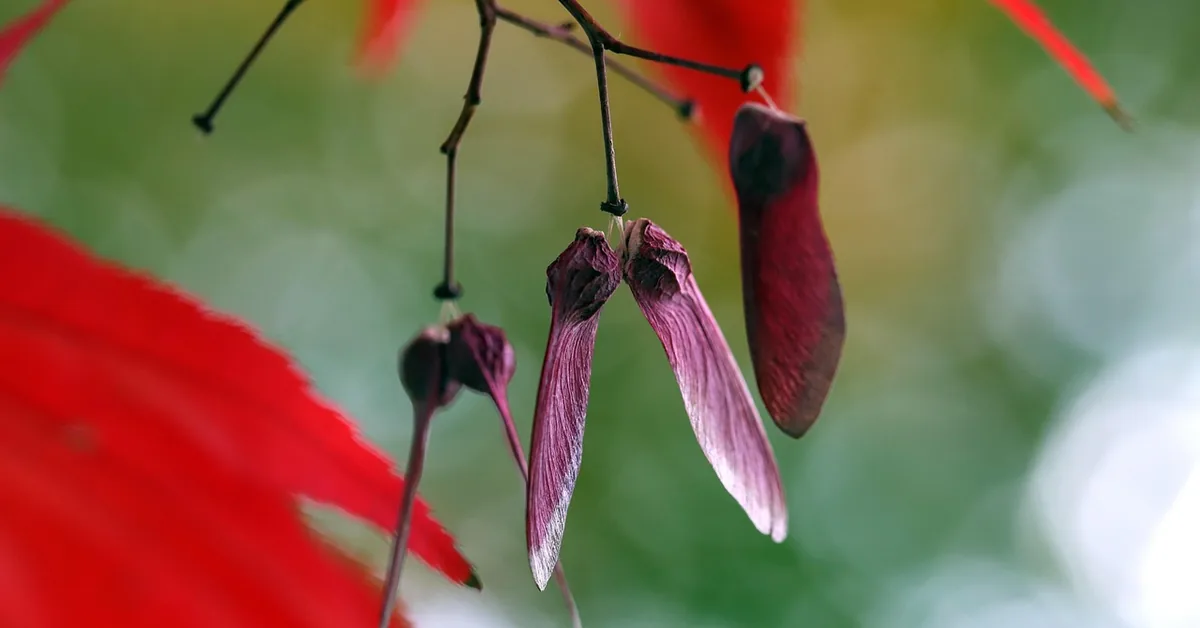
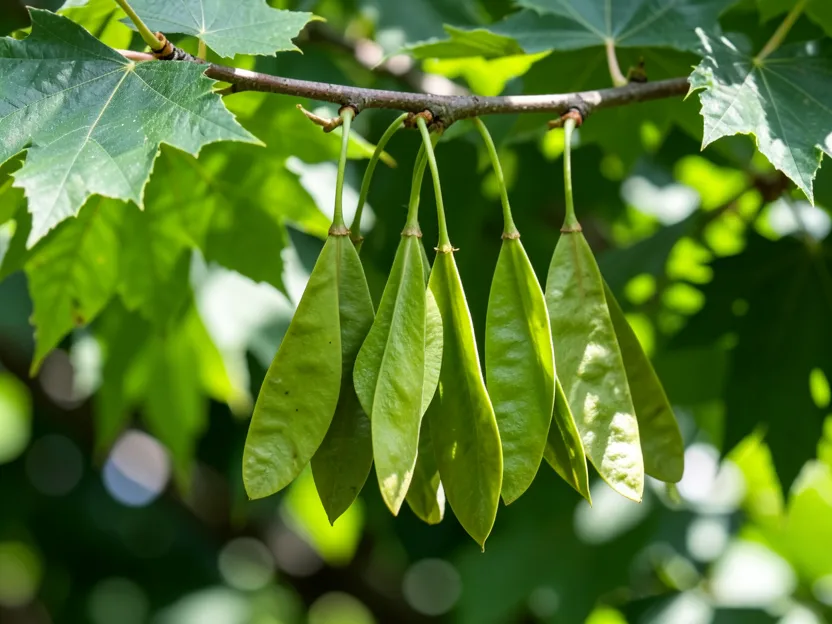
Maple seeds, botanically called samaras, are the winged fruits produced by maple trees (genus Acer). The wing spins the seed like a helicopter blade as it falls, carrying it away from the shade of the parent tree — a dispersal trick that also makes the seed easy to spot dangling in twos from the branch tips every May and June. Not every species in this genus is treated the same way in foraging guides, though, and identification is the one step you can’t skip.
Best Foraging ID Guide
 |
Peterson Field Guide to Edible Wild Plants – $22.62 Before you eat anything you picked off a tree, confirm it’s not box elder — this is the guide we’d actually bring along to do that.
|
Identifying Edible Maple Varieties
These are the species foragers commonly harvest for seed:
- Sugar Maple (Acer saccharum): The syrup tree — its seeds are edible too.
- Red Maple (Acer rubrum): Widespread across the eastern U.S.; seeds run a bit more tannic than sugar maple, so lean on the boiling step below.
- Silver Maple (Acer saccharinum): Fast-growing, deeply lobed leaves, and some of the largest, easiest-to-harvest samaras of any maple.
- Norway Maple (Acer platanoides): Common in urban plantings; edible, though it’s an introduced species considered invasive in parts of the northeastern U.S.
Look for the paired wings first. It’s the small, immature seed at the base of that wing you’re after — the papery wing itself gets discarded, not eaten.
What Part of the Maple Seed Do You Eat?
You’re not chewing through the woody wing. The edible part is the small, underdeveloped kernel at the base of the wing — the part that would eventually become the embryo of a new tree. It’s best picked while the whole samara is still green, typically from May through July depending on your climate. At that stage the kernel is soft, mild, and a little grassy or bean-like. Once the samara dries out and turns brown, the kernel hardens and turns noticeably more bitter — not dangerous, just not worth eating.
The Best Time to Harvest Maple Seeds
Timing matters more than technique here. The window is late spring through early summer — roughly May through July — while the samaras are still green and slightly fleshy rather than dry and papery.
A quick field test: press a fingernail into the seed body at the base of the wing. If it gives slightly and looks pale green inside, it’s ready. If it’s hard and tan or brown all the way through, the kernel inside has already hardened and turned bitter.
Pick directly from the branch rather than off the ground — fallen samaras sit in dirt and leaf litter and are more likely to have picked up mold or insects. Collect them into a basket or breathable mesh bag; anything airtight traps moisture and the seeds can go soft and moldy within hours in warm weather.
How to Harvest and Prepare Maple Seeds
Step-by-Step Harvesting Guide
- Confirm the tree. Sugar, red, silver, or Norway maple — never box elder or sycamore maple. See the warning section below if you’re not sure how to tell them apart.
- Pick your window. Late spring to early summer, while the samaras are green.
- Select clean seeds. Skip anything discolored, shriveled, or showing insect holes.
- Harvest from the branch. Twist or pull clusters free by hand rather than gathering from the ground.
- Use a breathable container. A basket or mesh bag keeps air moving and prevents the seeds from overheating or molding on the way home.
Preparation Steps
- Rinse well. Cool running water to clear off dirt and any small insects.
- Trim the wings. Kitchen shears or a paring knife work fine — you’re exposing the small round kernel at the base.
- Boil, don’t just blanch, to cut the bitterness. A quick 60-90 second dip barely touches the tannins. Give the de-winged kernels a full 5-10 minute boil in plain water, then drain — this is the step that actually pulls out the bitter compounds, especially in red maple, which runs more tannic than sugar or silver maple.
- Cool and dry. Plunge into ice water to stop the cooking, then drain and pat dry with a clean towel.
Which Maple Seeds Are NOT Safe to Eat: The Box Elder Warning
This is the part most foraging articles skip, and it’s the one that actually matters. Box elder (Acer negundo, sometimes called ash-leaf maple) and sycamore maple (Acer pseudoplatanus, a European species planted ornamentally in North America) both produce measurable levels of a compound called hypoglycin A in their seeds and leaves. A 2022 analysis published in the journal Toxins found 236-584 mg/kg of hypoglycin A in box elder seeds and even higher concentrations in sycamore maple seeds and seedlings — the same toxin found in unripe ackee fruit, which causes Jamaican vomiting sickness in humans, and the compound documented to cause fatal seasonal pasture myopathy (also called atypical myopathy) in horses that graze on fallen box elder and sycamore maple seeds.
To be precise about what is and isn’t established here: the published research on hypoglycin A poisoning from these trees is almost entirely veterinary, documenting horses. There are no confirmed published cases of human poisoning specifically from eating box elder or sycamore maple seeds — people simply don’t forage them the way horses graze fallen seed under a tree. But the toxin itself, and the mechanism by which it causes illness (it blocks the enzymes your body needs to metabolize fatty acids, which is exactly how ackee poisoning works), is well documented regardless of species eating it. There’s no upside to testing that on yourself. Stick to the confirmed-edible species above and leave box elder and sycamore maple alone.
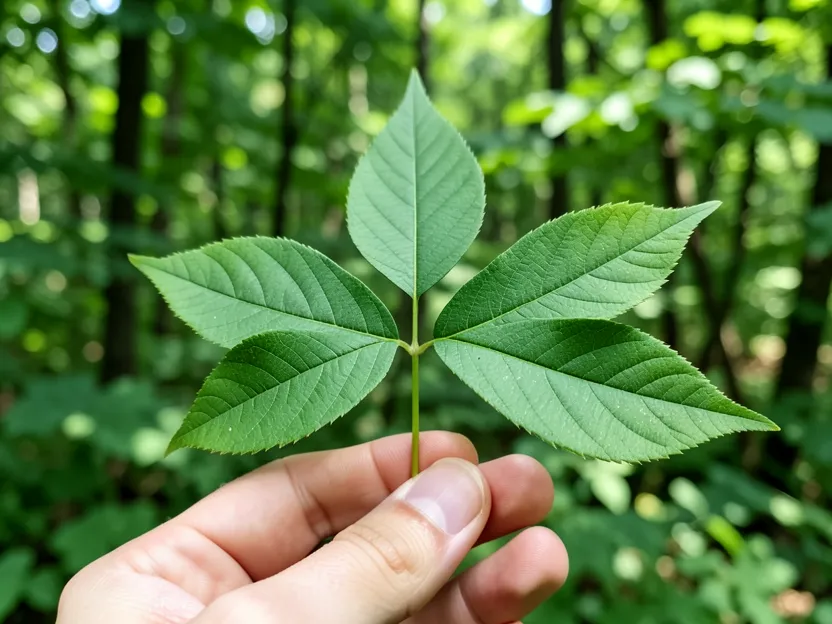
Box elder is easy to rule out once you know what to look for, and it looks nothing like a typical maple. Instead of one simple lobed leaf, it has a compound leaf made of three to five separate oval leaflets branching off a single stalk — closer to an ash or poison ivy leaf than to the star-shaped leaf most people picture when they hear “maple.” If the leaf on the tree you’re looking at is made of multiple separate leaflets rather than one solid lobed blade, walk away from that tree.
Sycamore maple is a harder call visually, since its leaf does look like a typical lobed maple leaf. If you’re outside a region where you know it’s been planted, or you’re at all unsure, that uncertainty is itself the reason to skip that tree and harvest from a positively identified sugar, red, silver, or Norway maple instead.
Delicious Ways to Eat Maple Seeds
Once they’re boiled, de-winged, and cooled, the kernels are mild — don’t expect a big flavor payoff, but they take on other ingredients well.
Raw and Simple
Eaten straight after boiling and cooling, they’re fresh, slightly grassy, and subtly nutty. It’s the most direct way to taste what they actually are before dressing them up.
Stir-Fries and Sautéed Dishes
Toss the boiled kernels into a stir-fry during the last few minutes of cooking. They hold a pleasant, slightly chewy bite and pick up the flavors of whatever sauce you’re using.
Salads
Scattered over a green salad, they add texture and a pop of color, and pair well with a simple vinaigrette.
Soups and Stews
Add them near the end of cooking so they keep some bite rather than going mushy — they contribute a little body and a mild nutty background note.
Roasted
For crispness, toss the de-winged, boiled kernels with a little oil and salt and roast at 350°F (175°C) for 10-15 minutes, checking often near the end — they go from golden to burnt quickly at that size.
Roasted kernels also work as a swap for pine nuts in a pesto, or folded into a simple quick bread for a foraged twist.
Nutritional Value of Maple Seeds
There’s no detailed USDA nutrient-database entry specific to maple samara kernels, so treat any precise numbers you see floating around online with skepticism — this isn’t a food that’s been through formal lab nutritional analysis the way almonds or lentils have. What can be said honestly: they’re a small plant seed, broadly similar in category to other tree seeds and legume-adjacent foods, offering modest plant protein and fiber along with whatever micronutrients are typical of green plant tissue. They’re not a significant enough food source, in the quantities most people forage, to plan a diet around — this is a foraging curiosity and an occasional addition to a dish, not a nutritional staple.
Safety and Considerations Before You Forage
A short checklist before you head out:
1. Confirm the Species First
This is the step that actually matters. Rule out box elder and sycamore maple before you pick anything — see the warning section above. If you’re not confident in your ID, don’t eat it.
2. Avoid Polluted Sites
Like any wild edible, maple seeds pick up whatever is in their environment. Skip trees near busy roads, industrial lots, or agricultural fields that may have been sprayed. Parks, forests, and pesticide-free backyards are safer bets.
3. Harvest Responsibly
Take what you’ll actually use. Leave the rest for wildlife and for the tree’s own reproduction, and don’t damage branches while picking.
4. Check for Pests and Disease
Discard anything moldy, discolored, or showing insect damage, even if the tree overall looks healthy.
5. Start Small
As with any new wild food, try a small amount first and see how it sits with you before eating a full portion.
For general foraging guidelines beyond maple specifically, the USDA Forest Service publishes basic guidance on responsible wild-food harvesting on public land.
Maple Seeds vs. Other Edible “Weeds”
Maple seeds occupy a different niche than most foraged “weeds.” Where dandelion and purslane are harvested for leaves, maple gives you a genuine seed-based food with its own season and prep routine.
| Foraged Food | Edible Part | Typical Harvest Time | Flavor Profile | Preparation Needs |
|---|---|---|---|---|
| Maple Seeds (Samaras) | Immature kernel at the base of the wing | Late Spring to Early Summer | Mild, subtly nutty, green-bean-like | Rinsing, de-winging, 5-10 min boil, optional roasting |
| Dandelion Greens | Leaves | Spring to Fall | Bitter, earthy | Washing, optional soaking to cut bitterness, raw or cooked |
| Purslane | Leaves and stems | Summer | Slightly salty, lemony, succulent | Washing, raw or cooked |
| Acorns | Nut kernel | Fall | Tannic, bitter (requires leaching) | Shelling and repeated boiling to leach tannins, then roasting or grinding |
Maple seed prep is noticeably less involved than acorns, which need a multi-round leaching process to become palatable. That makes maple seeds a reasonable first foraged food for someone new to wild-food prep — as long as the tree ID is right.
Common Questions About Eating Maple Seeds
Q1: Are all maple seeds edible?
No. Sugar maple, red maple, silver maple, and Norway maple seeds are edible when harvested green. Box elder and sycamore maple seeds contain hypoglycin A, a documented toxin, and should not be eaten.
Q2: When is the best time to harvest maple seeds for eating?
Late spring to early summer, roughly May through July, while the seeds are still green and the kernel inside is soft. Brown, dried seeds are past their prime and taste noticeably more bitter.
Q3: What part of the maple seed do you eat?
The small, undeveloped kernel at the base of the wing. The papery wing itself is trimmed off and discarded.
Q4: Can I eat maple seeds raw?
You can eat them after boiling and cooling rather than fully raw off the tree — the boil is what removes most of the bitterness. Skipping it isn’t dangerous with the edible species, just noticeably more bitter.
Q5: Do maple seeds taste good?
They’re mild — slightly nutty, a little grassy, not overpowering. They tend to take on the flavor of whatever they’re cooked with rather than standing out on their own.
Q6: Are there any risks associated with eating maple seeds?
The two real risks are eating from the wrong species (box elder and sycamore maple both contain the toxin hypoglycin A) and harvesting from a polluted site. Confirm the tree and pick a clean location, and the edible species are low-risk.
Q7: How do I prepare maple seeds for cooking?
Rinse them, trim off the wings, then boil the kernels in plain water for 5-10 minutes to remove bitterness. Cool them in ice water, drain, and pat dry before using them in any recipe.
Q8: Why are box elder seeds unsafe, if people don’t report getting sick from them?
Box elder and sycamore maple seeds have been lab-confirmed to contain hypoglycin A, the same toxin in unripe ackee fruit that causes Jamaican vomiting sickness in humans, and it’s documented to cause fatal atypical myopathy in horses that graze fallen seed. There’s no published record of human poisoning specifically from eating these seeds, mainly because people don’t forage them — but the toxin and its mechanism are well established regardless of species, so there’s no reason to test it.
Conclusion
So, can you eat maple seeds? Yes — sugar, red, silver, and Norway maple all produce a genuinely edible seed once you rinse, de-wing, and boil it to cut the bitterness. The one thing worth remembering above everything else in this guide: box elder and sycamore maple are the exceptions, not the rule, and their seeds carry a real, lab-documented toxin that has no place in a snack. Get the identification right, harvest while the seeds are still green, and this is a low-effort, genuinely rewarding way to get more out of a tree most people only ever look up at.
Sponsored / affiliate links. As an Amazon Associate I earn from qualifying purchases. I may earn additional commission from eligible campaigns.
 Treaton, Box Spring Bed Base Full Size, 8-Inch Wood Mattress Foundation – Amish Made in USA – Quiet Noise Free, 2-Pieces Under Mattress-Support BoxSpring, Fully Assembled, White
 Treaton, Box Spring Bed Base Full Size, 4-Inch Wood Mattress Foundation – Amish Made in USA – Quiet Noise Free, 2-Pieces Under Mattress-Support BoxSpring, Fully Assembled, White