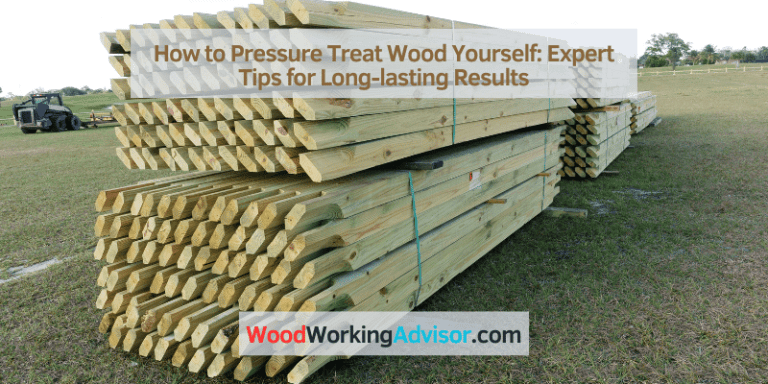
Can Pressure Treated Wood Be Used Indoors
Many folks wonder if pressure treated wood is safe for use inside their homes. It’s a common question, especially for DIYers starting new projects. The chemicals used in treating the wood can seem a bit concerning when you’re thinking about living spaces.
But don’t worry, figuring this out is simpler than you might think. We’ll walk through it step by step to help you make the right choice for your projects.
Understanding Pressure Treated Wood For Indoor Use
This section will explore what pressure treated wood is and why people often ask Can Pressure Treated Wood Be Used Indoors?. We’ll look at how the wood is treated and what those treatments do. This knowledge helps in understanding the safety aspects when considering indoor applications.
We want to make sure you have all the facts to feel confident about your decisions. It’s all about knowing the wood and its properties so you can use it wisely. We’ll touch upon the historical context and how perceptions have changed over time.
This will give you a fuller picture of the subject matter.
What Is Pressure Treated Wood
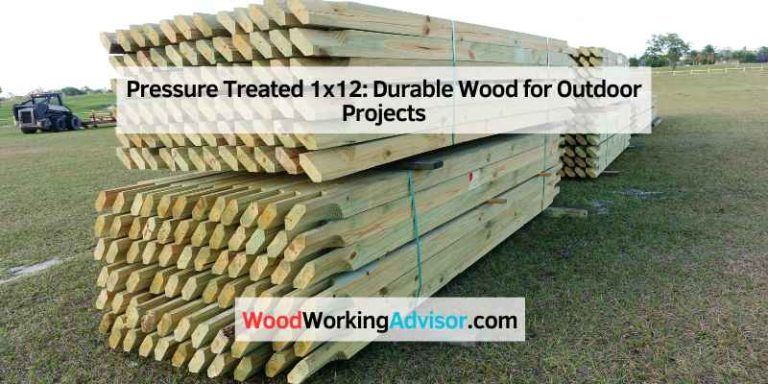
Pressure treated wood is lumber that has been chemically preserved. It goes through a special process in a big tank. This tank forces chemicals deep into the wood fibers.
The main goal is to protect the wood from decay, fungi, and insects. This makes the wood last much longer, especially when exposed to moisture or ground contact.
Common chemicals used include alkaline copper quaternary (ACQ) and copper azole (CA). These are less toxic than older treatments like chromated copper arsenate (CCA), which is not used for residential lumber anymore. The treatment makes the wood more durable and resistant to damage from termites, rot, and other problems.
Think of it like giving the wood a strong shield. This shield helps it survive in places where untreated wood would quickly fall apart. This is why it’s so popular for outdoor decks, fences, and structural supports.
However, its use indoors brings up questions about safety and ventilation.
Why The Indoor Question Arises
The question Can Pressure Treated Wood Be Used Indoors? pops up because treated wood contains chemicals. While modern treatments are safer, some people still worry about fumes or off-gassing. This is especially true for enclosed spaces like homes where ventilation might be limited.
Beginners might feel unsure about the potential health effects.
Historically, older wood treatments released more chemicals, leading to concerns. Modern treatments are designed to be much safer and stable. Still, the perception of chemicals in building materials can cause hesitation.
People want to ensure their living environment is as healthy as possible.
This concern is valid, and understanding the specific types of treatment is key. It helps in separating fact from old fears. We will clarify what is safe and what to be mindful of when using this wood inside.
This knowledge empowers you to make informed choices for your home projects.
Modern Treatments And Safety
Modern pressure treated wood uses chemicals that are generally considered safe for residential use when handled properly. The preservatives are bound to the wood fibers, meaning they don’t easily leach out or evaporate into the air under normal conditions. This is a significant improvement from older treatments like CCA.
Manufacturers follow strict regulations for these treatments. They ensure the wood meets safety standards for various applications. The chemicals are designed to be stable and effective for a long time.
This stability reduces the risk of harmful emissions into your home environment.
The key is to use treated wood that is rated for its intended purpose. For indoor use, especially in living spaces, specific guidelines apply. We’ll explore these guidelines further.
It’s about choosing the right product and ensuring proper installation and finishing.
Assessing Risks Of Treated Wood Indoors
In this section, we will thoroughly examine the potential risks associated with using pressure treated wood indoors. This involves understanding the types of chemicals used and how they might interact with indoor air quality. We’ll also discuss scenarios where risks might be higher and what precautions can be taken.
Our aim is to provide a clear picture of the safety considerations. This will help you make a well-informed decision about whether treated wood is appropriate for your specific indoor project needs.
Chemicals And Their Properties
The chemicals used in modern pressure treated wood are primarily copper-based. These compounds are effective at preventing fungal decay and insect infestation. For instance, copper azole (CA) and alkaline copper quaternary (ACQ) are widely used.
These chemicals are less toxic than older formulations like chromated copper arsenate (CCA).
Copper is a metal, and when it’s part of a wood preservative, it works by interfering with the biological processes of fungi and insects. The chemicals are stabilized and bound to the wood. This means they are less likely to become airborne or leach into the environment under normal use.
The fixation process is crucial for their safety and longevity.
However, even with modern treatments, there can be a slight odor from the wood, especially when it’s new or exposed to heat. This odor is usually mild and dissipates over time. It’s important to distinguish this faint scent from significant off-gassing of harmful volatile organic compounds (VOCs).
Potential Health Concerns
The primary concern with pressure treated wood indoors revolves around potential inhalation of residual chemicals. While modern treatments are stabilized, very sensitive individuals might react to lingering compounds, especially in poorly ventilated areas. Symptoms could include headaches, dizziness, or skin irritation.
The chemicals themselves are not meant to be ingested or come into prolonged direct skin contact. Therefore, handling the wood requires some basic precautions, like wearing gloves and a dust mask when cutting. Sawdust from treated wood should not be used for animal bedding or compost.
It’s also advised not to burn treated wood, as this can release toxic fumes.
The amount of chemicals released from properly treated and installed wood into indoor air is generally very low. Many studies suggest that the risk is minimal for most people in typical home environments. However, understanding these potential concerns allows for proactive measures to ensure a healthy living space.
Ventilation And Air Quality
Ventilation plays a critical role in mitigating any potential concerns with pressure treated wood indoors. Good airflow helps to disperse any trace amounts of chemicals that might be released over time. This is similar to how good ventilation helps manage other indoor air quality issues, like those from paints or new furniture.
In areas where treated wood is used, especially during the initial period after installation, ensuring adequate air exchange is important. This can involve opening windows and doors or using fans. Over time, as the wood cures and stabilizes, the need for enhanced ventilation usually decreases.
For enclosed spaces like closets or unfinished basements, extra care might be needed if treated wood is used. The goal is to prevent any buildup of airborne particles or faint odors. Proper sealing and finishing of the wood can also help to contain any residual compounds.
When To Avoid Treated Wood Indoors
There are specific situations where it’s best to avoid using pressure treated wood indoors. This includes areas where food is prepared or stored, such as pantries or some types of cabinetry, due to concerns about potential chemical transfer. Also, if you have individuals in the household with severe chemical sensitivities or respiratory conditions, it’s wise to err on the side of caution.
Furthermore, untreated wood or materials specifically designed for indoor environments are often preferred for finished living spaces like bedrooms or living rooms. For children’s play areas or furniture that will be in constant close contact with skin, choosing untreated options is a safer bet. Always consider the primary use and occupants of the space.
Also, never use pressure treated wood for applications that involve direct contact with drinking water or food, even if it’s used indirectly. Check product labels for specific use recommendations. Some treatments are explicitly marked for ground contact or marine use and may not be ideal for interior settings.
Using Pressure Treated Wood Safely Indoors
This section focuses on how you can safely use pressure treated wood in indoor projects. We will outline practical steps and recommendations to minimize any risks. This includes proper handling, installation, and finishing techniques.
By following these guidelines, you can confidently incorporate treated wood into your indoor builds. Our goal is to provide actionable advice that makes your projects both safe and successful. We’ll cover everything from basic safety to best practices for long-term use.
Choosing The Right Treated Wood
When considering Can Pressure Treated Wood Be Used Indoors?, the first step is selecting the correct type of treated wood. Look for wood treated with modern preservatives like ACQ or CA. These are generally safer for residential use compared to older formulations.
Avoid wood treated with CCA, which is no longer permitted for residential lumber.
Always check the end tag or stamp on the lumber. It should specify the treatment level and intended use. Some wood is rated for ground contact, while others are for above-ground use.
For interior applications, above-ground rated wood is usually sufficient and has less chemical treatment.
If you are unsure, it’s best to consult with the lumber supplier. They can guide you to the most appropriate product for your specific indoor project. Ensuring you have the right wood sets the foundation for a safe and successful build.
Handling And Cutting Precautions
When working with pressure treated wood, especially for indoor projects, safe handling is paramount. Always wear appropriate safety gear. This includes safety glasses to protect your eyes from sawdust and chips.
A dust mask or respirator is essential when cutting, sanding, or drilling the wood to avoid inhaling sawdust.
Wear gloves to protect your skin from contact with the treatment chemicals. Wash your hands thoroughly with soap and water after handling the wood. This prevents accidental ingestion of any residues.
It’s also a good practice to work in a well-ventilated area when cutting or shaping the wood.
Dispose of sawdust and wood scraps properly. Do not burn treated wood scraps, as this can release toxic fumes. Do not use sawdust from treated wood in gardens or compost bins.
It’s best to bag the waste and dispose of it according to local regulations.
Sealing And Finishing Options
To further enhance safety and appearance when using pressure treated wood indoors, sealing and finishing are recommended. Applying a sealant or paint can create an additional barrier between the wood and indoor air. This helps to contain any residual chemicals and prevents them from becoming airborne.
Choose interior-grade sealants, paints, or stains. Ensure the product is fully cured before the area is occupied. This curing process allows the sealants to set properly and lock in any potential emissions.
Always follow the manufacturer’s instructions for application and drying times.
A good finish not only adds aesthetic appeal but also provides a protective layer. This can be particularly beneficial for surfaces that might see frequent touch or wear. It ensures the wood remains stable and contained within its finished state.
This contributes to better indoor air quality and a more polished look.
Best Indoor Applications For Treated Wood
Even with modern safety standards, certain indoor applications are more suitable for pressure treated wood than others. These often include areas that are not primary living spaces or where moisture is a potential concern.
- Unfinished Basements: Treated wood can be a good choice for framing in unfinished basements where humidity levels can be higher. It provides resistance against mold and mildew, which are common issues in basements.
- Shed Framing: If you have an indoor shed or workshop space, framing with treated wood offers durability and protection against pests and rot.
- Utility Areas: Areas like laundry rooms or garages can benefit from the robustness of treated wood, especially if there’s a risk of water splashes or spills.
- Subflooring in Damp Areas: In certain construction scenarios, treated wood might be used for subflooring in areas prone to moisture, provided it is properly sealed.
These applications allow you to leverage the protective qualities of pressure treated wood without the same level of concern as in primary living areas. It’s about choosing the right spot for its properties. For example, using treated wood for framing in an unfinished basement is a practical choice because it helps prevent moisture-related decay.
This is often a concern in basements where water can seep in. The wood’s resistance to rot and mold makes it ideal for this environment. It offers peace of mind knowing that the structural elements are protected against common basement issues.
Another practical use is for framing in a workshop or garage. These spaces might experience higher humidity or occasional spills. Treated wood provides an extra layer of protection, ensuring the structure remains sound over time.
It’s a durable option that can withstand harsher conditions than untreated wood. This makes it a sensible choice for areas that are not meant for daily living but require sturdy construction.
Sample Scenario One Building A Storage Shelf In A Garage
Imagine you want to build a sturdy storage shelf in your garage. The garage is an area that can sometimes be damp or have fluctuating temperatures. Using pressure treated wood for the frame of the shelf is a practical choice.
First, select lumber treated with ACQ or CA, rated for above-ground use. Ensure it has a clear end stamp indicating this. You’ll need to wear safety glasses, gloves, and a dust mask while cutting the wood to size.
Cut your pieces carefully, ensuring straight lines for a stable shelf.
After assembling the frame, you can then attach plywood or another suitable material for the shelf surfaces. Once the shelf is built, consider applying a coat of paint or sealant designed for garage environments. This not only improves the appearance but also provides an extra layer of protection.
The finished shelf will be durable and resistant to potential moisture issues common in garages. This ensures your storage solution lasts longer and remains safe and functional for years to come. It’s a straightforward project that benefits from the properties of treated wood.
Sample Scenario Two Framing A Wall In An Unfinished Basement
Let’s say you’re framing a partition wall in an unfinished basement to create a separate storage area. Basements are notorious for moisture and potential mold growth.
You would choose pressure treated lumber for the wall studs and plates. Again, opt for wood treated with modern preservatives like ACQ. Make sure it’s rated for above-ground use in residential construction.
When cutting the lumber, remember to use your safety gear: glasses, gloves, and a dust mask. This protects you from inhaling treated sawdust. Assemble the wall frame as you normally would, ensuring it is plumb and level.
After the framing is complete, you will likely cover it with drywall or another material. For added protection and a finished look, you can paint the drywall. The underlying pressure treated frame will offer excellent resistance to moisture and decay, crucial for a basement environment.
This prevents common structural problems that can arise in damp conditions, ensuring the longevity of your new space.
Comparing Treated Wood With Alternatives Indoors
In this section, we will compare pressure treated wood with alternative building materials commonly used indoors. Understanding these comparisons helps in making informed choices for your projects. We will look at the pros and cons of treated wood versus materials like untreated lumber, engineered wood products, and even non-wood alternatives.
This will give you a clearer perspective on which material best suits your needs and concerns for indoor applications. It’s about finding the right balance of durability, cost, safety, and aesthetics.
Untreated Lumber
Untreated lumber, often referred to as “bright” lumber, is standard wood without any chemical preservatives. It’s readily available and generally less expensive than pressure treated wood. For most indoor applications where moisture is not a significant concern, untreated lumber is a perfectly safe and common choice.
However, untreated wood is susceptible to rot, decay, and insect infestations. If exposed to moisture, it can quickly become damaged. This makes it less suitable for areas like basements, bathrooms, or kitchens where water is frequently present.
Its lifespan is significantly shorter in damp conditions compared to treated wood.
When used in dry indoor environments, untreated wood performs well and poses no chemical risk. It’s easy to work with and can be finished in various ways to achieve desired aesthetics. The primary drawback is its vulnerability to biological degradation.
Engineered Wood Products
Engineered wood products, such as plywood, oriented strand board (OSB), and medium-density fiberboard (MDF), are manufactured wood composites. They are created by binding wood fibers, veneers, or strands together with adhesives. These products offer good structural integrity and dimensional stability.
Plywood and OSB are commonly used for subflooring, sheathing, and furniture making. They are generally considered safe for indoor use. However, some engineered wood products may contain formaldehyde-based adhesives, which can release VOCs into the air.
Newer products often use low-VOC or no-added-formaldehyde (NAF) adhesives.
MDF is very smooth and ideal for furniture and cabinetry, but it’s very susceptible to moisture damage and can swell if it gets wet. It also contains fine wood particles and adhesives. Choosing engineered wood with low-VOC certifications is a good practice for indoor air quality.
Metal And Composite Alternatives
For certain indoor applications, materials like metal (steel framing, aluminum) or composite materials offer alternatives to wood. Steel framing is strong, dimensionally stable, and resistant to pests and rot. It’s also non-combustible, which can be a safety advantage.
Composite materials, often made from recycled plastics and wood fibers, are highly durable and resistant to moisture and decay. They are often used for decking, fencing, and sometimes for structural elements or decorative features indoors. These materials are generally low-maintenance.
These alternatives can be more expensive than wood initially. However, their longevity and resistance to damage can make them cost-effective over time. They also eliminate concerns about chemical treatments and potential off-gassing associated with wood products.
Comparison Table
| Material | Pros | Cons | Typical Indoor Use |
|---|---|---|---|
| Pressure Treated Wood | Resistant to rot, decay, insects; Durable | Contains chemicals; Potential for slight odor; Handling precautions needed | Framing in damp areas (basements, garages), Utility spaces |
| Untreated Lumber | Inexpensive; Easy to work with; No chemical concerns | Susceptible to rot, decay, insects; Not for damp areas | Framing in dry areas, Furniture, Trim |
| Engineered Wood (Plywood/OSB) | Strong; Dimensionally stable; Variety of uses | Potential for VOCs from adhesives; Susceptible to moisture (some types) | Subflooring, Wall sheathing, Furniture backing |
| Metal Framing | Strong; Durable; Pest/rot resistant; Non-combustible | Can be expensive; Requires different tools/techniques | Wall framing, Structural support |
| Composite Materials | Highly durable; Moisture/rot resistant; Low maintenance | Can be expensive; Limited structural applications compared to wood | Decking, Cladding, Decorative features |
When you look at this table, you can see how each material has its place. Pressure treated wood is great where moisture or pests are a risk, like framing a basement wall. However, if your area is dry and you’re building something like a simple bookcase, untreated lumber is a much easier and cheaper option.
Engineered wood is useful for large flat surfaces like subfloors. Metal and composites are often chosen for their extreme durability and resistance to elements, though they come with a higher price tag. Choosing depends on where you are building and what you need the structure to do.
Frequently Asked Questions
Question: Can pressure treated wood be used for indoor furniture
Answer: While it’s technically possible, it’s generally not recommended for indoor furniture that will be in constant contact with people, especially children. Modern treatments are safer, but untreated wood or specially designed indoor woods are better choices for furniture to avoid any potential concerns about chemical exposure.
Question: Will pressure treated wood off-gas indoors
Answer: Modern pressure treated wood is designed to have minimal off-gassing. The chemicals are bound to the wood fibers. You might notice a faint odor when the wood is new, but this typically dissipates quickly.
Proper ventilation in the space will further reduce any potential airborne compounds.
Question: Is it safe to sleep in a room with pressure treated wood framing
Answer: Yes, it is generally considered safe to sleep in a room with pressure treated wood framing, especially with modern treatments. The chemicals are stabilized and do not significantly impact indoor air quality in well-ventilated homes. If you have extreme sensitivities, consulting a medical professional is always a good idea.
Question: What is the difference between lumber for outdoor and indoor use
Answer: Lumber rated for outdoor use, especially ground contact, is treated with higher levels of preservatives to withstand harsh conditions. Lumber for indoor use, if treated at all, would be treated to a lesser degree and typically rated for above-ground applications. For purely indoor use in dry conditions, untreated lumber is often preferred.
Question: Should I seal pressure treated wood used indoors
Answer: Sealing pressure treated wood used indoors is a good practice. It provides an extra layer of protection, can improve the appearance, and helps to further contain any residual chemicals. Use interior-grade sealants or paints and allow them to cure fully.
Final Thoughts
So, can pressure treated wood be used indoors? Yes, it can be, especially in areas prone to moisture like basements or garages. Modern treatments are much safer.
Always choose wood rated for its purpose, handle it with care, and seal it well. This ensures your indoor projects are both durable and safe for your home.