How Long Does Pressure-Treated Wood Last on a Deck?
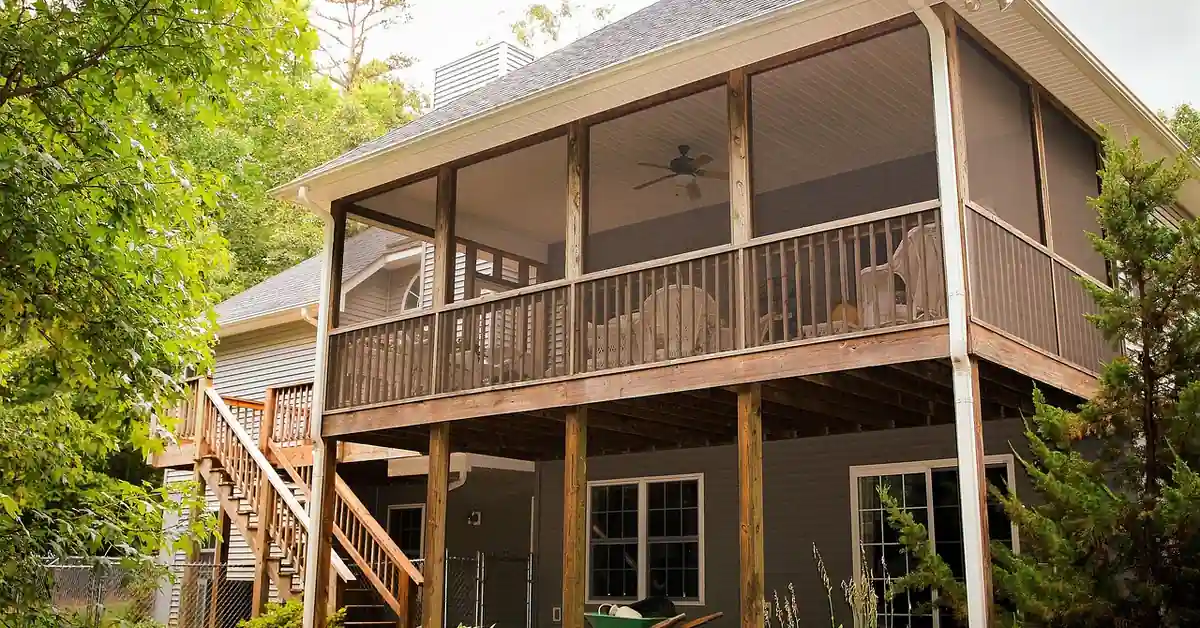
A pressure-treated wood deck typically lasts 15 to 25 years above-ground under its AWPA UC3B rating, but only if every field-cut end gets resealed, since the treatment penetrates just 0.4 inch into the lumber. Skip that and you void the warranty at that cut, and exposed wood rots years before the rest of the board. This guide covers realistic lifespan by treatment chemical, the AWPA rating that determines it, and the maintenance schedule that pushes decks past 40 years.
Realistic Lifespan by Treatment Type (Not Just One Number)
Best Deck Sealer Pick
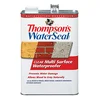
Thompson’s WaterSeal Multi-Surface Waterproofer – $17.97
A clear water repellent that matches the 1–2 year resealing interval this guide recommends for above-ground PT decking — goes on without changing the wood’s color, so it works over old stain too.
- Best for: a fast, no-color-change reseal on decking and framing
- Why we picked it: lowest cost per gallon of the group, easy yearly-reseal budget item
- Main drawback: adds no UV pigment, so it won’t slow surface graying like a tinted stain will
Compare more deck sealer options
 Option 1 SaverSystems #1 Deck Stain & Sealer – $37.99
|
 Option 2 Storm System Protector Cedartone – $36.99
|
 Option 3 Seal-Once Marine Penetrating Sealer – $66.98
|
As an Amazon Associate we earn from qualifying purchases.
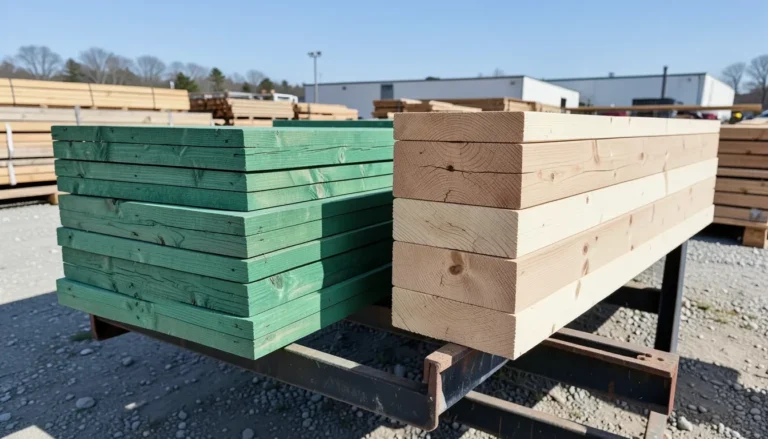
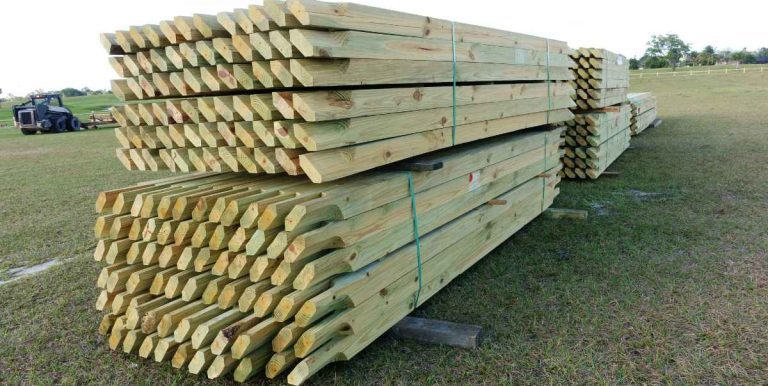
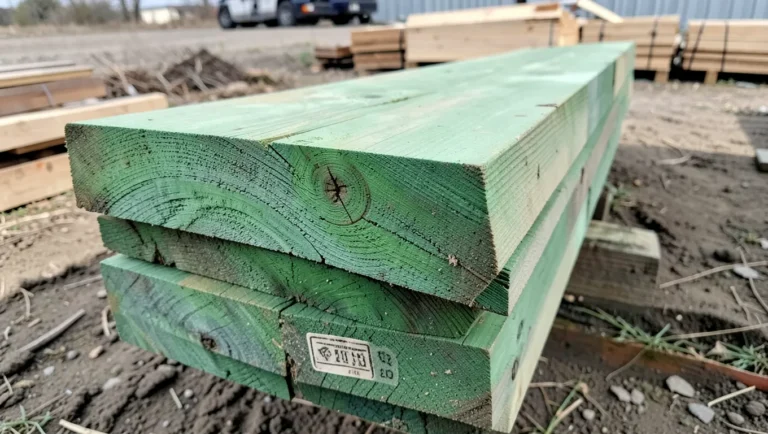
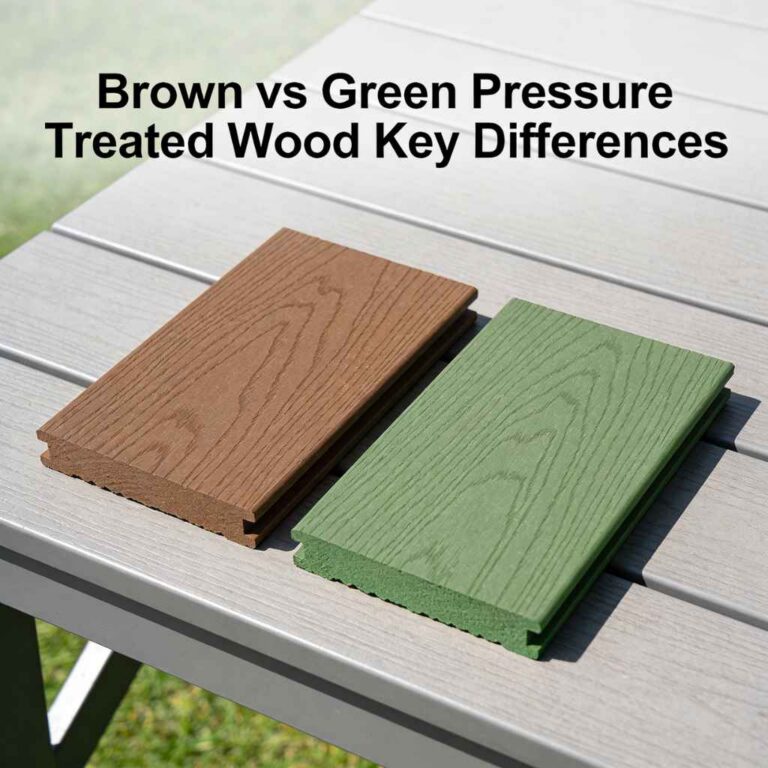
Pressure-treated wood is lumber infused under high pressure with chemical preservatives — historically chromated copper arsenate (CCA), now almost always alkaline copper quaternary (ACQ) or copper azole (CA) for residential use — that resist fungal decay and insect damage. It is not one product with one lifespan: how long it lasts depends on the preservative used, the retention level for its rated application, and how consistently it’s maintained.
Most of today’s residential decks use Southern Yellow Pine treated with ACQ or CA. Realistically:
- Above-ground framing and decking (ACQ/CA, UC3B): 15–25 years with routine sealing; as little as 9–12 years if never resealed.
- Ground-contact posts (ACQ/CA, UC4A or higher retention): 20–25 years is typical; failures cluster earlier if the post was never coated with a copper-naphthenate cut-end sealer.
- Legacy CCA-treated lumber (phased out for residential use in 2003): often exceeded 30 years, which is part of why older decks have a reputation for outlasting newer ones.
Climate pushes those ranges up or down. Humid, rainy regions and areas with frequent freeze-thaw cycles (the Northeast and Upper Midwest, in particular) shorten the realistic lifespan toward the low end unless you seal more often, since trapped moisture that freezes and expands is what splits boards and loosens fasteners. Hot, dry climates are gentler on rot but harder on UV-driven surface graying and cracking.
📊 In long-term US Forest Service field testing at a severe-exposure site, posts treated with heavy-retention preservatives (creosote, pentachlorophenol, copper naphthenate, and high-retention ACZA/CCA) held up 50 to 65+ years under lab-monitored conditions — but the study’s own authors note those specimens weren’t subjected to the structural loads and foot traffic a real deck sees, so treat it as a ceiling for the chemistry, not a promise for a finished deck. Source: USDA Forest Service Research & Development, Treesearch #43563.
Maintenance That Actually Extends Deck Life
Pressure treatment stops insects and fungal decay from the inside out, but it does nothing to stop water from swelling, cupping, and UV-graying the surface. Sealing is what handles that half of the job.
Sealing and Staining Intervals
| Product | Reapply Every |
|---|---|
| Clear water-repellent sealer | 1–2 years |
| Semi-transparent or solid stain | 2–3 years |
Clean the deck and let it dry fully before recoating — sealing over trapped moisture or mildew traps both under the new coat and accelerates the rot it’s supposed to prevent.
Seal Every Field-Cut End — It’s a Warranty Condition, Not a Suggestion
Pressure treatment only penetrates about 0.4 inch into the wood. Any time you trim a joist to length or notch a post on site, you expose bare, untreated core wood at that cut. Manufacturers require a copper-naphthenate cut-end sealer on every field cut to keep the warranty valid — skip it, and that single cut becomes the spot where rot starts years before the rest of the board fails.
Joist Tape Prevents the Failure You Can’t See
Most deck framing rot doesn’t start on the visible top of a joist — it starts where a deck board’s fastener punctures the joist top and water wicks into the hole. A self-adhesive butyl joist tape applied to the top of each joist and beam before the decking goes down seals around every screw penetration and blocks that entry point. It typically adds $50 or so in material cost to a new build, which is inexpensive insurance against replacing rotted framing years early.
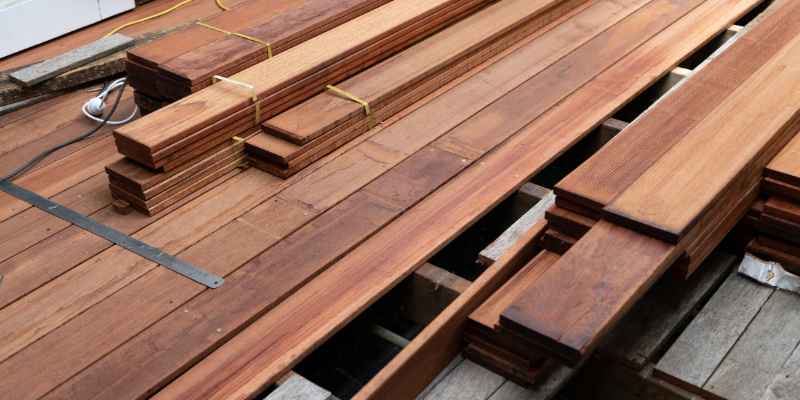
AWPA Use Categories: Why Lifespan Estimates Vary So Much
Every board of pressure-treated lumber is stamped with an AWPA (American Wood Protection Association) Use Category that tells you what it’s actually rated for — and using the wrong-rated board in the wrong spot is the single biggest reason two “pressure-treated” decks age at completely different rates.
- UC3B (Above Ground): standard rating for deck boards, joists, and beams that stay clear of the soil.
- UC4A (Ground Contact, General Use): required for posts set in soil or concrete, and for any framing member within 6 inches of grade — even if it never technically touches the dirt, sustained proximity counts as ground contact under AWPA criteria.
- UC4B / UC4C (Ground Contact, Heavy Duty / Extreme Duty): higher-retention ratings for critical structural posts that are difficult or dangerous to replace later.
Look for the AWPA U1 designation and Use Category code on the lumber’s end tag before you buy. If a support post is only rated UC3B, it’s not going to reach a ground-contact post’s expected life no matter how well you seal it — the retention level of preservative simply isn’t there. For a full breakdown of which rating you need where, see our guide to choosing treated wood for ground contact (UC4A vs UC4B).
How Pressure-Treated Wood Compares to Other Decking Materials
Pressure-treated lumber is the least expensive decking material up front, but it’s not the longest-lasting. Here’s how it stacks up:
| Material | Typical Lifespan |
|---|---|
| Pressure-treated pine (above-ground) | 15–25 years |
| Composite decking | 25–30 years |
| Cedar (naturally rot-resistant, rarely pressure treated) | 20–25 years |
| Redwood | 25–30 years |
| Aluminum | 40–60 years |
Composite and redwood decking typically outlast pressure-treated pine and never need resealing, but they cost significantly more per square foot. If you’re weighing the alternatives directly, see how long cedar decks last, our full breakdown of pressure-treated pine vs. cedar, or the wider wood deck lifespan comparison by material if you haven’t picked a decking material yet.
Signs Your Deck Is Nearing the End of Its Lifespan
Catching decay early is the difference between replacing a few boards and rebuilding the whole structure. Inspect for these signs at least once a year, ideally in spring before heavy outdoor use starts:
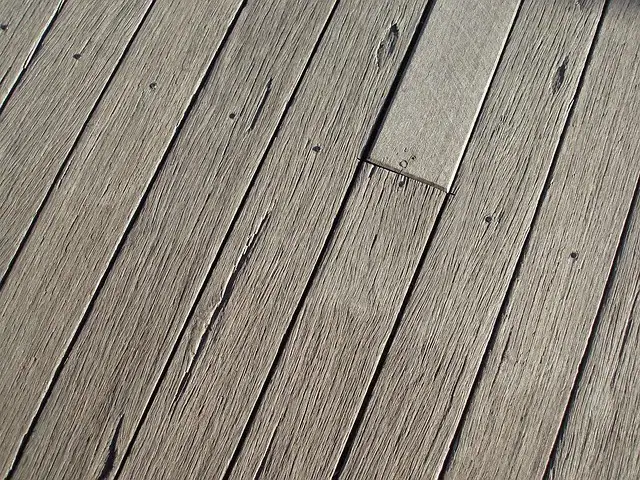
- Cracks and splits that run with the grain and widen after rain
- Soft, spongy spots — press a screwdriver tip into the wood; if it sinks in easily, decay has already set in beneath the surface
- Warping or cupping boards, especially near fastener locations
- Discoloration or a musty smell that can indicate mold; see our guide on what actually prevents mold growth on outdoor wood
- Loose, rust-stained, or popped fasteners
Small cracks and surface graying are cosmetic and fixable with a sealant or filler. Soft, spongy wood or structural warping means the affected board — or the framing under it — needs to be replaced, not just resealed. (If you’re wondering whether pressure-treated lumber is suitable for an interior application instead, see whether you can use pressure-treated wood indoors — it generally shouldn’t be, for reasons unrelated to deck-specific wear.)
Does Newer Pressure-Treated Wood Really Last as Long as Old CCA Lumber?
Not necessarily — and this is a common misconception. Chromated copper arsenate (CCA) was phased out of residential pressure-treated lumber in 2003 over arsenic-leaching concerns. Its replacements, ACQ and copper azole, are safer to handle and just as effective against decay chemically, but several building professionals report that in practice, real-world decks built with the newer formulations are showing earlier framing rot than comparable CCA-era decks did.
“None of the newer formulations, ACQ or MPS, last anywhere near as long as CCA did.”
The takeaway isn’t that modern pressure-treated wood is a bad choice — it’s the only residential option available, and it’s dramatically safer than CCA. The takeaway is that the “20 to 30 years” figure often quoted for pressure-treated wood is really a legacy-CCA number. Budget your maintenance schedule and replacement expectations around the newer chemistry instead, which is why consistent resealing and proper cut-end treatment matter more with today’s lumber than they did a generation ago.
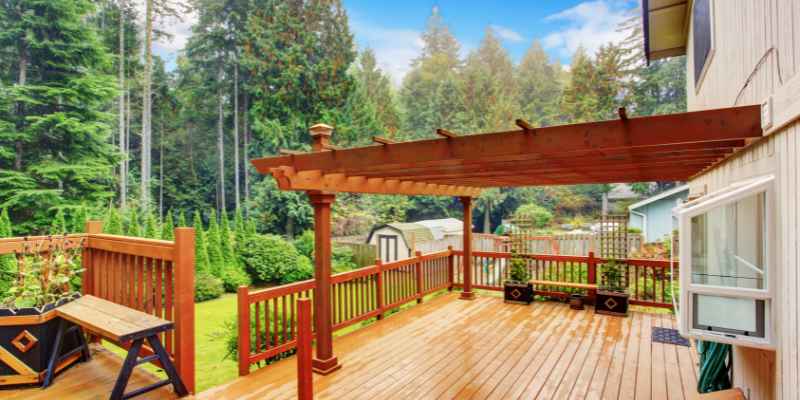
Deck Design Considerations That Affect Lifespan
How a deck is designed and built matters as much as the lumber itself:
- Choose the correct AWPA Use Category for every component — UC3B decking and joists, UC4A or higher for posts, per the ratings above.
- Leave a gap between boards (roughly the width of a 16d nail) so water drains instead of pooling between them.
- Keep the deck’s ledger board and framing at least 2 inches above grade or roofing to prevent splashback and standing water.
- Use hot-dip galvanized or stainless fasteners rated for ACQ/CA contact — standard electro-galvanized screws corrode quickly in modern copper-based treated lumber.
5 Steps to Get More Than 40 Years From a Pressure-Treated Deck
- Match the AWPA rating to the application: confirm UC3B lumber for above-ground framing and UC4A or higher for any post in soil or within 6 inches of it.
- Seal every field-cut end with a copper-naphthenate cut-end sealer before the piece goes into the structure.
- Install joist tape on top of all joists and beams before laying deck boards, to block water intrusion at fastener holes.
- Reseal on schedule: a clear water repellent every 1–2 years, or a semi-transparent/solid stain every 2–3 years, always on a clean, fully dry surface.
- Inspect annually for soft spots, cracks, and loose fasteners, and replace individual boards at the first sign of decay rather than waiting for it to spread.
Frequently Asked Questions
How Long Should Pressure-treated Deck Boards Last?
Well-maintained pressure-treated deck boards typically last 15 to 25 years above-ground. Most residential pressure-treated lumber is Southern Yellow Pine treated with ACQ or copper azole, not cedar — cedar is a separate, naturally rot-resistant species that’s only occasionally pressure treated. The lifespan drops sharply, sometimes to under 10 years, if the deck is never resealed.
What Is The Longest Lasting Pressure-treated Wood?
The longest-lasting pressure-treated wood is lumber rated for the retention level its application actually needs — a UC4B or UC4C ground-contact post, correctly cut-end sealed and installed, will outlast an above-ground UC3B board used in the wrong spot. Legacy CCA-treated lumber from before 2003 also tends to outlast modern ACQ/CA lumber, though it’s no longer sold for residential use.
Can A Wood Deck Last 30 Years?
Yes, a pressure-treated wood deck can last 30 years, but it’s on the higher end of the realistic range for modern lumber and generally requires consistent resealing, properly sealed cut ends, and correctly rated lumber for every component — not just average maintenance.
How Often Do You Need To Seal Pressure-treated Wood?
Seal pressure-treated wood every 1 to 2 years with a clear water repellent, or every 2 to 3 years if you’re using a semi-transparent or solid stain. Always clean the surface and let it dry fully before recoating.
Do You Need To Seal The Cut Ends Of Pressure-treated Wood?
Yes. Pressure treatment penetrates only about 0.4 inch into the lumber, so any field cut exposes untreated wood at that spot. Manufacturers require a copper-naphthenate cut-end sealer on every field cut to keep the warranty valid, and skipping it creates a fast-track spot for rot to start.
Does Pressure-treated Decking Need Joist Tape?
It’s not required by code, but it’s cheap insurance. Joist tape applied to the tops of joists and beams before decking goes down seals around every fastener penetration, blocking the water intrusion that causes most hidden framing rot. It typically adds around $50 to a new deck build.
Why Does Modern Pressure-treated Wood Not Last As Long As Old CCA Wood?
CCA (chromated copper arsenate) was phased out of residential pressure-treated lumber in 2003 due to arsenic-leaching concerns. Its replacements, ACQ and copper azole, are safer to handle but several building professionals report real-world decks built with them showing earlier framing rot than comparable CCA-era decks, which is why consistent sealing matters more with today’s lumber.
Conclusion
A pressure-treated deck’s lifespan isn’t one fixed number — it’s 15 to 25 years for typical above-ground ACQ/CA lumber, longer for correctly rated ground-contact posts, and shorter for anything left unsealed or cut without a cut-end sealer. Match the AWPA rating to the job, reseal on schedule, and inspect annually, and 30-plus years is a realistic target rather than a marketing claim.
Sponsored / affiliate links. As an Amazon Associate I earn from qualifying purchases. I may earn additional commission from eligible campaigns.