Can You Burn Wood with Nails? Assessing Risks and Safety
Figuring out Can You Burn Wood with Nails? Is It Safe is a common question, especially when you’re just starting with woodworking or even campfires. It seems simple, but there are things to think about. Don’t worry, we’re going to explore this topic and break it down in a way that’s easy to follow. You’ll soon see what’s involved, and you’ll find out what to do to be safe and informed.
Burning Wood with Nails: The Basics
The core question of Can You Burn Wood with Nails? Is It Safe involves the interaction between wood, heat, and metal. Wood, being a natural material composed primarily of cellulose, lignin, and hemicellulose, readily combusts when exposed to sufficient heat in the presence of oxygen. Nails, on the other hand, are typically made of metal, often steel, which has a significantly higher melting point than the ignition point of wood. This difference in thermal properties sets the stage for the various safety concerns associated with burning wood containing nails.
Understanding these basic properties is key to making safe choices. The presence of nails introduces several variables, including the potential for sparks, altered combustion patterns, and even the release of potentially hazardous fumes. This guide will provide information about all these aspects. We’ll explore the science behind what happens when these materials interact and offer practical advice on how to approach this activity safely.
What Happens When Wood Burns
When wood is heated, it undergoes a process called pyrolysis, where it decomposes thermally without the presence of oxygen. This releases flammable gases like methane, hydrogen, and carbon monoxide. These gases ignite and sustain the fire. The remaining solid is charcoal. The rate of burning depends on factors like wood type, moisture content, and the available oxygen. The presence of metal introduces a new dimension to this process.
- Wood undergoes pyrolysis and releases flammable gases.
- Charcoal remains as a solid residue after complete combustion.
- The rate of burning varies due to wood type and moisture levels.
Metal’s Reaction to High Temperatures
Metals, like those found in nails, react differently to heat. Steel, for example, softens and eventually melts at very high temperatures. However, during the burning process, nails can heat up and act as conductors. They can also affect the airflow around the wood, influencing how it burns. It’s critical to remember that different metals have different melting points, affecting how they behave in a fire.
- Metals heat up and can conduct heat throughout the wood.
- Nails can alter the airflow within the burning wood.
- Various metals melt at different temperature thresholds.
Safety Dangers and Risks to Consider
The question Can You Burn Wood with Nails? Is It Safe brings up significant safety issues that must be addressed. One key danger is the potential for sparks and flying debris. As the wood burns, the nails can become dislodged, causing projectiles. Another concern is the potential for harmful fumes. Burning metal can release toxic compounds. Finally, the risk of fire spreading is significantly heightened when burning materials containing metal.
It’s important to acknowledge and address these dangers. This section will carefully evaluate all potential risks. We’ll explore the specific dangers and advise on how to prevent accidents.
The Risk of Sparks and Flying Debris
Burning wood with nails creates a potential hazard due to the ejection of sparks and fragments. As wood burns, the nails, heated to high temperatures, can become loose and be propelled outwards. This poses a significant risk of burns and eye injuries to anyone nearby. It’s especially dangerous in outdoor settings where wind can carry sparks over significant distances, causing other fires.
- Heated nails can be ejected as the wood burns.
- Flying debris presents hazards from burns and eye injuries.
- Outdoor conditions like wind can spread sparks.
Possible Release of Hazardous Fumes
Burning metal, along with the wood, can release toxic fumes. Some metals, when heated to extreme temperatures, oxidize and produce compounds that are harmful when inhaled. Zinc, for example, can produce zinc oxide fumes, which can cause metal fume fever. These dangers emphasize the need for caution and proper ventilation when considering any activity that involves burning wood containing nails. Prioritizing safety through informed decision-making is key.
- Burning metal can release hazardous compounds.
- Zinc oxide fumes can cause metal fume fever.
- Ensure adequate ventilation to avoid fume inhalation.
Increasing the Risk of Fire Spreading
The presence of nails increases the chance of fire spreading. Loose nails can drop from the fire and land on flammable materials, sparking secondary fires. It’s also important to be aware that even if the nails don’t start other fires, they can conduct heat, potentially igniting any nearby combustible materials. Careful consideration of the surrounding environment is essential when assessing whether it’s safe to burn wood containing nails.
- Loose nails increase the likelihood of secondary fires.
- Heat conduction from nails can ignite nearby materials.
- Assess the surrounding area for flammable hazards.
Ways to Burn Wood with Nails Safely (If At All)
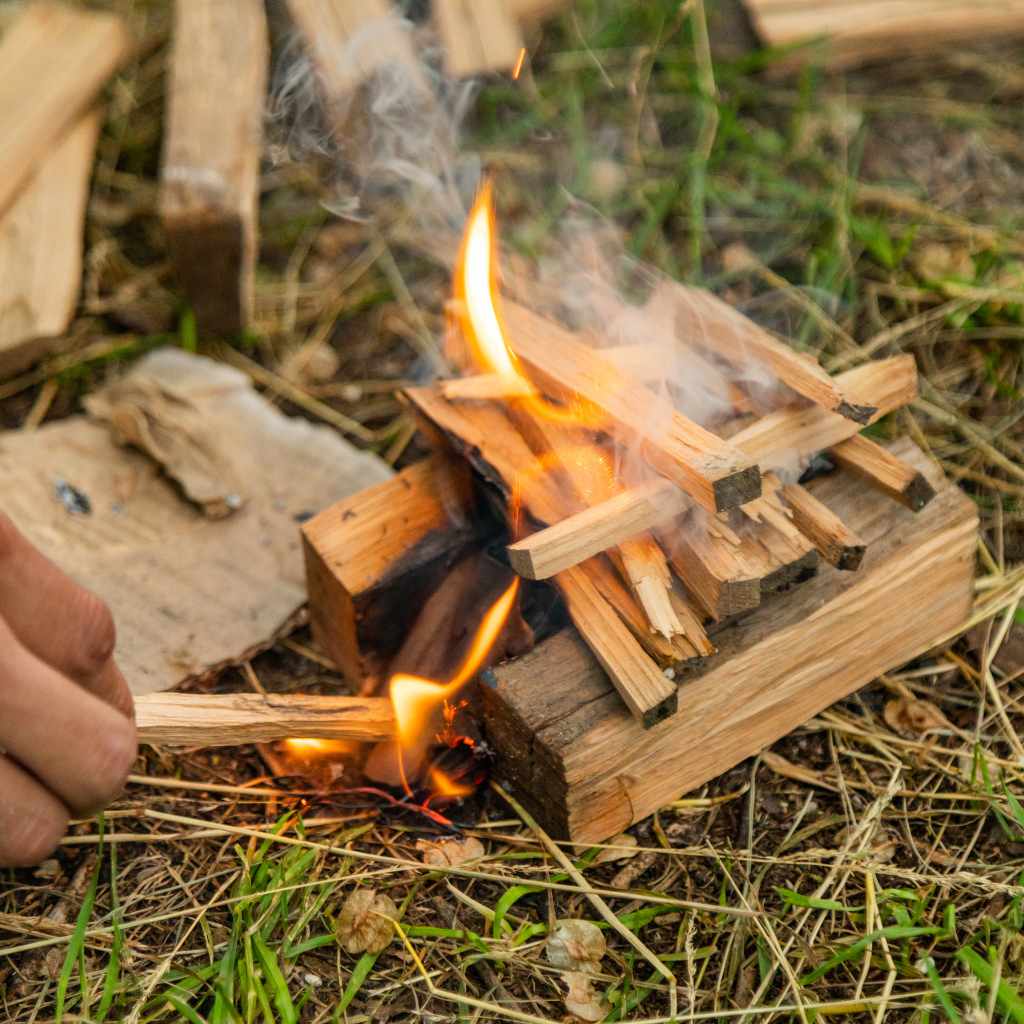
The question of Can You Burn Wood with Nails? Is It Safe can sometimes be answered with “yes,” but only under specific circumstances. If you choose to burn wood with nails, there are safety precautions to follow. These include the use of proper equipment, the selection of an appropriate burning location, and the implementation of careful fire management techniques. Always prioritize safety above all else.
This part of the blog will present detailed guidelines to help make safe choices. We’ll explore how to reduce risks and how to manage the burning process safely.
Choosing an Appropriate Burning Spot
The location of your fire significantly affects safety. You need a space that minimizes the risk of fire spreading. This includes clearing a wide area around the fire of all flammable materials, like dry leaves and tall grass. It also requires selecting a location far away from structures, trees, and overhead power lines. Consider the direction of the wind and potential hazards that could be carried by air currents.
- Clear a wide area of all flammable materials.
- Select a location away from structures, trees, and power lines.
- Consider wind direction and potential air hazards.
Utilizing Proper Equipment and Gear
Using appropriate equipment is key to safety. This includes items such as fire-resistant gloves, eye protection, and sturdy fire-resistant tools, like long-handled tongs and shovels. Keep a readily accessible water source, such as a fire extinguisher or a garden hose, available in case of emergencies. Being properly prepared with the right equipment can greatly reduce the risks involved in burning wood containing nails.
- Wear fire-resistant gloves and eye protection.
- Use long-handled tools.
- Keep a water source ready nearby.
Fire Management Techniques for Safety
Careful management of your fire is very important. This involves constantly monitoring the fire, being aware of the materials burning, and immediately addressing any signs of trouble. It also involves knowing how to extinguish a fire completely and how to safely dispose of the ashes. Regularly check for sparks, and never leave the fire unattended. The knowledge and practices of proper fire management are essential for safety.
- Constantly monitor the fire for hazards.
- Be prepared to extinguish the fire entirely.
- Never leave the fire unattended.
Alternative Options and Safer Practices
The question Can You Burn Wood with Nails? Is It Safe naturally leads to the consideration of alternatives that can offer greater safety. There are other choices for disposing of wood, especially wood containing nails. Understanding these options, like recycling or professional disposal, may often be a more responsible approach. Alternative practices may be safer and have less potential for environmental and personal dangers.
This part will explore safe alternatives. The focus will be on environmentally friendly and secure methods for dealing with wood and related materials.
Safe Alternatives to Burning Wood
Instead of burning wood with nails, there are several safer options. Recycling wood is an eco-friendly choice, which prevents waste and conserves resources. Professional disposal services can properly manage materials. Another choice is repurposing the wood for other projects. By exploring these alternatives, one can avoid the risks associated with burning wood containing nails.
- Recycle wood to conserve resources and avoid waste.
- Use professional disposal services.
- Repurpose the wood for other projects.
Recycling and Professional Disposal
Recycling wood can be an excellent option for disposing of wood with nails. Check for local recycling programs that accept wood materials. Professional disposal services are equipped to safely handle and dispose of materials, including wood with nails, following all environmental guidelines. These services also minimize any environmental impact. Consider these professional services for safety and peace of mind.
- Local recycling programs can accept wood.
- Professional disposal services manage materials responsibly.
- Both options reduce environmental impact.
Repurposing and Creative Projects
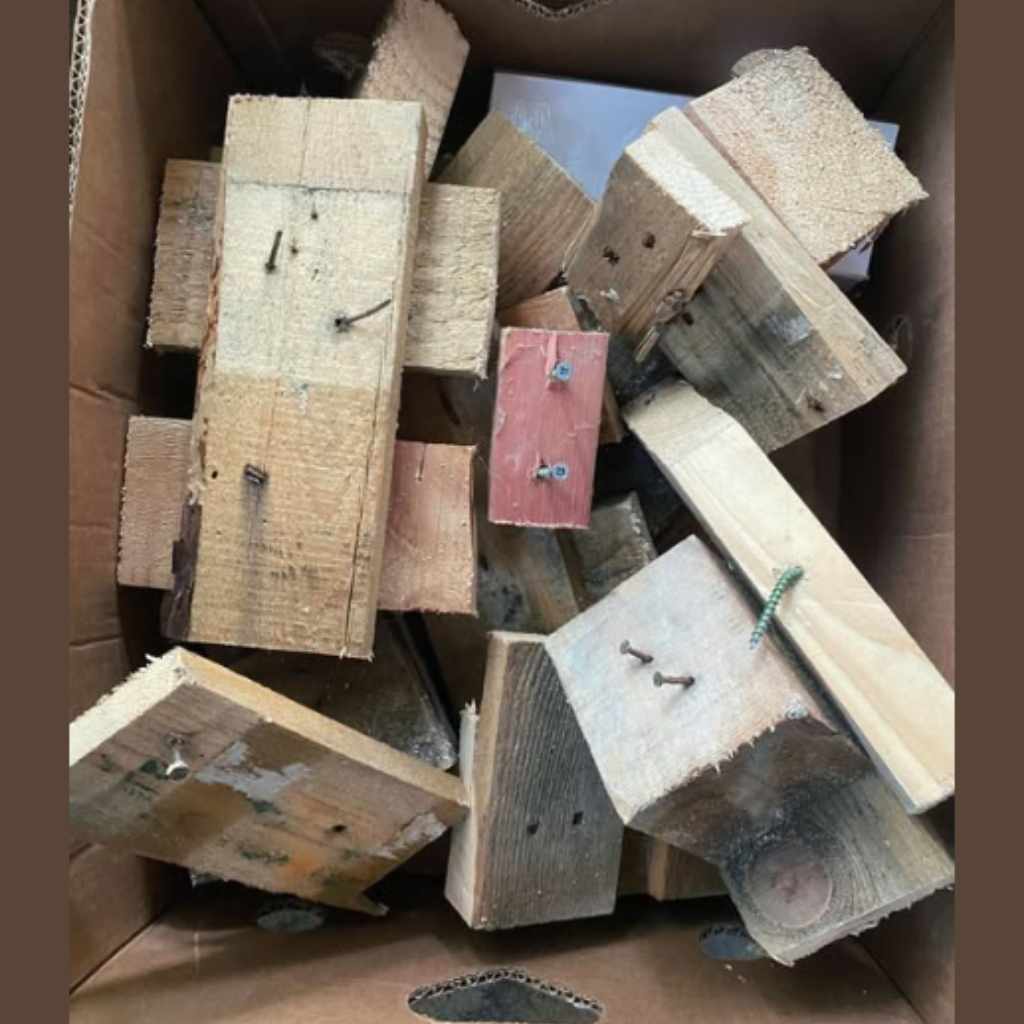
Wood with nails can be repurposed for other creative projects. You could use the wood for art projects or construction. Ensure you remove the nails safely before starting any new projects. This means using appropriate tools like nail pullers and carefully inspecting the wood for any embedded nails. Repurposing can add creativity and practicality while reducing the need to burn wood.
- Use the wood for artistic or building projects.
- Remove nails with proper tools.
- Inspect the wood before starting any new work.
Practical Examples and Real-World Scenarios
To fully grasp the issue of Can You Burn Wood with Nails? Is It Safe, it’s helpful to look at real-world examples and potential scenarios. These examples will illustrate the hazards involved and highlight the importance of safety measures.
Below are scenarios illustrating what could happen and how these problems can be dealt with for safety.
- A homeowner, unaware of the potential dangers, burns a pile of old fence posts containing nails in their backyard. Sparks from the burning wood escape and ignite dry grass nearby, rapidly spreading the fire and causing significant damage to the surrounding property.
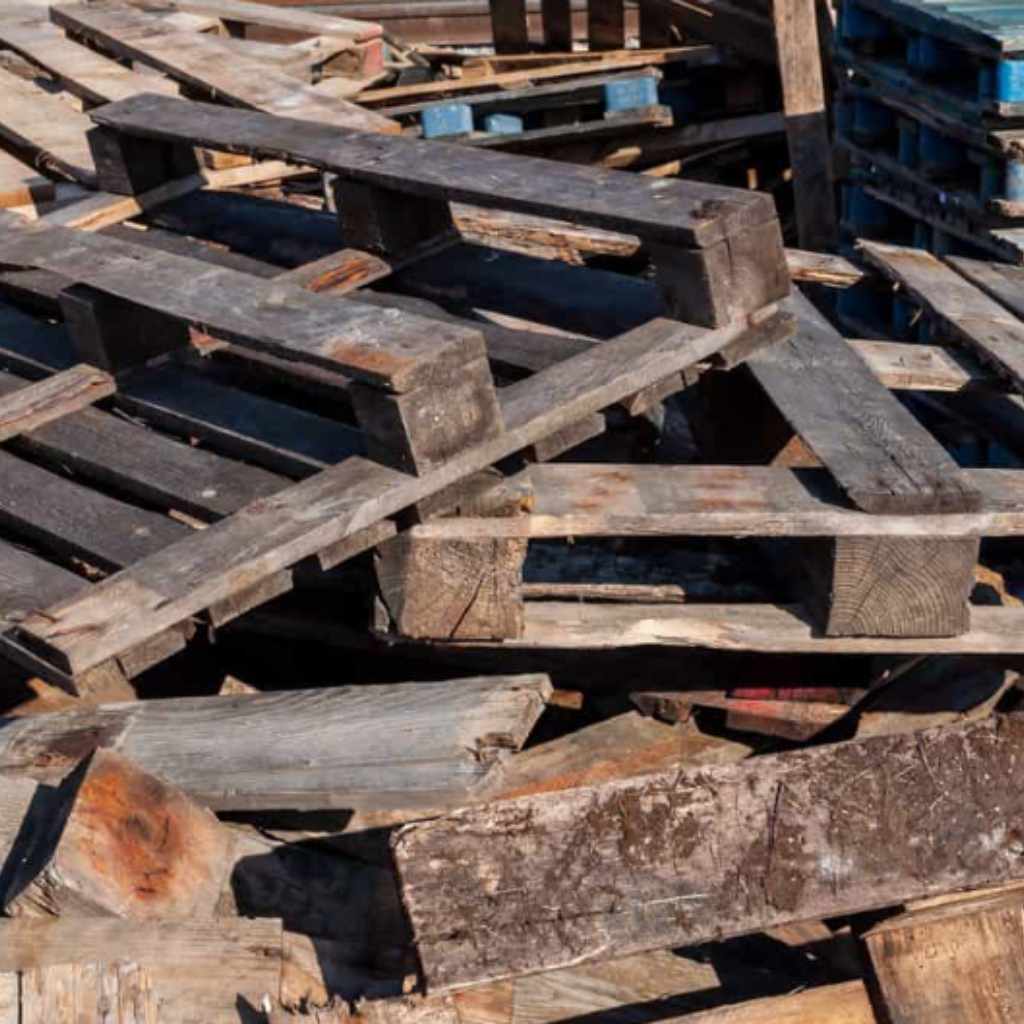
- A group of campers attempts to burn wooden pallets with embedded nails in a campfire. As the pallets burn, nails become dislodged, causing injuries. The group is forced to end their campfire prematurely.
- A construction crew, intending to clear debris, burns wooden scraps with nails on a windy day. The wind carries sparks and burning embers, and the fire spreads into a nearby wooded area. It requires a significant amount of resources to contain the resulting wildfire.
Frequently Asked Questions
Frequently Asked Questions
Question: Can I burn wood with nails in a fire pit?
Answer: It’s generally not recommended. Even in a fire pit, there are still risks from sparks and the release of potentially hazardous fumes. It’s safer to remove the nails first.
Question: What’s the best way to get rid of wood with nails?
Answer: Recycling or professional disposal services are the safest options. They manage the wood safely and responsibly.
Question: What type of gear should I use if I burn wood with nails?
Answer: If you proceed, use fire-resistant gloves, eye protection, and long-handled tools, along with a water source nearby. This gear provides a layer of protection.
Question: Can nails in wood cause explosions during a fire?
Answer: While the nails themselves don’t cause explosions, the sudden release of pressure from the burning wood could cause pieces to burst. However, the nails do not directly cause an explosion.
Question: Are there any specific types of wood where burning nails is safer?
Answer: The type of wood does not make the process significantly safer. The presence of nails in any wood presents risks that should be considered.
Final Thoughts
When considering Can You Burn Wood with Nails? Is It Safe, remember that the answer requires careful consideration of several factors. While wood readily burns, the presence of metal nails introduces risks like sparks, harmful fumes, and the increased chance of a fire spreading. Prioritizing safety through understanding these hazards is key. Always use appropriate safety equipment and select the proper environment, if you choose to proceed with burning wood with nails.
For safer alternatives, recycle or use professional disposal services. These methods offer responsible ways to deal with wood containing nails. If you must proceed with burning, prepare your area and yourself properly. Making wise choices protects yourself and prevents harm to the environment. Stay safe, be informed, and make sure that you consider all of the possible dangers before you light any fire.