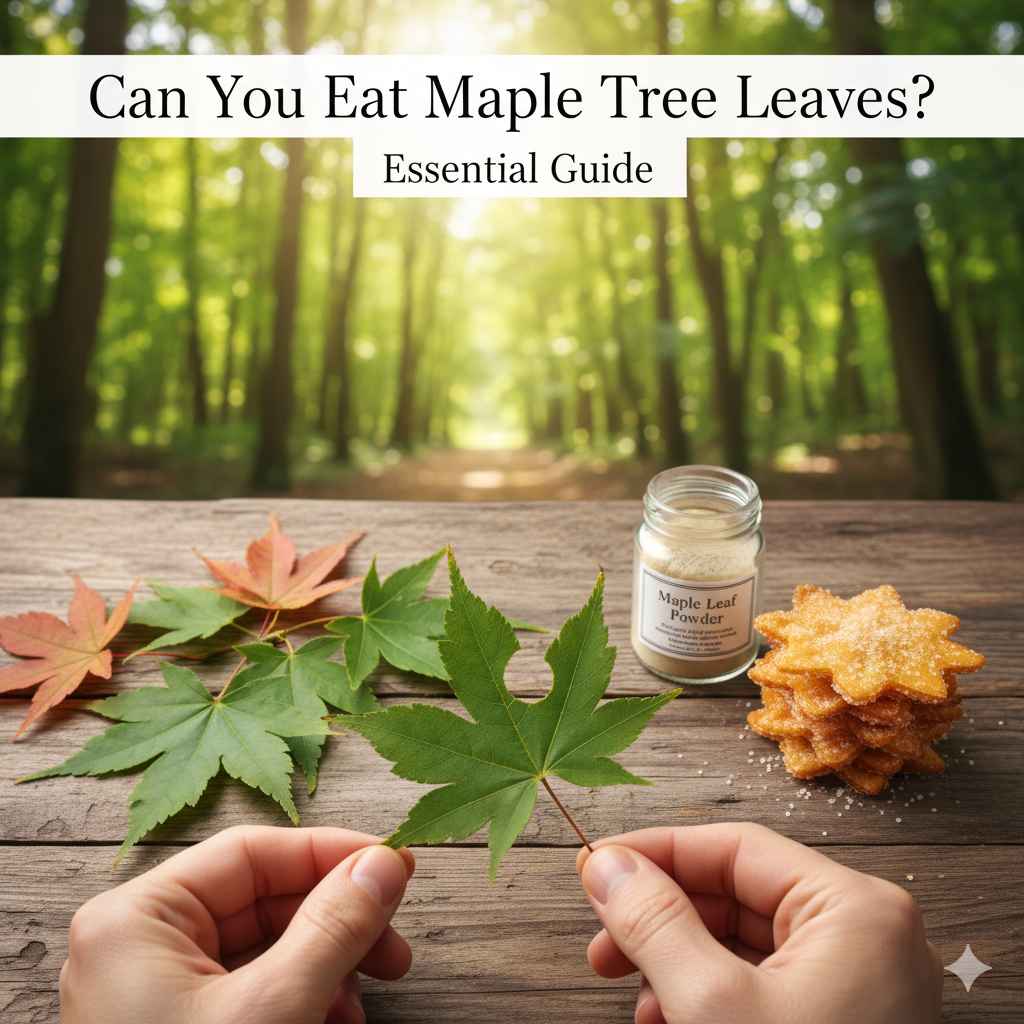
Can You Eat Maple Tree Leaves: Essential Guide
While technically edible and used historically, maple tree leaves are not a common or recommended food source today. They require specific preparation to be palatable and safe, offering minimal nutritional value compared to other edible plants. Focus on maple sap and syrup for the true taste of the maple tree.
Ever walked through a park or your backyard and wondered about the lush, familiar leaves of a maple tree? They’re beautiful, especially in autumn, but a curious thought might pop into your head: “Can you eat maple tree leaves?” It’s a question that pops up now and then, perhaps sparked by a nature documentary or a bit of foraging interest. While the idea of eating leaves might seem a little wild, nature often surprises us with what’s edible.
Don’t worry if this is new territory; I’m here to guide you through it, just like we’d tackle a new woodworking project. We’ll break down what you need to know, keeping things simple and safe. Let’s find out if those big, beautiful maple leaves can be part of your diet, or if they’re best admired from afar.
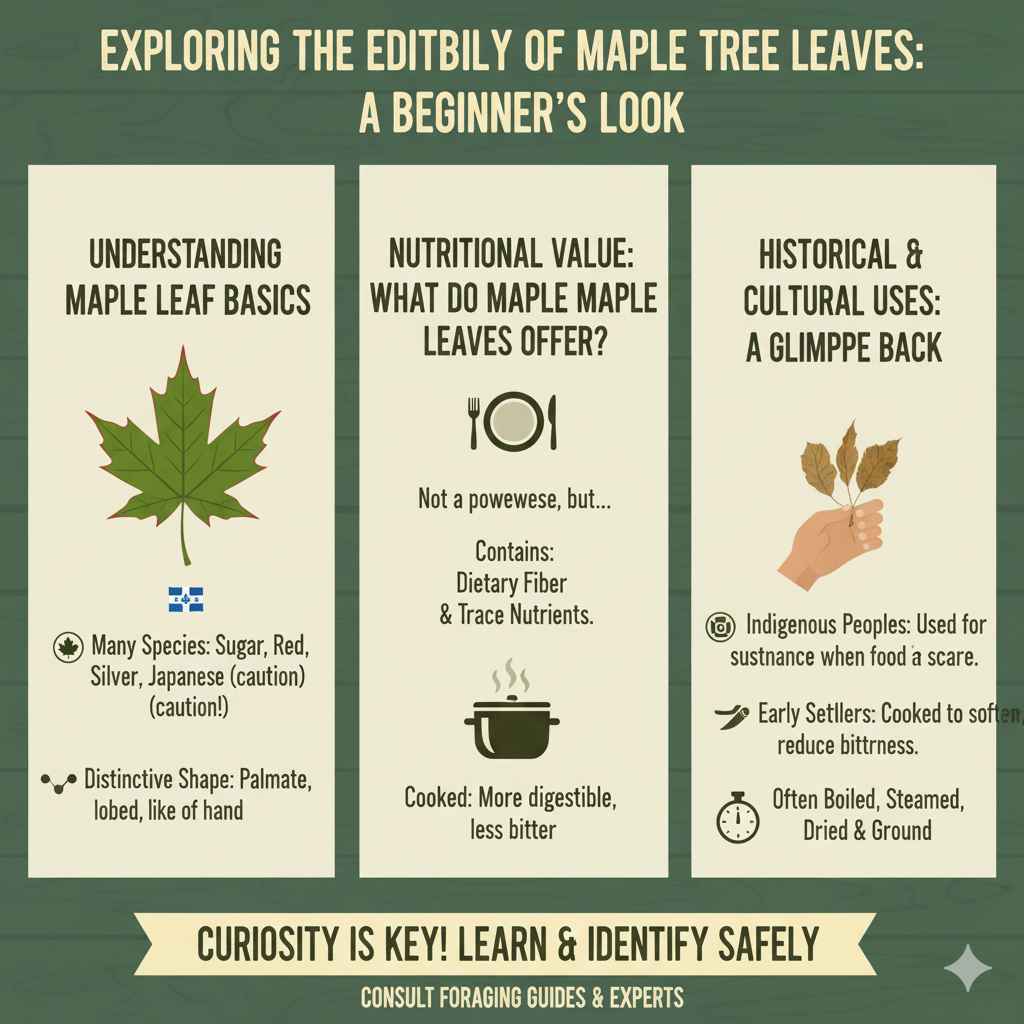
Exploring the Edibility of Maple Tree Leaves: A Beginner’s Look
As a woodworking mentor, I’m all about understanding the materials we work with – their strengths, their limitations, and how to shape them. The same applies when we explore nature’s pantry. Maple trees, famous for their sweet sap that becomes delicious syrup, also have leaves. So, can you eat maple tree leaves? The short answer is yes, but with significant caveats. They aren’t exactly a culinary star, and there’s a right way and a wrong way to approach them if you’re considering it.
Historically, indigenous peoples and early settlers sometimes utilized various plant parts, including leaves, for sustenance. This often involved cooking them thoroughly to make them more digestible and less bitter. However, in modern times, with a vast array of readily available and more nutritious foods, eating maple leaves is rare. If you’re curious about foraging or simply want to understand more about the maple tree’s potential, this guide will help clarify what’s involved.
Understanding Maple Leaf Basics
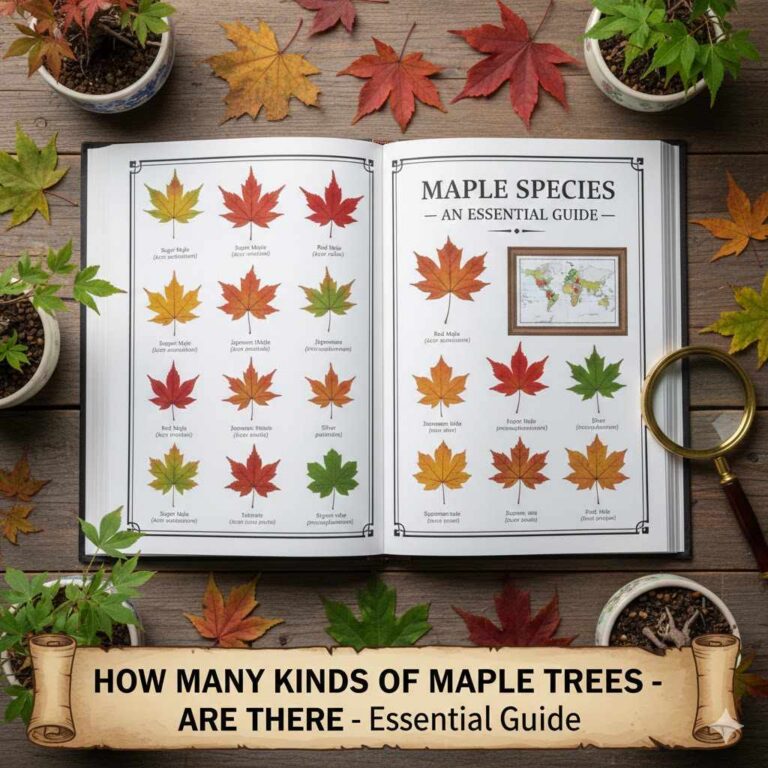
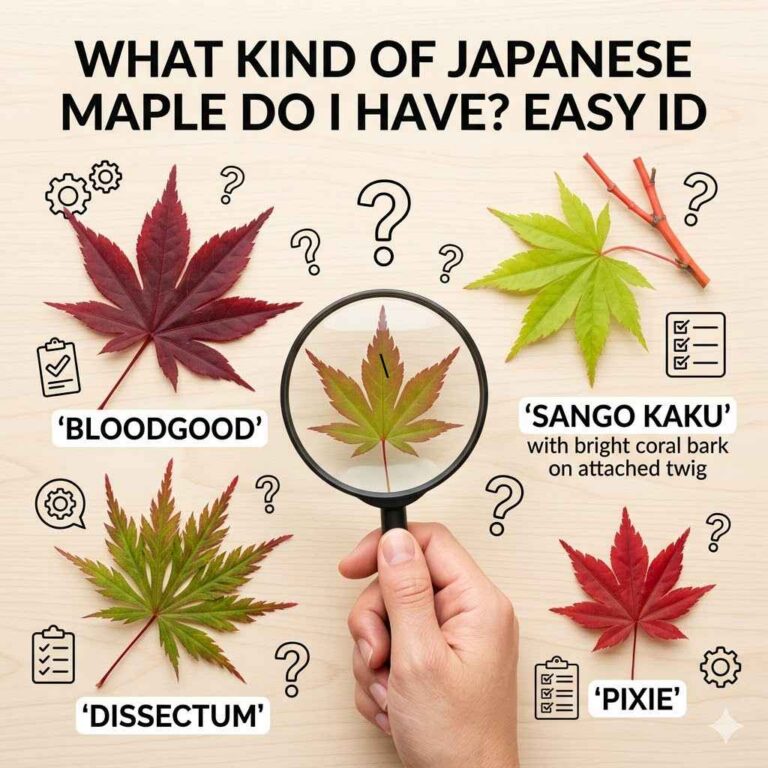
Before we delve into the “how-to,” it’s important to know a little about the maple tree itself. There are many species of maple, most famously the Sugar Maple (Acer saccharum), Quebec’s provincial tree and the primary source of maple syrup. Other common types include Red Maple (Acer rubrum), Silver Maple (Acer saccharinum), and Japanese Maple (Acer palmatum) – though many ornamental maples are not suitable for consumption.
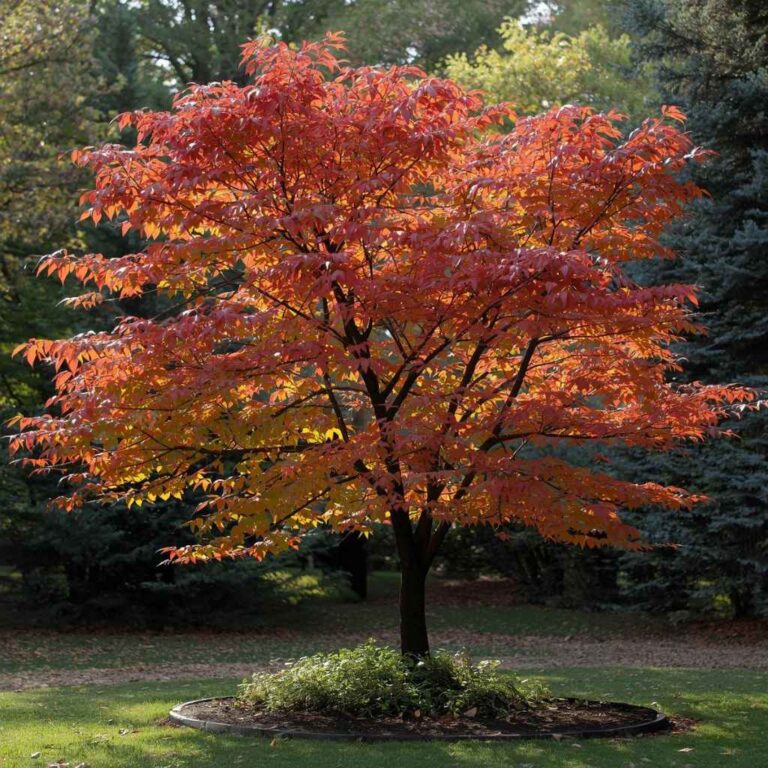
Maple leaves typically have that distinctive palmate shape, with several lobes radiating from a central point, like a hand. They are generally broad and can vary in size depending on the species and the age of the tree.
Nutritional Value: What Do Maple Leaves Offer?
Let’s be straight up: maple tree leaves are not a nutritional powerhouse. If you’re looking for vitamins and minerals, there are far more efficient and enjoyable ways to get them. However, like many leafy greens, they do contain some dietary fiber and trace amounts of nutrients.
When cooked, especially boiled, some of their properties might become more digestible. Think of it like preparing tough cuts of wood for a project – a little processing can reveal its potential. Early foraging guides sometimes mention them as a source of roughage, acknowledging their fiber content. It’s important to remember that the bulk of a maple tree’s edible bounty comes from its sap, not its foliage.
Historical and Cultural Uses: A Glimpse Back
For centuries, communities living in maple-rich forests relied on nature for survival. This included foraging for edible plants, and leaves were often part of the mix when other food sources were scarce. Indigenous peoples had extensive knowledge of local flora and knew how to prepare various parts of plants for food or medicine.
Some historical accounts and ethobotanical records suggest that maple leaves, particularly young ones, were sometimes eaten. They would typically be cooked – boiled, steamed, or dried and ground – to soften them and reduce any bitterness or potential irritants. This historical context is why the question “Can you eat maple tree leaves?” even arises today. It speaks to a time of deep connection with the natural world and resourceful use of available resources.
Can You Eat Maple Tree Leaves? The Practicalities
Now, let’s get down to the practical side. If you’re still curious about trying maple leaves, understanding the “how” is crucial. It’s not as simple as plucking a leaf and munching on it raw.
Which Maple Leaves Are Edible?
While many maple species’ leaves are generally considered non-toxic, it’s always best to stick to the most well-documented ones if you plan on experimenting. The Sugar Maple (Acer saccharum) and Red Maple (Acer rubrum) are often cited in historical foraging contexts. However, caution is always advised. Many ornamental maples, like some cultivars of Japanese Maple, may not be suitable or recommended for consumption.
When in doubt, the safest bet is to not eat any leaf unless you are absolutely certain of its identification and edibility from multiple reliable sources. Misidentification can lead to eating toxic plants, and that’s a risk nobody wants to take. For reliable plant identification, you might consult resources like the USDA Forest Service or local botanical guides.
Preparation is Key: Making Leaves Palatable
Raw maple leaves are generally not very appealing. They can be tough, fibrous, and have a slightly bitter or astringent taste. The key to making them somewhat edible lies in thorough preparation.
Here’s a general approach, inspired by historical practices:
- Harvest Young Leaves: The best time to gather leaves is in late spring or early summer when they are young, tender, and have not yet developed tough fibers. Older leaves will be much more fibrous and less palatable.
- Wash Thoroughly: Always wash any foraged ingredients extensively. Use cool running water to remove dirt, insects, and any environmental contaminants.
- Boiling is Essential: This is the most critical step. Boiling maple leaves for a significant period (often 15-20 minutes or longer) is necessary to break down their tough cellulose, reduce bitterness, and make them more digestible. This process is similar to how we might boil certain tough vegetables before using them in a dish.
- Discard Cooking Water: After boiling, it’s a good idea to discard the cooking water. This helps to further remove any lingering bitterness or potential compounds you don’t want to consume.
- Further Cooking: Once boiled, the leaves can be treated much like other cooked greens. They can be chopped and added to soups, stews, or sautéed.
What About Raw Maple Leaves?
Eating maple leaves raw is strongly discouraged. They are difficult to digest, can be gritty, and the taste is generally unpleasant. Raw leaves lack the softening and flavor-improving qualities that cooking provides. Think of it this way: you wouldn’t eat a raw potato or a raw string bean; they need cooking to become palatable and digestible. Maple leaves fall into a similar category when considering consumption.
Risks and Considerations: What to Watch Out For
Like any form of foraging, there are risks involved. It’s crucial to approach this with caution and a deep understanding of safety.
Potential for Contamination
Leaves, especially those growing near roadsides or in areas frequented by animals, can absorb pollutants from the air and soil. Pesticides, herbicides, and heavy metals can be taken up by the plant. Always forage from areas you know are clean and free from chemical treatments.
Identification Errors
This is perhaps the biggest risk. Mistaking a toxic plant for an edible one can have severe consequences. Always be 100% sure of your identification before consuming any wild plant. When in doubt, leave it out.
Digestive Upset
Even when prepared correctly, some people might find maple leaves difficult to digest. They are fibrous and not a common part of the modern diet. Start with very small amounts if you choose to experiment, and see how your body reacts.
Are All Maple Leaves Safe? Toxin Concerns
While the common maples are generally not considered highly toxic, there aren’t extensive scientific studies on the long-term effects or specific compounds in every maple leaf species when consumed in quantity. There is some research into phytochemistry of maple leaves, but not specifically related to human consumption safety in large amounts. It’s always wise to err on the side of caution. For instance, some plant species might contain oxalates or other compounds that can be problematic if consumed excessively.
A good rule of thumb in foraging is to only consume plants that have a long, well-documented history of safe use by multiple cultures, and even then, with proper preparation. If you’re interested in foraging for edible leaves, consider consulting with experienced local foragers or reputable field guides that focus on edible wild plants in your specific region. Organizations like the Edible Wild Foods website offer extensive information on safe foraging practices.
Maple Leaves vs. Maple Sap & Syrup: A Taste of Tradition
It’s easy to get maple leaves confused with the true star of the maple tree – its sap and the resulting syrup. This is where the real magic of the maple tree lies for most people.
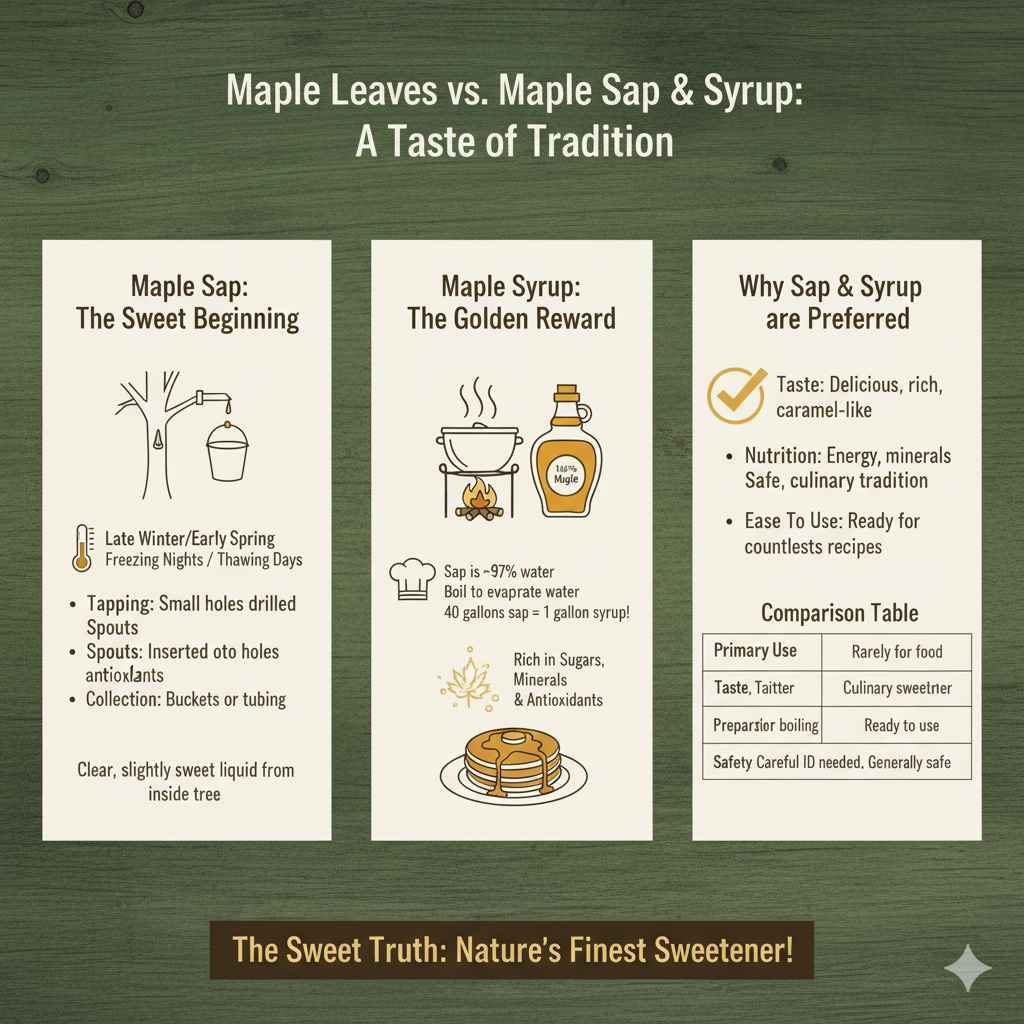
Maple Sap: The Sweet Beginning
Maple sap is a clear, slightly sweet liquid that flows within the maple tree during the late winter and early spring. It’s harvested by tapping the trees and collecting the dripping sap.
How Sap is Collected
- Tapping: Small holes are drilled into mature maple trees.
- Spouts (Taps): Metal or plastic spouts are inserted into the holes.
- Collection: Buckets or tubing systems are used to collect the sap that drips from the spouts.
Sap collection is a science and an art, often involving careful monitoring of weather conditions (freezing nights followed by thawing days are ideal). You can even tap your own maple trees if you have them on your property using maple sugaring guides from university extension offices.
Maple Syrup: The Golden Reward
The sap itself is about 97-98% water. To make maple syrup, the sap must be boiled to evaporate most of the water, concentrating the sugars. It takes roughly 40 gallons of sap to produce just 1 gallon of syrup!
Maple syrup is rich in sugars (mostly sucrose) and contains small amounts of minerals and antioxidants. It’s a beloved natural sweetener and a staple in many kitchens.
Why Sap and Syrup are Preferred
- Taste: Sap and syrup have a distinct, delicious flavor that leaves don’t.
- Nutrition: While sap isn’t a major source of calories, syrup provides energy from sugar and has some beneficial antioxidants and minerals, which are far more concentrated than in the leaves.
- Proven Edibility: The use of maple sap and syrup for consumption is deeply ingrained in culinary tradition and safety is well-established.
- Ease of Use: Sap and syrup can be consumed directly or used in countless recipes without extensive, complex preparation like leaves might require.
Comparison Table: Maple Leaves vs. Maple Syrup
Here’s a simple comparison to highlight the differences:
| Feature | Maple Leaves | Maple Syrup |
|---|---|---|
| Primary Use | Rarely for food; historically for roughage/survival | Culinary sweetener, flavor enhancer |
| Taste Profile | Tannic, bitter (raw); mild, earthy (cooked) | Sweet, rich, caramel-like, distinct maple flavor |
| Preparation | Requires extensive boiling to be palatable and digestible | Concentrated sap; ready to use |
| Nutritional Value | Fiber, trace nutrients | Sugars (energy), minerals (manganese, zinc), antioxidants |
| Commonness in Diet | Extremely rare | Commonly used worldwide |
| Safety | Requires careful identification and preparation; potential contaminants | Generally safe and well-established as food |
Frequently Asked Questions (FAQ)
Here are some common questions beginners might have about eating maple tree leaves:
Q1: Is it safe to eat any maple tree leaf I find?
No, it’s not safe to eat just any maple tree leaf. While many common maples aren’t inherently toxic, you must be absolutely sure of your identification. Always prioritize young, tender leaves from well-known edible species like Sugar Maple or Red Maple, and never forage near roads or polluted areas. When in doubt, do not consume.
Q2: What is the best way to prepare maple leaves for eating?
The best way is through extensive boiling. Wash the young, tender leaves thoroughly. Then, boil them for at least 15-20 minutes until they soften significantly. Discard the boiling water. After boiling, you can chop them and use them in cooked dishes like soups, stews, or sautéed greens, similar to how you might prepare spinach or kale.
Q3: Can I eat maple leaves raw?
Eating maple leaves raw is not recommended. They are tough, fibrous, and can be quite bitter or unpleasant in taste. Raw leaves are also harder to digest. Cooking, particularly boiling, is essential to make them more palatable and digestible.
Q4: Do maple leaves have a lot of nutritional value?
Maple leaves contain fiber and some trace nutrients, similar to other leafy greens. However, they are not considered a significant source of vitamins or minerals. Their nutritional contribution to the diet is minimal compared to more common edible plants.
Q5: What is the difference between eating maple leaves and drinking maple sap or syrup?
Maple sap and syrup are derived from the tree’s vascular system and are a primary food source from the maple tree. Sap is naturally sweet and is concentrated into syrup through boiling. Syrup is rich in sugars, minerals, and antioxidants and has a well-established, delicious flavor. Leaves, on the other hand, are part of the tree’s structure for photosynthesis and have a very different, less appealing taste and nutritional profile, requiring much different preparation.
Q6: Are there any specific maple tree species that are better or worse for eating leaves?
Generally, leaves from Sugar Maple (Acer saccharum) and Red Maple (Acer rubrum) are the ones most often cited in historical foraging contexts. However, caution is still advised. Ornamental varieties, such as some Japanese Maples, are typically not considered for culinary use. It’s always best to research the specific species you have access to and consult multiple reliable foraging resources.
Conclusion: Admire, But Don’t Rely On Maple Leaves
So, can you eat maple tree leaves? Yes, under very specific conditions and with careful preparation, they can be made edible. However, as we’ve explored, they aren’t a mainstream food source for good reasons. Their palatability and nutritional value are far surpassed by other readily available options, and the risks associated with foraging – from misidentification to contamination – mean it’s an endeavor best suited for the truly experienced and cautious.
For the vast majority of us, the maple tree offers its true gifts through its sap, which transforms into the beloved syrup we enjoy. It’s a wonderful example of nature’s bounty, but it’s wise to appreciate maple leaves for their beauty and their vital role in the tree’s life cycle, rather than relying on them for sustenance. If you’re interested in plant-based foods, there are many easier, safer, and more delicious paths to explore. Stick to the syrup, enjoy the autumn colors, and leave the leaves for the forest floor.