Wood Projects That Sell (2026): 12 Ideas and Take-Home After Fees
Etsy keeps about 9.5% of every sale plus $0.45 before you count wood or your time, so the wood projects that sell are the ones whose price survives that math. This guide lists 12 buildable projects with the tool and safety note for each, runs Etsy’s current fees against four price points, and covers the rules for anything a child will use.
12 Wood Projects That Actually Sell
Best Pocket-Hole Jig Pick | |
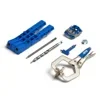 |
Kreg Pocket-Hole Jig 320 with 2-Inch Face Clamp ($49) A compact jig for the hidden-screw joints behind the shelves, benches, small tables and planter boxes in the list below, sold with a face clamp to hold the board while you drill.
|
As an Amazon Associate we earn from qualifying purchases.
Every project below is common on seller roundups and craft-fair tables, which is a reason to expect demand but not a guarantee of it: no public dataset ranks wood projects by units sold. Pick on three things you control: whether you can build it well, whether a buyer can personalize it, and whether the price clears fees. For easier first builds, see our 12 simple woodworking projects for true beginners, and for the full pricing method see how to price woodworking projects.
Kitchen and Home Decor
- 1. Cutting boards. Edge-grain boards need only a planer or a careful hand-sanding routine and clamps. Buyers use them with food, so choose a finish whose label states it is for food contact and name it in the listing. Design options are in our DIY cutting board designs guide.
- 2. Charcuterie and serving boards. Same build as a cutting board with a handle cutout or a live edge, and the same food-contact finish rule.
- 3. Coasters. The fastest build on the list and an easy way to use offcuts. Seal both faces so a wet glass does not leave a ring or cup the wood.
- 4. Floating shelves. A hollow box slides over a hidden steel bracket or cleat. Load-test your own sample and publish the weight you actually tested; wood choice matters, see our best wood for shelves guide.
- 5. Personalized signs. A routed or wood-burned name or date is what turns a plank into a gift. If a laser or CNC service does the lettering, Etsy requires you to disclose that (see the rules below).
- 6. Coat and key racks. A board, hooks and a pair of keyhole or cleat mounts. Cheap to build, light to ship, and easy to size to a buyer’s entryway.
Furniture and Storage
- 7. Small tables. Side tables and coffee tables bring the largest price per piece in this list but also the most shop days. Treat them as custom orders rather than stock.
- 8. Bookshelves. Stable and square beats fancy. Include a wall-anchor strap with any tall piece and say so in the listing.
- 9. Pet feeding stands. A raised frame with two bowl cutouts. Size it to the dog and offer a choice of height, which is a custom-order hook that big-box stands cannot match.
Outdoor, Live-Edge and Turned Pieces
- 10. Planter boxes. Use a rot-resistant wood such as cedar, drill drainage holes, and keep the build simple enough to batch several at once.
- 11. Garden benches. Heavy, so shipping can erase the take-home. Plan on local pickup or delivery and sell at craft fairs or through local groups.
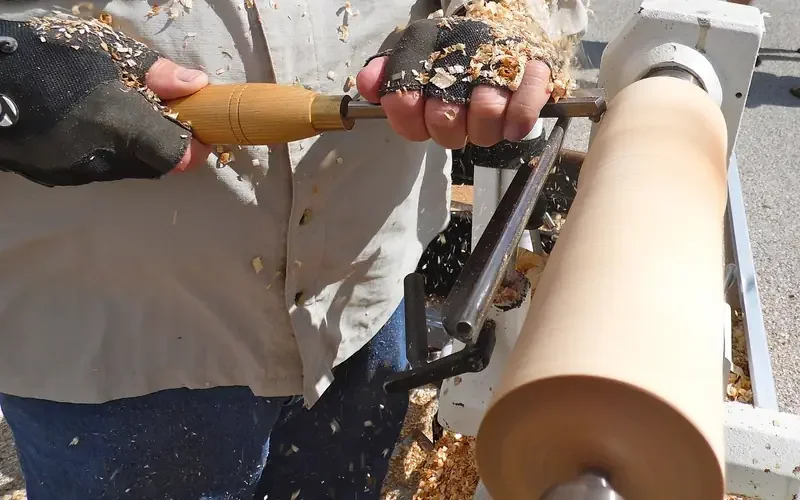
- 12. Turned bowls. Needs a lathe, a face shield and practice, so it is the slowest to learn and the most distinctive once you can do it. Use dry wood and a food-contact finish for anything meant for fruit or bread.
What Wood Projects That Sell Actually Pay
Most lists name a profit range without showing the math. The only numbers that are the same for every seller are the platform’s fees, so here they are applied to four sample sale prices. The prices are illustrative, not market data, and each row assumes one $0.20 listing fee per sale, no shipping, and no ad fees in the first fee column.
Etsy’s published US fees: $0.20 per listing, 6.5% transaction fee, and 3% + $0.25 payment processing, plus a 15% fee on sales that come through Etsy’s offsite ads. Source: Etsy seller page, checked October 2026. The transaction fee is charged on the shipping price you set as well, so real fees run higher than the table when you charge for shipping.
| Sample sale price | Fees (listing + 6.5% + 3% + $0.25) | You keep before materials and labor | With 15% offsite ads: you keep |
|---|---|---|---|
| $30 | $3.30 (11.0%) | $26.70 | $22.20 |
| $60 | $6.15 (10.2%) | $53.85 | $44.85 |
| $120 | $11.85 (9.9%) | $108.15 | $90.15 |
| $250 | $24.20 (9.7%) | $225.80 | $188.30 |
Two things the headline “6.5% fee” hides. First, the real figure is closer to 9.5% plus $0.45, and the flat part hurts cheap items most: it takes 11% of a $30 sign but under 10% of a $250 table. Second, when a sale comes from an offsite ad the total fee passes 24%, which is why a low-priced item can stop being worth listing.
Now turn that into pay for your shop time. As an arithmetic example with assumed inputs (not measured results): a board listed at $60 with $12 of materials and 2.5 hours of work leaves $41.85 after fees and materials ($60 minus $6.15 minus $12), which is $16.74 per hour. The same board taking 4 hours pays $10.46 per hour. Time per piece moves your hourly result more than price does, so track your real build time on the first two or three pieces before you set prices. Percentage margin alone is misleading: a high percentage on a cheap piece can still pay less per hour than a modest percentage on a larger one.
If you want the markup method for each selling channel, our pricing guide covers it, and our can you make a living woodworking article covers shop-rate and income questions.
What Makes a Wood Project Actually Sell
Buyers compare your piece against a big-box version of the same thing, so it needs something that version cannot offer: a clean build, an even finish, and a reason it is specifically theirs.
Personalization Beats Generic Inventory
A name, date or short message makes a standard board or sign a gift, and a gift buyer is shopping for the person, not the lowest price. It also costs you a few minutes, not a new design. If you want a way to mark every piece you sell, see our guide to branding your woodwork.
Reclaimed and FSC-Certified Wood Adds Story Value
Pieces from reclaimed barn wood or lumber certified by the Forest Stewardship Council (FSC) let you tell a sourcing story in the listing, which new generic lumber cannot do. Keep the claim honest: say what the wood is and where it came from, and only use “FSC” if your supplier can show the certification.
Finish Quality Is What Buyers Notice First
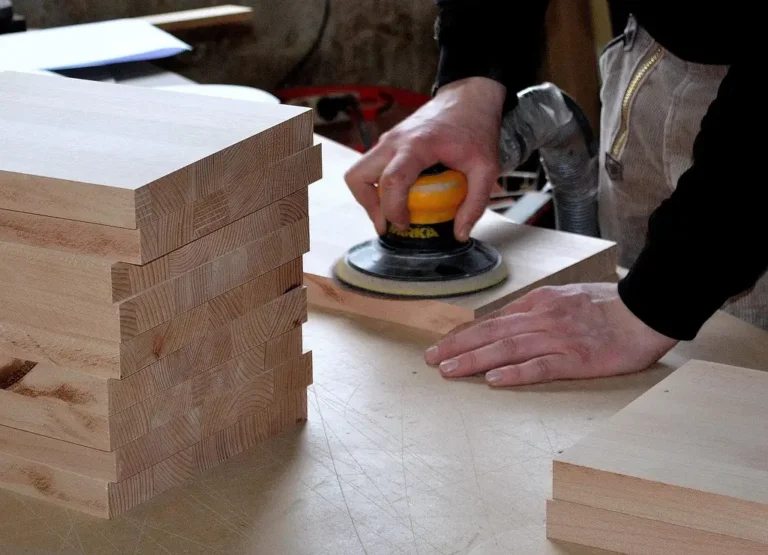
Buyers see and feel the finish before they judge the joinery. Sand through the grits in order, raise the grain once and sand again on anything that will get wet, and finish before you photograph the piece. On boards and bowls that touch food, use a finish labeled for food contact. A rushed finish is the easiest flaw for a buyer to spot, and the one most likely to turn into a return.
Safety and Compliance Rules Before You Sell
Some wood projects carry legal requirements that a cutting board does not. This is general information, not legal advice, so confirm the details with the agencies linked below.
- Children’s items need a certificate. According to the U.S. Consumer Product Safety Commission (CPSC), a small-batch manufacturer must always certify its children’s products as compliant with the safety rules that apply to them, and must always issue a Children’s Product Certificate. See the CPSC small batch manufacturer guidance.
- Small parts and lead rules cannot be skipped. CPSC says small batch manufacturers get no testing relief for its Group A rules, which include lead in paint and small parts. In practice: if a toy, a stool or a toy box is meant for young children, avoid detachable small pieces and check your paint and finish against those rules.
- Disclose how it was made. Etsy requires that you accurately describe how an item was made, by whom and where it ships from, and to disclose when a production partner such as an engraver makes your design. See Etsy’s Creativity Standards.
| Project | Check before you list it | Basis |
|---|---|---|
| Cutting boards, serving boards, bowls | Food-contact finish named on its label; state it in the listing | General practice |
| Toys, stools, toy boxes for children | Children’s Product Certificate; no small parts for children under 3; paint and finish checked | CPSC (linked above) |
| Floating shelves | Tested load published, hardware included, studs or anchors specified | General practice |
| Bookshelves and tall pieces | Wall-anchor strap included in the box | General practice |
| Signs with laser or CNC lettering | Disclose the production partner in the listing | Etsy policy (linked above) |
Where to Sell Wood Projects for the Best Price
The same board earns different amounts depending on where you list it, because each venue charges differently and reaches a different buyer. Match the venue to the project.
- Etsy and online marketplaces: best for personalized and giftable items (signs, boards, small decor) that ship easily and photograph well. Use the fee table above to check that your price still pays after about 9.5% plus $0.45.
- Local craft fairs and farmers markets: best for larger or fragile pieces buyers want to handle before paying full price, and for heavy items where shipping would erase the margin. Booth fees vary by event, so ask each organizer before you commit.
- Custom orders and commissions: no marketplace fees, and the price is set by the buyer’s exact request. Clear drawings and a deposit protect you if the buyer changes their mind.
- Local shop consignment: steady exposure with no marketing work, but the shop sets its own commission, so get the percentage in writing before you build for it.
Whichever channel you use, real photos of finished work do more to close a sale than description text. For how to get people to find you at all, see how to promote your woodworking business. If you want more ideas at the small-item end, our small woodworking projects you can make and sell covers them, and our free woodworking project plans with real cut lists help you standardize builds so pricing stays consistent order to order.
How to Price a Wood Project So It Actually Sells
Underpricing is the most common reason a project that looks profitable stops being worth building. Use this order:
- Total your material cost: wood, finish, hardware and packaging, everything that goes out the door with the piece.
- Add your labor: time two or three real builds, then multiply by an hourly rate you choose, not by your material cost alone.
- Add the platform fees: at Etsy’s published rates that is about 9.5% of the sale price plus $0.45, and more if the sale comes from offsite ads.
- Check the shelf price: compare the result with similar listings. If you cannot reach it at a believable price, change the design to cut build time or sell through a no-fee channel.
A personalized detail that adds ten minutes of work can carry a small price increase, because the buyer is paying for a gift that is theirs, not for your minutes. Test it on one listing before you apply it to all of them.
Frequently Asked Questions
What wood project sells the most?
No public dataset ranks wood projects by units sold, so any single answer is opinion. Cutting boards, personalized signs, floating shelves and planter boxes appear on most “what sells” lists. Choose the one you can build well, personalize, and price above Etsy’s fees.
What is the most profitable thing to build out of wood?
It depends on your hours, not on the project name. Small items earn little per piece but build quickly; furniture earns more dollars per piece and ties up days. Compare what you keep after fees divided by shop hours, as the example above does.
Can you make a living selling wood crafts?
It is possible, but income varies widely and no single figure applies. Most sellers combine several channels rather than one. Our guide on making a living woodworking covers shop rates and costs, and the first step is to measure your real hourly take-home on a few pieces.
How do you price a wood project so it actually sells?
Add material cost, then labor time at an hourly rate you choose, then platform fees (about 9.5% plus $0.45 on Etsy at current rates). Pricing at material cost alone is the most common reason woodworkers end up working for free.
Where is the best place to sell wood crafts online?
Etsy is a common starting point for personalized and giftable wood items, at $0.20 per listing plus 6.5% and 3% + $0.25 per sale. Local Facebook Marketplace groups and craft fairs suit larger pieces where shipping would eat the take-home.
Conclusion
The wood projects that sell best combine a build you can repeat, a personalization option, and a price that still pays after fees. Run the fee math before you pick a project, check the safety rules for anything a child will use, and track your build time so you know what your hours actually earn.
Sponsored / affiliate links. As an Amazon Associate I earn from qualifying purchases. I may earn additional commission from eligible campaigns.