How to Hang Things on Cement Walls Without Drilling (7 Methods)
Hammer-in hardwall hangers (25 lb on the OOK pack) are the strongest true no-drill hold for bare cement, while adhesive strips only work on smooth, painted concrete. Raw or textured cement is why most strips fall, and Command itself says its products are not recommended for rough concrete. This guide covers seven no-drill methods, the maker-stated weight limit for each, and a quick wall check to run before you buy.
Which No-Drill Method Fits Your Cement Wall?
Best Bare-Cement Hanger Pick
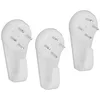 |
OOK Hardwall Hanger, 25 lb, 3-Pack ($5.98) Steel pins tap into the wall with a hammer, so no power drill is involved. This is the hammer-in route from the surface table below, the one built for bare cement where adhesive strips are not recommended.
|
As an Amazon Associate we earn from qualifying purchases.
The surface decides the method more than the weight does. Adhesives need a smooth, clean, dry face to bond to, and most cement walls fail at least one of those tests. Find your wall in this table first, then pick from the seven methods below.
| Your cement wall | What the makers say | Best fit |
|---|---|---|
| Smooth, fully cured painted concrete | Command listings name painted concrete and cinderblock; paint must cure at least 7 days first | Adhesive strips, mounting tape |
| Bare, smooth, unpainted concrete | Command’s listings name painted surfaces, not raw concrete, so treat strips as untested and try a light item first | Hammer-in hanger for anything valuable |
| Rough, textured or pitted cement | Command: strips are not recommended for heavily textured surfaces, and not for rough concrete | Hammer-in hanger, or no contact at all |
| Damp basement or garage wall | Command: regular hooks and strips may not perform as well in humid areas | Hammer-in hanger; fix the moisture first |
Brick and cinder block behave differently from poured or smooth cement, because of mortar joints and open pores. If that is your wall, our guides to hanging things on cinder block and hanging things on a brick wall cover those surfaces.
How to Check Your Cement Wall Before You Buy Anything
Spend two minutes on the wall first. Run your palm across it: if it feels gritty, pitted or chalky, assume adhesives will have little real contact area. Then check the finish: paint, sealer or bare concrete. Paint older than a week is fine for strips, per the Command FAQ page, which says the paint must be fully cured for at least 7 days and the surface clean, smooth and in good condition.
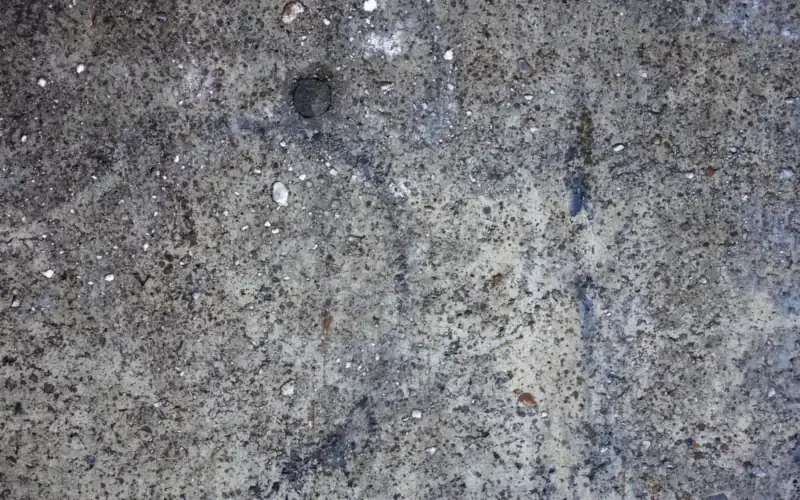
Finally, think about moisture. Basement and garage walls can stay damp, and Command says regular strips may not perform as well in humid areas. If the wall feels cool and clammy or shows white mineral staining, skip adhesives for anything you would be upset to lose.
7 Ways to Hang Things on Cement Walls Without Drilling
1. Hammer-In Hardwall Hangers
Hardwall hangers are plastic hooks with several steel pins that you tap into the wall with a hammer. The OOK pack above states 25 lb and names concrete, brick and block. According to Picture Hang Solutions, its small and large hardwall plastic hooks are rated 20 lb and 30 lb, are anchored with small metal nails, and should be discarded after removal rather than reused. They leave pin holes, so this is the option where “no drilling” does not mean “no holes”.
2. Adhesive Picture Strips on Painted Concrete
Command’s Amazon listings state 16 lb for four pairs of Large strips and 20 lb for four pairs of XL strips, both with a 24 x 36 inch maximum frame, and both name painted concrete and cinderblock. The same listings add two rules worth repeating: do not hang over beds, and do not use the strips for valuable items. On bare or rough cement, skip this method.
3. Heavy-Duty Double-Sided Mounting Tape
Scotch-Mount heavy duty tape is listed for painted concrete, with a stated 1 lb per 2 inches of tape, so 30 lb takes 60 inches. The listing gives an application range of 50 to 100 F. A separate Gorilla heavy duty mounting tape listing states 30 lb and names brick and rough surfaces, but its listing calls the hold permanent, which is a poor trade on a wall you might repaint.
4. Removable Mounting Putty
Putty is for posters and light decor. Gorilla’s listing states 2 lb at roughly 4 squares per pound, and Duck’s states up to 1 lb and warns against fresh or peeling paint. Putty is also not a mount for anything that would break if it dropped.
5. Two-Nail Concrete Picture Hangers
OOK’s 30 lb concrete hanger uses two hardened angled nails through a wide steel base. It is also hammered in rather than drilled, and its listing names brick, block and concrete. Choose it over the plastic hardwall hanger when the frame is heavier or when you want a steel base.
6. Tension Rods and Poles
A spring-loaded or screw-tightened pole wedges between floor and ceiling and never touches the wall, which makes it useful in a garage, basement or rental. I did not find a consistent manufacturer weight rating across brands, so use the number printed on the pole you buy and treat the pole as a place for light items, not a mounting point for heavy ones.
7. Skip the Wall: Lean or Freestand
A ladder shelf, an easel, or a mirror leaned against the wall puts no load on the cement at all. The catch is tipping: tall, heavy pieces can fall forward, so see our guide on anchoring furniture to a wall without drilling before you lean anything big.
No-Drill Weight Limits at a Glance (Maker-Stated)
These are the figures printed in the makers’ own product listings and FAQ, not tested ones, and they apply to the specific products named. Use them as ceilings, and count the glass in a frame.
| Method | Stated limit | Surface named by the maker | Catch |
|---|---|---|---|
| OOK 50096 hardwall hanger | 25 lb | Concrete, brick, block | Leaves pin holes |
| OOK 533710 two-nail hanger | 30 lb | Brick, block, concrete | Nails through wide base |
| Command Large strips (4 pairs) | 16 lb, frame up to 24 x 36 in | Painted concrete and cinderblock | Not for rough concrete |
| Command XL strips (4 pairs) | 20 lb, frame up to 24 x 36 in | Painted concrete and cinderblock | Not over beds; no valuables |
| Scotch-Mount heavy duty tape | 1 lb per 2 in; 30 lb at 60 in | Painted concrete | Apply at 50 to 100 F |
| Gorilla mounting putty | 2 lb (about 4 squares per lb) | Painted walls, tile, wood | Light items only |
| Duck poster putty | Up to 1 lb | Cinder block, brick, tile | Not on fresh or peeling paint |
The Command Products FAQ says its products are “not recommended for wallpaper, brick, or rough concrete” and to use only products that list your surface on the package. Source: Command FAQ page.
Three Myths That Make Things Fall Off Concrete
- “Outdoor strips are the rough-concrete version.” Command describes its outdoor strips as water- and UV-resistant and for smooth outdoor surfaces such as doors, windows, siding, decks, gutters and trim. Rough concrete is not on that list.
- “Magnetic tape or hooks stick to cement.” Concrete is not magnetic. A magnet needs steel behind it, so magnetic products on cement are adhesive products in disguise.
- “No drilling means no holes.” Hammer-in hangers and two-nail hangers both penetrate the wall. They are the right call on bare cement, but expect pin holes when they come off.
How to Get an Adhesive Strip to Hold on Painted Concrete
If your wall passes the surface check, follow the maker’s own sequence. Each step below comes from the Command FAQ page or the product listings.
- Wait for the paint: let new paint cure at least 7 days.
- Clean the wall: wipe with rubbing alcohol and let it dry fully; the FAQ lists dusty, oily, damp or textured surfaces as the usual reason strips fail.
- Match the strips to the frame: use the pair count on the package for your frame size and weight, and never exceed the limit.
- Check the room: avoid humid spaces and temperature swings, both listed as common causes of falls.
- Remove slowly: pull the tab straight down along the wall, not toward you, and use new strips each time you rehang.
When Drilling Is the Better Call
No-drill methods top out around 30 lb in the maker figures above. Shelves loaded with books, TVs, heavy mirrors and anything over a bed or doorway need masonry anchors instead. Our guide on drilling into concrete covers the tool side. One safety point from Picture Hang Solutions: do not use compressed air to clean silica-containing dust from concrete. Use a vacuum or wet cleanup instead.
If you are hanging string lights rather than art, hanging lights on a concrete wall has different spacing needs, and for a wood cleat or backer board bonded to the wall, gluing wood to concrete blocks compares adhesives with fasteners.
Frequently Asked Questions
How do you hang pictures on a cement wall without drilling?
Match the hanger to the surface. On smooth, fully cured painted concrete, adhesive picture strips work within their printed weight limit. On bare, rough or textured cement, use a hammer-in hardwall hanger, which taps small steel pins into the wall with no power drill.
Will Command strips stick to a concrete wall?
Sometimes. Command’s FAQ says its products are not recommended for brick or rough concrete, and its picture strip listings name painted concrete and cinderblock. Smooth, cured, painted concrete is the realistic case; raw or textured cement is where strips fall.
How much weight can no-drill hangers hold on concrete?
The maker-stated numbers run from about 1 lb for putty to 20 lb for Command XL strips, 25 lb for OOK hardwall hangers, and 30 lb for OOK two-nail concrete hangers and Scotch-Mount tape at 60 inches. Always stay under the printed limit and count the frame’s glass.
Can you hang a heavy mirror on concrete without drilling?
Only if its full weight is below the rating of the method you pick. The highest maker-stated no-drill figures in this guide are 30 lb. A mirror heavier than that, or one over a bed or walkway, belongs on masonry anchors, so plan to drill.
Do magnets stick to concrete walls?
No. Magnets only grip steel, and concrete is not magnetic. Magnetic hooks or tape need a steel plate, or their own adhesive backing, to stay on a cement wall, so they are really adhesive products and carry the same surface limits.
How do you remove adhesive strips from a concrete wall without damaging the paint?
Pull the tab straight down slowly, along the wall, and never toward you. For two-piece hooks, lift the cover off first to expose the tab. Strips are single-use, so use fresh ones each time you rehang.
Conclusion
On cement walls, the surface picks your method: strips and tape for smooth painted concrete, hammer-in hangers for bare or rough cement, and no contact at all for the awkward cases. Stay under the maker-stated limit, count the frame glass, and move to anchors once the load passes about 30 lb.
Sponsored / affiliate links. As an Amazon Associate I earn from qualifying purchases. I may earn additional commission from eligible campaigns.