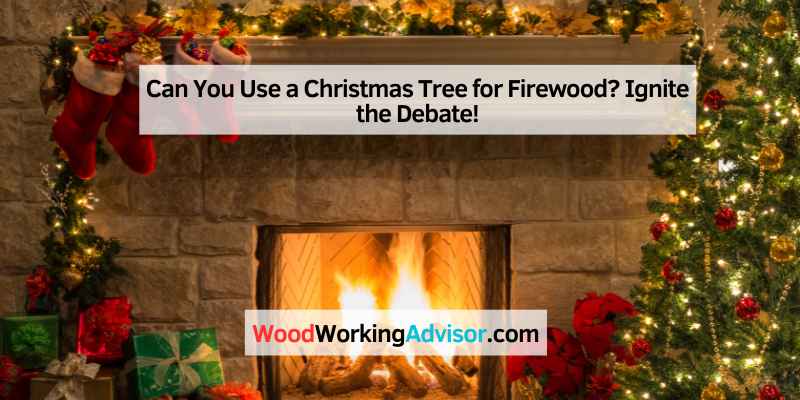
Can You Use a Christmas Tree for Firewood? Ignite the Debate!
Yes, you can use a Christmas tree for firewood, but only in outdoor fire pits. However, it’s important to avoid using any wood with sap in indoor or outdoor fireplaces.
As the holiday season comes to an end, many people wonder what to do with their Christmas trees. Once the festivities are over, the once vibrant and decorated tree can become a nuisance. However, instead of disposing of it, you can repurpose it as firewood for outdoor use.
While it’s not suitable for indoor fireplaces due to the high sap content, the branches and trunk of the tree can be utilized to start outdoor fires. We’ll explore the viability of using a Christmas tree as firewood and the precautions to consider when doing so.
The Great Debate: Christmas Trees As Firewood
When it comes to disposing of your Christmas tree after the holiday season, one option that often sparks a debate is using it as firewood. While it may seem like a convenient and eco-friendly solution, there are pros and cons to consider before turning your tree into firewood.
Pros And Cons
Using a Christmas tree as firewood has both advantages and disadvantages. Let’s take a closer look at the pros and cons:
| Pros | Cons |
|---|---|
|
|
Safety Concerns
One of the main safety concerns when using a Christmas tree as firewood is the high flammability of the needles. These needles can easily ignite and create sparks that may lead to uncontrolled fires. To ensure safety, it is important to use a shield to prevent sparks from leaving your fire pit and to keep flammable materials like grass, clothes, and nearby furniture away from the fire.
Additionally, some Christmas trees may contain sap or chemicals that can create burning hazards. These substances can cause the tree to burn too fast and too hot for many domestic burners and stoves, posing a risk to your home and surroundings.
While using a Christmas tree as firewood may seem like a practical solution, it is essential to consider the safety concerns and potential hazards associated with it. If you decide to use your tree as firewood, make sure it has dried out properly and take precautions to prevent sparks and fires.
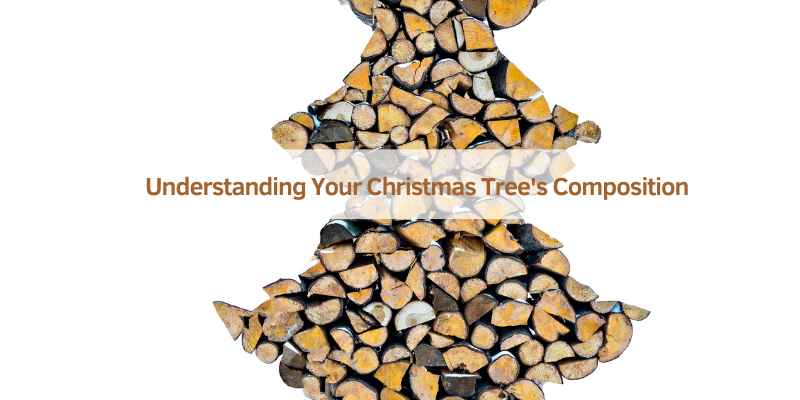
Understanding Your Christmas Tree’s Composition
You can repurpose your Christmas tree for firewood in an outdoor fire pit, avoiding sappy wood. The branches are useful for starting fires, but be cautious of indoor fireplace use due to quick ignition. Some trees, like willow and alder, are not ideal for burning.
Sap And Chemicals
When it comes to using a Christmas tree for firewood, it’s important to understand the composition of the tree. Christmas trees contain a significant amount of sap, which can create a burning hazard when used as firewood. The sap in the tree can cause it to burn too fast and too hot, making it unsuitable for many domestic burners and stoves.
In addition to sap, Christmas trees may also contain chemicals. These chemicals are often used to preserve the tree and keep it looking fresh throughout the holiday season. However, when burned, these chemicals can release harmful fumes into the air. It is important to avoid using trees with chemicals for firewood to ensure the safety of your indoor or outdoor fireplaces.
Needle Flammability
Christmas tree needles, no matter how dry, are extremely flammable. They have the potential to create a shower of sparks that can be difficult to control. These sparks can easily leave your fire pit if you aren’t using a shield, and can ignite nearby grass, clothes, and furniture. It is important to consider the flammability of the needles before using a Christmas tree for firewood.
While it may be tempting to use the wood and needles from your Christmas tree for firewood, it is crucial to prioritize safety. Instead, consider alternative ways to recycle your tree, such as shredding it to make mulch or using it as a frame for climbing plants. By finding creative and safe ways to repurpose your tree, you can contribute to a more sustainable and environmentally-friendly holiday season.
The Risks Of Burning Christmas Trees
Burning Christmas trees as firewood is not recommended due to the high flammability of the needles, which can lead to uncontrollable sparks. The sap in the tree can cause it to burn too fast and hot, posing a hazard. It is safer to repurpose the tree for mulch or outdoor fire pits.
Potential For Rapid Ignition
Burning Christmas trees can be dangerous due to their potential for rapid ignition. Christmas tree needles, no matter how dry, are highly flammable and can ignite quickly. This means that if you’re not careful, your Christmas tree fire could quickly get out of control and lead to a dangerous situation. It’s important to keep a close eye on your fire and have a fire extinguisher nearby in case of emergency.
Hazards Of Sparks And Sap
In addition to the potential for rapid ignition, burning Christmas trees can also pose hazards of sparks and sap. When burning, Christmas trees can create a shower of sparks that can be difficult to control. These sparks can fly out of your fire pit and potentially set nearby furniture, clothing, or grass on fire. Additionally, Christmas trees contain a lot of sap, which can create a burning hazard as it burns too fast and too hot for many domestic burners and stoves. This can be dangerous and should be avoided.
Recycling Your Christmas Tree
Rather than burning your Christmas tree, consider recycling it instead. There are many ways to put your tree to good use, from shredding it to make mulch to using it as a frame for climbing plants. In fact, there are seven ways to recycle your Christmas tree according to Gardeners’ World. Recycling your tree is not only safer, but it’s also better for the environment and can benefit your garden.
In conclusion, while it may be tempting to burn your Christmas tree for firewood, it’s important to be aware of the risks involved. From the potential for rapid ignition to hazards of sparks and sap, burning your Christmas tree can be dangerous and should be avoided. Instead, consider recycling your tree and giving it a new purpose.
Alternative Uses For Your Old Christmas Tree
Wondering what to do with your old Christmas tree once the holiday season is over?
Mulching
Give your tree new life by turning it into mulch for your garden.
Garden Structures
Repurpose your tree as a sturdy frame for climbing plants or as a natural garden structure.
Expert Opinions On Burning Christmas Trees
Expert opinions on burning Christmas trees as firewood vary. While it’s technically possible to use a Christmas tree for firewood, caution must be exercised. The needles are highly flammable and can create uncontrollable sparks, posing a fire hazard. Additionally, the sap in the wood burns too fast and hot for many domestic burners and stoves.
Therefore, it’s advisable to avoid using Christmas tree wood in indoor or outdoor fireplaces.
Fire safety professionals:
According to fire safety professionals, burning Christmas trees can pose significant risks. Christmas tree needles, even when dry, are highly flammable and can easily create sparks that are difficult to control. These sparks have the potential to ignite nearby objects such as grass, clothing, and furniture, leading to uncontrollable fires. It is crucial to exercise caution when burning Christmas trees and ensure proper safety measures are in place, such as using a shield to prevent sparks from escaping the fire pit.
Environmental impact:
When it comes to the environmental impact of burning Christmas trees, experts suggest exploring alternative ways to recycle or repurpose them. Christmas trees can be shredded to make mulch or used as a frame for climbing plants. By recycling the wood and needles, you can contribute to sustainable practices and reduce waste. Burning Christmas trees in wood burners or stoves is not recommended due to the high sap content and potential for fast and hot burning, which may be hazardous in domestic settings.
It is important to note that not all types of wood are suitable for firewood. Certain trees, such as willow and alder, do not burn well and produce excessive smoke. Others, like chestnut and gum, are prone to sparking, increasing the risk of fire hazards. Therefore, it is crucial to choose the right type of wood for burning purposes.
In conclusion, while it is possible to use a Christmas tree for firewood in an outdoor fire pit, it is essential to exercise caution and prioritize safety. It is advisable to explore alternative ways to recycle or repurpose the tree to minimize environmental impact. By doing so, you can enjoy the warmth and ambiance of a fire while being mindful of fire safety and the environment.
Types Of Wood To Avoid In Your Fireplace
When it comes to using wood for your fireplace, not all types are suitable. Some woods can produce excessive smoke, weak flames, or even pose a fire hazard. It’s important to be aware of the characteristics of poor firewood and understand which types to avoid to ensure a safe and efficient fireplace experience.
Characteristics Of Poor Firewood
When selecting firewood for your fireplace, it’s crucial to consider the characteristics of the wood to ensure optimal burning and safety. Poor firewood often exhibits the following characteristics:
- Excessive smoke production
- Weaker flames
- High sap content
- Tendency to spark
Comparing Christmas Trees To Other Woods
While Christmas trees can be used for firewood, it’s important to note that they may not be the most efficient option due to their high sap content. When comparing Christmas trees to other woods, it’s evident that certain types, such as willow, alder, chestnut, and gum, are also unsuitable for fireplace use due to their tendency to produce excessive smoke, weak flames, and sparks.
Safe Practices For Burning Firewood
When it comes to burning firewood, it is crucial to follow safe practices to prevent accidents and ensure efficient burning. Safe practices for burning firewood include choosing the right wood, fireplace and fire pit safety.
Choosing The Right Wood
- Opt for well-seasoned hardwood like oak or maple.
- Avoid softwoods like pine that produce excess creosote.
- Ensure the wood is dry to prevent excessive smoke.
Fireplace And Fire Pit Safety
- Use a spark screen to prevent sparks from escaping.
- Clean your fireplace or fire pit regularly to avoid buildup.
- Keep a fire extinguisher nearby for emergencies.
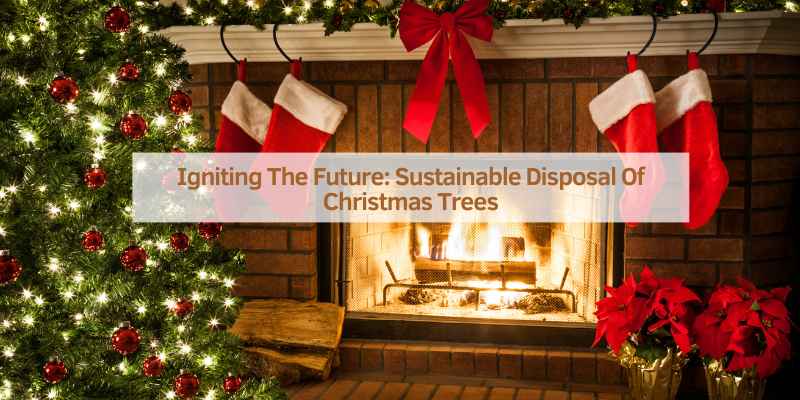
Igniting The Future: Sustainable Disposal Of Christmas Trees
When the festive season ends, many wonder what to do with their Christmas tree. Rather than letting it go to waste, consider sustainable disposal options that benefit both the environment and your home.
Recycling Programs
Communities across the country offer recycling programs for Christmas trees. These programs often involve chipping the trees into mulch, which can be used to nourish gardens and landscapes.
Eco-friendly Alternatives
Instead of letting your tree end up in a landfill, explore eco-friendly alternatives like using it for firewood. Cut up the tree for outdoor fire pits, but avoid using sap-rich wood indoors due to safety hazards.
Frequently Asked Questions
Is It Okay To Burn A Christmas Tree In A Fire Pit?
Burning a Christmas tree in a fire pit is not recommended. The needles are highly flammable and can create sparks that are difficult to control. These sparks can potentially set nearby objects, such as grass, clothes, or furniture, on fire.
It is safer to find alternative ways to recycle or repurpose the tree.
Can I Use The Wood From My Christmas Tree?
Yes, you can repurpose your Christmas tree wood for various uses like mulch or plant frames. Avoid burning it indoors due to high sap content and potential hazards.
Can You Put Christmas Tree In Wood Burner?
No, it is not safe to put a Christmas tree in a wood burner. Christmas trees contain a lot of sap and chemicals that can create a burning hazard and cause the needles to ignite very fast. It is recommended to recycle the tree instead of burning it.
You can shred it to make mulch or use it as a frame for climbing plants.
What Trees To Avoid For Firewood?
Certain trees should be avoided for firewood due to their properties that make them less suitable for burning. Willow doesn’t burn hot and produces excessive smoke. Alder requires a lot of effort but yields minimal results. Chestnut produces weak flames and a lot of smoke.
Gum trees are prone to sparking, posing a fire hazard. It is important to avoid using wood with sap in indoor or outdoor fireplaces.
Conclusion
While it may be tempting to use a Christmas tree for firewood, it’s important to consider the potential hazards. The needles are highly flammable and can create sparks that are difficult to control. It’s best to explore alternative ways to recycle the wood and needles, ensuring safety for your surroundings.