Can You Use MDF in a Bathroom: Expert Insights
Have you ever wondered if MDF, or medium-density fiberboard, can withstand the humid conditions of a bathroom? You’re not alone.
Many homeowners and DIY enthusiasts face this dilemma when planning their bathroom renovations. MDF is a popular choice for furniture and cabinetry due to its affordability and versatility. However, using it in a bathroom requires special considerations to ensure it doesn’t warp or deteriorate over time.
Imagine transforming your bathroom into a stylish oasis without breaking the bank. By understanding the pros and cons of using MDF in such a moisture-prone environment, you can make informed decisions that enhance your space beautifully and effectively. Keep reading to discover the secrets behind MDF’s performance in bathrooms and learn how you can make it work for you.
Credit: www.homedepot.com
Mdf Characteristics
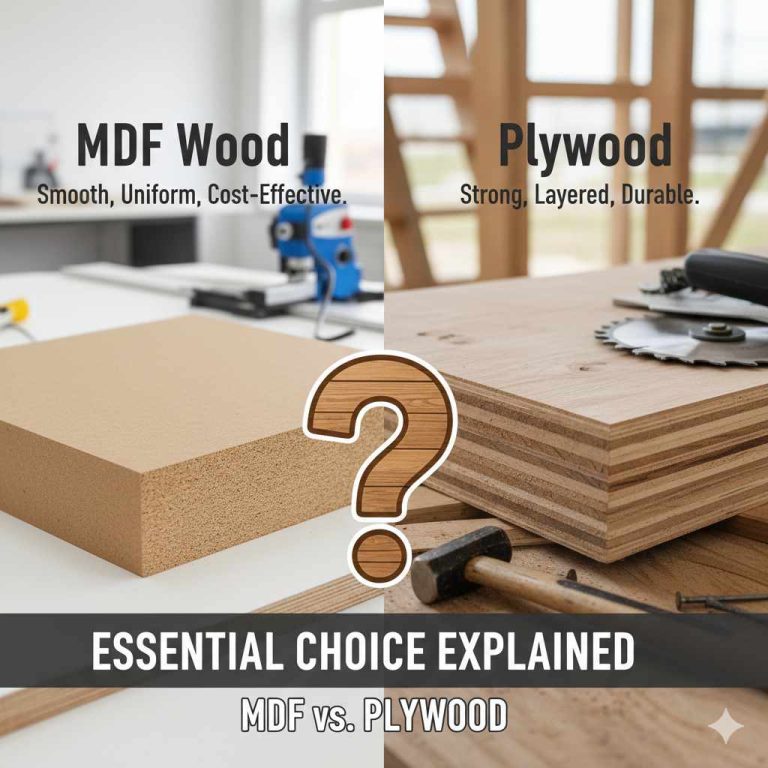
MDF stands for Medium-Density Fiberboard. It is made from wood fibers. These fibers are glued together. MDF is smooth and has a fine texture. It can be easily painted or laminated. People often use MDF for furniture and cabinets. It is cheaper than real wood. But MDF is not waterproof. Water can make it swell or break. Special coatings can protect it from water. Yet, it is not as strong as wood. MDF is also easy to cut and shape. Tools for woodwork can be used on MDF. This makes it a popular choice for builders.
Credit: mdfskirtingworld.co.uk
Suitability For Bathroom Use
MDF, or Medium Density Fiberboard, is popular for furniture. It’s smooth and easy to cut. MDF can warp if wet. Bathrooms are humid places. Humidity can damage MDF. Proper sealing helps MDF resist moisture. Paint or seal all sides. Sealing prevents water damage. Varnish or lacquer works well. Use MDF in areas away from water. Choose MDF for bathroom shelves. Keep MDF dry for long use. Ventilation is key in bathrooms. Ventilation reduces moisture. MDF needs care in bathrooms. It’s not as strong as real wood. Waterproof coating adds protection. MDF is affordable and versatile. Limit MDF use near sinks or showers. Dry zones are best for MDF.
Moisture Resistance
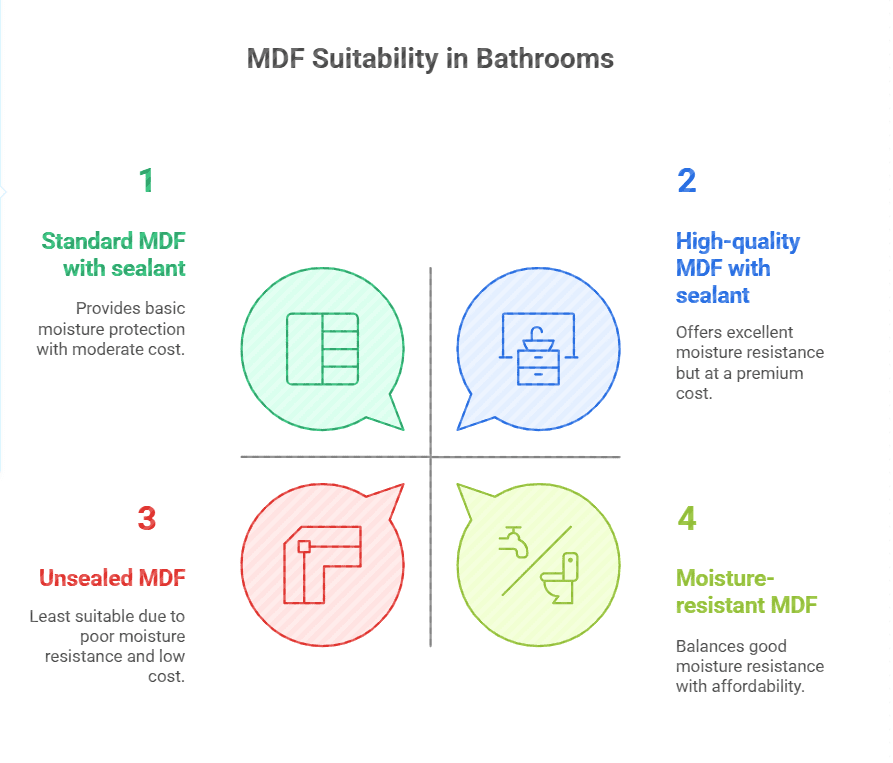
MDF can be used in bathrooms. Special MDF is made for wet places. This MDF has extra protection against water. Regular MDF swells with water. Water-resistant MDF resists swelling. It stays firm even when wet. Paint can also help. Seal the MDF with waterproof paint. This paint stops water damage. It keeps the MDF strong.
Keep MDF away from direct water. Avoid placing it near showers. Use MDF for cabinets and shelves. They stay dry most times. Check MDF for signs of damage. If it swells, replace it. Keep your bathroom clean and dry. This helps MDF last longer. Choose the right type of MDF for your bathroom.
Sealing Techniques
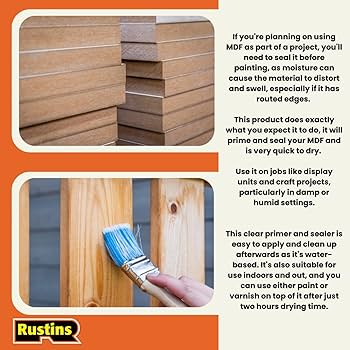
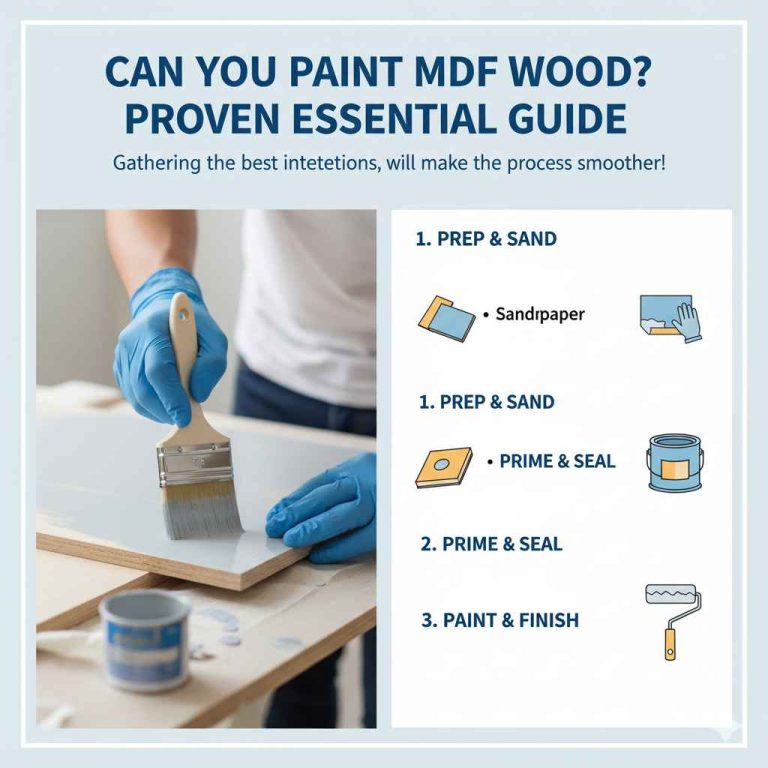
Priming is the first step to protect MDF in bathrooms. Use a high-quality primer to seal the surface. This stops moisture from getting inside the wood. A good primer makes the MDF last longer. Make sure to cover all edges and corners. This is where water can sneak in. Allow the primer to dry completely before the next step.
After priming, apply waterproof paint to the MDF. This paint keeps water away. Choose a paint that is suitable for bathrooms. It should resist steam and splashes. Paint in thin, even layers. This ensures a smooth finish. Wait for each layer to dry before adding another. This makes the surface strong and shiny.
Alternatives To Mdf
MDF is not ideal for bathrooms due to moisture exposure. Consider plywood or solid wood for better durability. These options resist water damage and are more suitable for humid environments.
Plywood Options
Plywood is a good choice for bathroom projects. It is strong and lasts a long time. Marine plywood is best for wet areas. It resists water and stops damage. Exterior plywood is also useful. It handles moisture better than MDF. Thin plywood can bend and fit small spaces. It is easy to paint. It looks nice in bathrooms. Plywood is better than MDF for bathrooms. It is less likely to swell or warp. Choose plywood for a safe and long-lasting bathroom.
Solid Wood Choices
Solid wood brings warmth to any bathroom. Oak and cedar are great for bathroom use. These woods resist water better than MDF. They last longer and look nice. Teak wood is another strong option. It handles moisture well and adds style. Solid wood can be more expensive than MDF. It offers natural beauty and durability. Wood needs regular care to stay in good shape. Choose solid wood for a beautiful and durable bathroom.
Expert Opinions
Experts discuss MDF’s suitability for bathroom use, emphasizing moisture resistance and proper sealing. MDF can work if protected from water exposure. Choosing quality finishes ensures durability in humid environments.
Carpenter Views
Carpenters say MDF can be used in bathrooms. MDF stands for Medium Density Fiberboard. It is cheap and easy to cut. But, MDF does not like water. Water can make MDF swell and break. So, it needs a good finish. Paint or a sealant can help. This keeps the water away. Always check if the MDF is sealed.
Interior Designer Insights
Designers use MDF for bathroom cabinets. It is smooth and looks nice. MDF can be painted any color. This is why designers like it. But, bathrooms are wet places. Proper sealing is important. Look for MDF marked “moisture-resistant”. This type works better in bathrooms. Ask experts before using MDF in wet areas.
Maintenance Tips
MDF can last longer with proper care. Keep it dry to prevent swelling. Wipe off any water immediately. Use a sealant to protect it from moisture. This helps to keep it strong. Avoid harsh chemicals when cleaning. They can damage the surface. Use a soft cloth instead. Regular checks are important. Look for any signs of wear. Fix them quickly to avoid bigger problems. Ventilation helps to reduce humidity. A fan is helpful.
Inspect joints regularly. Seal them if needed. This prevents water from seeping in. Paint can add protection. Choose waterproof paint. It gives extra safety. Keep the bathroom dry. Moisture can harm MDF. A dehumidifier can help. Regular maintenance is key. It keeps MDF looking good.
Cost Considerations
MDF is often cheaper than solid wood. This makes it a budget-friendly choice. But, it may not last as long in wet areas. Moisture can damage MDF quickly. Costs can rise if damage occurs. Consider the cost of regular maintenance. Replacing MDF can be expensive. Solid wood might cost more upfront. Yet, it might save money over time. Choose wisely based on your budget.
Think about the cost of protective coatings. They can help shield MDF from water. These coatings can add to the total cost. Compare prices of MDF and other materials. Make sure to account for all expenses. This includes installation and upkeep.
Real-life Applications
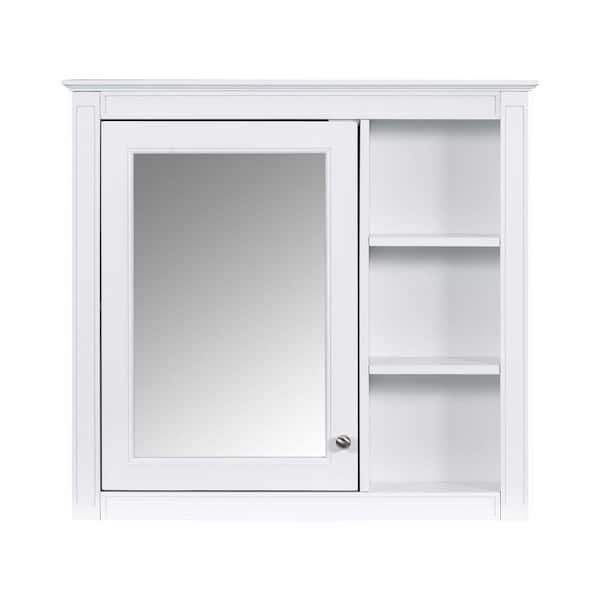
MDF is used for bathroom cabinets. It’s smooth and easy to paint. People like it because it’s cheap. MDF can swell if wet. Sealing it helps to keep it safe. Use it for shelves too. It holds many items. But be careful of water. Use a waterproof layer.
Some use MDF for bathroom doors. It’s strong and looks nice. Many paint it for style. But never let it get wet. Water can damage it. Always keep it dry and sealed. Protect MDF for long life.
Frequently Asked Questions
Is Mdf Safe In The Bathroom?
MDF is not ideal for bathrooms due to moisture sensitivity. It can swell, warp, or deteriorate when exposed to humidity. Consider moisture-resistant MDF or other waterproof materials for better durability and safety in bathroom environments. Proper sealing and ventilation can also help extend MDF’s lifespan in such areas.
Is Mdf Ruined If It Gets Wet?
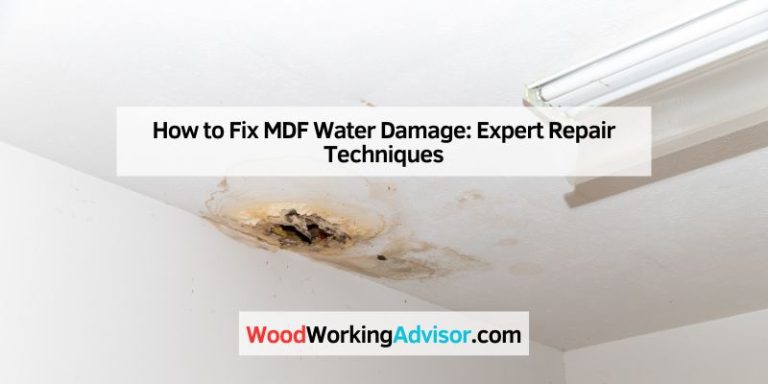
MDF swells and weakens when wet, losing structural integrity. Quick drying can limit damage, but prolonged exposure ruins it. Use water-resistant MDF for areas prone to moisture. Protect with sealant or paint to prolong life. Prevent water contact to maintain its durability and appearance.
Can You Use Mdf Paneling In A Bathroom?
MDF paneling can be used in bathrooms if it’s properly sealed. Ensure waterproof coating to prevent moisture damage. Use quality paint or sealant to protect MDF. Ventilation is crucial to maintain paneling longevity. Consider moisture-resistant MDF for better durability in humid environments.
Always prioritize proper installation for lasting results.
When Should You Not Use Mdf?
Avoid MDF in areas with high moisture, like kitchens or bathrooms. It absorbs water, causing damage. Use solid wood for outdoor projects, as MDF weakens under exposure. MDF isn’t suitable for heavy loads. Choose stronger materials for supporting weight. Always ensure MDF is sealed to prevent damage.
Conclusion
MDF can work in a bathroom with proper care. Moisture-resistant types are best. Seal edges to prevent water damage. Use quality sealants and finishes. Regular maintenance extends MDF life. Ensure good ventilation to reduce moisture. MDF offers affordability and versatility.
But it needs careful handling in wet areas. Always weigh the pros and cons. Consider your specific bathroom conditions. This helps in making the right choice. MDF can be a viable option. Just use it wisely.