Cedar VS Douglas Fir: Choosing the Best Wood
When it comes to choosing the right wood for your next project, you might find yourself torn between two popular options: cedar and Douglas fir. Both have unique qualities that can make or break your masterpiece.
Whether you’re building a deck, crafting furniture, or designing a home interior, understanding the differences between these two types of wood is crucial. You don’t want to invest in a material only to find it doesn’t meet your needs. So, which one should you choose?
Dive in to discover how each wood can transform your space, enhance your design, and make your project stand out. This comparison is tailored just for you, ensuring you make the best choice with confidence. Keep reading to unlock the secrets of cedar and Douglas fir, and find out which one truly fits your vision.
Wood Characteristics
Cedar wood is known for its pleasant aromanatural resistance to decay. This makes it perfect for fences and decks. Cedar is also lightweight. Easy to carry. It is soft and easy to cut. This wood is popular for building projects. Its warm color adds beauty to any space. Cedar does not warp easily. It stays straight over time. Cedar has a fine grain. This gives it a smooth surface. Perfect for painting or staining.
Douglas Fir is strong and durable. Builders love it for construction. It can hold heavy loads. It is used in beams and flooring. Douglas Fir has a distinct grain pattern. It looks beautiful in furniture. This wood is versatile. Works well indoors and outdoors. It resists bending. Keeps its shape under pressure. Douglas Fir is affordable. Great for big projects on a budget. It accepts stains and finishes nicely. Easy to maintain. Douglas Fir is a good choice for many uses.

Credit: www.buffalo-lumber.com
Durability And Strength
Cedar wood is known for its high durability. It can resist rot and decay. This makes cedar ideal for outdoor use. It has natural oils that keep bugs away. Cedar lasts a long time without much care. It can handle rain, snow, and sun.
Douglas Fir is strong and tough. It is perfect for building. It holds up under heavy weight. It is used in beams and frames. Builders trust it for big projects. It is a favorite for construction.
Aesthetic Appeal
Cedar wood has a warm, rich color. It often shows off a reddish-brown hue. Some pieces have a hint of pink or amber. Cedar’s grain is usually straight, making it look neat. The surface is smooth and feels soft. People love its natural aromatic scent. This wood is perfect for cozy spaces.
Douglas Fir stands out with its light color. It usually appears as pale yellow or cream. The grain can be a bit wavy. This gives it a unique charm. Sometimes, there are knots in the wood. They add character and interest. Douglas Fir is strong and durable. It fits well in modern designs.
Resistance To Elements
Cedar and Douglas Fir are strong against the weather. Cedar is known for its excellent resistance to rain and sun. It has natural oils that protect it. Douglas Fir is also strong but needs extra care. It can handle wind and rain well. Both woods are good for outside use. But Cedar lasts longer without much help.
Cedar has natural oils that keep bugs away. This makes it highly resistant to insect damage. It also prevents rotting. Douglas Fir is not as strong in this area. It needs special treatment to keep bugs away. Cedar is a better choice for insect resistance. It is also more resistant to rot. This makes Cedar a great choice for long-lasting projects.
Workability And Versatility
Cedar is lightweight. Easy to cut, shape, and sand. Douglas Fir is stronger. It can be a bit harder to work with.
Cedar’s soft texture makes it ideal for hand tools. Douglas Fir requires power tools for best results. Cedar offers smooth finishes. Douglas Fir provides a durable surface.
Cedar is used for outdoor furniture. Ideal for decks and fences. Douglas Fir is perfect for construction. It is used in bridges and buildings.
Cedar is great for woodworking. Used in crafting and carving. Douglas Fir is chosen for framing. It supports walls and floors.
Cost Considerations
Choosing between cedar and Douglas fir involves considering costs. Cedar is generally more expensive due to its durability and natural resistance to decay. Douglas fir, while cheaper, offers strength and versatility, making it a cost-effective option for many projects.
Price Comparison
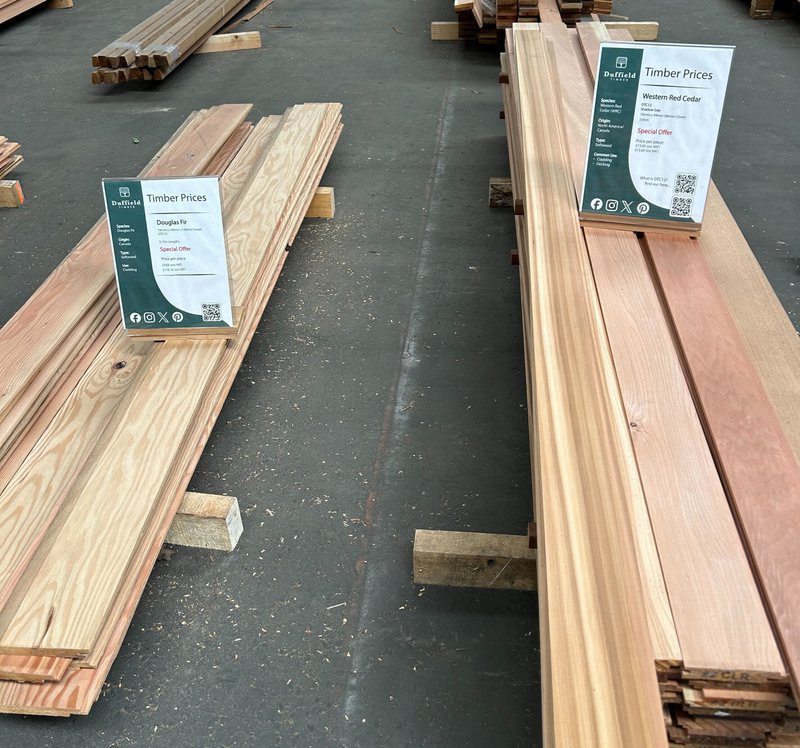
Cedar wood is often more expensive than Douglas Fir. This is due to its premium quality and durability. People pay more for its beautiful color and smell. Douglas Fir is cheaper because it is more common. It grows faster and is easier to find. Builders choose Douglas Fir for projects where cost matters. But, Cedar might be chosen for special designs or outdoor use.
Long-term Value
Cedar lasts longer than Douglas Fir. It resists bugs and weather damage. This means fewer repairs over time. Douglas Fir may need more care and might not last as long. Cedar’s natural oils protect it well. People choose Cedar when they want wood to last many years. Douglas Fir is good for short-term projects. It can be a smart choice for quick builds.
Environmental Impact
Cedar and Douglas Fir are two popular wood choices. Both have different sustainability factors. Cedar is known for its natural resistance to decay. This means it lasts longer without chemicals. Douglas Fir grows quickly, making it a renewable choice. It absorbs carbon dioxide, helping the environment.
Cedar trees often come from managed forests. These forests ensure trees are replanted. Douglas Fir is also sourced responsibly. This helps maintain forest health. Choosing either wood can be an eco-friendly decision. Both support sustainable practices.
Choosing wood is about more than looks. It’s about supporting the planet. Cedar’s natural oils mean less need for treatments. This reduces chemical use. Douglas Fir’s fast growth rate makes it a smart choice. It provides a steady supply of wood.
Both woods have their benefits. When buying, check for certifications. These show responsible sourcing. Making smart choices helps the Earth. Every choice counts. Pick wisely.

Credit: duffieldtimber.com
Making The Right Choice
Cedar and Douglas Fir are popular choices for wood projects. Cedar is known for its natural resistance to decay. It is lightweight and easy to work with. Douglas Fir is strong and has a nice grain pattern. It is often used for structural purposes. Consider your project’s needs. Will it be outside? Cedar might be better. Does it need strength? Douglas Fir can be ideal. Both woods have unique qualities.
Some people prefer Cedar for its smell and color. Others like Douglas Fir for its durability. Cedar can be more expensive. Douglas Fir might be cheaper. The choice can depend on budget. Think about your favorite look. Cedar has a warm tone. Douglas Fir is more neutral. Each wood offers something special. Choose what feels right for you.
Frequently Asked Questions
What Is Better, Douglas Fir Or Cedar?
Douglas fir is durable and strong, ideal for construction. Cedar is resistant to decay and insects, perfect for outdoor use. Choose based on specific needs.
Is Fir Or Cedar Better For Outdoor Use?
Cedar is better for outdoor use. It resists rot and insects, ensuring durability. Fir is less resistant but cheaper. Cedar’s natural oils protect against weather, making it ideal for decks and fences. Fir requires treatment for outdoor longevity. Cedar provides a longer-lasting, low-maintenance option for outdoor projects.
What Are The Disadvantages Of Douglas Fir?
Douglas fir is prone to insect infestation and rot. It can warp and twist if not properly dried. It requires regular maintenance to maintain its appearance. Its soft wood can dent easily, making it less suitable for high-traffic areas.
How To Tell Douglas Fir From Cedar?
Douglas fir has soft, flat needles and a distinctive cone shape. Cedar features scale-like leaves and aromatic wood. Douglas fir bark is rough and reddish-brown, while cedar bark is smooth and fibrous. Both trees have distinct fragrances.
Conclusion
Choosing between Cedar and Douglas Fir depends on your needs. Cedar offers natural resistance to decay. It’s great for outdoor projects. Douglas Fir shines in strength and durability. Perfect for structural uses. Both woods have unique qualities. Consider your project’s requirements.
Budget, environment, and aesthetics play a role. Think about long-term maintenance. Each wood type brings its own advantages. Your decision should match your goals. Cedar and Douglas Fir are both excellent choices. Make the right choice for your project. Enjoy the beauty and functionality they offer.
Your project deserves the best. Choose wisely for lasting results.