What Repels Wood Roaches? What Works (and What Doesn’t)
No university source we found shows any scent repellent working on wood roaches. What does work is keeping them out. Extension entomologists say these outdoor roaches cannot survive or reproduce indoors, so an indoor one is a stray, not an infestation. This guide covers what the evidence says about peppermint oil, diatomaceous earth and boric acid, plus the firewood, light and sealing fixes that do help.
Introduction To Wood Roaches
Best Door Sweep Pick |
|
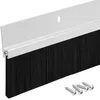 |
Randall Aluminum Brush Door Sweep, 36 Inch Extension entomologists list a brush on the underside of the door as one way to keep wood roaches out. This is a screw-on aluminum and brush sweep for exterior doors.
|
As an Amazon Associate we earn from qualifying purchases.
Wood roaches (genus Parcoblatta) get mistaken for German or American cockroaches, but they behave differently. That difference is why most generic “get rid of roaches” advice, including the sprays and baits aimed at kitchen roaches, fits them poorly.
Identifying Wood Roaches
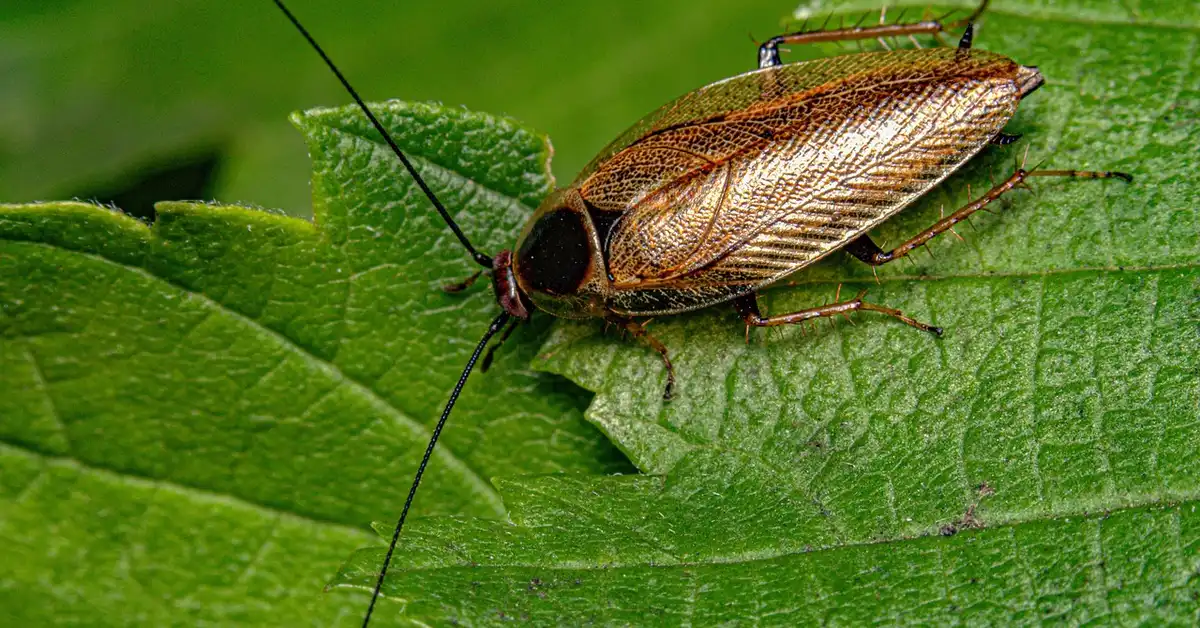
Adults are about 0.75 to 1 inch long, with oval, flattened bodies that range from light reddish-brown to dark brown. Adult males have wings that cover the abdomen and can fly, which is why they turn up at porch lights at night. Females have short wings or only small wing pads and cannot fly. Males may also wander around in daylight, so a roach at noon does not by itself signal a bigger problem.
Habitat And Behavior
Outdoors, wood roaches live in leaf litter and rotting wood, wet mulch, gutters clogged with leaves, under loose tree bark and in firewood piles. Indoors they do not last: Virginia Cooperative Extension says they cannot survive or reproduce inside houses because the humidity is too low. That changes the strategy. Instead of hunting for a hidden indoor colony, cut off the outdoor shelter and the entry points that bring them to your foundation.
📊 Wood roaches cannot survive or reproduce indoors because of the reduced humidity inside houses. Source: Virginia Cooperative Extension, publication ENTO-426
Do Natural Repellents Actually Work? What The Evidence Says
Most repellent guides rank scents. The better question is what an extension entomologist or a pesticide safety agency would actually back. The table sorts each common method by the sources we could verify, from strongest to weakest.
| Method | What the sources say | Our read |
|---|---|---|
| Move firewood off the porch and away from the house, shake logs before carrying them in | Virginia Cooperative Extension: do not store firewood beside a house or on a front porch, and shake or knock off logs before bringing them inside | Strongest, do this first |
| Seal gaps, fit a brush sweep under exterior doors | Penn State Extension (as summarized in search results) lists caulking foundation and window gaps and a brush on the underside of doors | Strong, cheap |
| Turn off or reduce bright porch lights at night | Virginia Cooperative Extension notes adult males are attracted to bright porch lights; Penn State lists lights-off as a control step | Helps with flying males |
| Perimeter insecticide spray | Virginia Cooperative Extension: foundation or perimeter treatments with residual insecticides are generally unnecessary | Skip it |
| Boric acid | National Pesticide Information Center: it kills insects that eat it. It is a poison, not a repellent, and is a hazard to children and pets | Rarely needed, handle with care |
| Diatomaceous earth (DE) | National Pesticide Information Center: it dries insects out by absorbing oils from the outer shell, only works while dry, and irritates nose and lungs | Not a repellent |
| Essential oils (peppermint, cedar oil, eucalyptus, tea tree) | EPA exempts some, including peppermint and cedarwood oil, from pesticide registration as minimum-risk products. That is a safety category, not proof they work. No source we read tested them on wood roaches | Unproven, short-lived |
| Bay leaves, garlic, cayenne, citrus peels, cucumber | No source we found tested these on wood roaches | Unproven folk remedies |
Two corrections follow from that table. First, boric acid and DE are killers, not repellents: a roach has to eat the boric acid or walk through dry DE, and neither stops one from crossing a doorway. Second, because wood roaches die indoors on their own, treating the inside of your house is rarely worth the risk. The effort belongs outdoors and at the gaps.
“Foundation or perimeter treatments with residual insecticides are generally unnecessary.”
Common Natural Repellents
Folk advice says wood roaches steer clear of strong smells. Treat every option below as a low-confidence extra on top of sealing and firewood changes.
Essential Oils
Peppermint is the oil most often recommended, with eucalyptus and tea tree close behind. Peppermint and cedarwood oil are exempt from EPA pesticide registration as minimum-risk ingredients, but the National Pesticide Information Center states that plant oils can harm the eyes and some people are allergic to them. Any scent fades within days, so a sprayed line is a short-term trial, not a barrier. For a measured peppermint mix, see our wood roach repellent spray recipe, and for the wood itself see whether cedar wood repels insects.
Herbs And Spices
Bay leaves, garlic, cayenne pepper, catnip, mint and cucumber slices are the usual suggestions. They are cheap to try, but we found no testing on wood roaches, so do not count on them. For cabinet-specific advice see our guide to keeping roaches out of kitchen cabinet wood.
DIY Repellent Spray Recipes
If you want to try a homemade spray anyway, keep it simple and treat it as a short-lived spot treatment. Test a hidden patch first, since oils and acids can mark some wood finishes, and label the bottle and store it away from children and pets.
| Ingredients | Instructions |
|---|---|
| 1 cup water 1 cup white vinegar 10 drops peppermint essential oil | Mix in a spray bottle, shake before each use and spray door thresholds and window tracks. Expect the scent to fade within days. |
| 1 cup water 2 tbsp lemon juice 10 drops citrus or eucalyptus essential oil | Mix in a spray bottle, shake well and spray cracks and corners. Reapply often because citrus fades fastest. |
Using Citrus To Repel Wood Roaches
Citrus peels and sprays are another folk remedy. Limonene, the compound in citrus peel oil, is an ingredient in some commercial pest products, but we found no test of peels or homemade citrus sprays on wood roaches.
Citrus Peels
Peels tucked along baseboards need replacing every couple of days once they dry out and lose their smell.
Citrus Sprays
A lemon juice and water spray needs frequent reapplication, and it can stain unfinished wood, so test a hidden spot.
Neem Oil As A Natural Solution
Neem oil is pressed from neem seeds and contains azadirachtin. The National Pesticide Information Center says azadirachtin reduces insect feeding, acts as a repellent and interferes with insect hormone systems, making it harder for insects to grow and lay eggs. That is a slow effect, not an instant kill or a barrier.
Application And Effectiveness
Follow the product label for dilution, because neem products vary and the oil separates from water quickly, so shake as you spray. We found no test on wood roaches, so expect at most a gradual effect. Use extra care with cats: the same NPIC fact sheet reports adverse reactions in some cats treated with neem products for fleas abroad, including drooling, trembling and convulsions. Keep cats and other pets away until the spray has dried, and follow the label.
Diatomaceous Earth For Roach Control
Diatomaceous earth (DE) is a powder made from the fossilized shells of tiny algae. The National Pesticide Information Center says it kills insects by absorbing the oils and fats from the outer layer of their exoskeleton, so they dry out, and that it stays effective only while dry.
How It Works
A roach has to walk through a dry layer for DE to act. It does not turn roaches back at a doorway, so it is not a repellent. It is low in toxicity but irritates the nose, eyes and skin.
Safe Application
Handle DE like any fine dust:
- Read the label, and check how much crystalline silica the product contains. NPIC says most DE is mostly amorphous silica, but crystalline silica is linked to lung disease with long exposure.
- Wear a dust mask and eye protection while applying, and avoid puffing it into the air.
- Apply a thin, barely visible layer in dry cracks and voids, not in open living areas.
- Skip damp spots, since wet DE stops working, and vacuum it up if it gets wet.
- Keep children and pets away until it has settled.
Creating A Barrier With Boric Acid
Boric acid is a stomach poison, not a repellent. The National Pesticide Information Center says it can kill insects if they eat it, disrupting their stomach and possibly affecting their nervous system. That makes it a stronger tool than scents but also the riskiest ingredient on this page. Because wood roaches die indoors anyway, most households never need it.
Preparation
Before using any boric acid product, gather and read:
- The product label, and follow its directions and site restrictions exactly
- Protective gloves and a dust mask
- A small brush or puffer for a thin line only
- A plan for a spot children and pets cannot reach, such as inside a sealed void or behind a fixed appliance
Precautions
The National Pesticide Information Center boric acid fact sheet lists nausea, vomiting, stomach pain and diarrhea as symptoms of boric acid ingestion, and notes that infants are especially vulnerable. In pets, signs of poisoning can begin within 2 hours of ingestion. Never leave it in open areas, never put it where food is prepared, and keep it in its original container. If a child or pet eats any, call Poison Control at 1-800-222-1222 right away, or NPIC at 1-800-858-7378 for product questions.
Maintaining A Clean Environment
Cleanliness matters for German and American cockroaches that live and feed indoors. For wood roaches, the habitat outdoors matters more, so tidy there first.
Regular Cleaning Tips
- Clear leaf litter and debris from beside the foundation.
- Keep mulch from piling against siding, and pull it back from the wall.
- Clean gutters so leaves do not sit and rot, since clogged gutters are a documented wood roach habitat.
Eliminating Food Sources
Storing food in sealed containers and wiping spills is still good practice and helps against kitchen roaches. If you are unsure which roach you have, our page on cedar and roaches covers one popular but often overstated deterrent.
Firewood And Woodstove: Keeping Wood Roaches Out Of The House
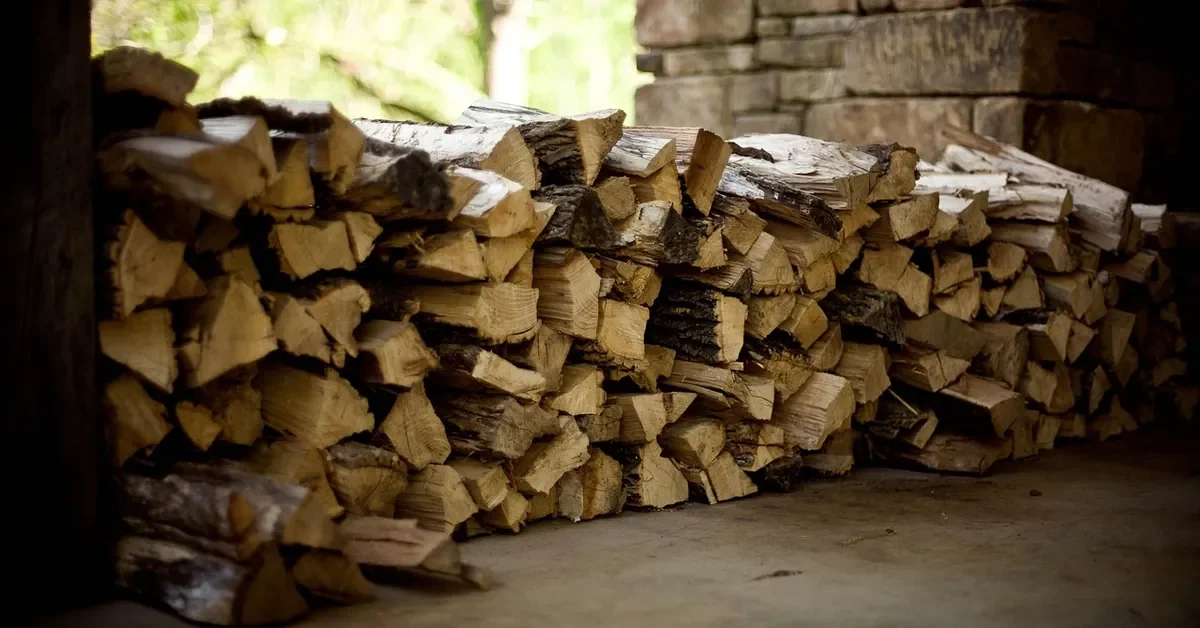
Firewood is the most direct route in. Virginia Cooperative Extension advises not storing firewood beside a house or on a front porch, and shaking or knocking logs off before bringing them inside to dislodge any insects. Penn State Extension adds, in the summary we reviewed, that you should bring in only as much wood as will burn in a few hours.
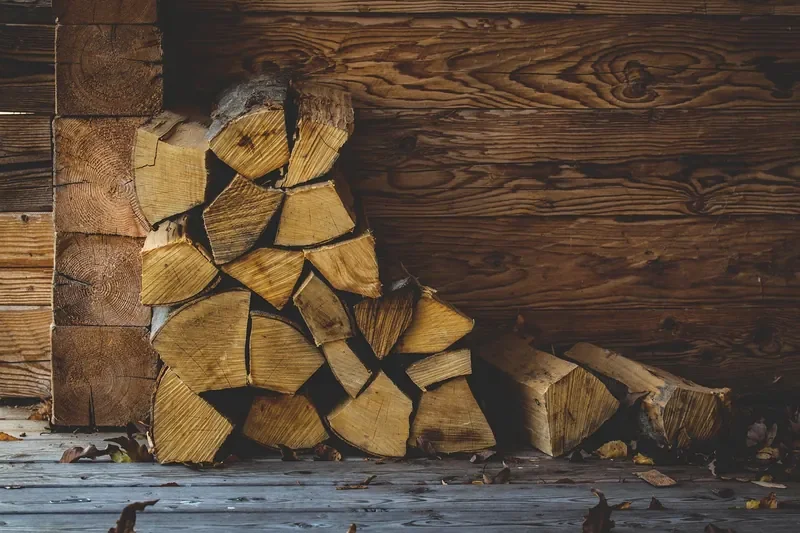
- Stack wood away from the house, off the porch and off the ground, not against siding.
- Carry in only the wood you will burn that evening, and knock each log against something solid outside first.
- Any wood roach that rides in on a log will dehydrate inside, so a stray one by the woodstove is not a sign of a colony.
Preventive Measures
Repellents treat the symptom. The habits below address why wood roaches are reaching your foundation at all.
Sealing Entry Points
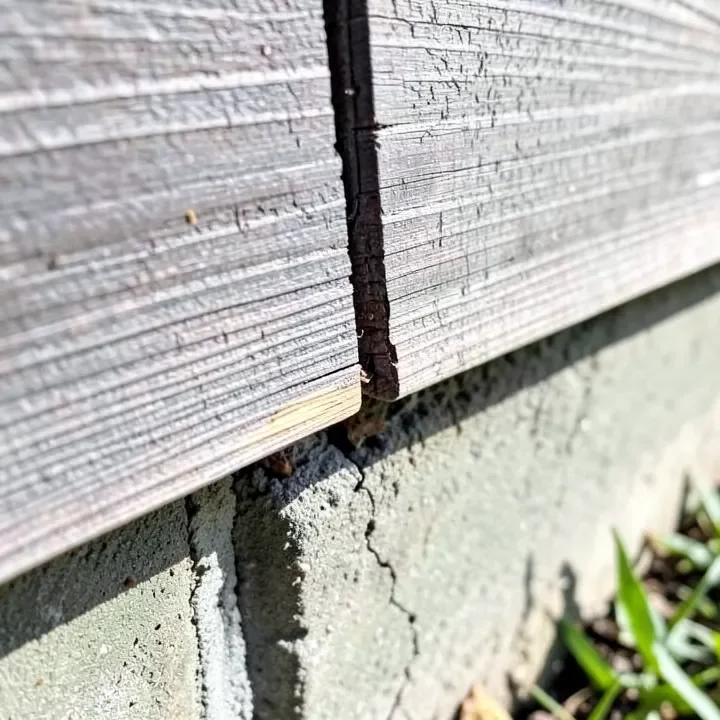
Wood roaches enter through existing gaps, so sealing entry points is the most reliable prevention. Penn State Extension, as summarized in search results, lists caulking cracks in the foundation and around doors and windows, and installing a brush on the underside of doors.
- Inspect windows and doors for gaps, and caulk small cracks.
- Check where pipes and cables enter the house.
- Fit a brush or sweep on exterior doors, including garage-side doors.
- Switch off or shield bright porch lights on nights you have noticed flying males.
Proper Ventilation
Wood roaches depend on damp outdoor shelter, so fix leaking gutters and downspouts and make sure water drains away from the foundation.
When To Seek Professional Help
Virginia Cooperative Extension says wood roaches found indoors can be killed with a fly swatter, a vacuum or an aerosol insecticide; follow the label exactly and keep children and pets out of the area. Call a pest professional if you keep finding small roaches or egg cases indoors week after week, because that suggests German or American cockroaches, which can breed in a house. For the rest of your wood care once the issue is handled, see our wood care and pest protection guide.
If you also need to deal with roaches around a firewood pile or mulch beds outside, our guide on how to get rid of wood roaches outside covers outdoor control in detail, and our list of plants that repel wood roaches covers the garden side.
Frequently Asked Questions
What Smell Do Wood Roaches Hate?
No extension source we read names a smell that reliably keeps wood roaches away. Peppermint, eucalyptus, cedar and bay leaf are folk remedies that were not tested on wood roaches in the sources reviewed here, and any scent fades within days. Sealing gaps and moving firewood away from the house works better.
How Do You Get Rid Of Wood Roaches Fast?
Indoors, a wood roach can be killed with a fly swatter, a vacuum or an aerosol insecticide used exactly as the label directs, according to Virginia Cooperative Extension. Because they cannot survive or reproduce indoors, the lasting fix is outdoors: move firewood and leaf litter away from the house and seal entry gaps.
Why Am I Seeing So Many Wood Roaches?
Most likely your house sits close to what wood roaches live in: firewood piles, leaf litter, wet mulch or loose bark. Winged males also fly to bright porch lights at night. Regular sightings of small roaches indoors over weeks usually point to German roaches instead, so confirm the species before treating.
What Time Of Year Are Wood Roaches Most Active?
The extension sources we reviewed do not give one national season. They note that wood roaches take about a year to complete a life cycle and that adult males fly to porch lights at night. Timing varies by species and region, so use your local extension office for dates in your area.
Conclusion
Because wood roaches cannot breed indoors, the fastest path to fewer sightings is cutting off what brings them to your foundation: firewood against the house, wet mulch and leaf litter, and unsealed gaps. Scent sprays and powders are optional extras with little proof behind them, and boric acid and DE carry real handling risks. Move the wood, seal the gap, fit a door sweep and, if one gets in, swat or vacuum it.
Sponsored / affiliate links. As an Amazon Associate I earn from qualifying purchases. I may earn additional commission from eligible campaigns.