Can Cedar Be Left Untreated? Here’s What Actually Happens
Yes, cedar can be left untreated — its natural thujaplicins make it rot- and insect-resistant for 15 to 30 years, depending on whether it’s a fence, deck, or siding. Skip protection on ground-contact posts or humid-climate siding, though, and that lifespan can collapse to under 5 years. This guide breaks down untreated cedar’s real lifespan by application, what happens as it weathers, and when a sealer is actually worth the cost. For cedar’s overall lifespan across every species and finish, see our full guide to how long cedar wood lasts.
[Insert your Affiliate Disclosure reusable block here]
Untreated Cedar Lifespan by Application
Best Cedar Sealer Pick
Thompson’s WaterSeal Semi-Transparent Wood Stain & Sealer, Natural Cedar (1 Gal)
A UV-resistant, semi-transparent finish that slows graying without hiding the wood grain — the middle-ground option if you’ve decided bare cedar isn’t for you.
- Best for: Fences and decks where you want to keep some reddish tone
- Why we picked it: Widely available, easy brush/roller application, proven UV-fade resistance
- Main drawback: Needs reapplication every 2–3 years to keep blocking UV
Compare more cedar sealer options
 Option 1 DEFY Extreme Stain & Sealer, Cedar Tone (1 Gal)
|
 Option 2 SaverSystems #1 Deck Premium Stain, Cedar (1 Gal)
|
 Option 3 Ready Seal Turbo Spray, Natural Cedar
|
As an Amazon Associate we earn from qualifying purchases.
Cedar’s lifespan without any finish depends heavily on how it’s used — a fence weathers very differently than ground-contact posts or humid-climate siding. Here’s what our research into cedar industry data and installer sources actually shows, broken out by application (a comparison the top search results don’t put in one place):
| Application | Untreated Lifespan | What Shortens It |
|---|---|---|
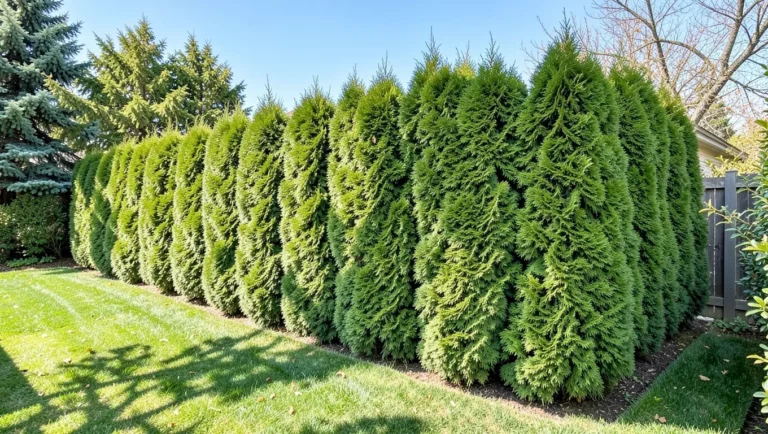
| Fence (above-ground) | 15–30 years | Neglect or harsh weather can cut this below 10 years |
| Deck (above-ground) | 15–25 years | Standing water and poor airflow underneath the boards |
| Siding | 5–15 years | Humid climates — moisture absorption and fungal growth can cut this to 5 years or less |
| Ground-contact posts | 5–10 years | Constant soil moisture defeats cedar’s natural rot resistance regardless of species |
| Indoor furniture / closets | Effectively indefinite | No UV or moisture exposure — color may still amber slightly with age |
The pattern is consistent: the more moisture contact an untreated application sees, the shorter its real-world life — ground contact is the single biggest lifespan killer, worse than sun exposure alone. For posts that will sit in soil long-term, it’s worth weighing untreated cedar against pressure-treated lumber, which is chemically rated for ground contact in a way no untreated wood species is.
Why Cedar Survives Without Any Treatment
Thujaplicins are natural fungicidal compounds that build up in cedar heartwood over the tree’s life. They are toxic to the fungi that cause rot, which is why cedar resists decay without any applied finish. Building codes classify western red cedar as a “durable” species for exterior use for this reason — a status treated lumber only earns through chemical pressure-treatment.
📊 Thujaplicins concentrate in older heartwood, not young sapwood — which is why younger, fast-grown cedar boards weather and rot faster than old-growth cuts, even from the same species. — Source: Western Red Cedar Lumber Association / naturallywood.com species data
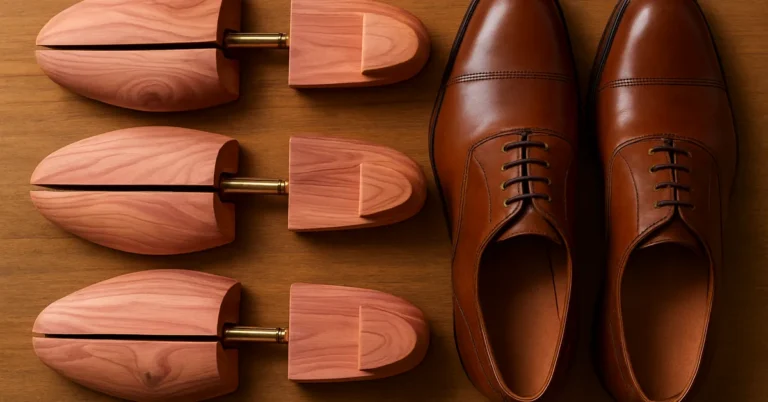
This natural resistance is also why cedar remains a common choice for closets, chests, and moth-repelling storage — the same oils that fight rot outdoors also deter insects indoors, with zero weathering exposure to worry about. See our full cedar wood guide for how cedar compares to other species across every use case.
What Happens When You Leave Cedar Untreated
How Cedar Weathers to Gray
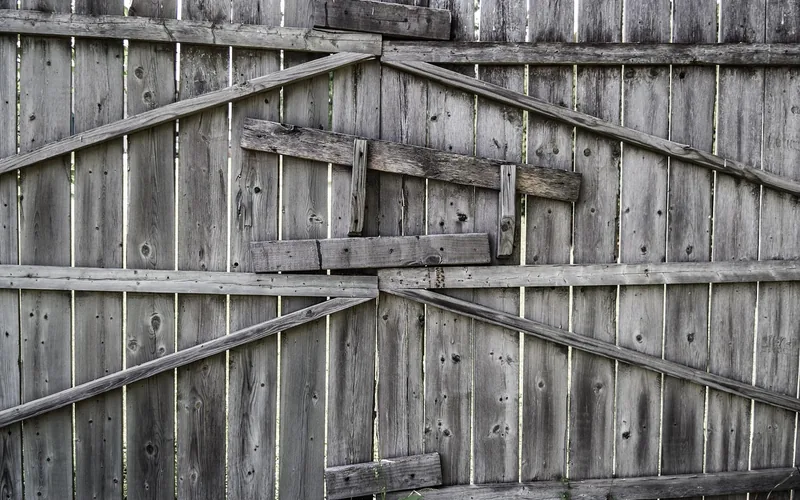
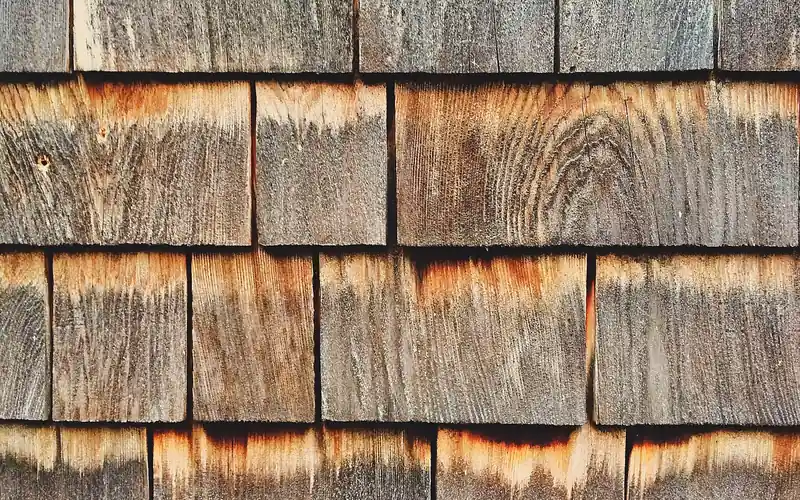
UV light breaks down lignin in the wood’s surface fibers, and rain washes the byproducts away, leaving a silvery-gray patina within 6 to 12 months outdoors. This is purely cosmetic; it does not weaken the wood or signal decay. Many homeowners leave it alone deliberately for the rustic look, while others apply a UV-blocking finish to keep the original color.
Will It Crack or Split?
Untreated cedar is more prone to surface checking (small parallel cracks) than sealed cedar, because repeated wet-dry cycles shrink and swell the wood without a moisture barrier to slow it down. Checking is usually cosmetic and follows the grain rather than cutting across it — structural splits that go through a board’s full thickness are rarer and typically show up first at fastener points or board ends left unsealed. A film-forming finish reduces checking by slowing moisture movement, if the graying itself isn’t the part you mind.
When Skipping Treatment Is a Bad Idea
Leaving cedar untreated works fine in most above-ground, well-ventilated applications. It’s a worse call in three specific situations: any ground-contact use (fence posts set in soil, raised-bed corners), humid or coastal climates where siding stays damp for days after rain, and anywhere fasteners sit in standing water — the metal-wood contact point corrodes and traps moisture faster than the surrounding board weathers.
A quick field check for ground-contact posts: press a screwdriver tip into the wood right at the soil line. If it sinks in easily or the wood feels spongy, decay has already started below the surface, treated or not — at that point no sealer reverses it, and the post needs replacing.
How to Protect Cedar If You Change Your Mind Later
Untreated cedar can be sealed, stained, or oiled at any point in its life — there’s no deadline. If you want the full step-by-step process, our sealing guide covers prep and product choice in detail, and if it’s specifically a fence you’re working on, our fence-staining guide walks through application. If your main goal is just keeping the original color rather than full protection, our guide to preventing cedar from graying (linked above) covers UV-blocking options specifically. One note before you start: a board that’s already gray needs a light cleaning or brightening wash before any finish goes on, or the sealer will trap the grayed surface fibers underneath instead of bonding to solid wood.
Frequently Asked Questions
Can Cedar Wood Be Left Untreated?
Yes. Cedar’s natural thujaplicins make it rot- and insect-resistant enough to perform outdoors with no finish at all, which is why building codes classify it as a durable exterior species untreated. It will weather to gray and is more prone to surface checking than sealed cedar, but neither issue is structural in most above-ground applications.
How Long Will Untreated Cedar Last?
It depends on the application: 15 to 30 years for an above-ground fence, 15 to 25 years for a deck, 5 to 15 years for siding depending on climate, and only 5 to 10 years for anything in direct ground contact. Indoor cedar (furniture, closets) isn’t exposed to weathering at all and lasts effectively indefinitely.
Does Untreated Cedar Turn Gray?
Yes, within 6 to 12 months outdoors. UV light breaks down lignin at the wood’s surface and rain washes the byproducts away, leaving a silvery-gray patina. This is a cosmetic surface change, not decay, and doesn’t shorten the wood’s structural life.
Is Untreated Cedar OK in a Humid Climate?
It’s the riskiest climate to leave cedar bare, especially for siding. Constant moisture keeps the wood’s surface wet longer between dry-outs, encouraging fungal growth that cedar’s natural resistance slows but doesn’t fully stop. In humid regions, untreated siding can drop to 5 years or less, versus 15+ in a drier climate.
Can You Seal or Stain Cedar After It’s Already Turned Gray?
Yes, but clean the grayed surface first — a deck brightener or oxygen-bleach wash removes the dead surface fibers so the new finish bonds to solid wood instead of sitting on top of degraded material. Skipping this step is the most common reason a stain applied over old gray cedar looks patchy or peels early.
Conclusion
Cedar doesn’t need treatment to survive outdoors — its natural thujaplicins handle rot and insects on their own, and the gray patina it develops is cosmetic. Where it does need help is ground contact and humid-climate siding, the two situations that reliably cut its lifespan well below the 15-to-30-year range it gets everywhere else. Decide by application, not by a blanket rule, and you can leave most cedar exactly as it is.
Sponsored / affiliate links. As an Amazon Associate I earn from qualifying purchases. I may earn additional commission from eligible campaigns.