Cedar Wood Furniture: Is It Durable? (15-25 Year Lifespan)
Cedar wood furniture resists rot, decay, and insect damage without chemical treatment – properly sealed pieces last 15 to 25 years versus 5 to 10 for untreated softwood. Skip the sealant on an outdoor piece, though, and that durability advantage disappears within a few seasons of sun and rain exposure. This guide covers which cedar species holds up best, indoor versus outdoor use, and the sealing schedule that actually protects it.
Is Cedar Wood Good for Furniture?
Cedar is good for furniture because it contains natural oils (thujaplicins) that repel rot fungi and insects, giving it a strength-to-weight ratio that outperforms most softwoods its price. It won’t take the abuse a hardwood like oak can, but for furniture that lives outdoors or in humid rooms, cedar’s built-in resistance is the bigger advantage.
Cedar also has one of the lowest wood movement rates of any common species – it shrinks and swells less than pine, fir, or maple as humidity changes, which is why cedar doors and drawer fronts stay square through seasonal swings that would stick a piece built from a more reactive wood. That dimensional stability, more than the color or scent, is what makes cedar a genuinely practical furniture material rather than just a rustic-looking one.
📊 Sealed cedar furniture lasts roughly 15-25 years outdoors; the same piece left unsealed averages 5-10 years before the surface degrades enough to need replacement. – Source: cedar product-care guides (Cabinfield, All Things Cedar), 2026
Eastern Red Cedar vs. Western Red Cedar for Furniture
“Cedar furniture” almost always means one of two different trees, and they behave differently enough that the distinction matters before you buy. Eastern red cedar (actually a juniper) is the dense, reddish, strongly aromatic wood used for cedar chests and closet lining – its scent comes from the same oils that repel moths. Western red cedar is the lighter, straighter-grained species used for decks, outdoor furniture, and siding, prized more for weather resistance than fragrance.
| Property | Eastern Red Cedar | Western Red Cedar |
|---|---|---|
| Janka hardness | ~900 lbf (denser, more dent-resistant) | ~350 lbf (softer, dents more easily) |
| Color | Reddish-brown heartwood, cream sapwood | Warm honey-brown, fades silver-gray outdoors |
| Aroma strength | Strong, long-lasting (moth-repellent) | Mild, fades within a year or two |
| Best for | Chests, closets, drawer liners | Decks, outdoor furniture, siding, fencing |
How Much Does Cedar Furniture Cost?
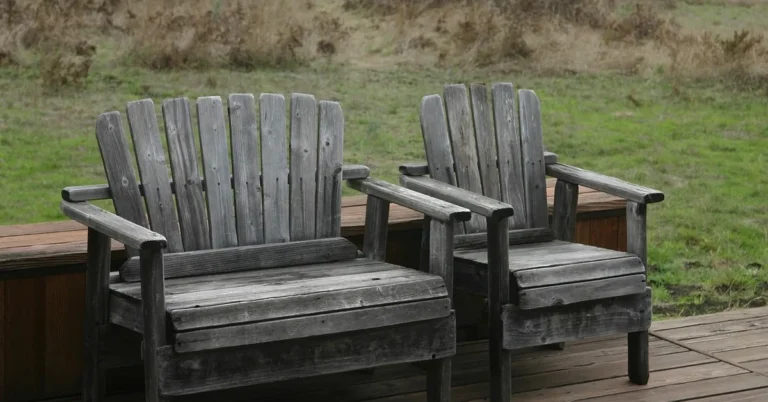
Solid cedar furniture costs more than pine or particleboard but noticeably less than hardwoods like oak or walnut, since cedar is a widely grown domestic softwood rather than a slow-growing imported species. A basic solid-cedar Adirondack chair typically runs $150-$300 assembled, and a solid cedar storage chest with real joinery (not stapled panels) usually falls between $200 and $600 depending on size and hardware.
Cedar-veneer furniture – a thin cedar skin over particleboard or plywood core – costs $50-$150 less than solid cedar, but it can’t be resanded or resealed once the veneer wears through, so it’s a one-generation piece rather than an investment. If you plan to keep and maintain the furniture for a decade or more, the solid-wood premium pays for itself in refinishing options alone.
Is Cedar Furniture a Sustainable Choice?
Cedar grows faster than old-growth hardwoods and is harvested from managed forests that replant as they cut, which is part of why it’s cheaper than oak or teak despite comparable rot resistance. It’s fully biodegradable and doesn’t require the chemical pressure-treatment that pine and fir need to survive outdoor use, so cedar furniture at end of life doesn’t leave behind the arsenic or copper compounds treated lumber does.
Sourcing still varies by supplier, though – not every retailer discloses where their cedar comes from. If sustainable sourcing matters to your purchase, look specifically for FSC (Forest Stewardship Council) or SFI (Sustainable Forestry Initiative) certification on the product listing; those labels are the only reliable proof, since “eco-friendly” marketing language on its own isn’t verified by anyone.
Indoor vs. Outdoor Cedar Furniture
Indoors, cedar’s main job is the aromatic oil that keeps moths and silverfish out of chests, closets, and drawer liners – a cedar chest doesn’t need sealing to do this, since sanding the surface periodically restores the scent instead. Outdoors, cedar is chosen for the opposite reason: its rot resistance holds up against rain and ground contact far longer than pine or spruce, but only Western red cedar has enough natural oil concentration to make that worthwhile without a coating.
Not every cedar species performs the same outdoors – see our comparison of which cedar type holds up best for outdoor furniture if you’re buying specifically for a deck or patio. And if you’re weighing cedar against another popular furniture wood, teak has a higher natural oil content and costs considerably more – cedar is the better value when the furniture won’t see constant standing water.
Best Cedar Furniture Sealer Pick
 |
Olympic WaterGuard 1 Gal Woodland Cedar Wood Stain & Sealer A water-based stain-and-sealer combo built for exactly the outdoor cedar surfaces covered in this guide – decks, fences, and outdoor furniture.
|
As an Amazon Associate we earn from qualifying purchases.
How to Seal and Maintain Cedar Furniture
- Clean first: Wash the piece with a mild detergent and soft brush, then rinse with a garden hose – never a pressure washer, which can shred the soft spring-growth grain.
- Let it dry fully: Give bare cedar 48 hours of dry weather before applying any finish; sealing over trapped moisture traps mildew underneath the coating.
- Apply a UV-blocking sealant: Brush or spray on a water-repellent stain-sealer in thin, even coats, working with the grain direction.
- Recoat on schedule: Reapply every 1-2 years for furniture in full sun, or every 3-4 years for shaded or covered pieces.
- Spot-check annually: Look for gray, dry patches each spring – that’s the sealant wearing through, not the wood failing, and it’s the sign to recoat before the next rainy season.
Common Mistakes That Shorten Cedar Furniture’s Lifespan
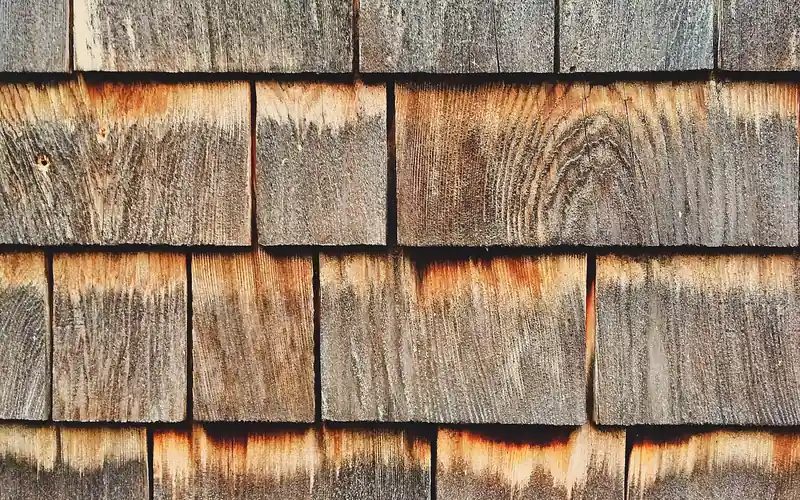
The mistake I see most often in cedar projects is treating the wood’s natural rot resistance as a reason to skip finishing altogether. Bare cedar left fully exposed still grays, checks, and roughens from UV and moisture cycling – it just won’t rot as fast while it does. A light coat of penetrating sealant, even just once every couple of years, keeps the surface from getting to that point in the first place, which is far less work than trying to sand and refinish a badly weathered piece later.
- Using a film-forming finish outdoors: Thick varnish or polyurethane traps moisture underneath and peels within a season – penetrating oil or stain-sealer works with cedar’s grain instead.
- Placing indoor cedar chests near heat vents: Constant dry heat accelerates checking and can crack tight joints; keep aromatic cedar furniture away from direct HVAC airflow.
- Ignoring ground contact: Cedar resists rot, but a leg sitting directly in wet soil or standing water will eventually decay – use post bases or feet to keep furniture off bare ground.
Frequently Asked Questions
Is cedar wood good for furniture?
Yes. Cedar’s natural oils resist rot, decay, and insects without chemical treatment, and its high strength-to-weight ratio and low wood movement make it stable for both indoor and outdoor furniture. It’s softer than hardwoods like oak, so it dents more easily, but for furniture exposed to moisture or humidity, cedar’s built-in resistance outweighs that tradeoff.
What’s the difference between Eastern and Western red cedar for furniture?
Eastern red cedar is denser (about 900 lbf Janka hardness), strongly aromatic, and used mainly for chests and closet lining. Western red cedar is softer (about 350 lbf), milder-scented, and used for decks, outdoor furniture, and siding because of its weather resistance. Choose Eastern for moth-repellent storage pieces, Western for anything staying outdoors.
Does cedar furniture need to be sealed?
Outdoor cedar furniture needs a UV-blocking sealant to last – unsealed pieces still gray and check from sun and rain within a few seasons, even though they won’t rot as fast as other softwoods. Indoor cedar chests and closet pieces don’t need sealing, since that blocks the aromatic oils that make them useful for moth-proofing.
How long does cedar furniture actually last?
Properly sealed and maintained outdoor cedar furniture typically lasts 15 to 25 years. Left unsealed, the same piece usually needs replacing within 5 to 10 years as sun and moisture degrade the surface. Indoor cedar furniture, protected from direct weather, commonly lasts decades with only occasional dusting and cleaning.
Conclusion
Cedar earns its reputation as a durable furniture wood honestly – the natural oils, low wood movement, and rot resistance are real, measurable advantages, not just marketing language. The species you pick and whether you seal it are what actually decide whether a piece lasts 5 years or 25. For a deeper look at how cedar compares to other furniture-grade woods, or general upkeep across species, see our wood care and maintenance guide.
Sponsored / affiliate links. As an Amazon Associate I earn from qualifying purchases. I may earn additional commission from eligible campaigns.