Corner Wood Burning Fireplaces: A Cozy and Stylish Addition to Your Home
Hey there! If you’re thinking about adding a touch of warmth and charm to your home, let me tell you about corner wood burning fireplaces. I’ve spent a lot of time exploring these beauties, and I can say they’re more than just a heat source—they’re a lifestyle upgrade. Picture yourself curled up with a hot drink, the crackle of burning logs filling the air, and a cozy glow lighting up your living room. That’s the magic of a corner wood burning fireplace. In this article, I’m going to walk you through everything I’ve learned about these fireplaces, from why they’re perfect for small spaces to how they can transform your home’s vibe. Let’s dive in and explore why a corner wood burning fireplace might be the perfect addition to your space.
Why Choose a Corner Wood Burning Fireplace?
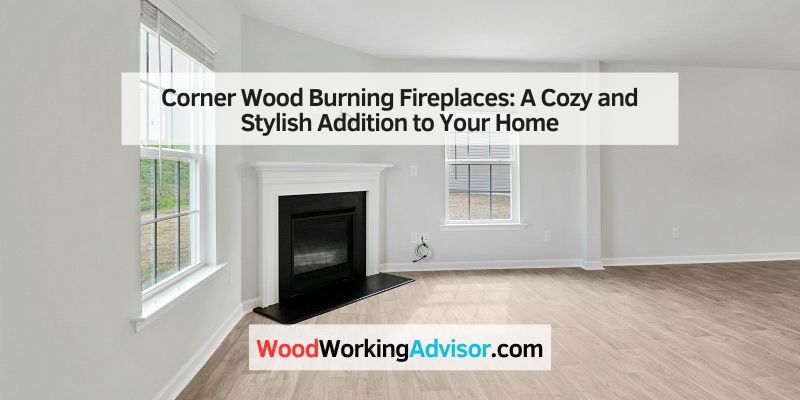
When I first started looking into fireplaces, I thought they were all about big, central hearths that dominate a room. But then I discovered corner wood burning fireplaces, and they completely changed my perspective. These fireplaces are designed to tuck neatly into a corner, making them a fantastic choice for homes where space is at a premium. They don’t jut out into the room like traditional fireplaces, so they leave more floor space for furniture or decor. I’ve seen them work wonders in small condos, cozy cottages, and even larger homes where you want a fireplace without rearranging your entire layout.
The charm of a wood burning fireplace lies in its authenticity. There’s something special about the smell of burning wood and the sound of logs crackling. It’s like bringing a piece of the outdoors inside. Unlike gas or electric fireplaces, wood burning ones give you that real, primal fire experience. But why go for a corner model specifically? For me, it’s all about versatility. They fit into spaces where a traditional fireplace might feel overwhelming. Plus, they can become a focal point without stealing the show, blending seamlessly into your room’s design.
Another reason I love corner fireplaces is their ability to heat multiple areas. Because they’re positioned at an angle, they radiate heat into two walls, warming up more of your space efficiently. I’ve noticed this makes them ideal for open-plan homes where you want the warmth to spread across different zones, like a living room and dining area. They’re also a great conversation starter—guests always seem drawn to the cozy nook a corner fireplace creates.
Types of Corner Wood Burning Fireplaces
When I started researching corner wood burning fireplaces, I was amazed at the variety available. There’s something for every style and budget, so let me break down the main types I’ve come across.
Traditional Masonry Fireplaces
These are the classic brick or stone fireplaces that give off a timeless, rustic vibe. I’ve seen them in older homes, and they have this sturdy, handcrafted feel that’s hard to beat. They’re built on-site, often with a custom surround that matches your home’s aesthetic. The downside? They can be pricey and require a solid foundation, which I learned when I looked into installing one in my own home. But if you’re after that authentic, old-world charm, they’re worth considering.
Prefabricated or Zero-Clearance Fireplaces
I found these to be a game-changer for modern homes. Prefabricated fireplaces, also called zero-clearance, are factory-built and designed to be installed with minimal space between the unit and combustible materials. They’re lighter than masonry fireplaces, so you don’t need a massive foundation. I was impressed by how easy they are to install—perfect for newer homes or renovations. They come in sleek, modern designs or more traditional looks, so you can pick one that fits your style.
Corner Wood Stoves
Okay, I have to admit, corner wood stoves stole my heart a little. They’re not exactly fireplaces, but they’re close cousins. These freestanding units sit in a corner and often have a more industrial or minimalist look. I’ve seen some gorgeous cast iron models that add a vintage touch, while others have clean lines for a modern feel. They’re super efficient at heating, and many come with features like ash drawers for easy cleanup. If you’re tight on space, a corner wood stove might be your best bet.
Here’s a quick comparison table to help you see the differences:
| Type | Pros | Cons |
|---|---|---|
| Traditional Masonry | Timeless look, durable, customizable | Expensive, requires foundation, longer installation |
| Prefabricated/Zero-Clearance | Easy to install, lightweight, modern or traditional designs | Less authentic feel, may not last as long as masonry |
| Corner Wood Stove | Space-saving, efficient, easy maintenance, stylish | Smaller firebox, may not suit formal decor |
Benefits of Corner Wood Burning Fireplaces
I can’t stop raving about the benefits of these fireplaces. They’re more than just a pretty feature—they bring practical advantages that make them a smart choice for many homeowners.
Space-Saving Design
One of the first things I noticed is how these fireplaces maximize space. In my friend’s small apartment, a corner fireplace fit perfectly without eating up valuable floor space. It left room for a cozy sectional sofa and a coffee table, creating a warm gathering spot. If you live in a condo, townhouse, or older home with limited square footage, this design is a lifesaver.
Efficient Heating
I was surprised to learn how well corner fireplaces distribute heat. Because they’re angled, they radiate warmth across two walls, making them great for heating open spaces. In my research, I found that modern wood burning fireplaces are designed to burn cleaner and more efficiently than older models, meeting strict EPA standards. This means you get more heat with less wood, which is good for your wallet and the environment.
Aesthetic Appeal
Let’s be honest—I fell in love with the look of corner fireplaces. They add character without overwhelming a room. I’ve seen them styled with everything from rustic stone surrounds to sleek, modern tiles. You can make them a bold focal point or let them blend into the background. In one home I visited, the fireplace was tucked under a staircase, creating a cozy nook that felt straight out of a magazine.
Versatility in Placement
What I love most is how flexible these fireplaces are. You can put them in a living room, bedroom, or even a kitchen corner to create a bistro-like vibe. I saw a corner fireplace in a friend’s bathroom, angled near a bathtub, and it was pure luxury. They work in both public and private spaces, and you can position them at a 45-degree angle or flush against a wall, depending on your room’s layout.
Installation Considerations
Installing a corner wood burning fireplace isn’t as simple as plugging in an electric model, but it’s doable with the right planning. Here’s what I’ve learned about the process.
Chimney and Venting Requirements
Wood burning fireplaces need proper venting to safely remove smoke and gases. I found out that you’ll need a chimney or a flue system, which can be tricky if your home doesn’t already have one. If you’re installing in a new build, it’s easier to plan for this during construction. For existing homes, I recommend hiring a professional to assess your chimney or install a twin-wall flue system. Safety is key here, and you don’t want to cut corners.
Space and Clearances
I learned the hard way that clearances are super important. Wood burning fireplaces get hot, so you need enough space around them to prevent fire hazards. Most models require at least 150mm of clearance from walls and flammable materials. I also discovered that some prefabricated models are zero-clearance, meaning they can be installed closer to walls, which is great for tight spaces.
Professional Installation
I’m all for DIY projects, but installing a wood burning fireplace is one job I’d leave to the pros. A certified installer, like a HETAS engineer, can ensure everything meets building codes and safety standards. When I looked into costs, I found that professional installation can range from $1,500 to $5,000, depending on the complexity and location. It’s an investment, but it gives you peace of mind.
Permits and Regulations
Before you start dreaming of cozy fires, check your local regulations. I was surprised to learn that some areas have strict rules about wood burning fireplaces due to air quality concerns. You might need a permit, and your fireplace may need to meet EPA standards for emissions. It’s worth calling your local building department to avoid any surprises.
Design Ideas for Corner Wood Burning Fireplaces
One of the most exciting parts of exploring corner fireplaces is dreaming up how to style them. Here are some ideas that caught my eye.
Rustic Charm with Stone Surrounds
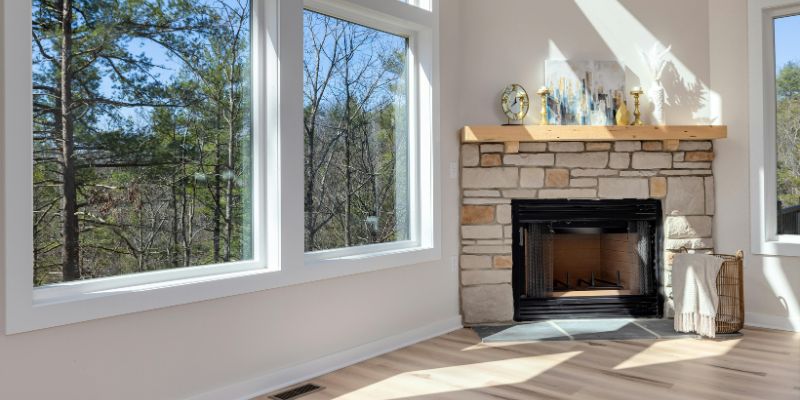
I’m a sucker for a rustic look, and nothing beats a stone surround. Think rough-hewn stones or stacked fieldstone for a cozy, mountain-cabin feel. I saw a corner fireplace with a stone surround that extended to the ceiling, and it was stunning. Pair it with a wooden mantel for warmth, and add some candles or lanterns for extra charm.
Modern Minimalism with Sleek Lines
If you lean toward modern decor, go for a fireplace with clean lines and a minimalist surround. I’ve seen gorgeous designs with polished granite or slate, paired with a simple, floating mantel. One home I visited had a black metal fireplace that looked sleek and sophisticated, especially with a large glass window showing off the flames.
Cozy Nook with Built-In Seating
This idea blew my mind. Imagine a corner fireplace with a cushioned bench built around it, creating a cozy reading nook. I saw this in a friend’s home, complete with throw pillows and a small side table. It’s perfect for curling up with a book or sipping coffee by the fire.
Vintage Vibes with Cast Iron
For a touch of nostalgia, a cast iron corner wood stove is hard to beat. I found one in an antique shop that was repurposed for a modern home, and it added so much character. Pair it with vintage decor like old books or a wooden ladder to lean nearby.
Seasonal Decor for Year-Round Appeal
I love how a corner fireplace can be a canvas for seasonal decor. In winter, hang stockings or add a garland. In spring, place fresh flowers or plants on the mantel. I’ve seen mantels styled with vases, candlesticks, and even a smart TV that doubles as artwork when it’s off. It’s an easy way to keep your fireplace looking fresh all year.
Maintenance and Care
Owning a wood burning fireplace is rewarding, but it does require some upkeep. Here’s what I’ve learned about keeping it in top shape.
Regular Cleaning
After every fire, you’ll need to clean out the ashes. I found that a metal ash bucket makes this easy. You also need to wipe down the exterior to keep dust and soot at bay. The glass door, if your fireplace has one, will need regular cleaning to remove soot buildup. I use a simple vinegar solution, and it works like a charm.
Chimney Maintenance
I can’t stress this enough—get your chimney cleaned at least once a year. Creosote buildup can cause chimney fires, which is a scary thought. A professional chimney sweep can inspect and clean it, usually for $100 to $300. It’s a small price to pay for safety.
Wood Quality Matters
Using dry, seasoned wood is a must. Wet or green wood burns inefficiently and creates more smoke, which can clog your chimney. I learned to store wood in a dry, covered area and let it season for at least six months. Hardwoods like oak or maple burn longer and cleaner than softwoods like pine.
Annual Inspections
Even if your fireplace seems fine, have it inspected annually by a professional. They’ll check for cracks, leaks, or other issues that could affect safety or performance. I found this gives me peace of mind, especially during heavy winter use.
Cost Considerations
Let’s talk money. Corner wood burning fireplaces can vary widely in cost, and I’ve done my homework to give you a clear picture.
Initial Purchase and Installation
A prefabricated corner fireplace can cost anywhere from $1,000 to $5,000, depending on the brand and features. Masonry fireplaces are pricier, often ranging from $5,000 to $15,000 or more, especially with custom stonework. Installation costs, as I mentioned, can add $1,500 to $5,000. If you need a new chimney or flue, expect to add another $2,000 to $7,000.
Ongoing Costs
Wood isn’t free, but it’s often cheaper than gas or electric heating in the long run. I spend about $200 to $500 per season on firewood, depending on how often I use the fireplace. Maintenance, like chimney cleaning, adds another $100 to $300 annually. If you’re on a budget, a prefabricated model with minimal upkeep is the way to go.
Long-Term Value
Here’s where it gets exciting. A well-maintained fireplace can increase your home’s value. I read that fireplaces are a top feature for homebuyers, often adding 1-3% to your home’s resale price. Plus, the energy savings from efficient heating can offset the initial cost over time.
Environmental Impact and Sustainability
I’ll be honest—wood burning fireplaces have a reputation for being less eco-friendly than gas or electric models. But modern designs have come a long way. Here’s what I found.
Cleaner Burning Technology
Newer wood burning fireplaces are EPA-certified, meaning they produce fewer emissions and burn wood more efficiently. I was impressed to learn that some models have catalytic combustors that reduce smoke and particulates, making them better for the environment.
Sustainable Wood Sourcing
I make it a point to buy wood from sustainable sources, like local suppliers who harvest responsibly. You can also use reclaimed wood or scraps from woodworking projects to reduce your environmental footprint. It’s a small step, but it makes a difference.
Energy Efficiency
By heating your home with a fireplace, you can rely less on fossil fuel-based heating systems. I found that using my fireplace strategically—say, on cold evenings—cuts down on my electric bill. It’s a win-win for my wallet and the planet.
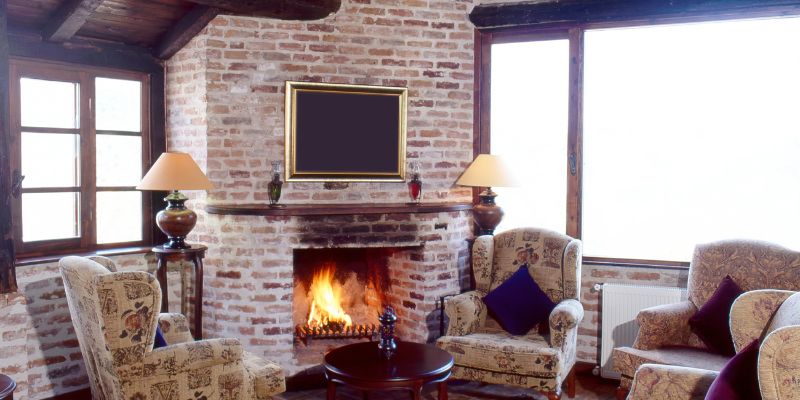
Conclusion
After diving deep into the world of corner wood burning fireplaces, I’m convinced they’re one of the best ways to add warmth, style, and value to your home. They’re perfect for small spaces, offer efficient heating, and come in designs that suit every taste, from rustic to modern. I love how they create a cozy focal point without taking over a room, and the crackle of a real wood fire is something you just can’t replicate. Sure, they require some maintenance and upfront investment, but the ambiance and comfort they bring are worth every penny. Whether you’re curling up with a book, hosting friends, or just enjoying a quiet evening, a corner wood burning fireplace makes every moment feel special. If you’re ready to transform your space, I hope this guide inspires you to take the plunge and create your own cozy corner.
FAQs
What makes a corner wood burning fireplace different from a traditional one?
A corner wood burning fireplace is designed to fit into a corner, saving space and allowing heat to radiate across two walls. Traditional fireplaces are usually centered on a wall and take up more floor space. Corner models are great for smaller rooms or unique layouts.
Are corner wood burning fireplaces safe for homes with kids or pets?
Yes, they can be safe if you take precautions. I recommend installing a fireplace screen to prevent sparks and keeping flammable items at least 150mm away. Always supervise kids and pets near the fire, and consider a model with a glass door for extra safety.
How much does it cost to install a corner wood burning fireplace?
Costs vary, but a prefabricated model can run $1,000 to $5,000, plus $1,500 to $5,000 for installation. Masonry fireplaces are pricier, starting at $5,000 and up. Chimney or flue installation can add $2,000 to $7,000, depending on your home.
Can I install a corner wood burning fireplace in an apartment?
It’s tricky but possible in some cases. You’ll need a proper chimney or flue system, which many apartments don’t have. Prefabricated zero-clearance models are easier to install, but check with your landlord and local building codes first.
How often should I clean my corner wood burning fireplace?
Clean out ashes after every use, and wipe down the exterior regularly. The chimney needs professional cleaning at least once a year to prevent creosote buildup. I also recommend an annual inspection to ensure everything’s safe and working well.